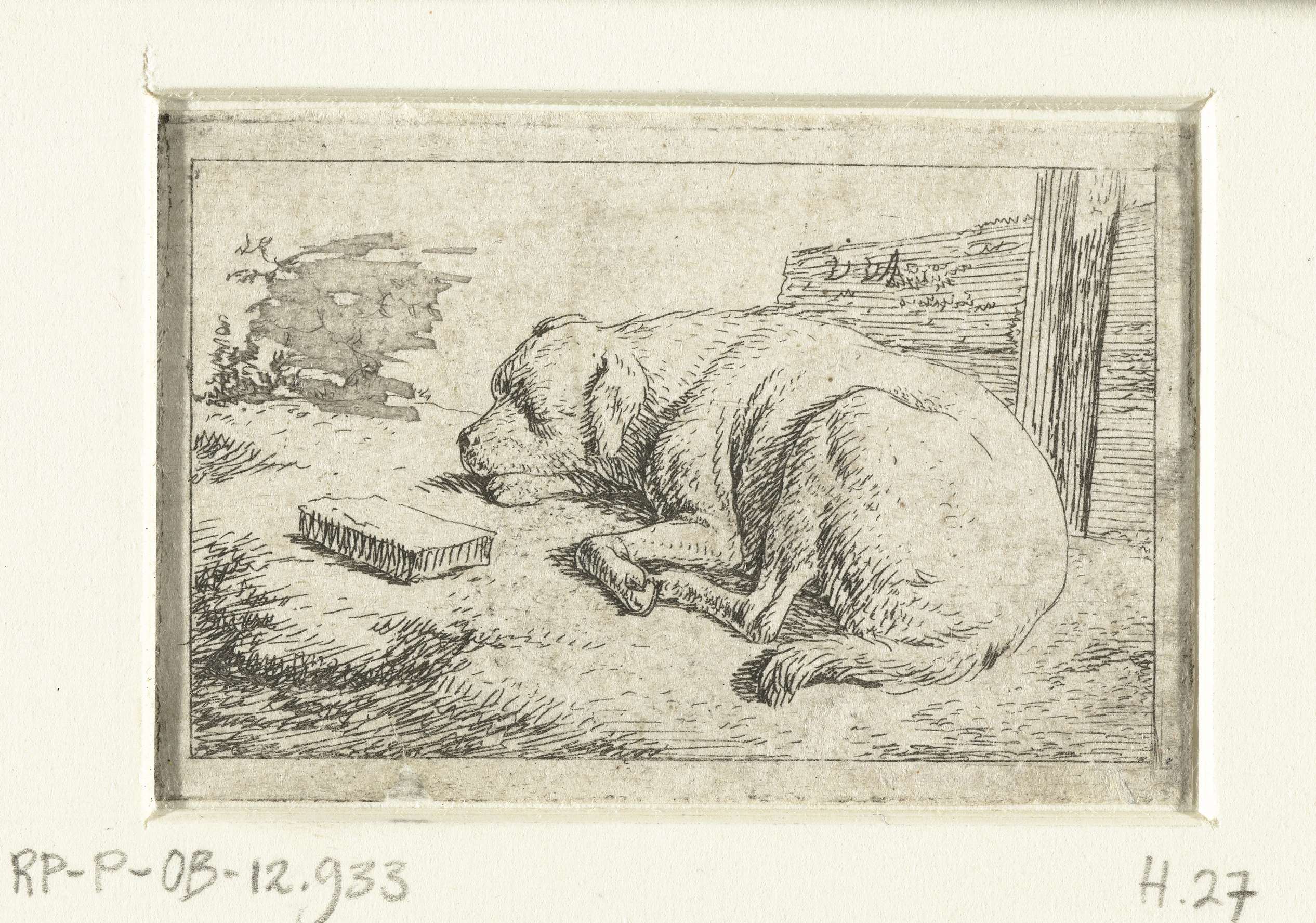
Slapende hond — History & Analysis
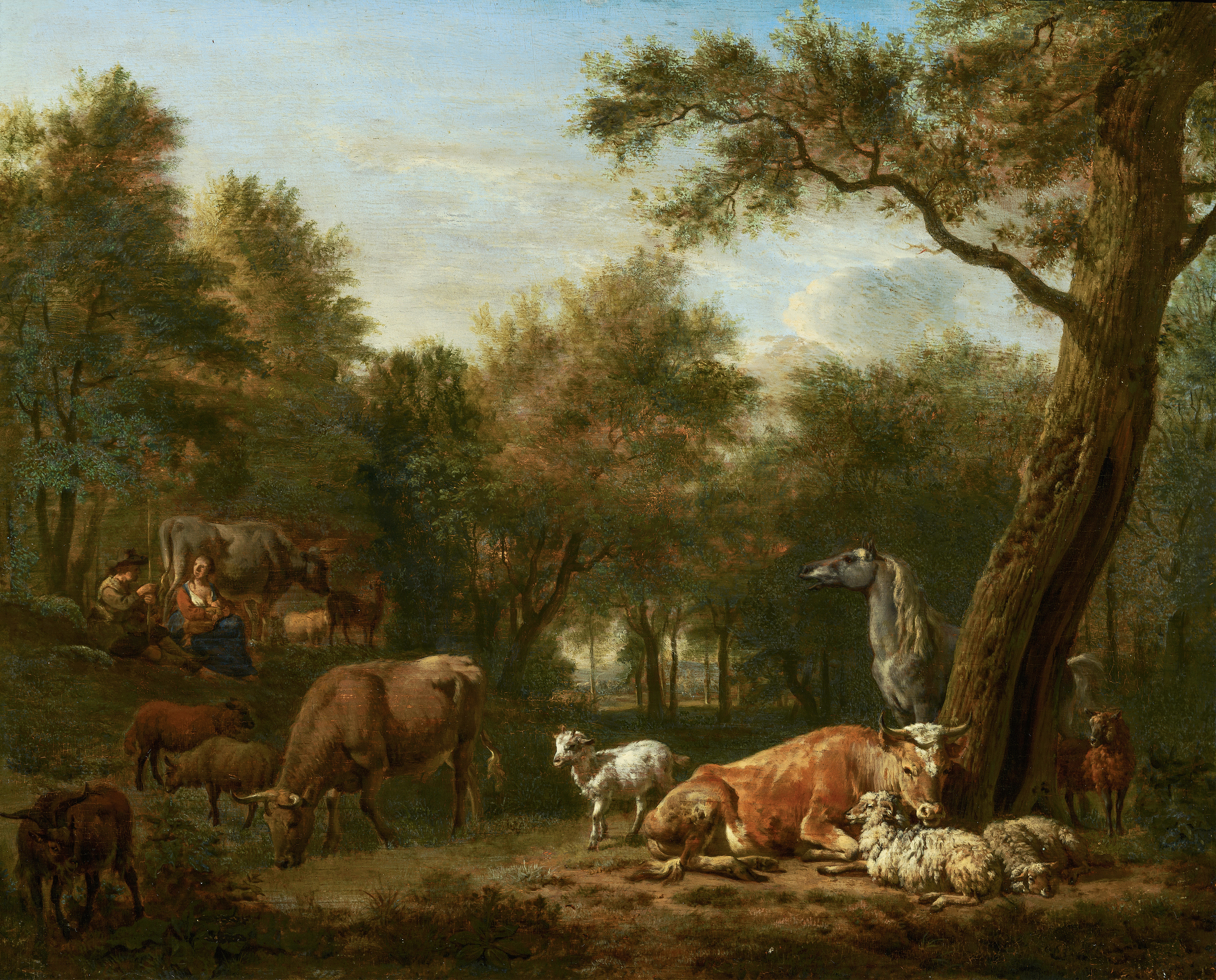
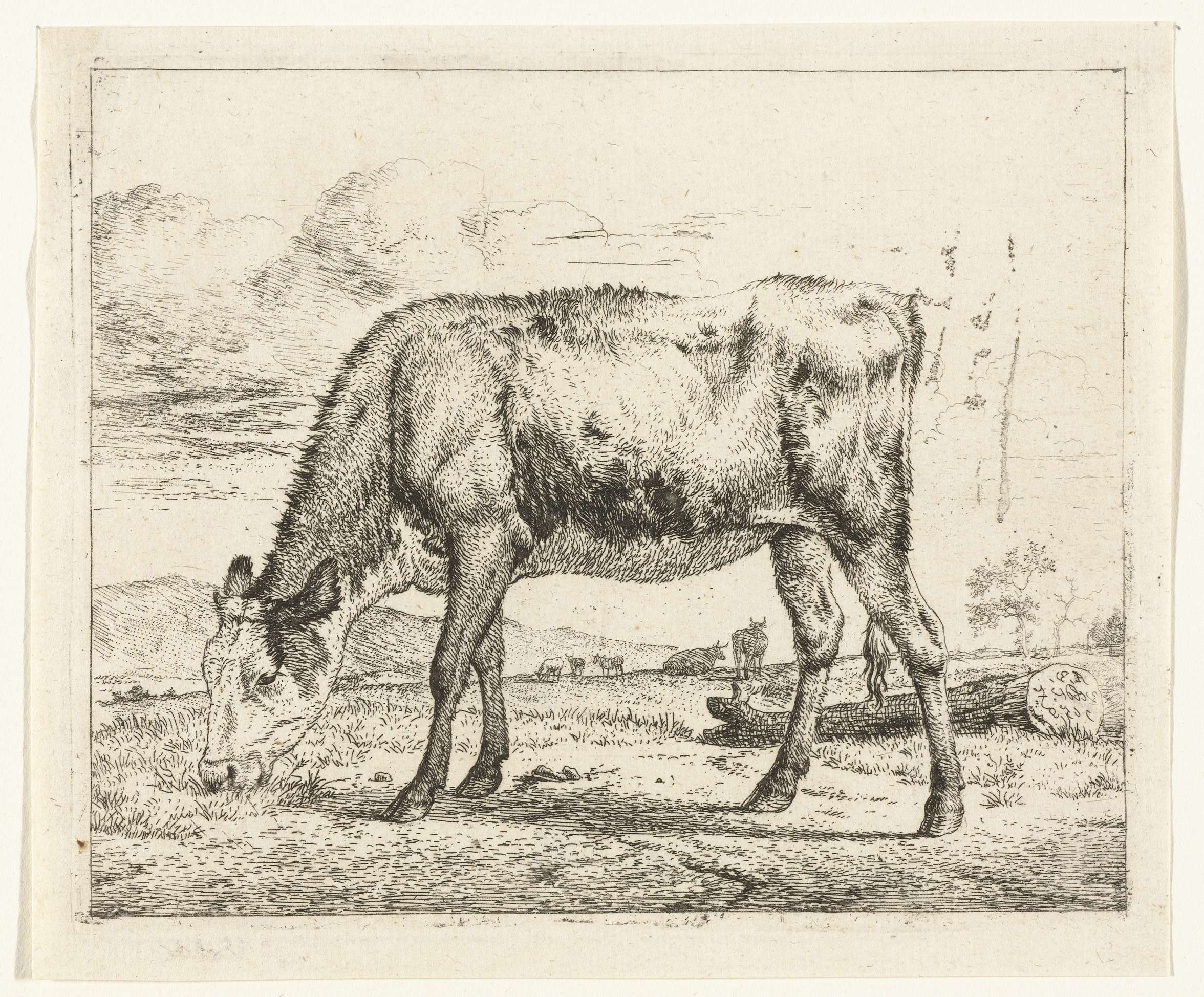
Is this a mirror — or a memory? In the serene stillness of Slapende hond, an intimate moment unfolds, inviting a profound contemplation of obsession and tranquility. Focus on the gentle curve of the dog’s body, where fur meets the soft, golden light filtering through the scene. Notice how the artist’s brushwork captures the intricate textures, bringing the sleeping creature to life. The warm color palette envelops the viewer, creating an atmosphere of calm and comfort.
Look closely to see the subtle variations in shades that define each strand of fur, revealing a deep understanding of form and depth. Beneath the surface lies a complex relationship between the dog’s quiet repose and the inherent vulnerability of rest. The stillness invites reflection on the nature of obsession — both the cherishing of this beloved creature and the fear of its fragility. The surrounding emptiness emphasizes the singular focus on the dog, suggesting themes of isolation and devotion that resonate deeply within the viewer.
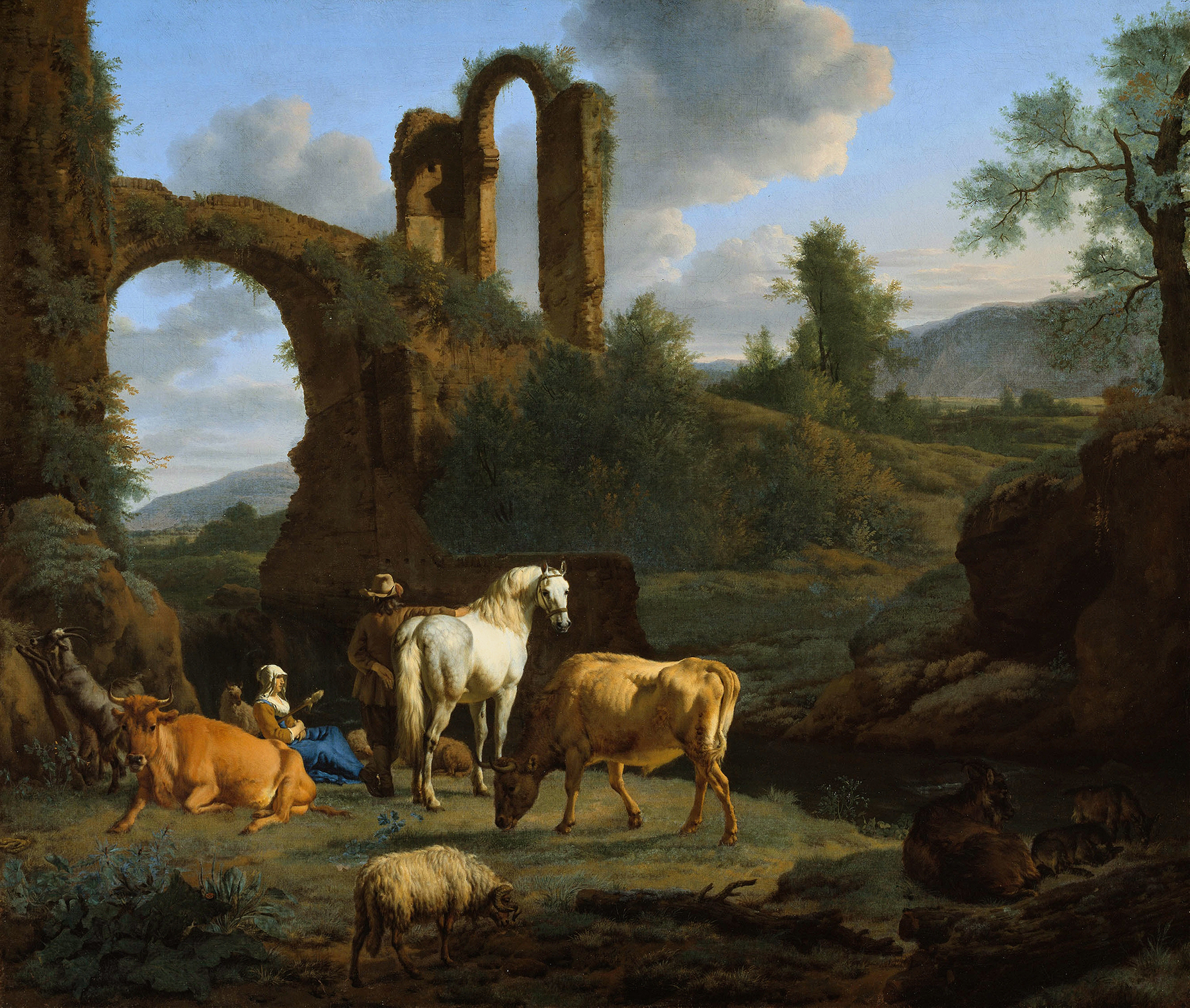
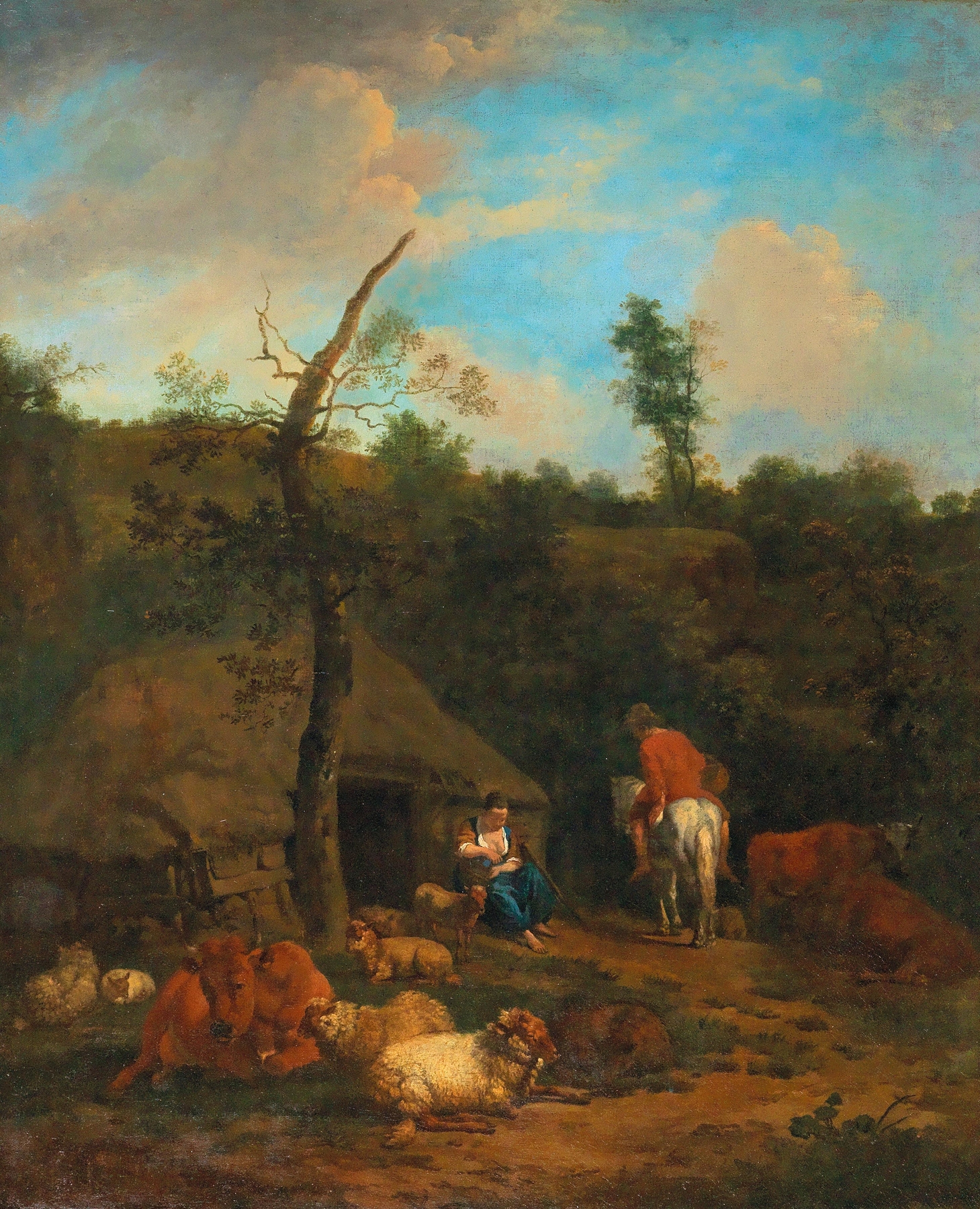
Each brushstroke seems to whisper a silent narrative of care and connection. Adriaen van de Velde created this piece between 1653 and 1672, during a period when European art was increasingly drawn to scenes of domestic life and intimate moments with animals. Living in Amsterdam, he was influenced by the burgeoning interest in realism and the intimate portrayal of still life, which marked a significant movement in the Dutch golden age. This work reflects not only his mastery of technique but also a poignant engagement with the emotional landscapes of everyday existence.