Sommerliche Wiesen bei Fischerhude — History & Analysis
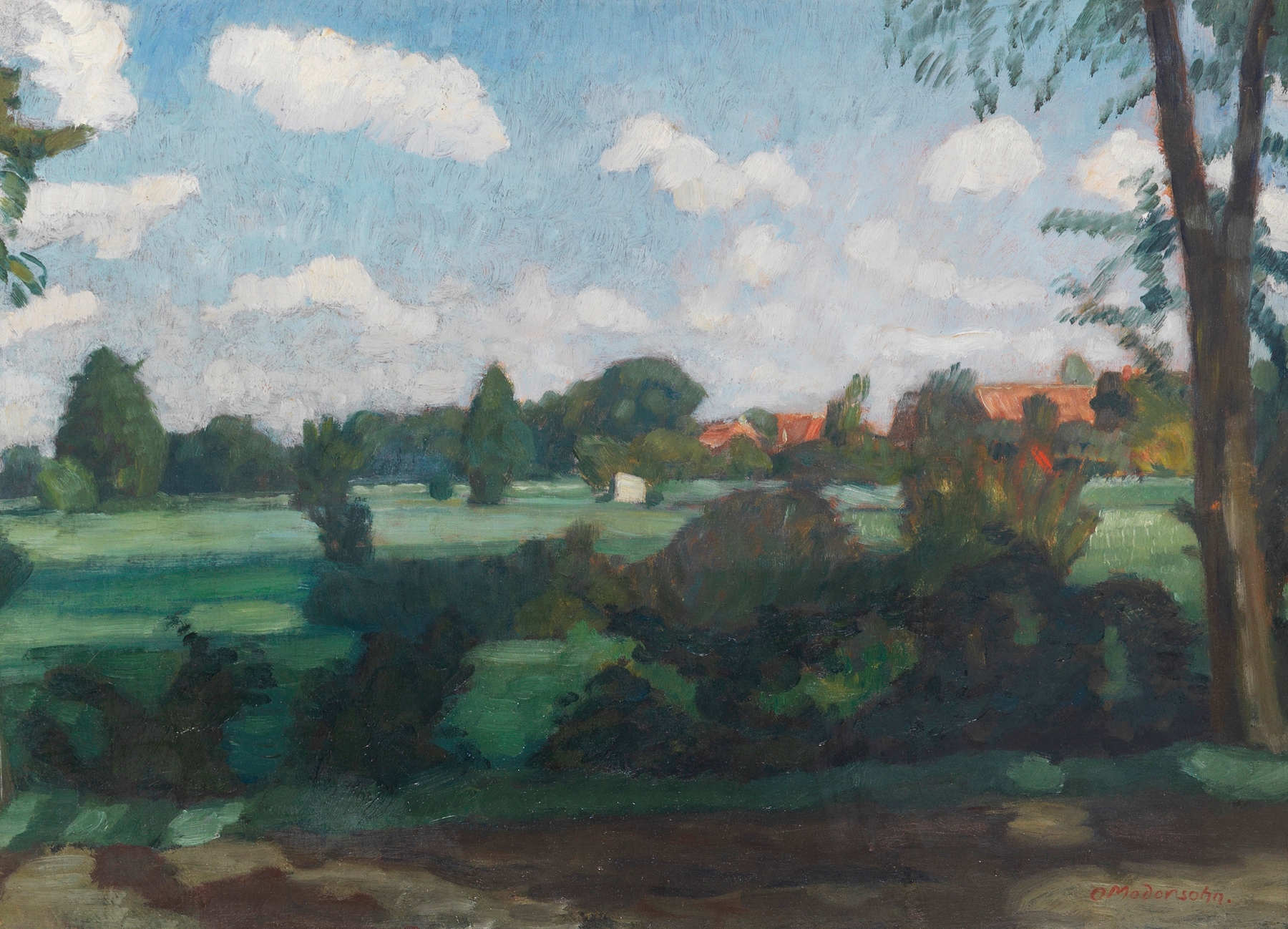
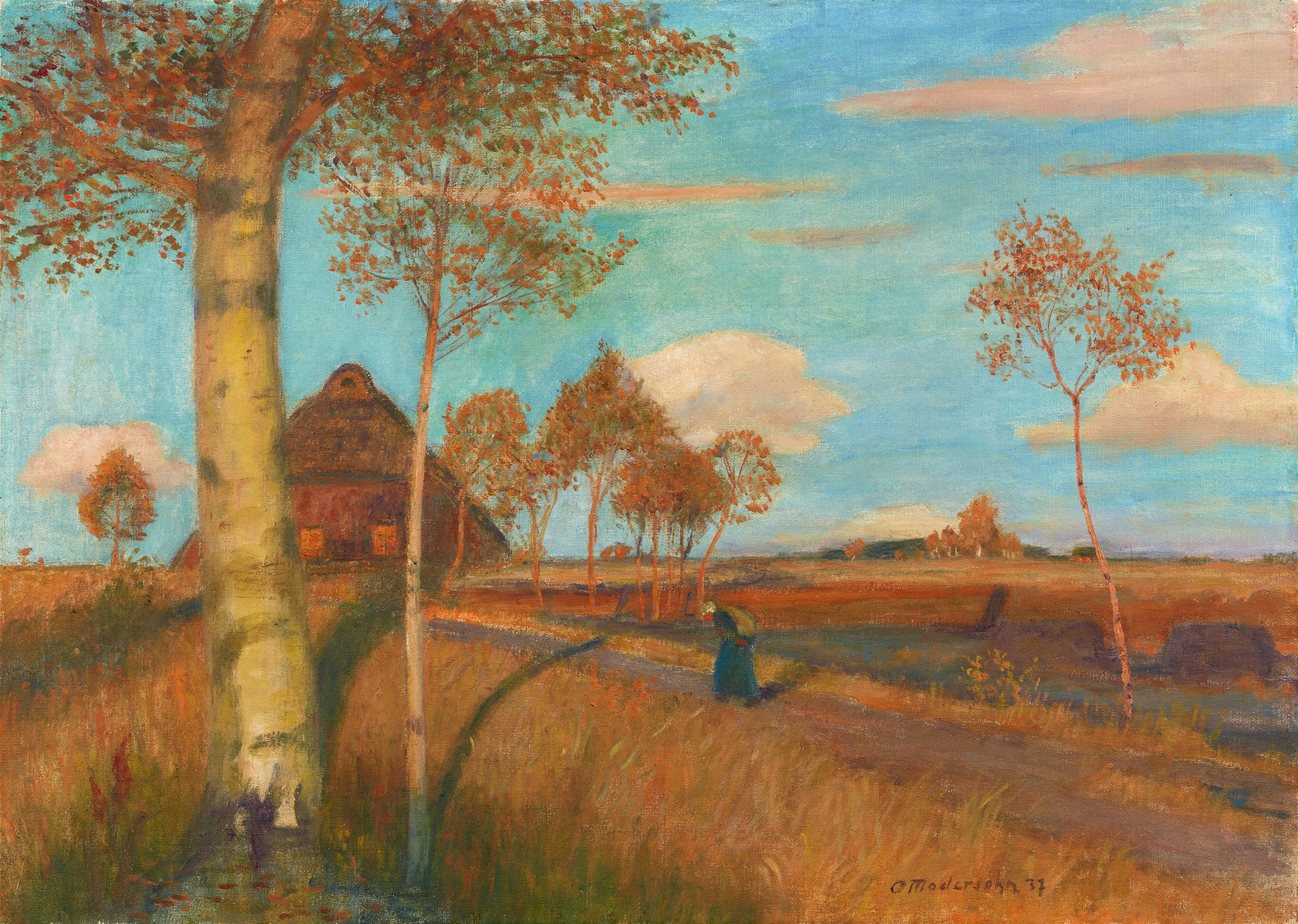
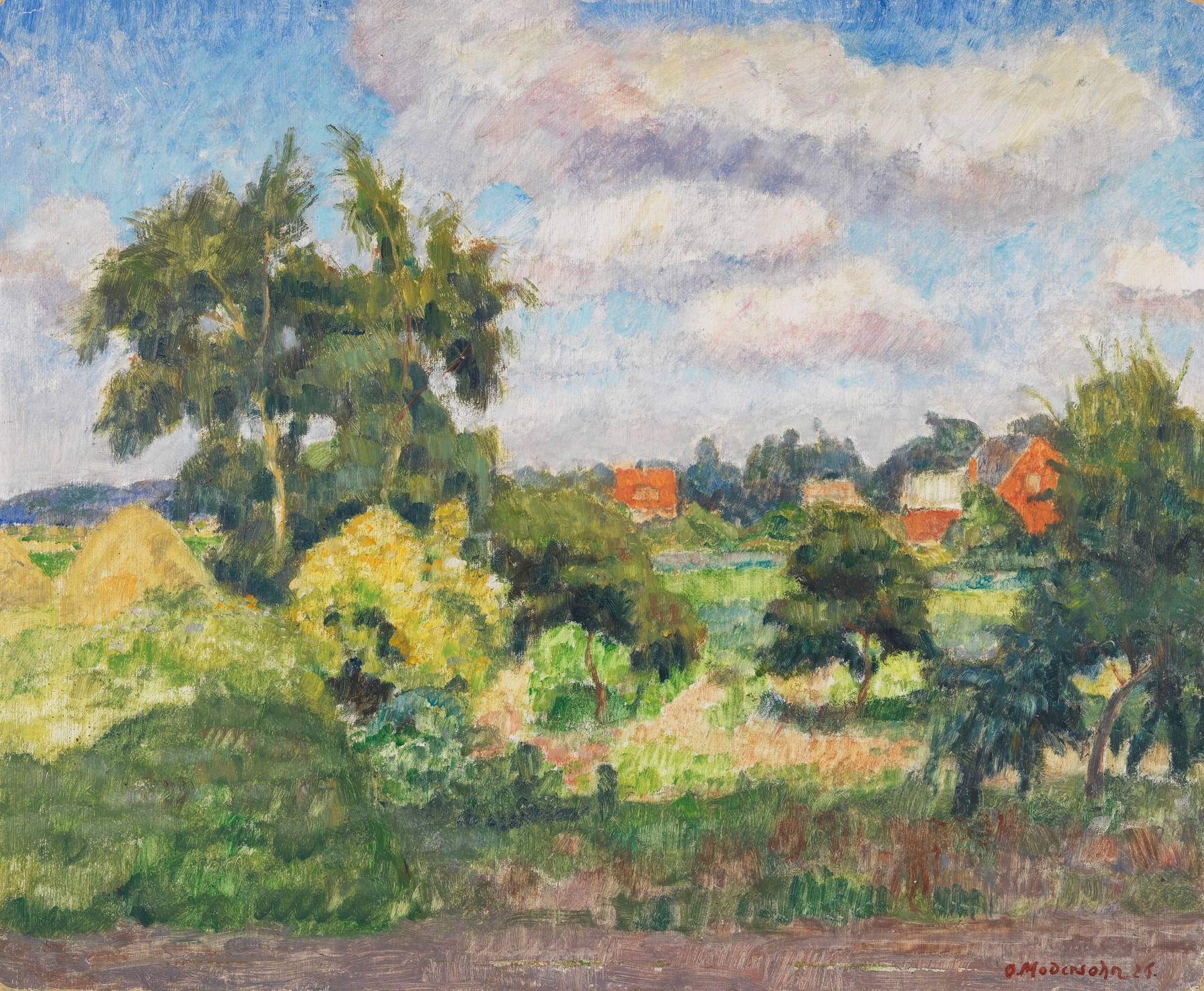
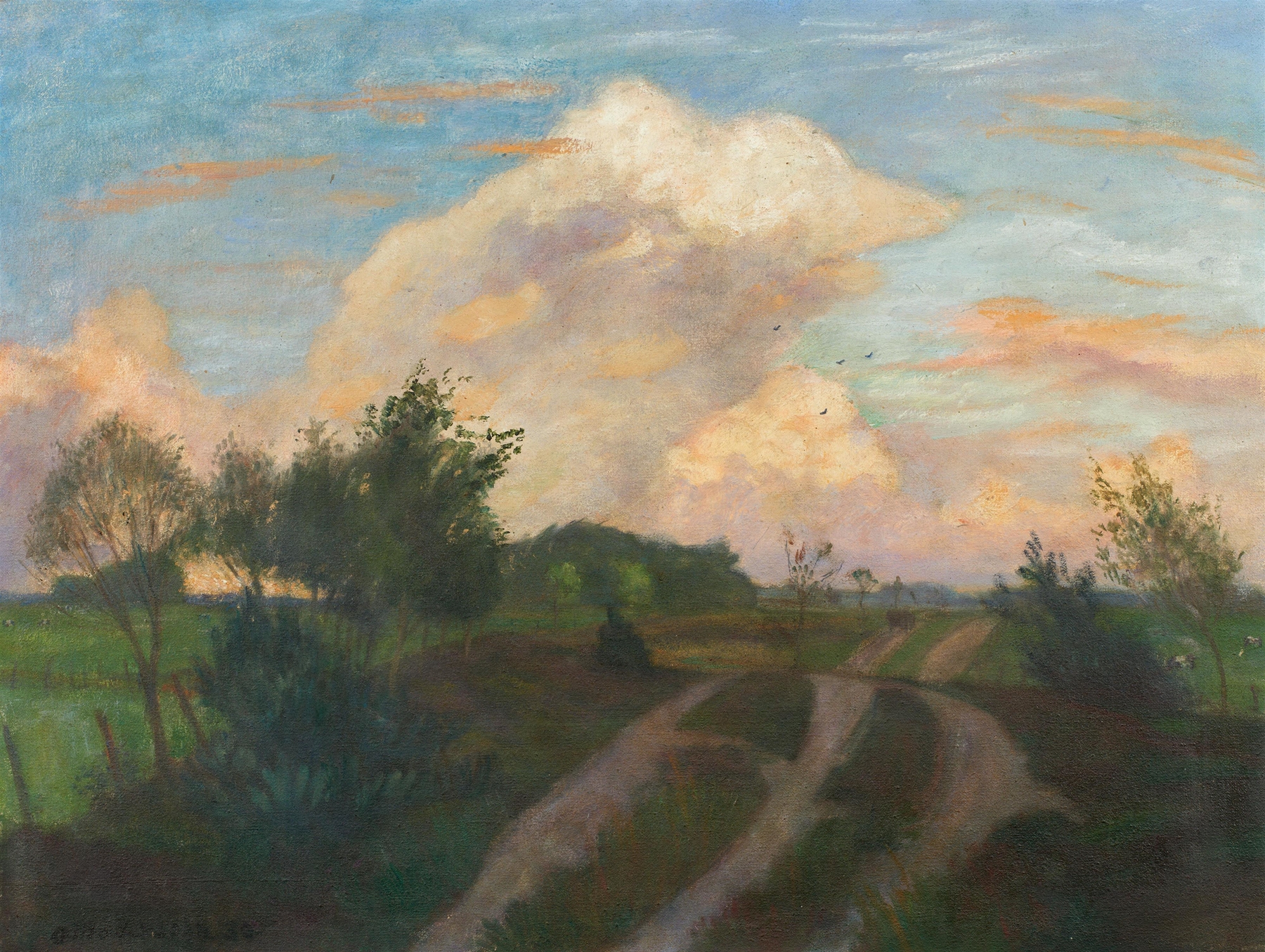
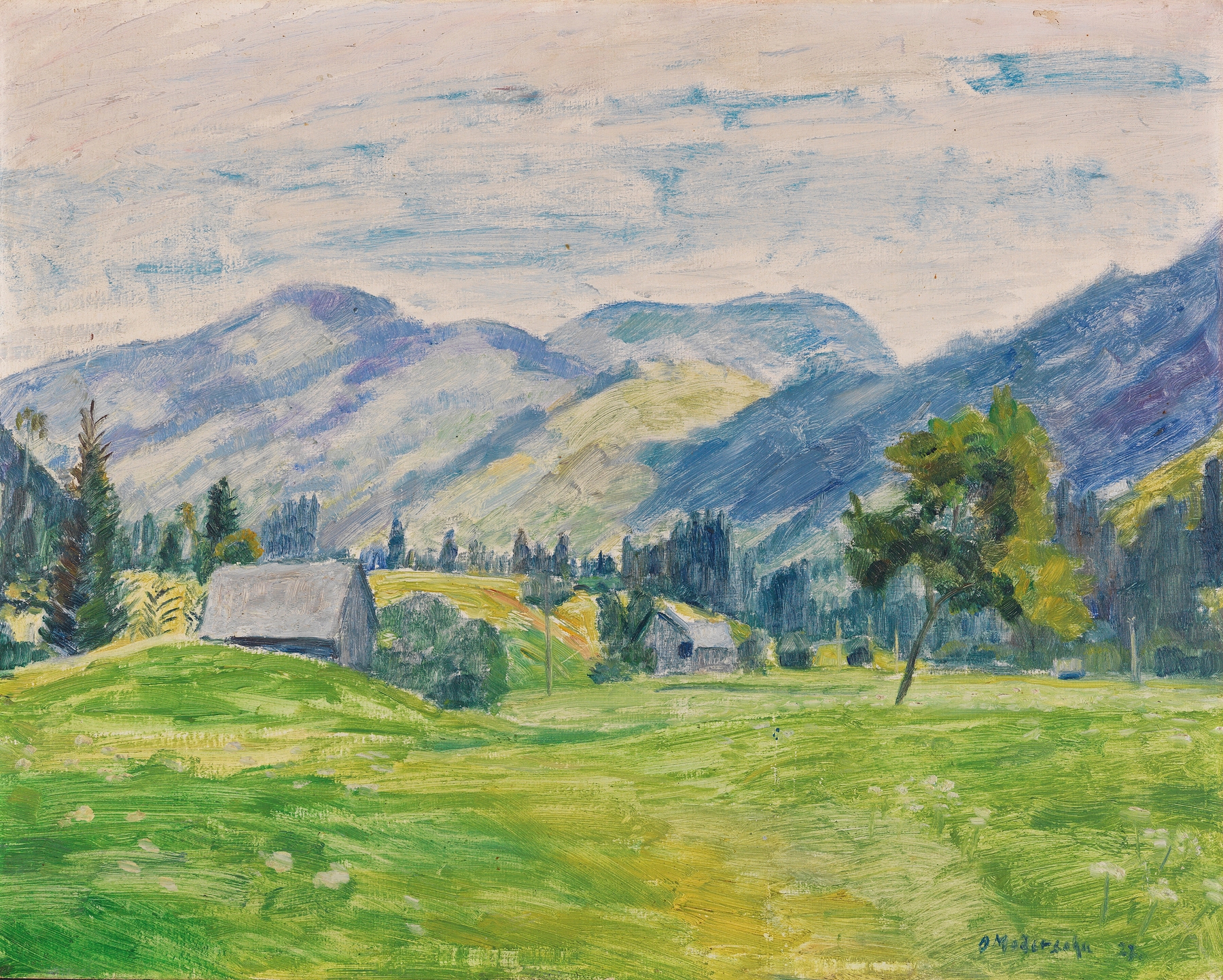
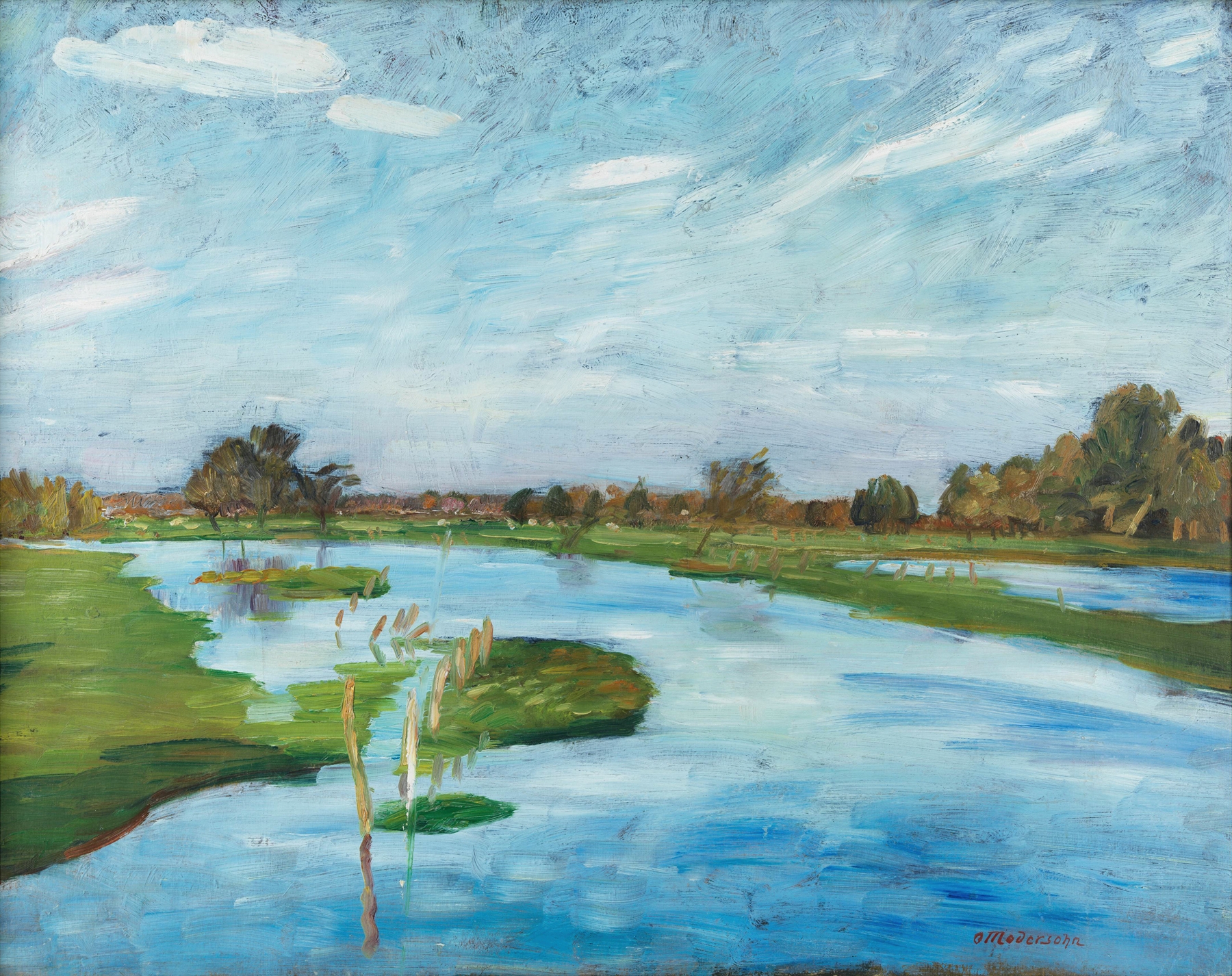
“The canvas doesn’t lie — it simply waits.” In the quietude of nature, creation unfolds in layers of color and form, each stroke a testament to the fleeting beauty that surrounds us. Look to the left at the gentle undulations of the grassy meadow, where vibrant greens blend seamlessly with soft yellows and muted browns. Notice how the dappled sunlight filters through the trees, casting delicate shadows that dance across the canvas. The composition draws you in, leading your gaze towards the horizon where the sky meets the earth, painted in gentle pastels that evoke a sense of tranquility and promise.
Hidden within this natural scene are whispers of deeper narratives: the cycle of life in bloom, a longing for simplicity, and the peace found in solitude. The contrast between the vibrant life in the foreground and the serene distance suggests a world both alive and contemplative, where each detail — from the blooming flowers to the stillness of the air — speaks of the artist’s intimate connection to the land. The brushwork, fluid yet decisive, reveals a desire to capture the ephemeral essence of summer’s embrace.
In 1912, Otto Modersohn created this work in Fischerhude, a village in northern Germany known for its stunning landscapes. At this time, he was deeply immersed in the modernist movement, exploring the balance between realism and abstraction. His life was marked by personal transitions, including a focus on plein air painting that allowed him to celebrate the beauty of the natural world in its most authentic form.