Sommertag im Moor (Erdhütte im Moor) — History & Analysis
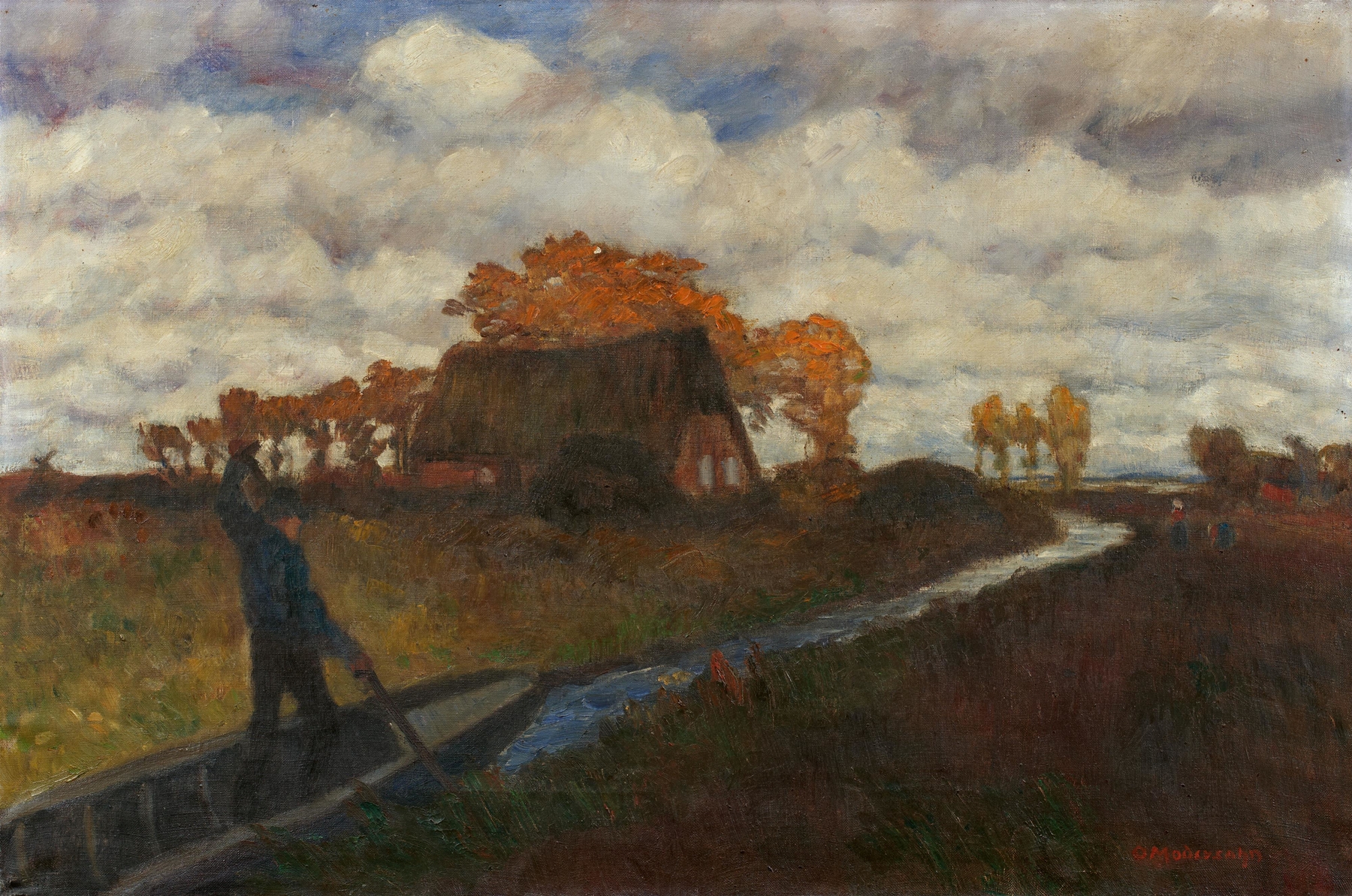
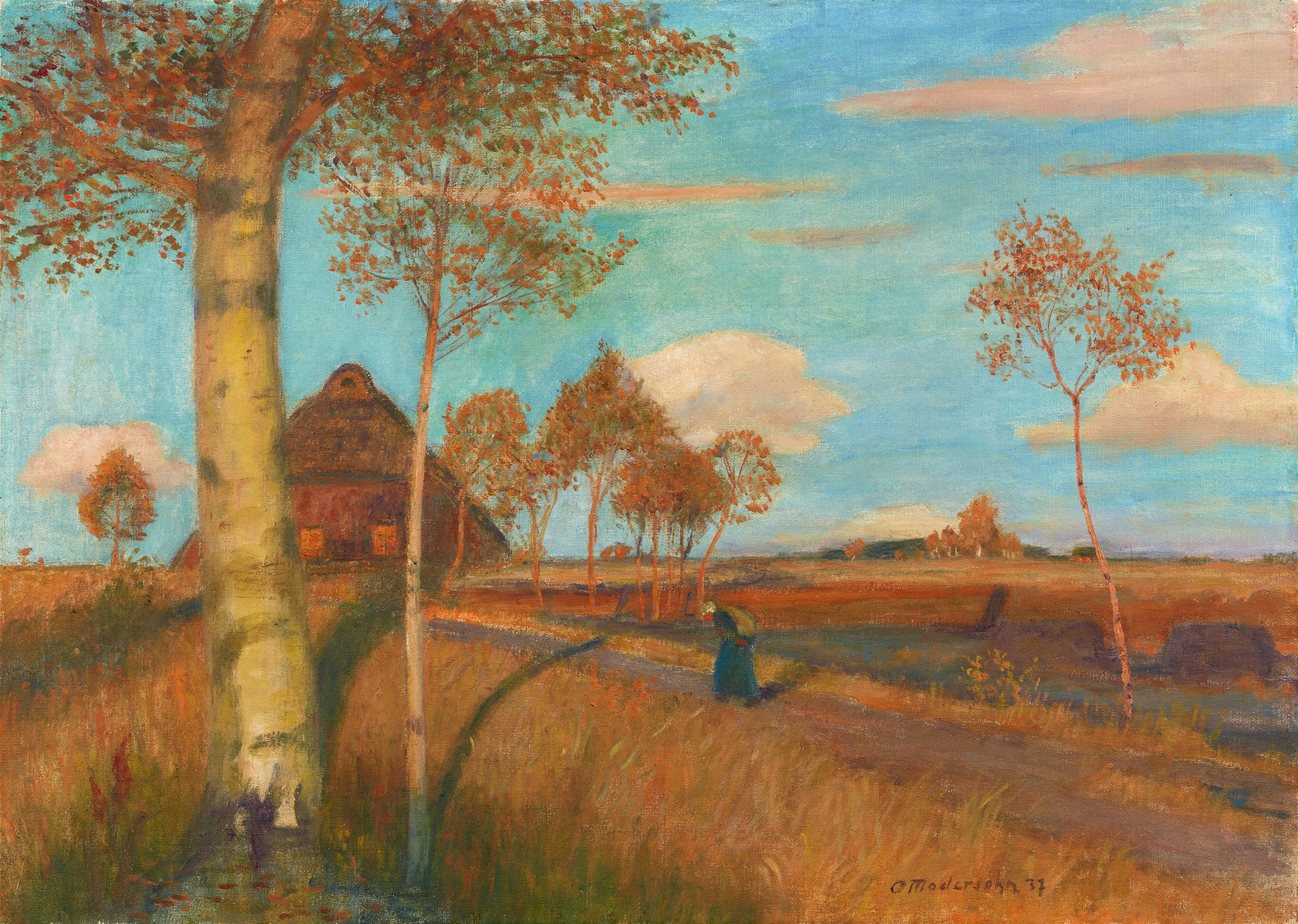
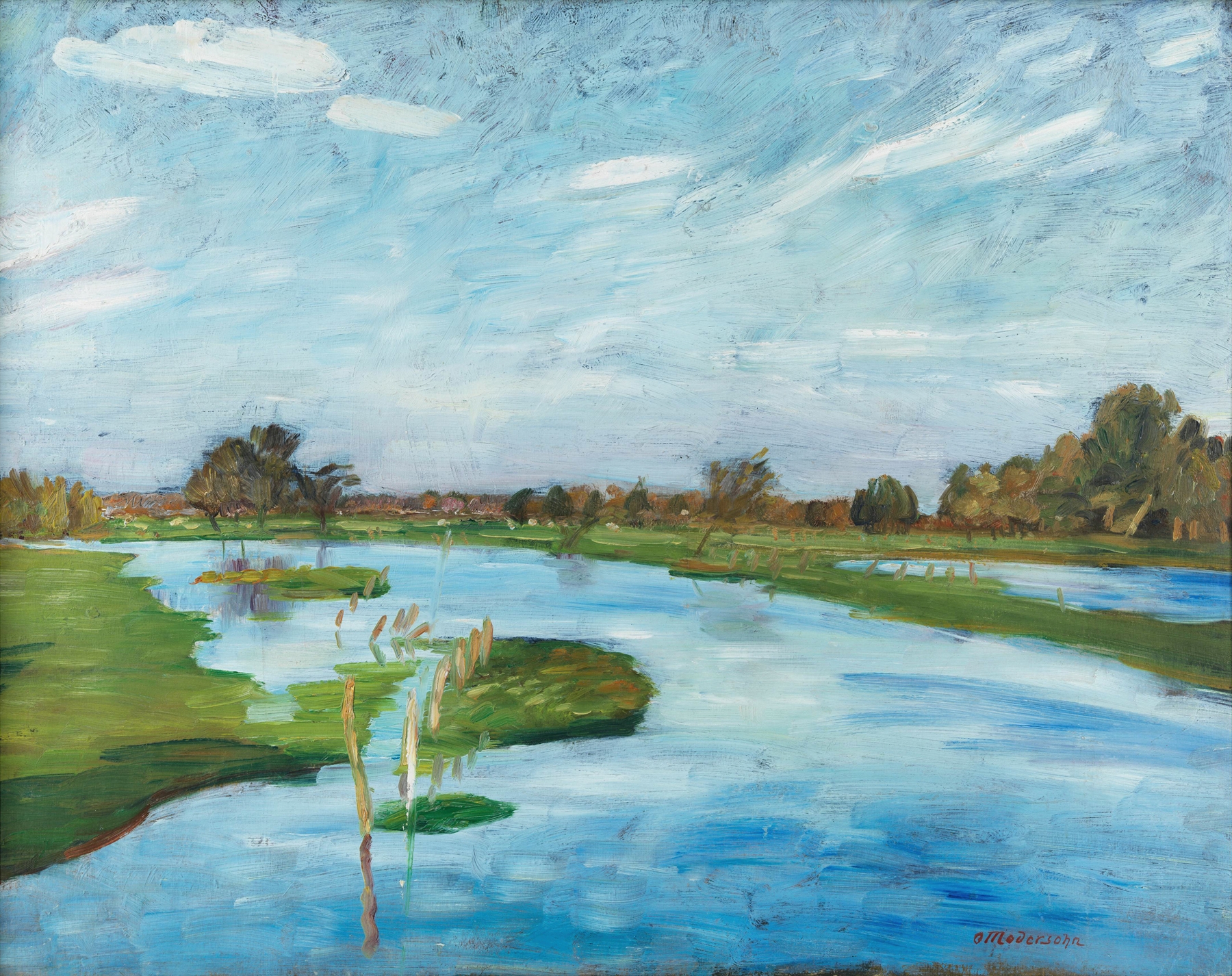
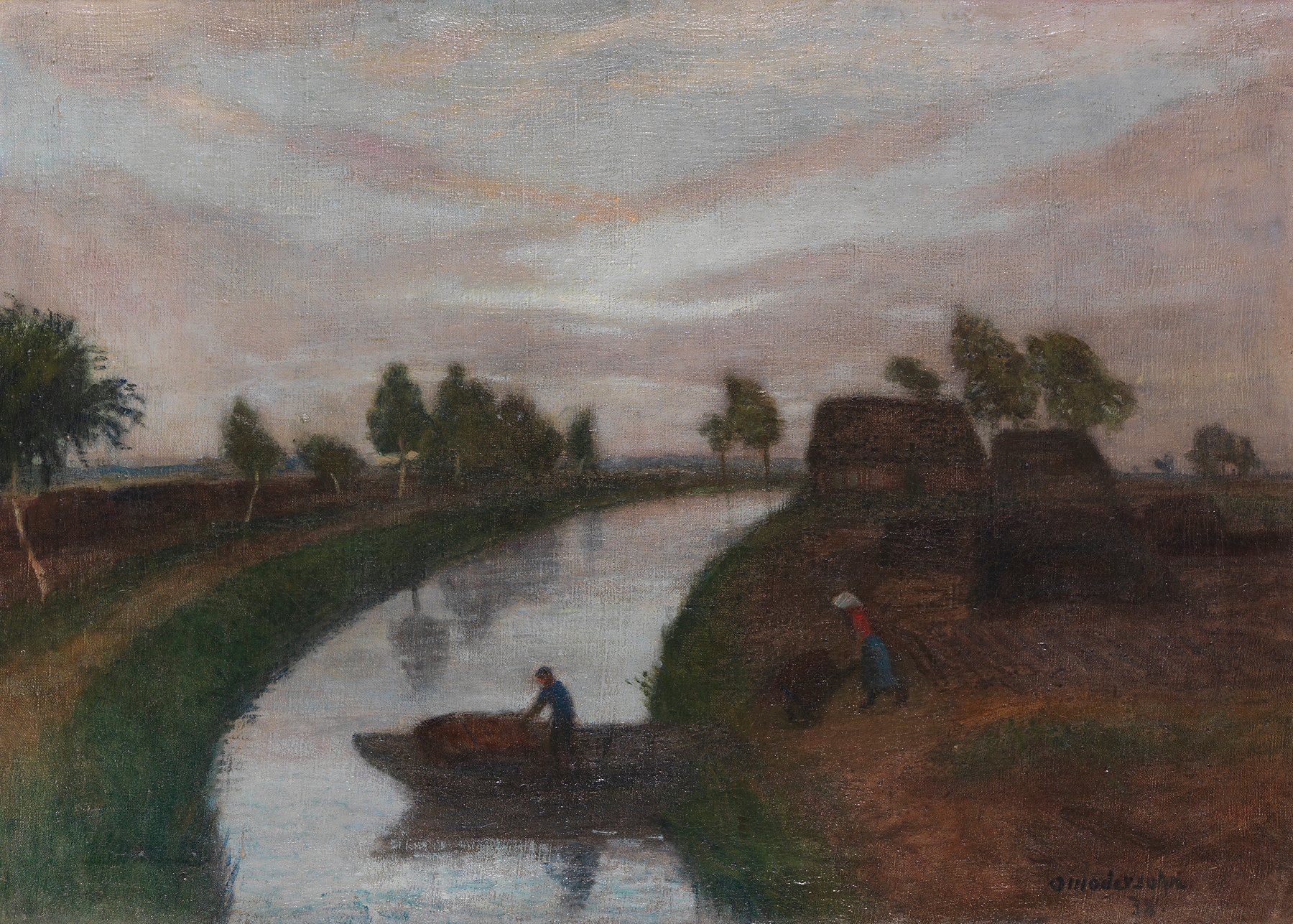
“To paint is to remember what time wants us to forget.” In the quiet embrace of nature, the essence of melancholy seeps through the tranquility of a summer day, reminding us of fleeting moments that slip away too easily. Focus on the center of the canvas, where an earthy hut nestles among the muted greens and browns of the landscape. The thick brushstrokes evoke a sense of solidity, contrasting with the ethereal reflections in the nearby moor. Notice how the dappled light dances upon the water's surface, creating an interplay between light and shadow that both illuminates and obscures the scene.
The color palette, rich yet subdued, envelops you in a nostalgic warmth, inviting contemplation. Hidden within this serene tableau lies a tension between permanence and transience. The hut, sturdy yet secluded, symbolizes human presence amid the vastness of nature, while the tranquil moor hints at the inevitability of change. The stillness of the water mirrors the solitude of the scene, evoking a longing for connection but simultaneously reminding us of the isolation often found in the beauty of nature.
Each element whispers stories of lives lived and lost, of memories etched into the landscape. In 1908, Otto Modersohn created this piece in the lush, remote wilderness of Germany, a time when he was deeply influenced by the burgeoning expressionist movement. With a growing fascination for capturing the beauty of the natural world and the emotions it stirs, the artist sought solace in the landscapes around him, reflecting both personal and universal encounters with nature's fleeting yet profound moments.