Sortie du port de Boulogne — History & Analysis
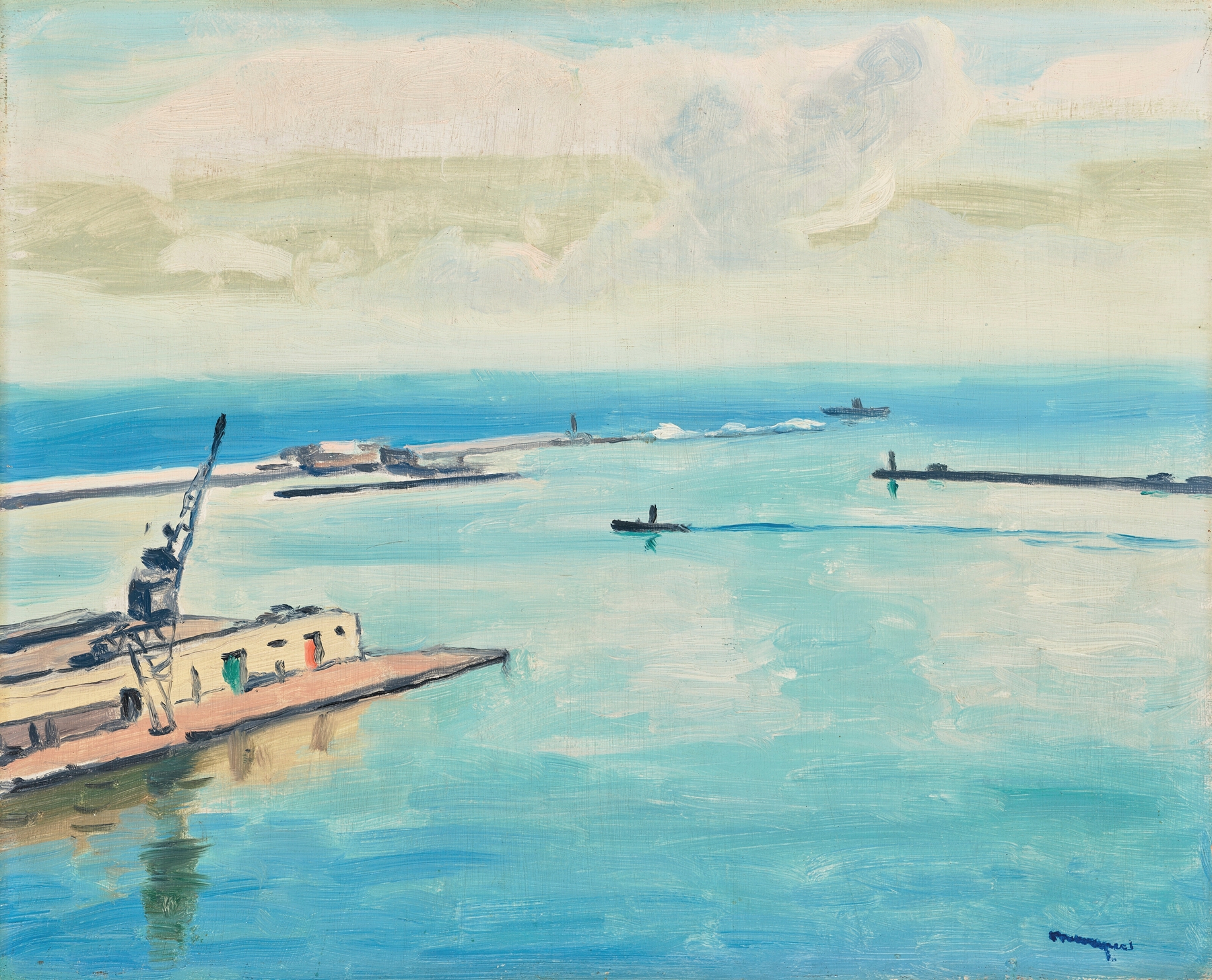
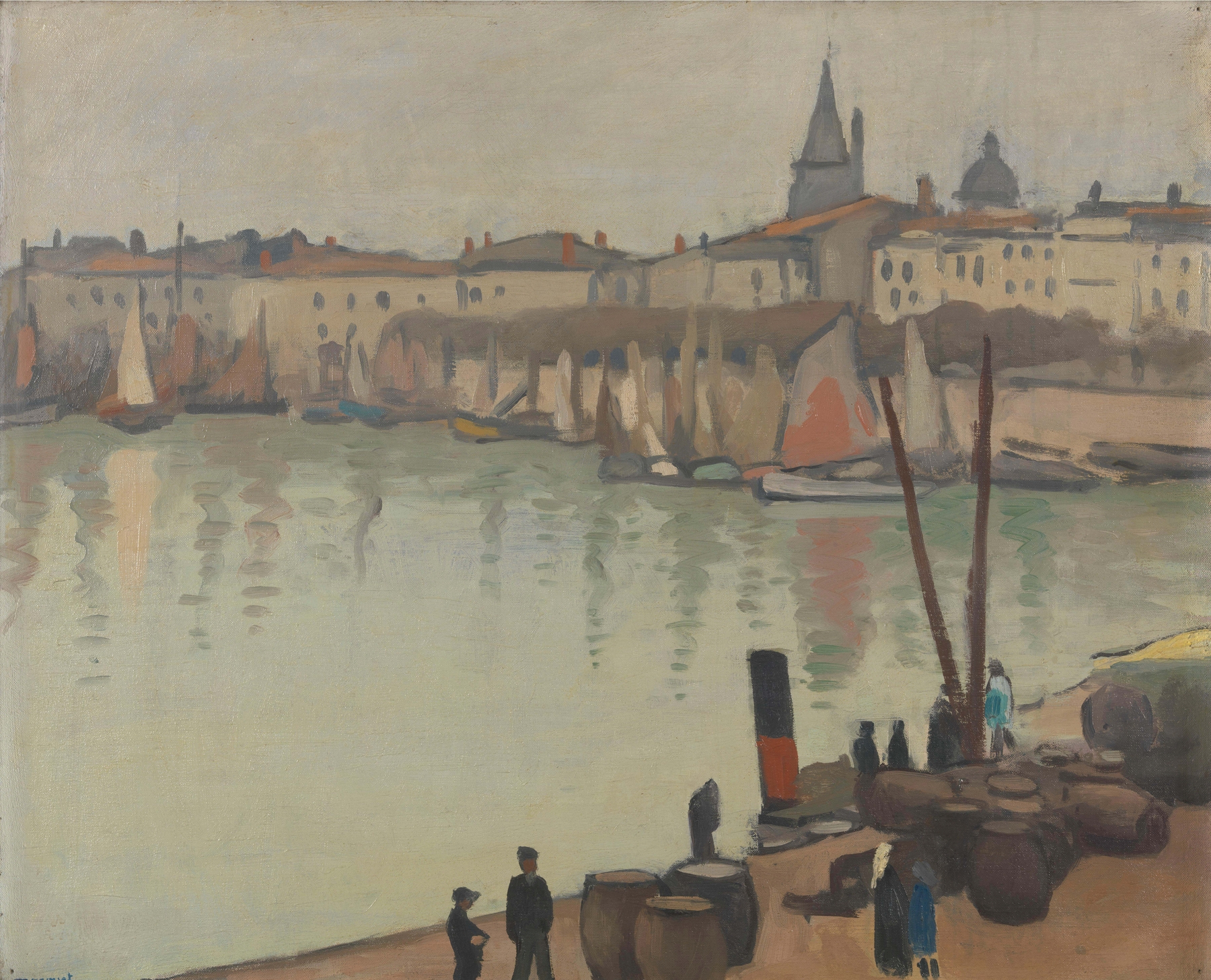
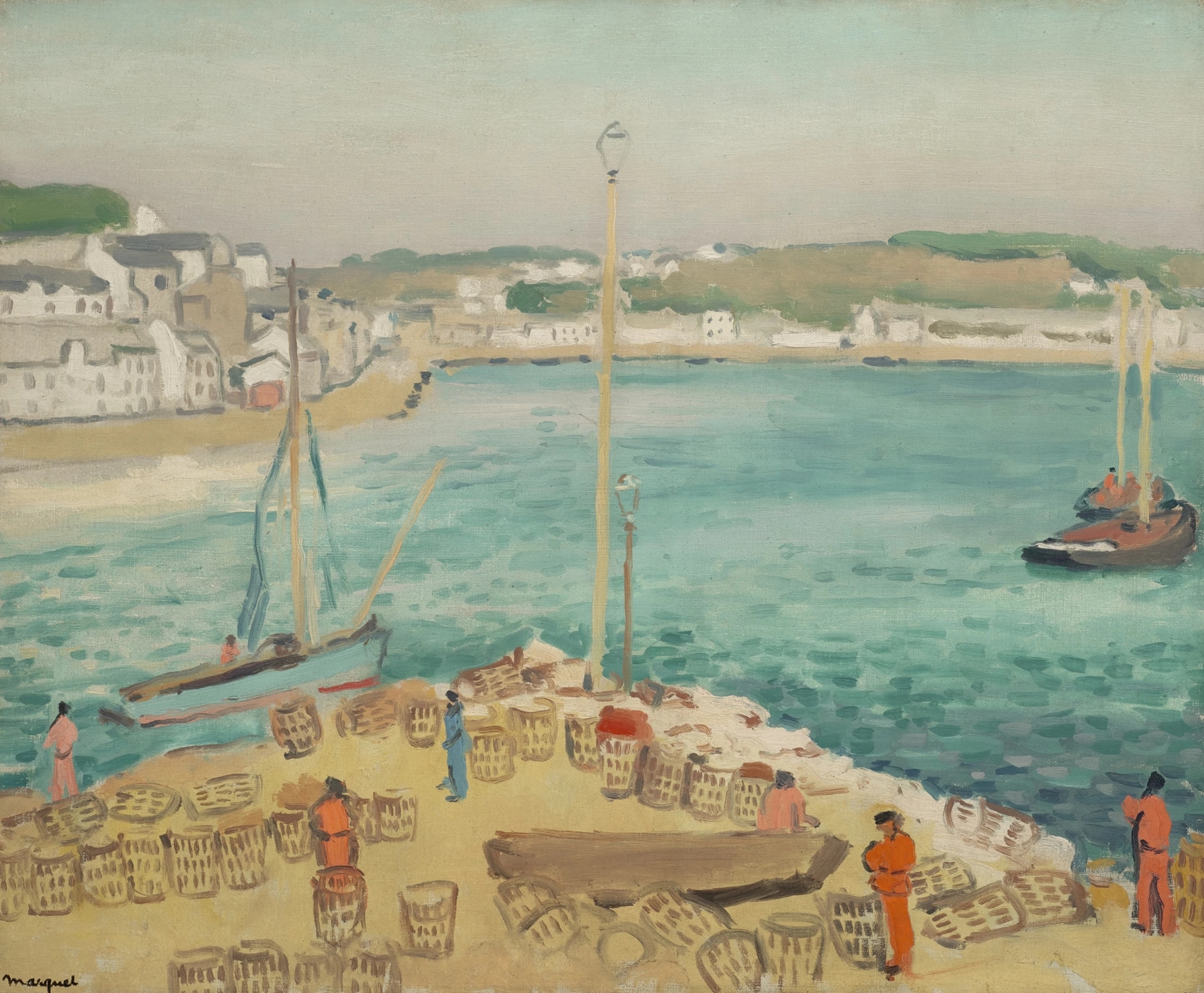
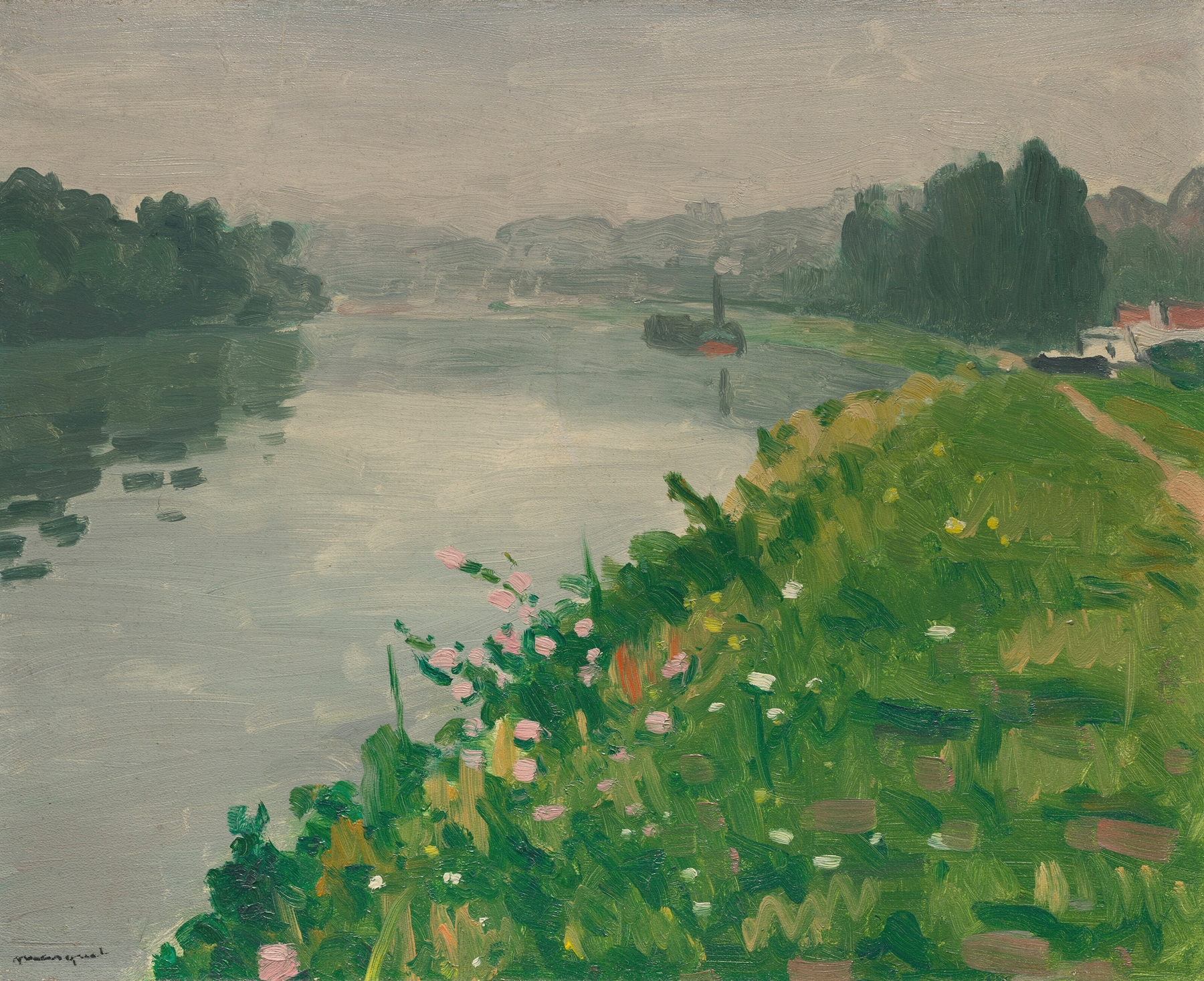
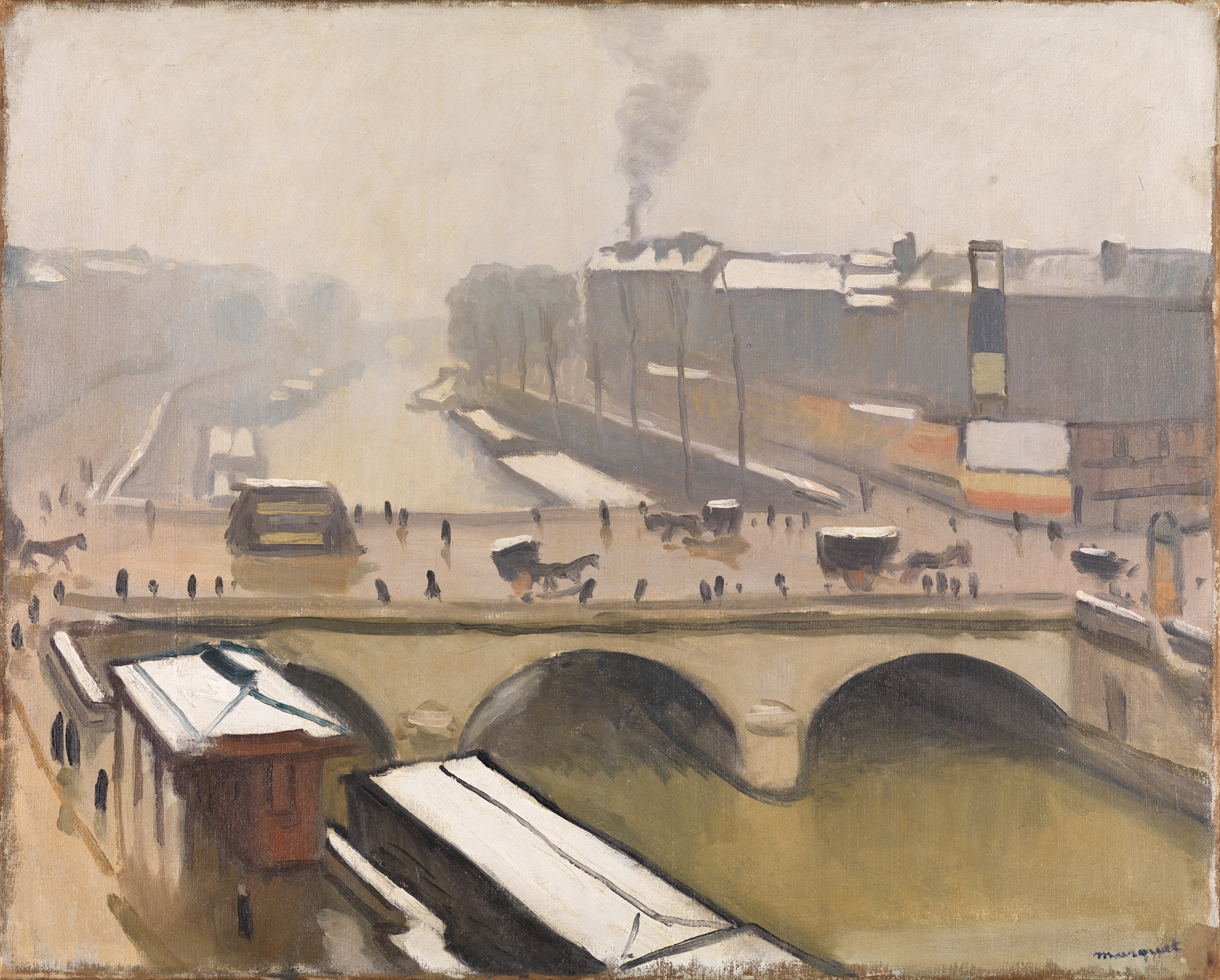
“Between color and silence, truth hides.” In the gentle embrace of soft blues and muted grays, Sortie du port de Boulogne captures a fleeting moment where melancholy dances upon the surface of the water. The painting invites us to reflect on the quiet, often overlooked beauty of a harbor as it transitions from day to dusk. Look to the horizon where the sky gently meets the sea, a gradient of colors blending seamlessly into one another. Notice the brushwork, which creates a rhythmic texture, evoking the gentle lapping of waves against the boats moored at the docks.
The shapes of the vessels, rendered with simplicity, lead your gaze deeper into the scene, while the play of light and shadow adds depth and intrigue, pulling you into the depth of the harbor's silence. Yet, within this tranquil composition lies a sense of isolation. The boats, seemingly abandoned, evoke feelings of nostalgia, as if they long for the busy lives once shared upon their decks. The absence of human presence amplifies this solitude, transforming the scene into a poignant reflection on the passage of time and the fleeting nature of joy.
In this moment captured in paint, there is a palpable tension between serenity and sorrow—a reminder that beauty can coexist with melancholy. Created in 1930, Sortie du port de Boulogne reflects a pivotal period for the artist, who was immersed in the movement of Fauvism, exploring color and form with emotional depth. At this time, Marquet was deeply engaged with the coastal regions of France, capturing their essence through a unique lens. The world was grappling with the aftermath of World War I, and through his work, he captured not only the physical landscapes but also the collective psychological state of his time, presenting a mesmerizing interplay of hope and sadness.