Souvenir of Chicago — History & Analysis
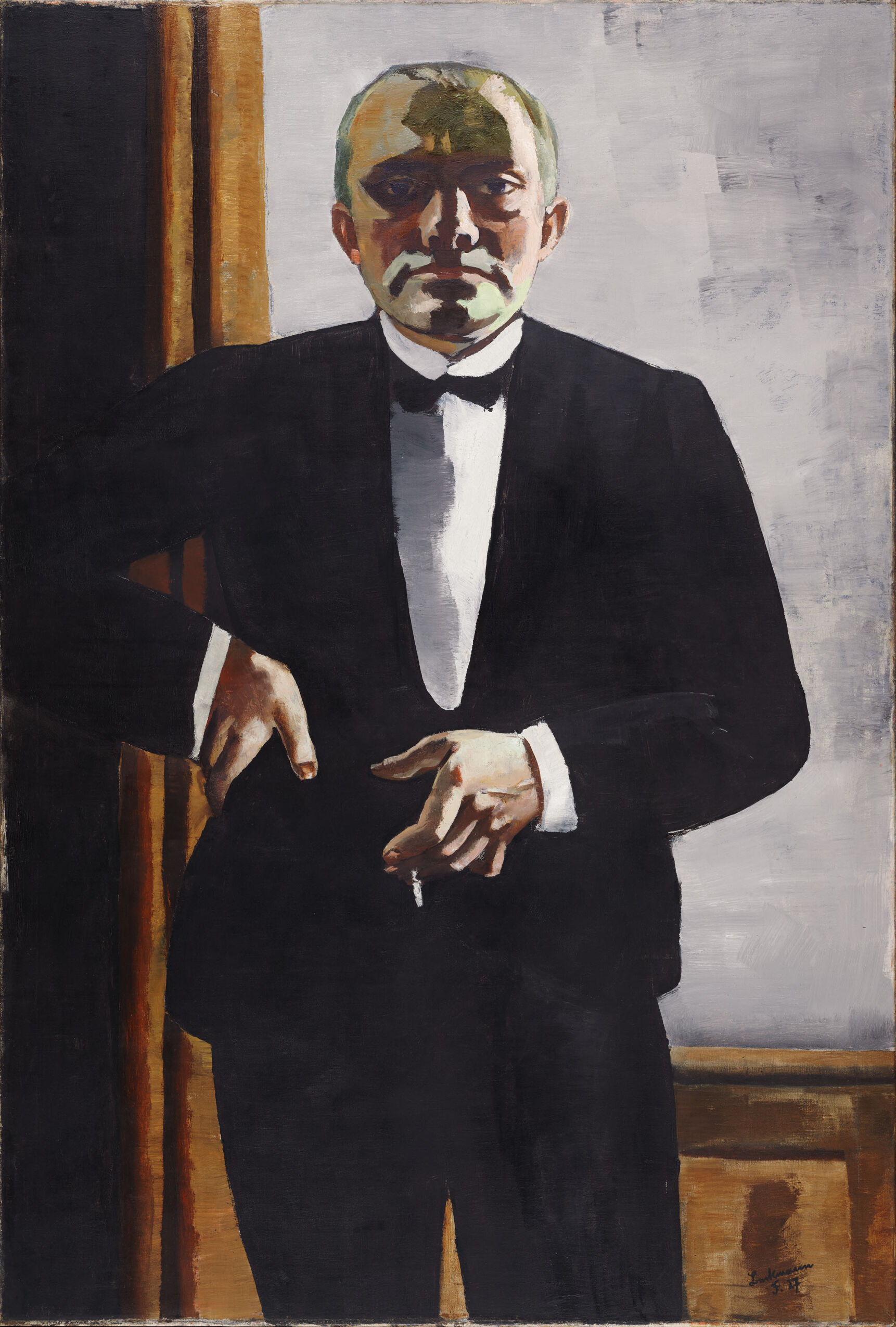
The canvas doesn’t lie — it simply waits. In a world cloaked in uncertainties, can we recognize the fragile beauty of what remains? Look to the left at the rich, dark tones enveloping a solitary figure. A man stands poised, caught in a moment that feels both heavy and fleeting, his expression morphing between contemplation and resignation.
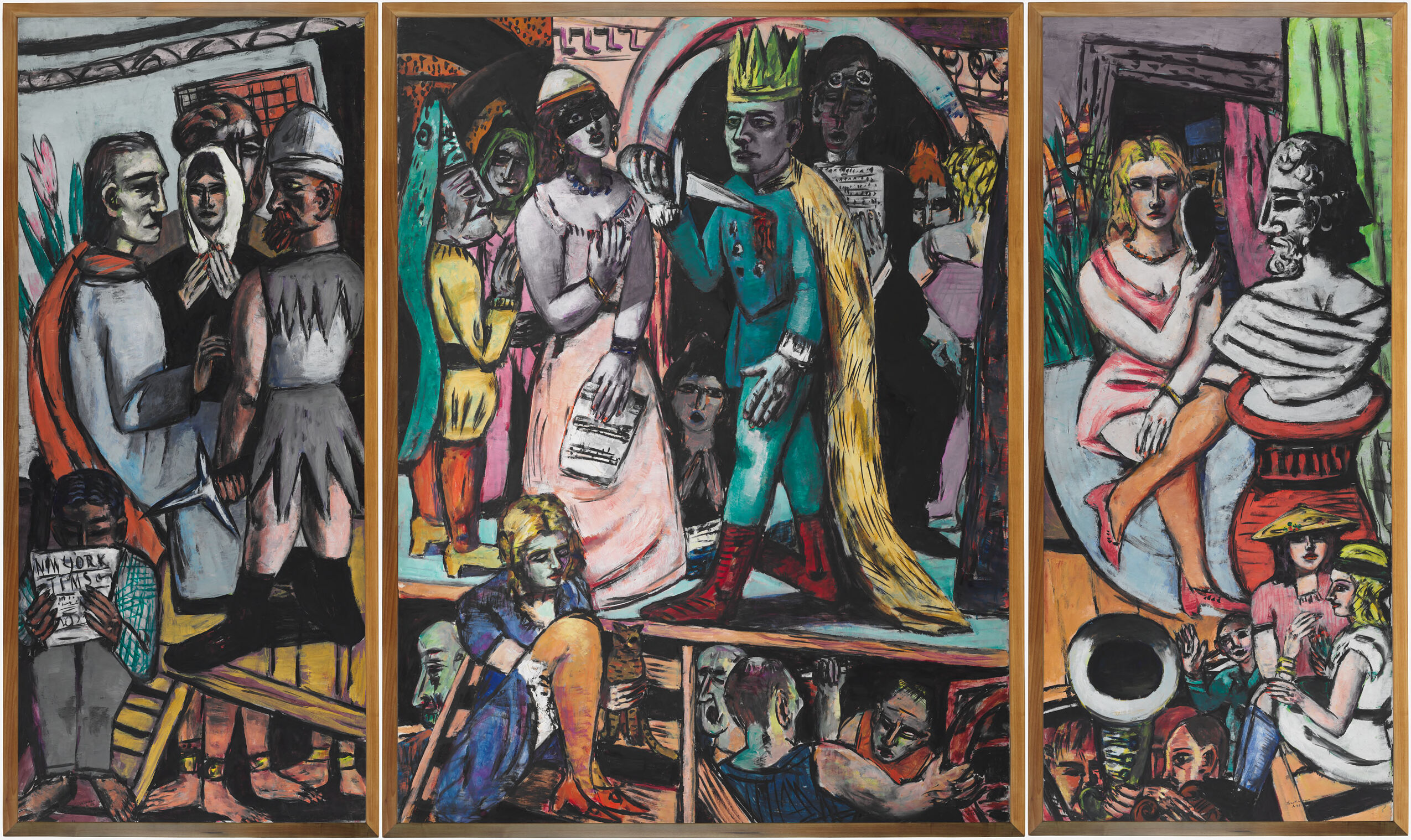
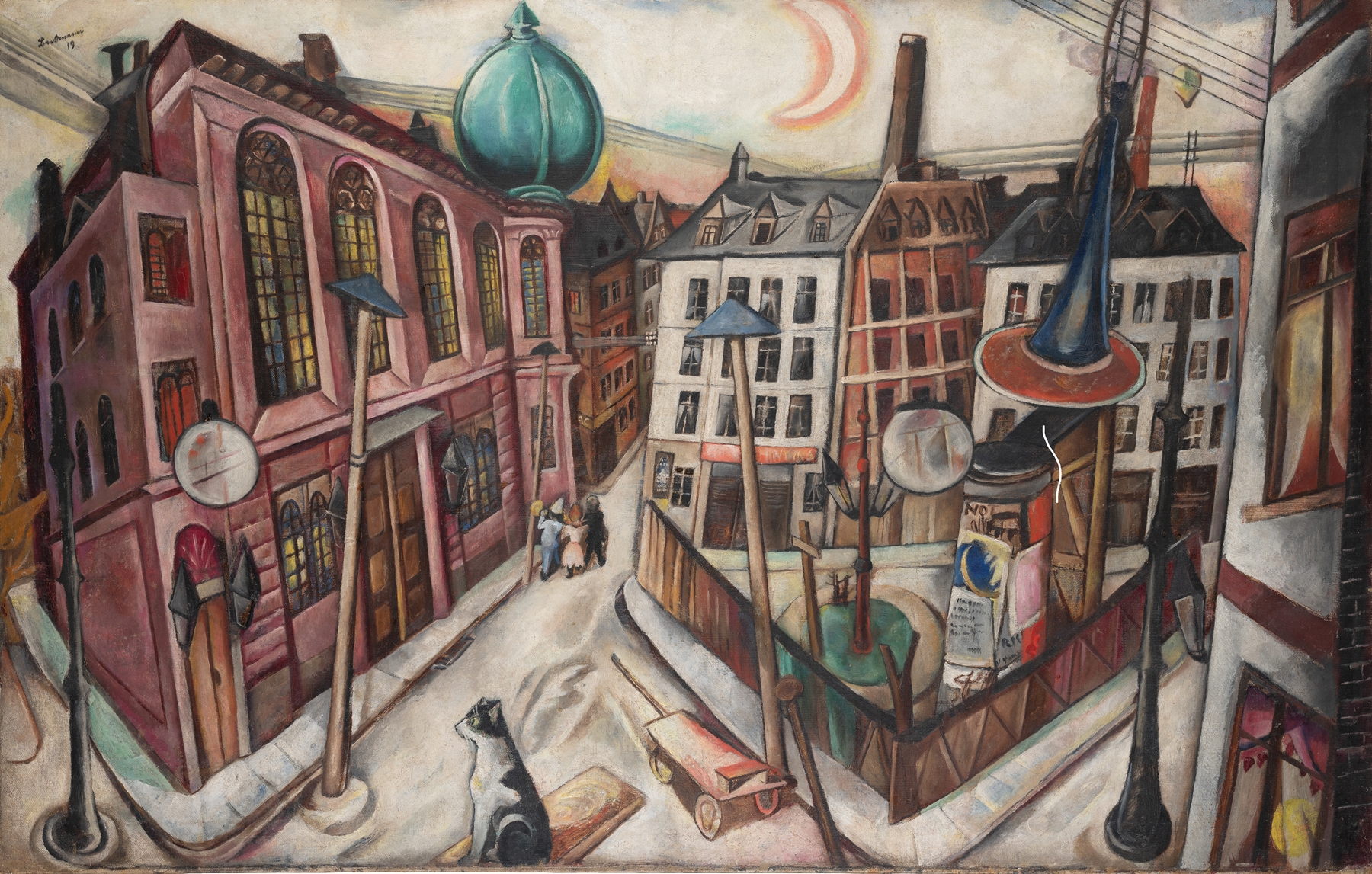
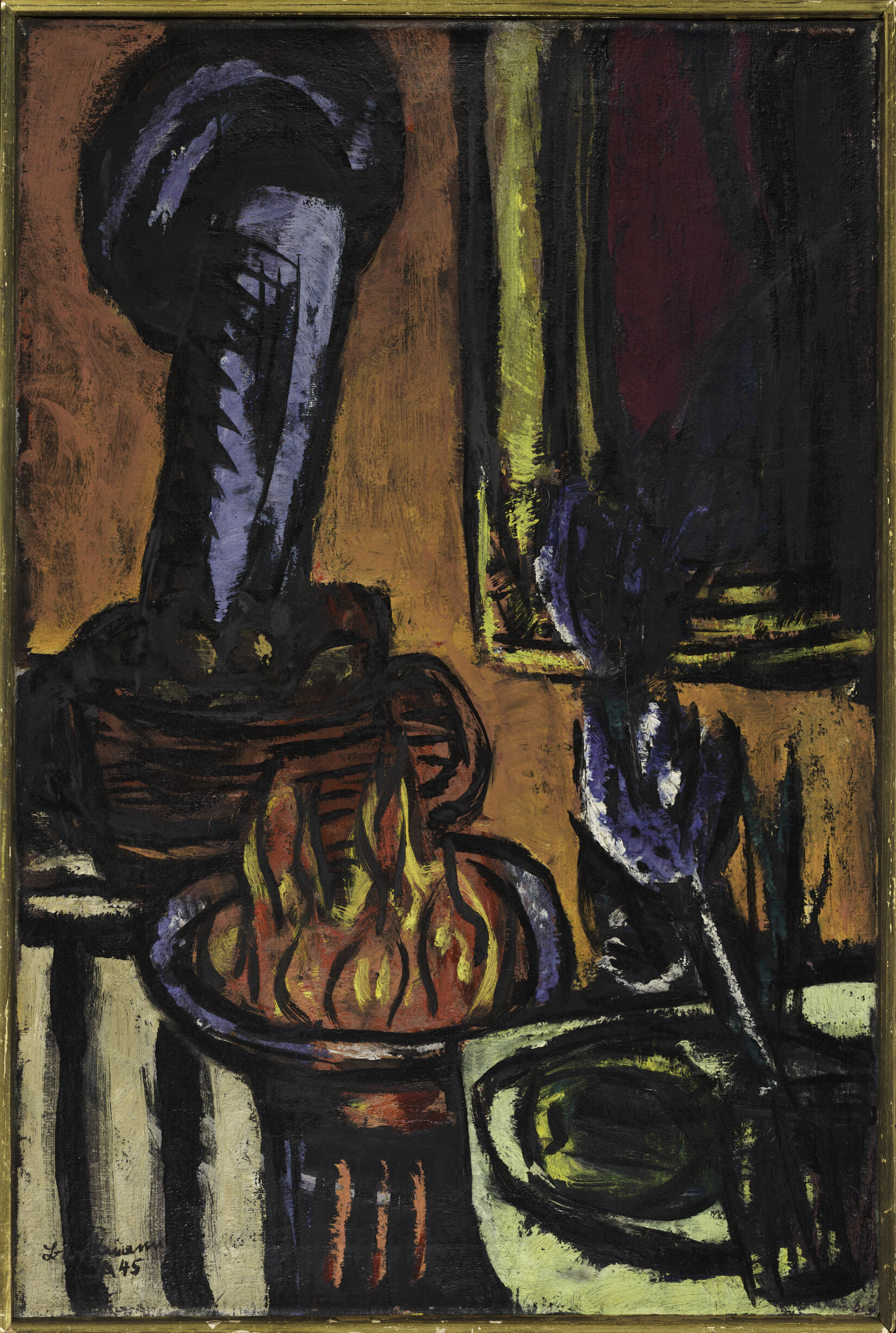
The vibrant reds and ochres that fill the space around him ignite tension, suggesting a turbulent past that echoes through the very brush strokes. Notice how the vivid hues contrast with the muted, cool shadows, creating a visual dialogue that speaks of both chaos and serenity. Delve deeper into the details—the man’s fractured reflection in the glass, a metaphor for the fractured identity of post-war existence. Each sharp corner and angular line hints at the struggles of a society grappling with loss and renewal.
The juxtaposition of the figure against the chaotic backdrop creates a poignant contrast, underscoring the fragility of hope amidst the wreckage of a city that bears the scars of its history. In 1948, Max Beckmann was living in New York after fleeing the turmoil of Nazi Germany. This painting emerged during a time of profound transition for the artist, reflecting his grappling with themes of alienation and the human condition. As the art world began to shift towards abstract expressions, Beckmann remained deeply rooted in the emotionally charged representation of life, navigating his own pain while capturing the universal fragility of the human spirit.