Spitz in der Wachau — History & Analysis
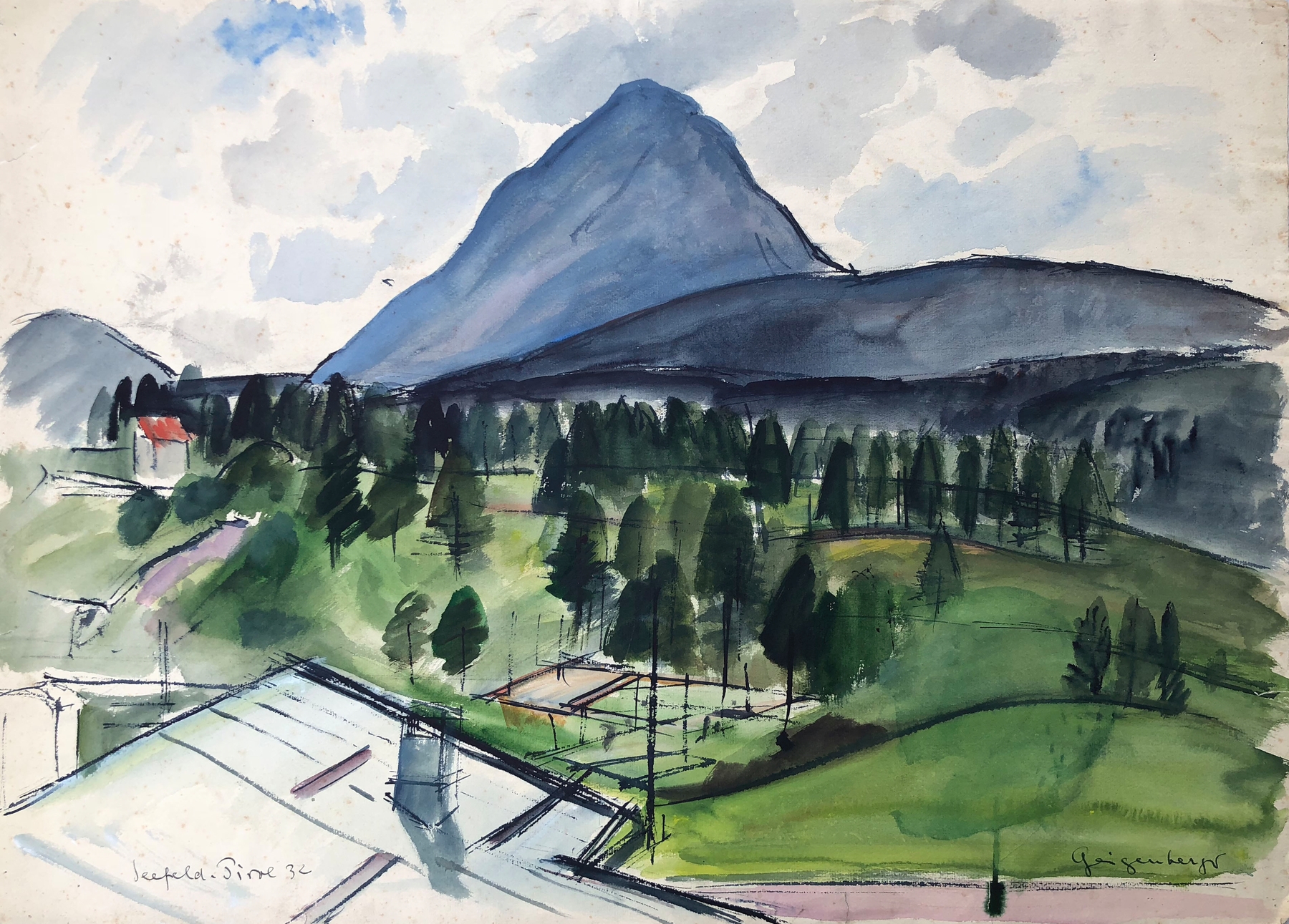
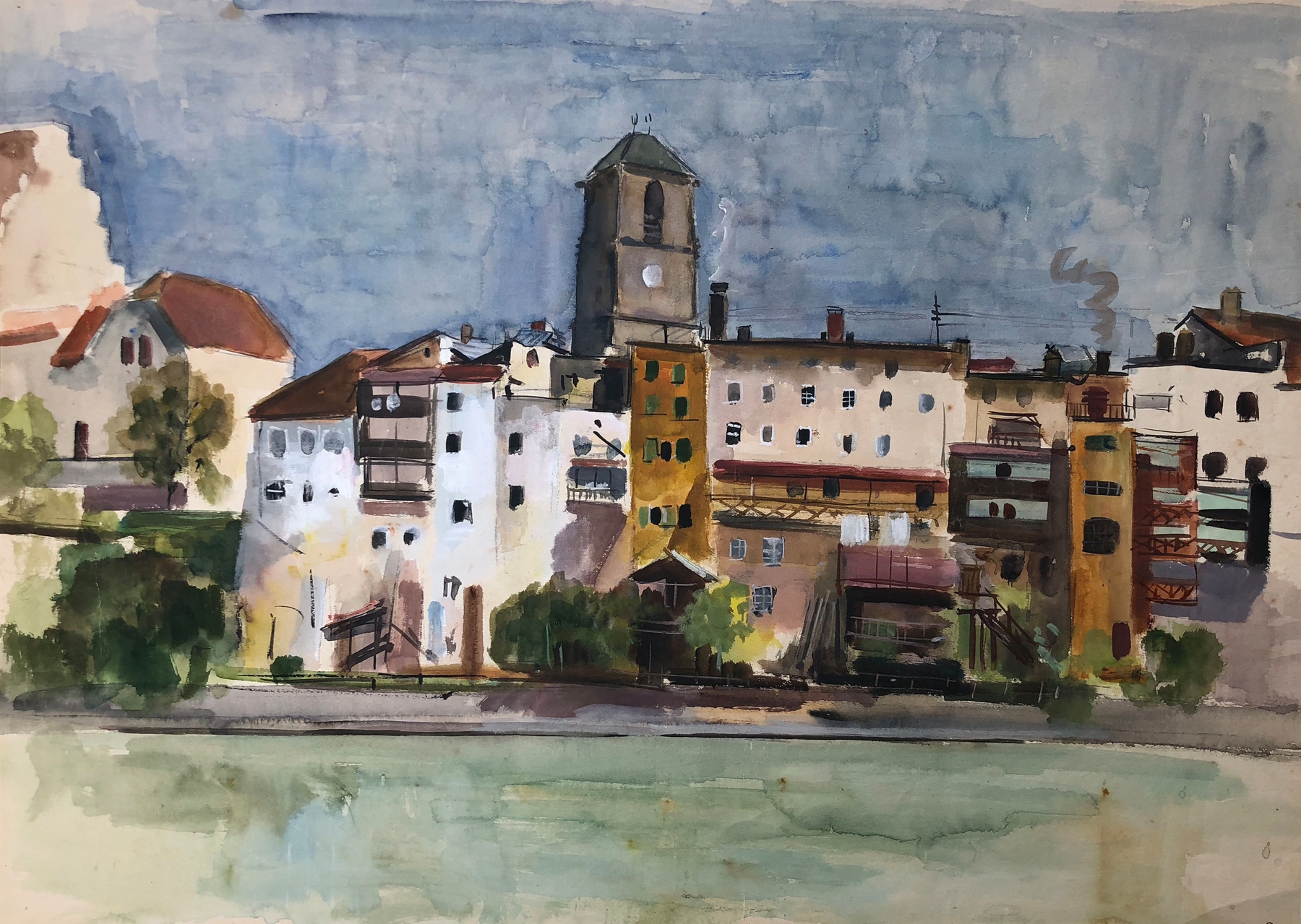
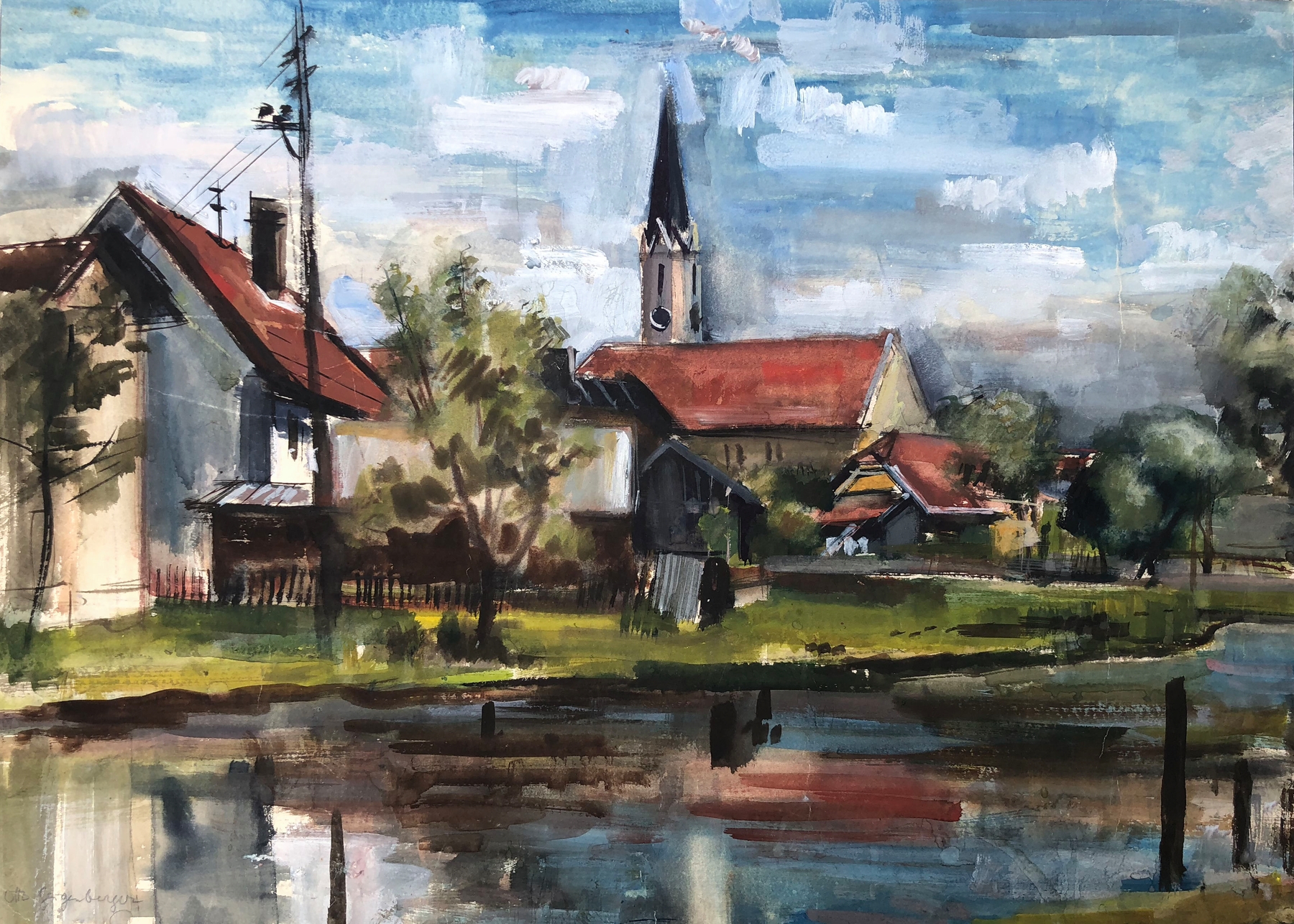
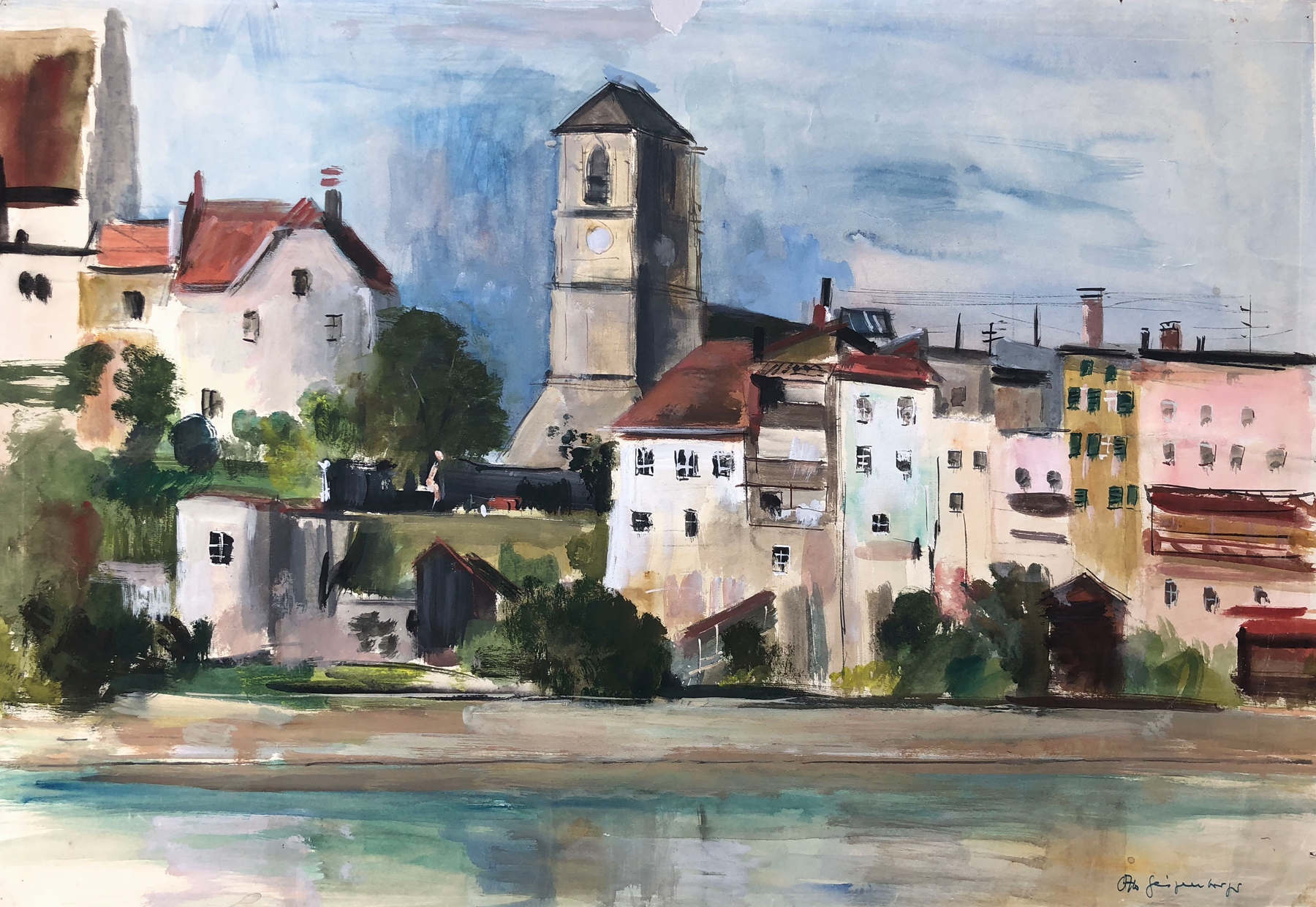
“Sometimes beauty is just pain, disguised in gold.” This sentiment captures the essence of a moment when joy and trepidation intertwine, revealing the fragility of life itself. The interplay of light and shadow in a landscape can evoke both wonder and unease, urging us to look deeper beneath the surface. Focus first on the vibrant hues of the landscape, where the lush greens of the valley meet the delicate blues of the sky. Notice how the river flows through the scene, its winding path drawing the eye toward the distant mountains.
The artist’s brushstrokes create a sense of movement, as if the viewer is invited to journey along the water’s edge. The colors, rich and saturated, evoke a sense of nostalgia while the sharp contrasts hint at underlying tensions. In the distance, the peaks loom large, a reminder of nature's grandeur and unpredictability. This juxtaposition of serene beauty against the powerful mountains speaks to the fear that accompanies such awe.
It's a delicate balance; the idyllic landscape might seem inviting, yet the ominous shadows cast by the towering cliffs suggest a lurking danger, whispering of the unpredictability of life itself. Created in 1938, during a time of mounting political tension in Europe, the work reflects Otto Geigenberger’s experiences as a German artist grappling with the rise of fascism. Living in Vienna, he was immersed in a world of change, where artistic expression became a means of navigating an uncertain future. This painting captures not just a moment in nature but also the collective anxiety of its era, a testament to the power of art to evoke emotion amidst chaos.