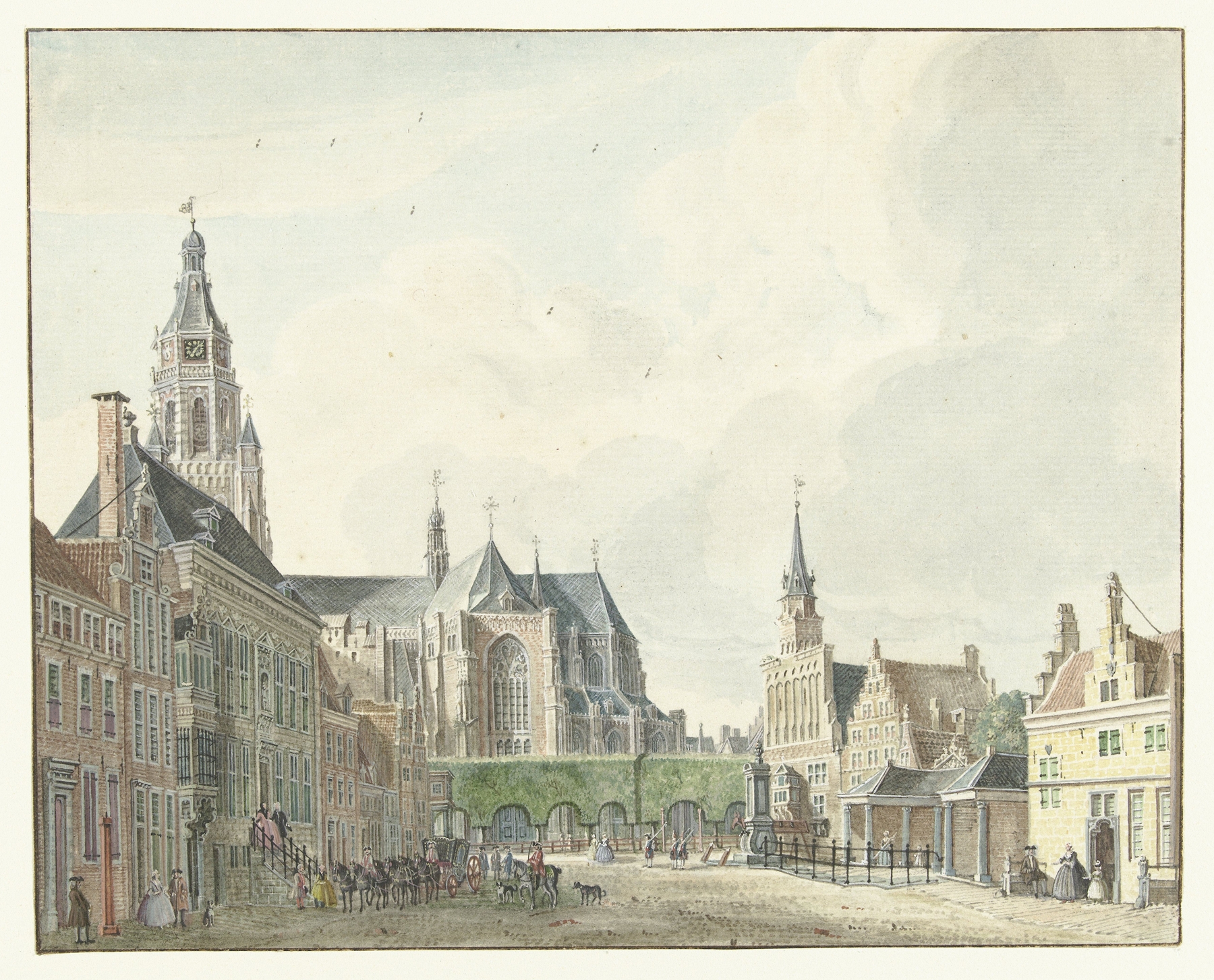
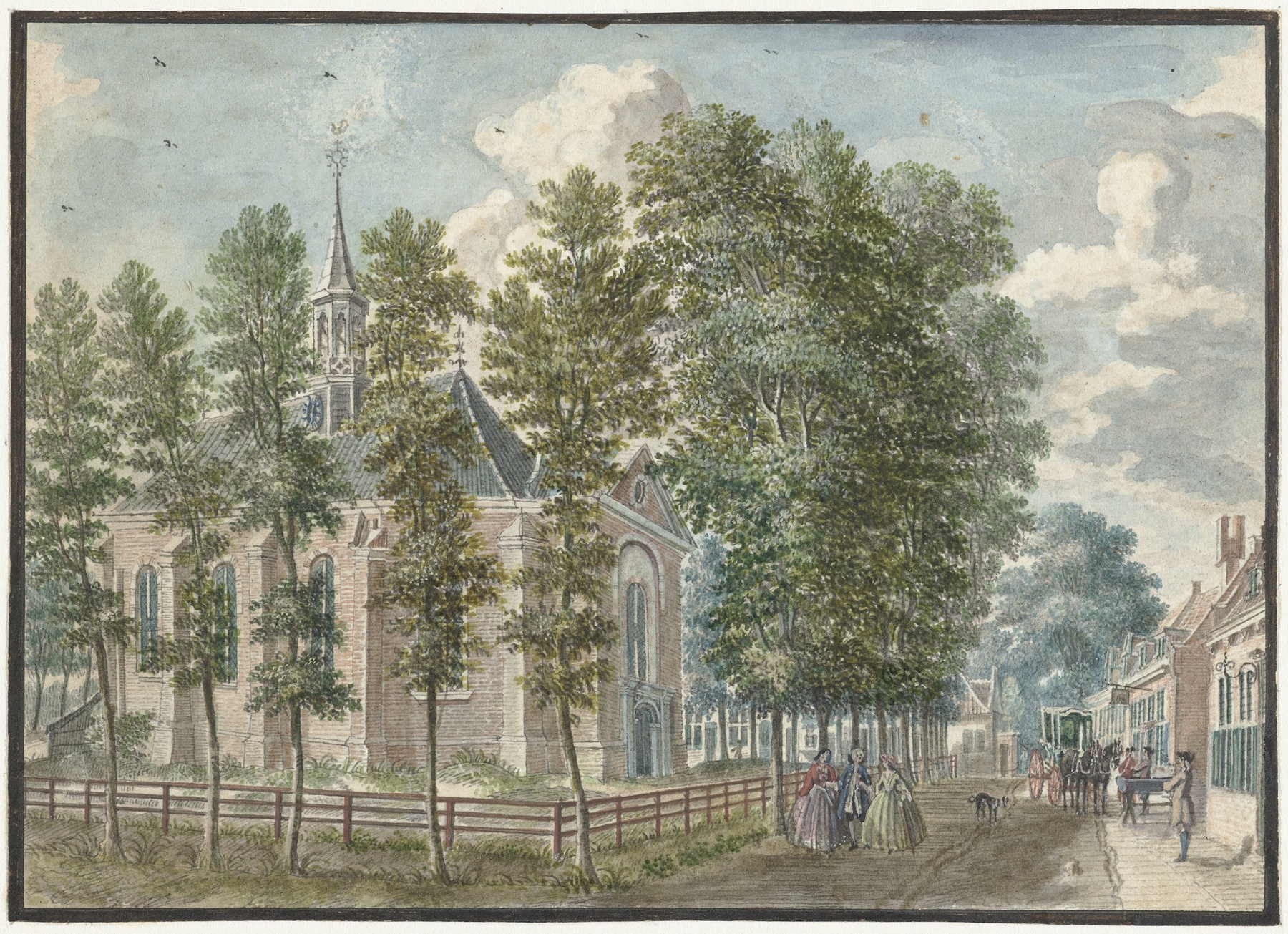
St. Martini in Emmerich von Osten — History & Analysis
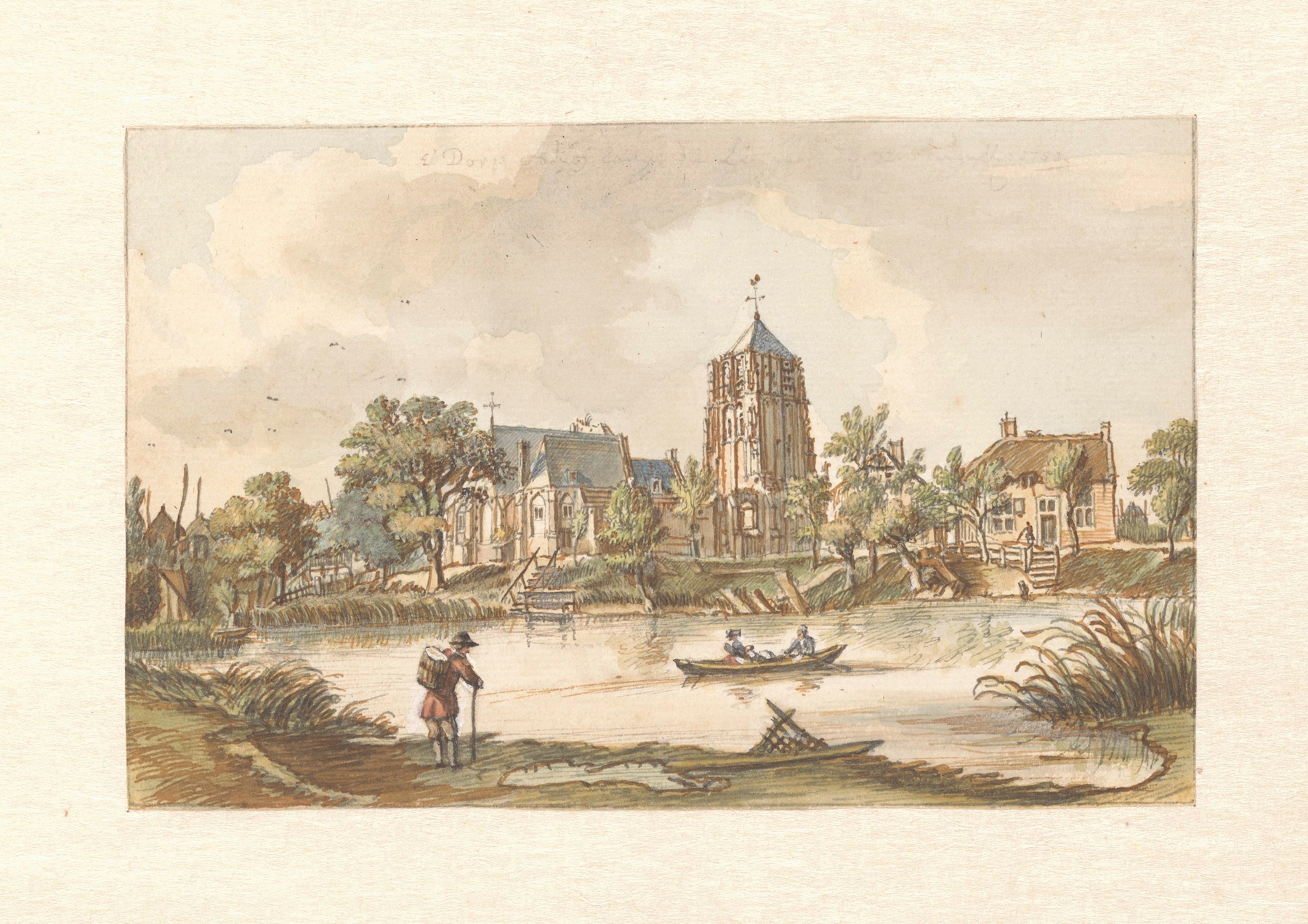
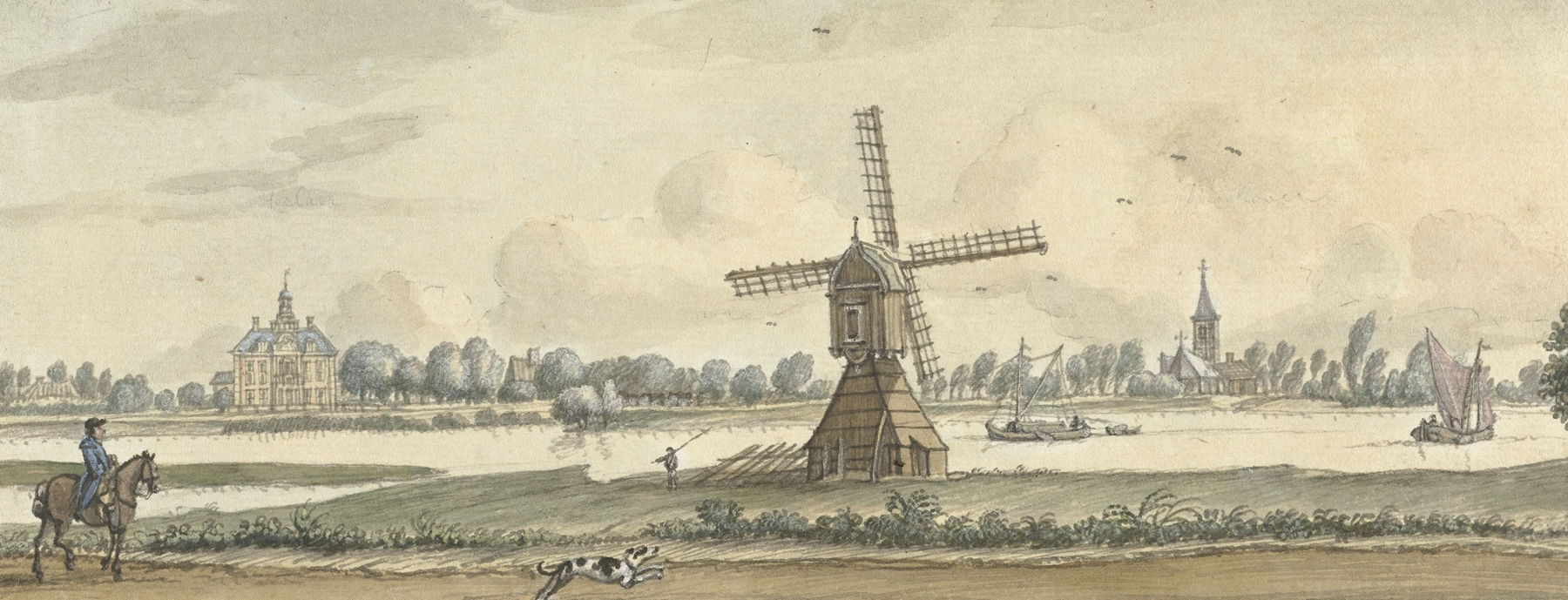
Could a single brushstroke hold eternity? In the delicate layers of paint, we find ourselves immersed in a vision of reverence, where the divine intertwines with the earthly. Look to the right at the intricate details of the church’s architecture, where the steeple rises majestically against the clear sky. Notice how the artist captures the gentle play of light on the weathered stones, offering a sense of warmth and solidity. The muted color palette, dominated by soft blues and earthy browns, harmonizes the scene, inviting the viewer to explore the depth of the landscape and the stillness of the moment.
Each stroke is purposeful, drawing our gaze to the tranquil beauty of the setting. Within this serene composition lies a profound contrast between the permanence of the church and the ephemeral nature of life. The shadows cast by the steeple speak of time passing, while the vibrant sky hints at the infinite — a reminder of the divine. The peaceful scene evokes contemplation and connection, as if the viewer stands at the threshold of the sacred and the profane, bridging heaven and earth.
Jan de Beijer painted this work during the late 18th century, a time of burgeoning artistic exploration in the Dutch Republic. Amidst the shift from Baroque to neoclassical styles, he sought to capture the essence of his surroundings, revealing both a deep appreciation for his heritage and an emerging sense of individual expression in landscape painting. This period was marked by a search for identity, and in St. Martini in Emmerich von Osten, we see his dedication to portraying not just a place, but a feeling — a connection to the divine in the everyday.