Stacks of Wheat (End of Day, Autumn) — History & Analysis
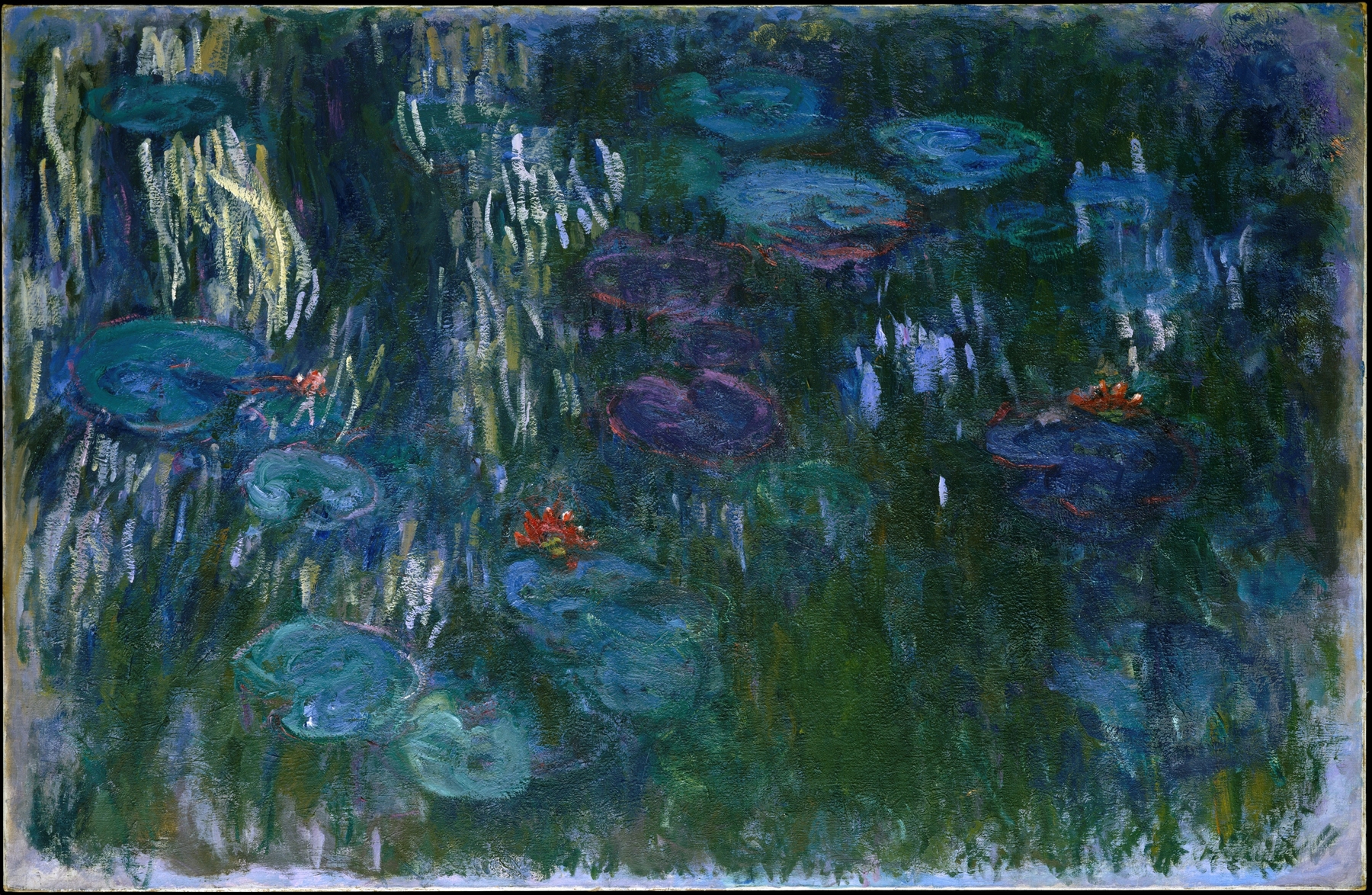
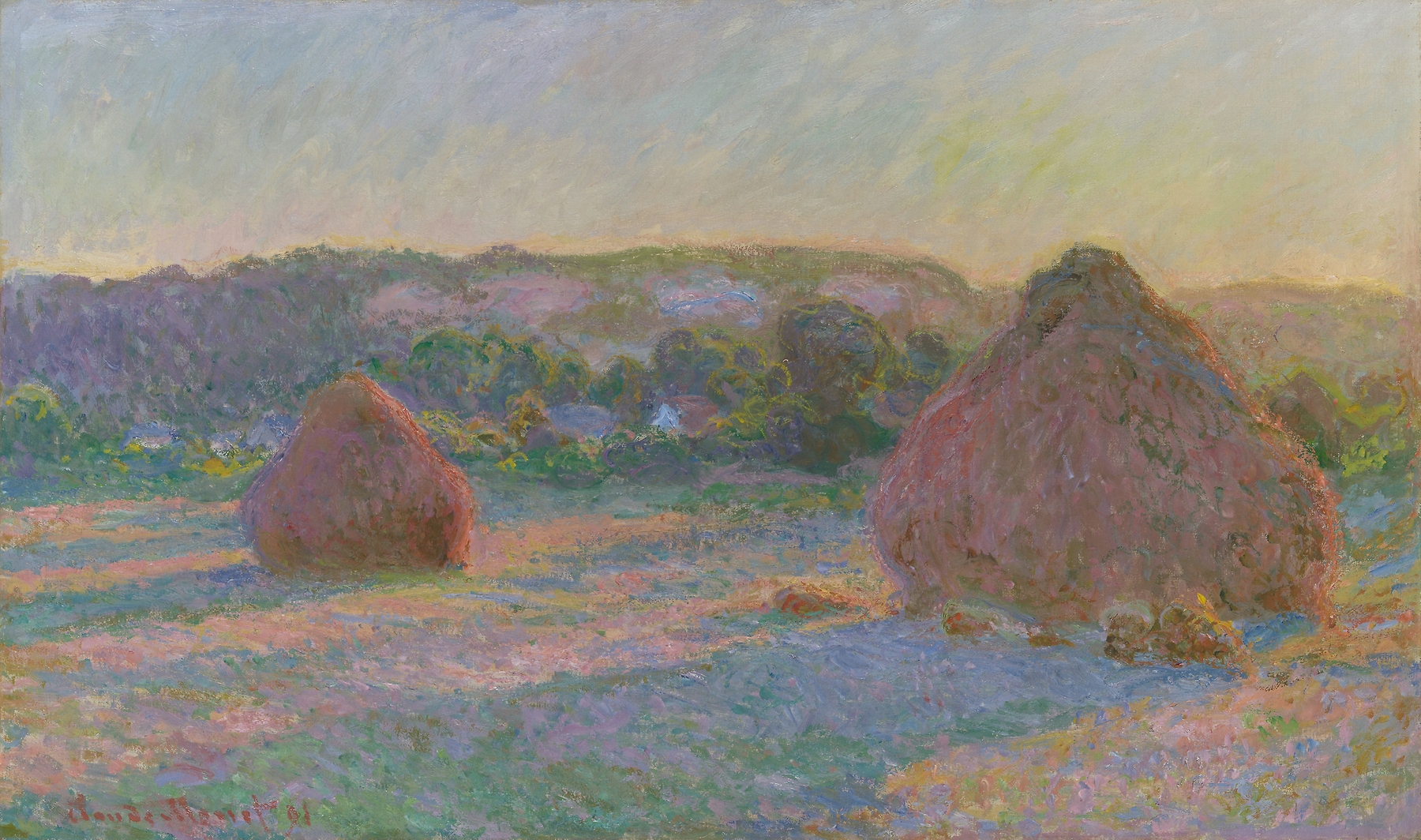
Where does light end, and longing begin? In Stacks of Wheat (End of Day, Autumn, Monet captures that elusive threshold between day’s departure and night’s embrace, a poignant exploration of balance. Focus on the horizon, where the sun dips low, casting a warm golden hue over the sprawling fields. Notice how the stacks of wheat, painted with thick, expressive brushstrokes, rise like sentinels against the soft, fading light. The palette transitions from vibrant yellows to deep blues, illustrating the gradual shift from day to night.
This careful interplay of color not only enhances the depth of the scene but also evokes a serene yet melancholic atmosphere, inviting contemplation. Delve deeper into the painting's emotional resonance. The juxtaposition of the vibrant wheat against the encroaching darkness symbolizes a fleeting moment of abundance before the stillness of night. Each stack hints at the labor and life of the harvest season, yet they also evoke a sense of solitude and introspection.
The subtle gradients of light and shadow create an almost tangible tension between the joy of the harvest and the inevitability of rest, encapsulating the bittersweet nature of time passing. During the late 1880s and early 1890s, Monet painted this work in his garden in Giverny, a period rich with his exploration of light and color. At this time, he was embracing plein air techniques, capturing the essence of his surroundings with immediacy. The world of art was evolving, with Impressionism firmly established yet still being met with resistance, locking him in a dialogue between tradition and innovation as he sought to depict the ephemeral beauty of the natural world.