Stoke-by-Nayland — History & Analysis
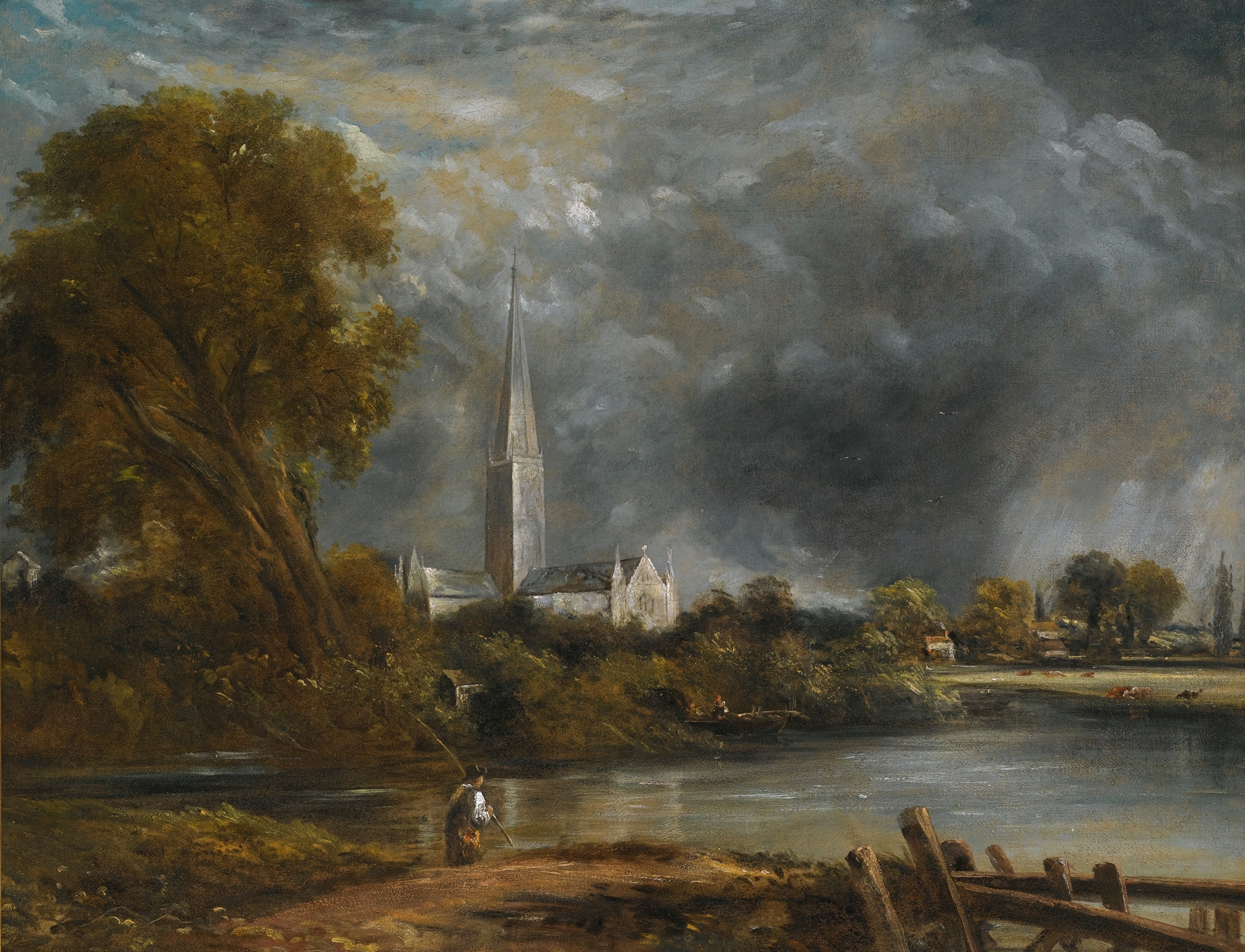
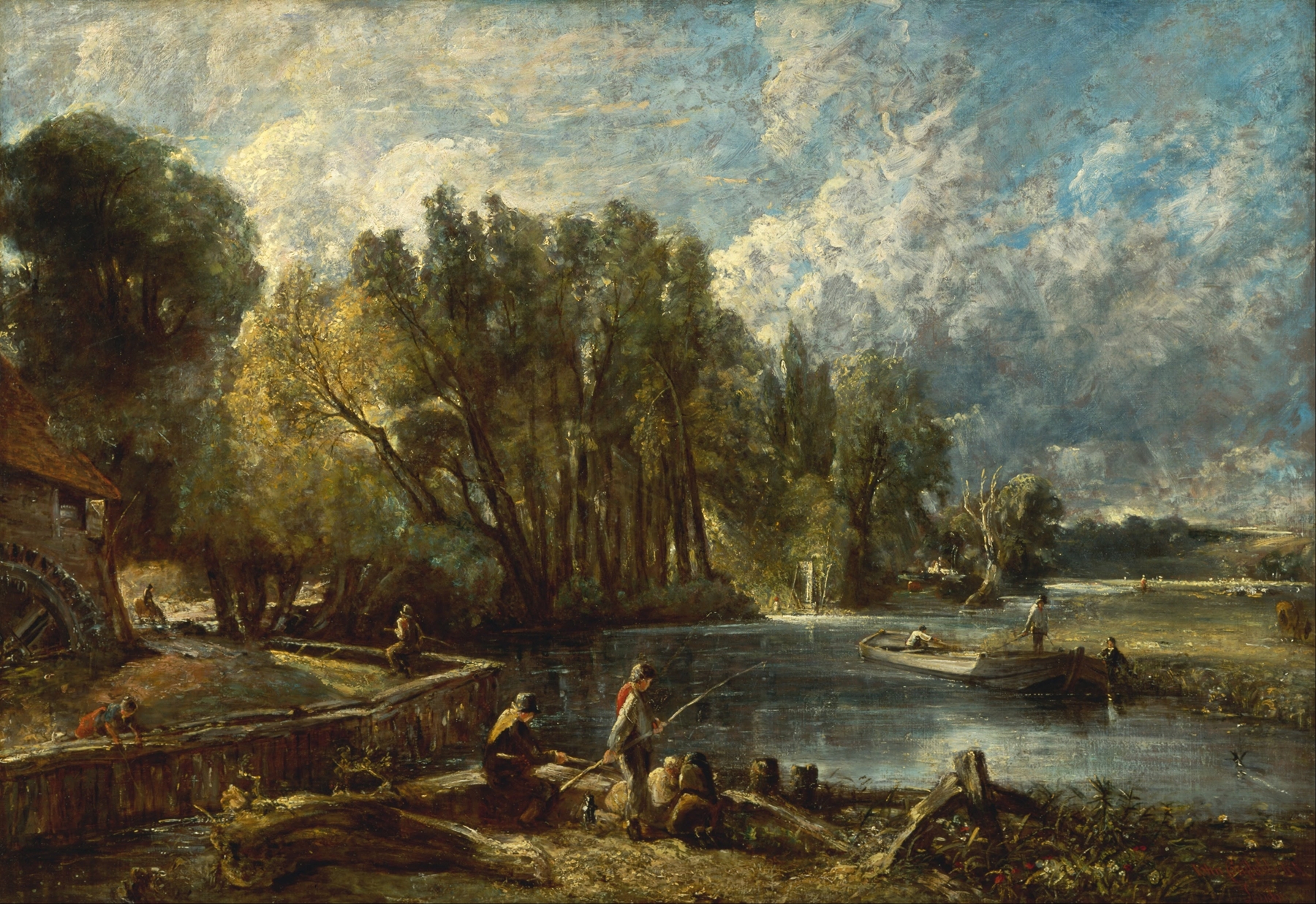
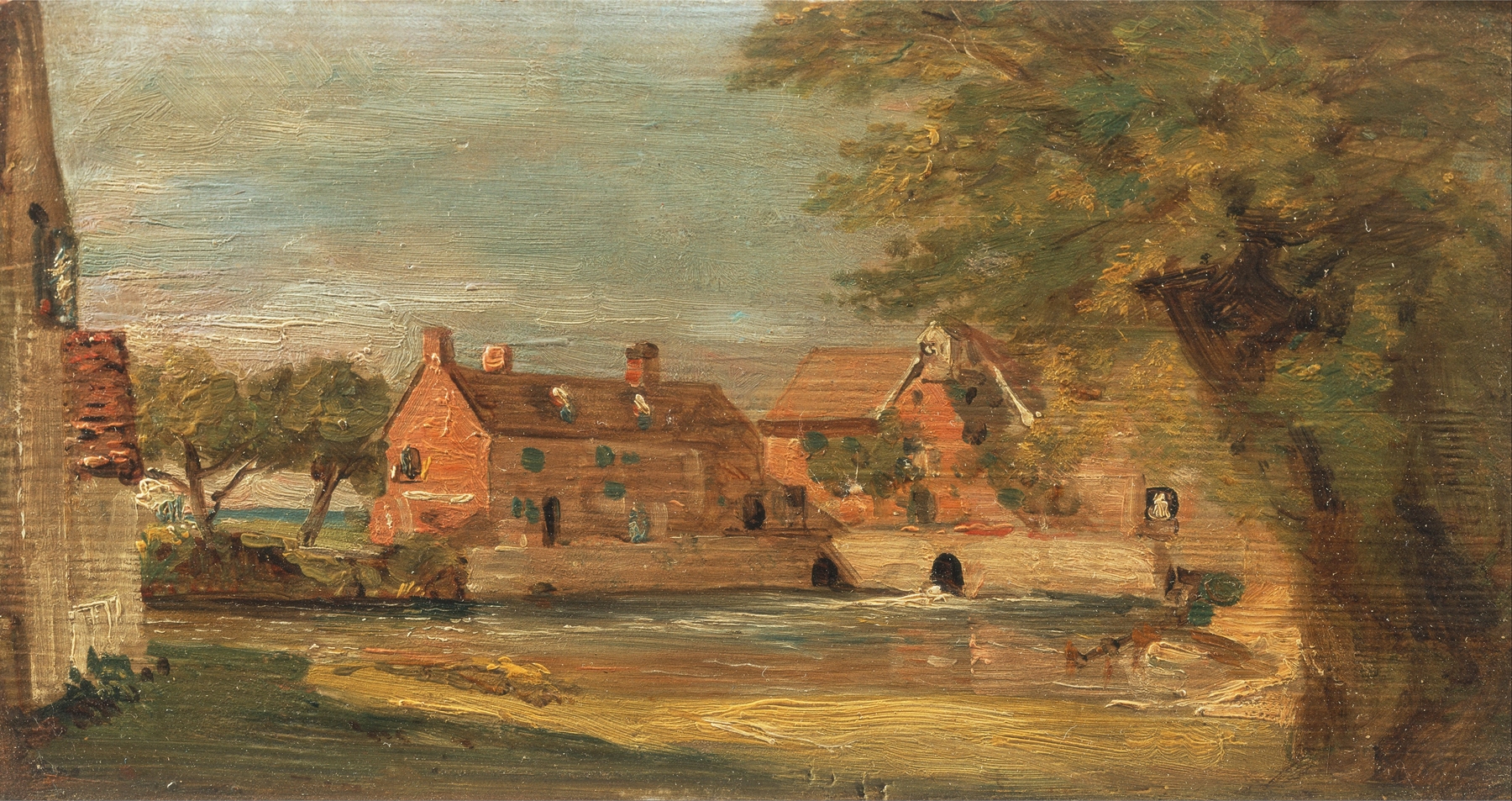
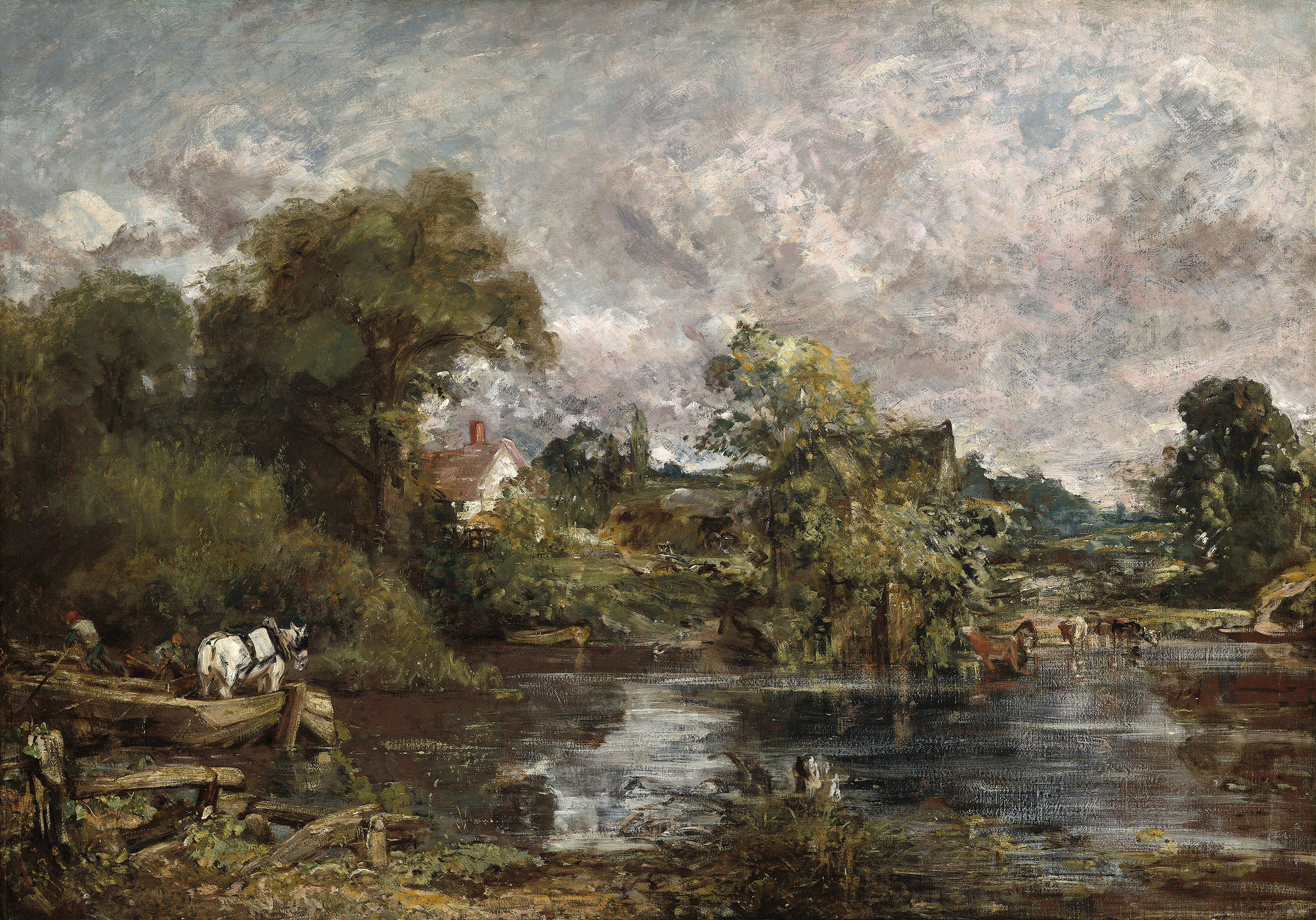
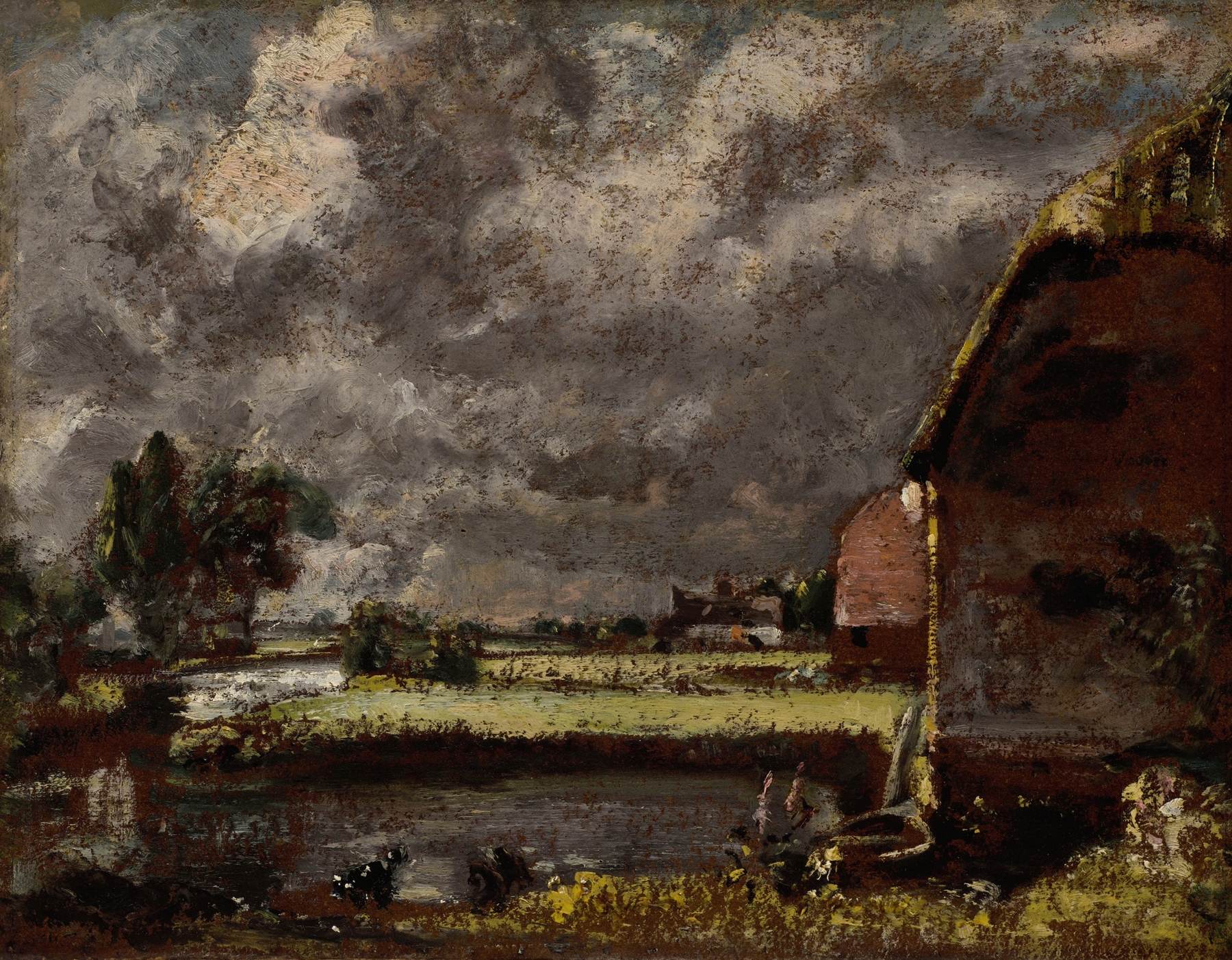
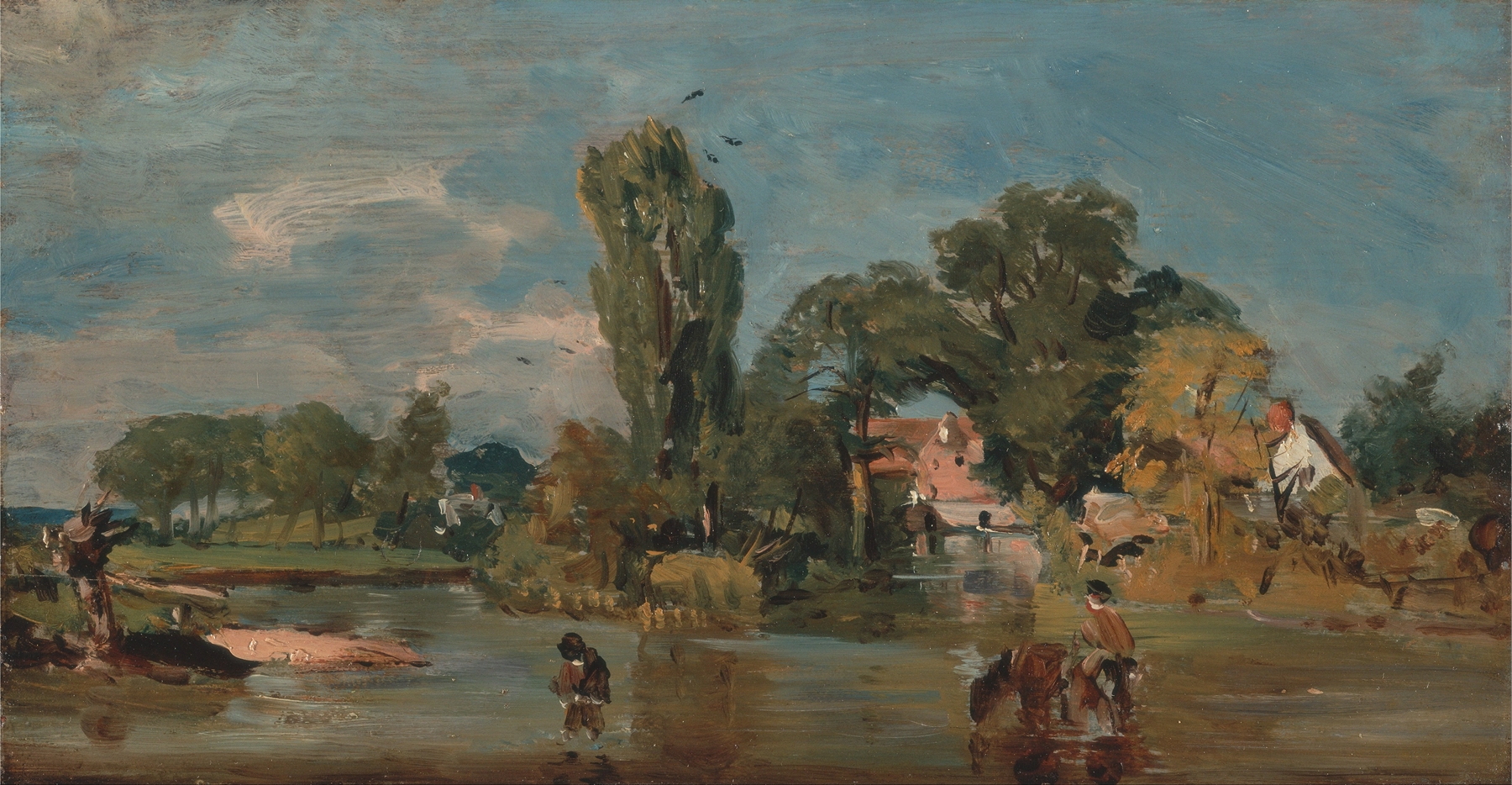
Did the painter know this moment would outlive them? In Stoke-by-Nayland, a quiet stretch of English countryside unfolds, where time seems suspended, yet whispers of betrayal and nostalgia linger in the air. Look to the left at the sprawling fields, each stroke of green contrasted against the soft blues and grays of the sky, hinting at an afternoon that is both serene and fraught. The gentle undulations of the land draw your gaze toward the village nestled in the distance, a patchwork of rooftops and trees that symbolize both home and distance.
Observing the play of light upon the water, one can feel the underlying tension between nature's beauty and the potential for loss, as the brushwork conveys both intimacy and distance. Interwoven within this pastoral scene are layers of emotional tension. The vibrant yet tempered palette suggests a world brimming with life, yet there’s an air of abandonment—one can sense the bittersweet allure of memories eclipsed by time. The silhouetted trees stand tall and sturdy, evoking strength, but their shadows hint at hidden fears and past betrayals, as if calling to mind a history that once thrived but is now fading from view.
In 1810-11, John Constable painted this piece while grappling with both personal and artistic challenges. The burgeoning Romantic movement was reshaping the landscape of art, as he sought to capture the essence of rural life in England. During this period, Constable's family was weathering financial difficulties, which imbued his work with a sense of urgency and longing, shaping his masterful interpretations of the world around him.