Stone Wall — History & Analysis
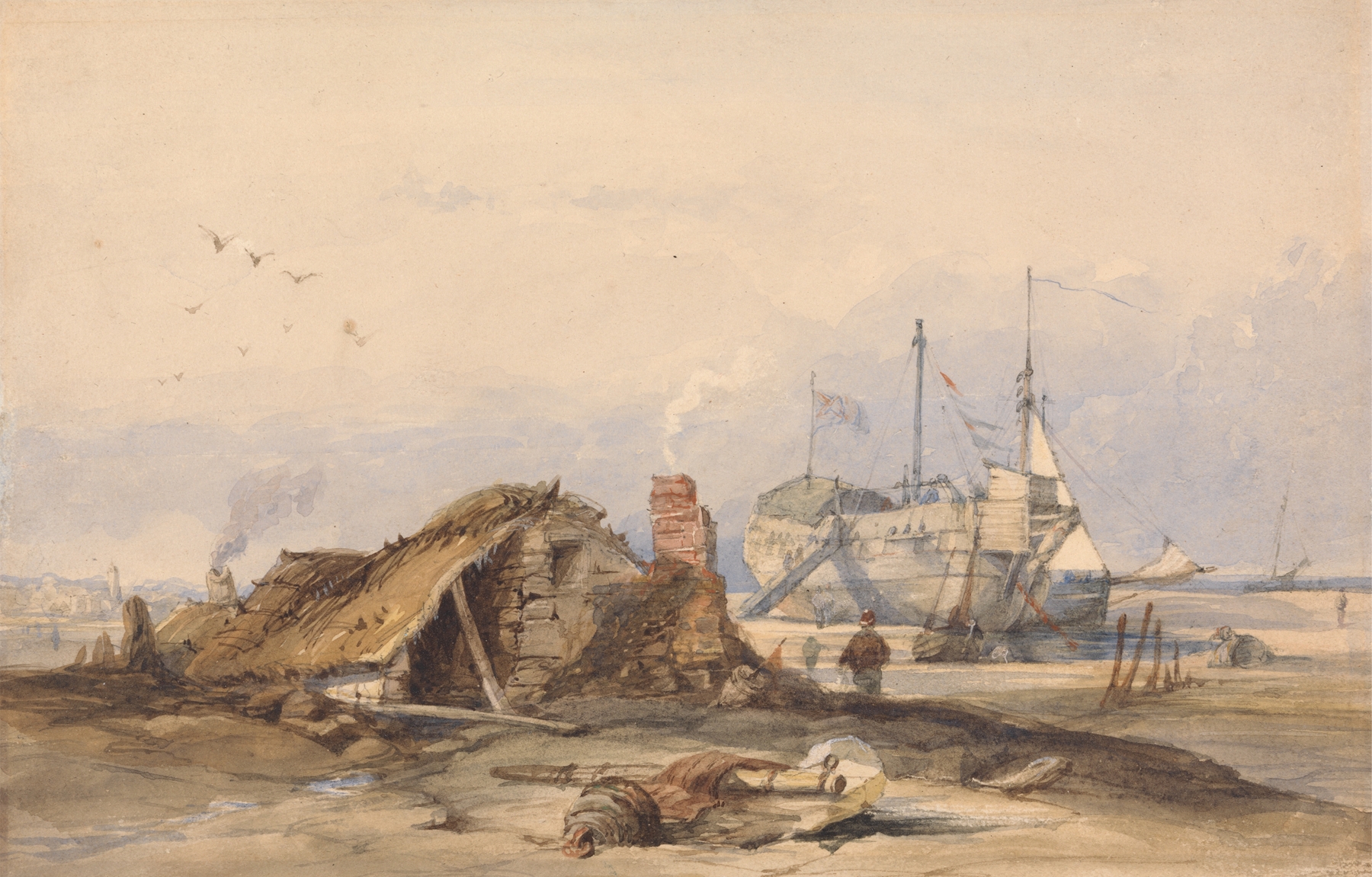
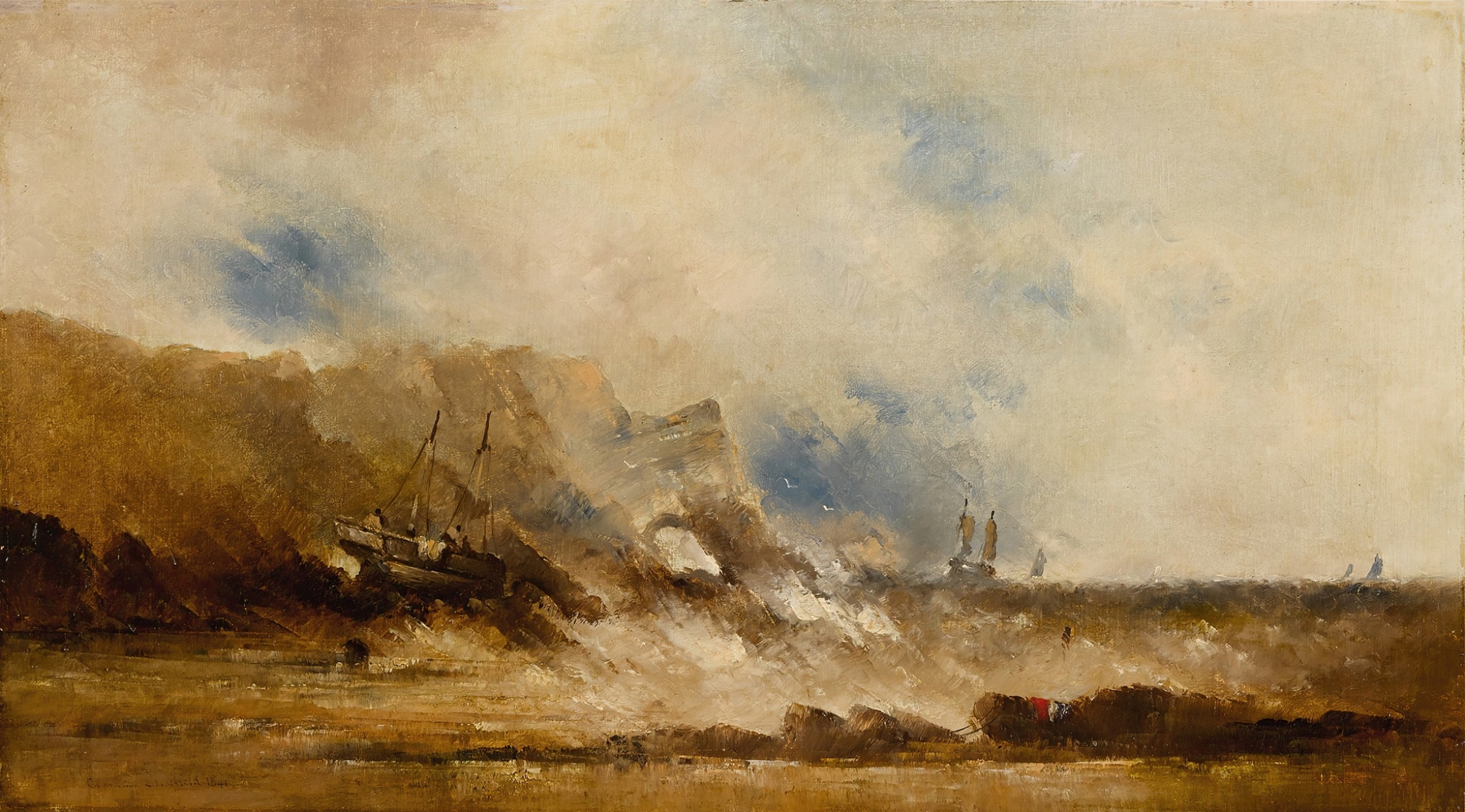
Did the painter know this moment would outlive them? A single stone wall, worn and weathered, stands stoic against the passage of time, holding secrets and whispers of the past within its silent embrace. Look to the left at the textured stones, each one a testament to endurance, etched with the markings of nature and man. Notice how the soft light casts gentle shadows, creating a visual rhythm that draws the eye across the surface.
The muted palette of grays and browns invites contemplation, while the delicate brushwork reveals an intentionality that breathes life into the inanimate, allowing even a wall to evoke emotion. Beneath the surface lies an inherent tension between strength and fragility. Each stone tells a story of persistence against the elements, yet there is an underlying melancholy in their isolation. One might ponder the lives that passed by, the voices that faded, and the history embedded in every crevice.
The artist captures not just the physical form, but also the sense of time’s relentless march, prompting reflections on memory and legacy. In 1863, Clarkson Stanfield painted this piece during a period when realism was evolving within the art world. Working primarily in England, he was influenced by the burgeoning interest in capturing the essence of everyday life and the natural environment. This work stands as a poignant reflection of his ability to transform a simple wall into a vessel of emotional resonance, bridging the gap between the viewer and the timelessness of nature's artistry.