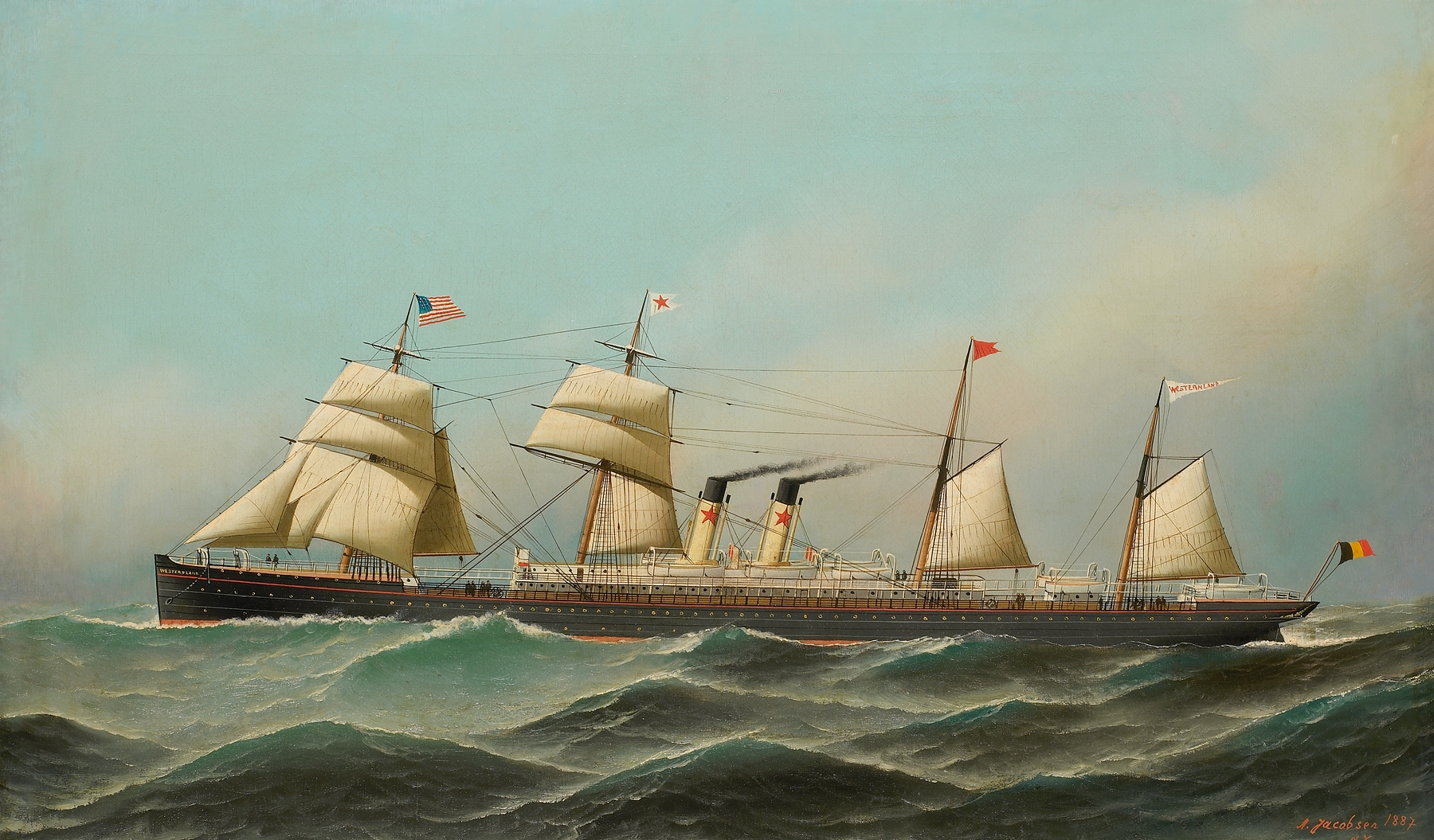
Stoomschip met hulpzeilvermogen ‘Westernland’ van de Red Star Line — History & Analysis
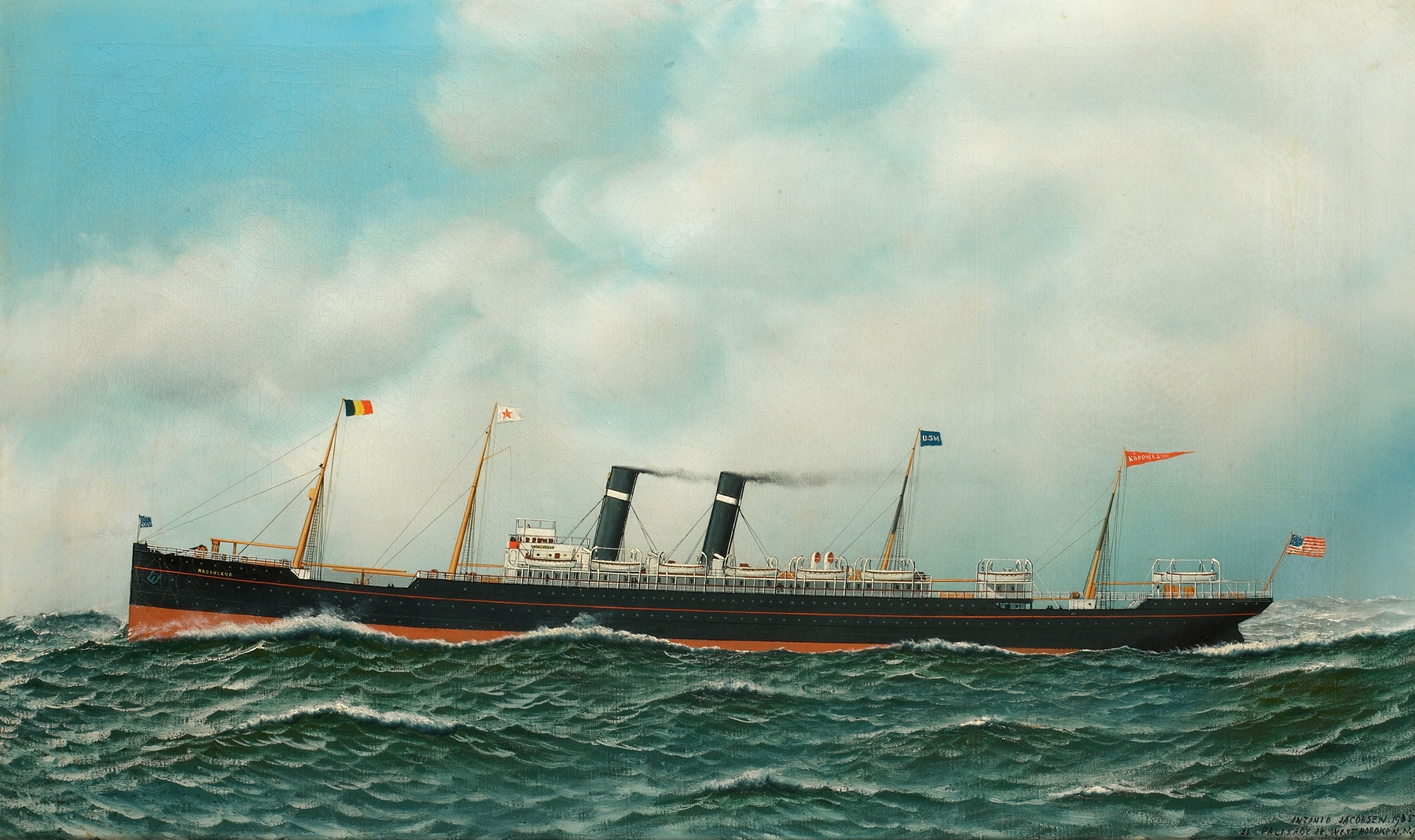
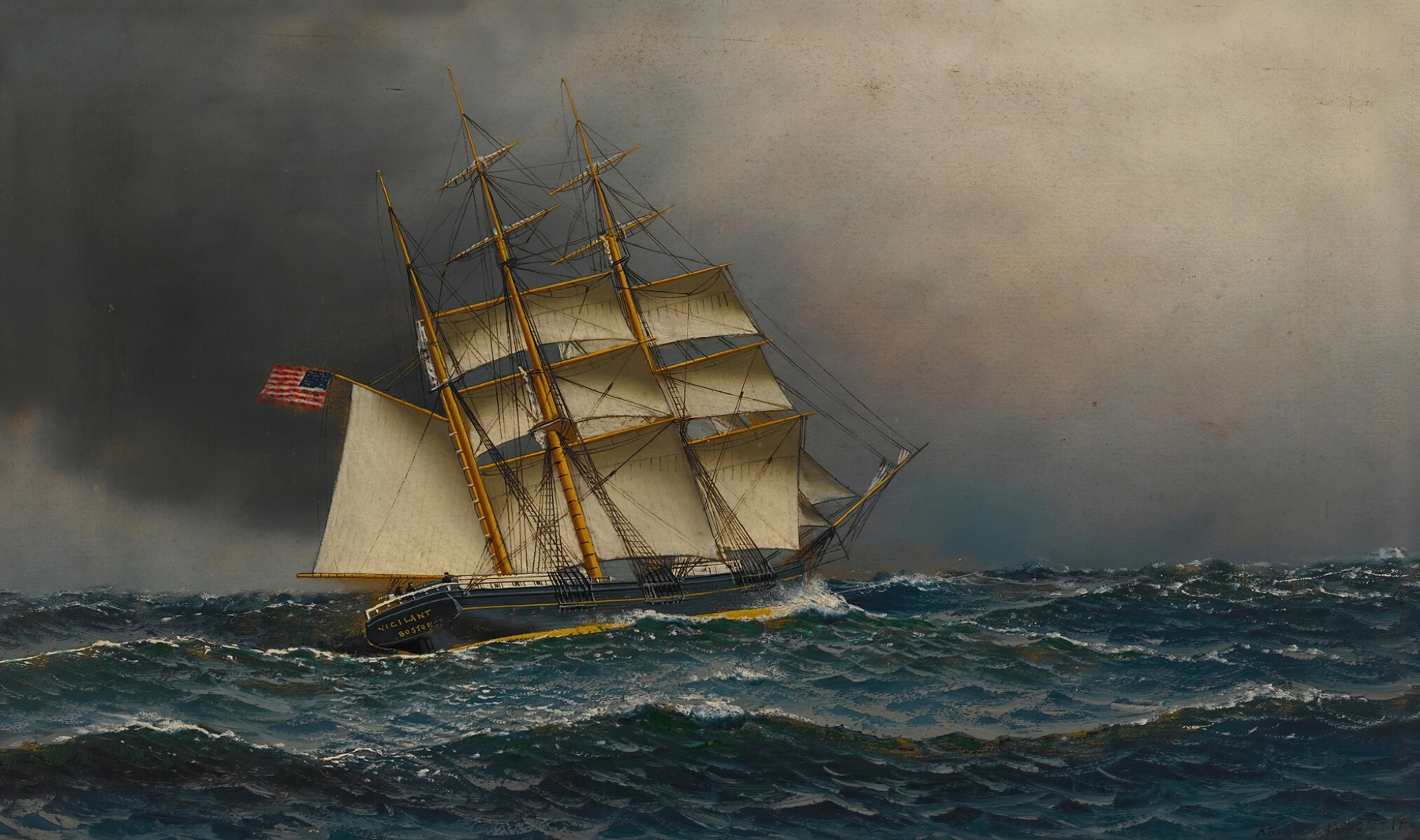
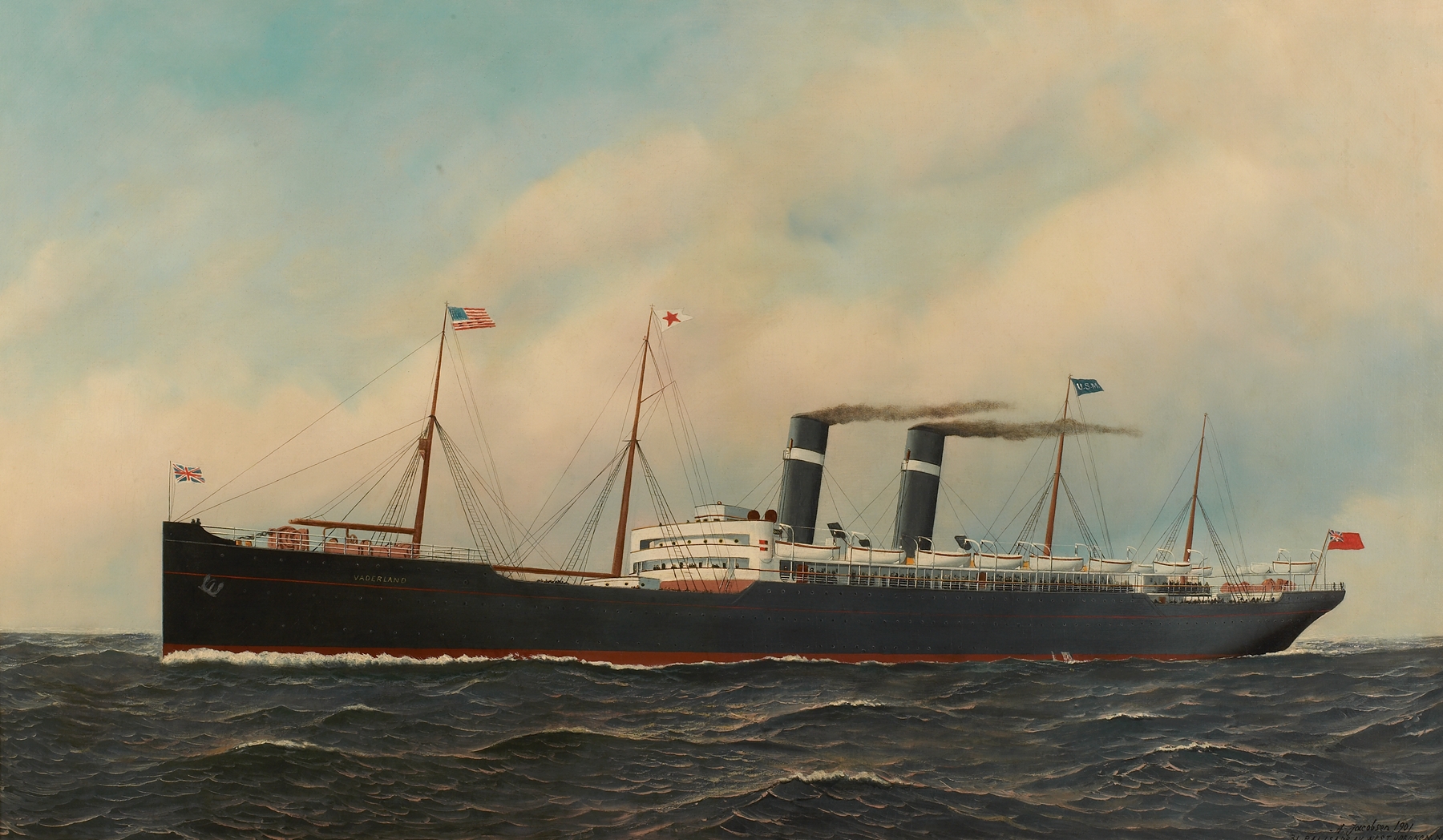
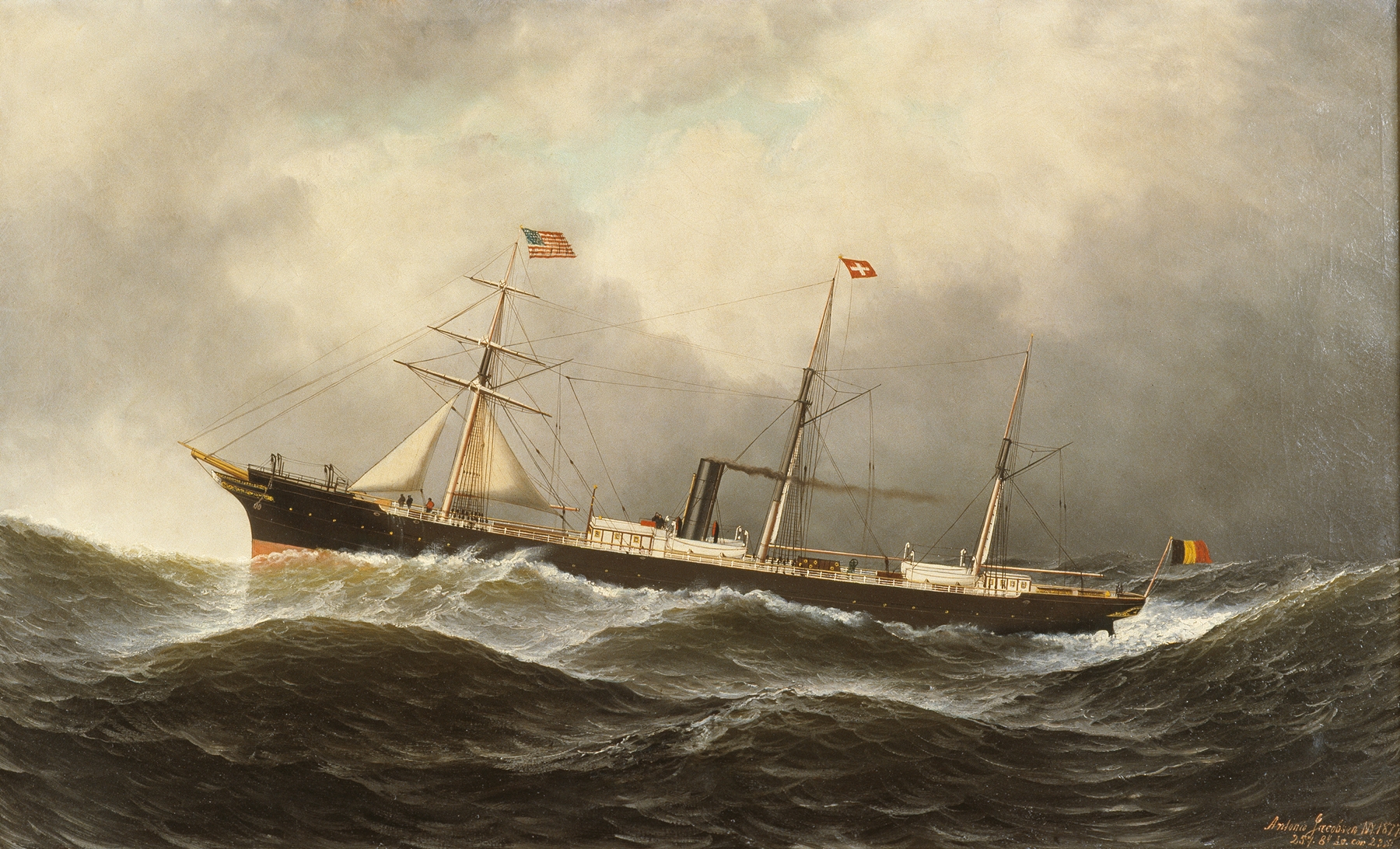
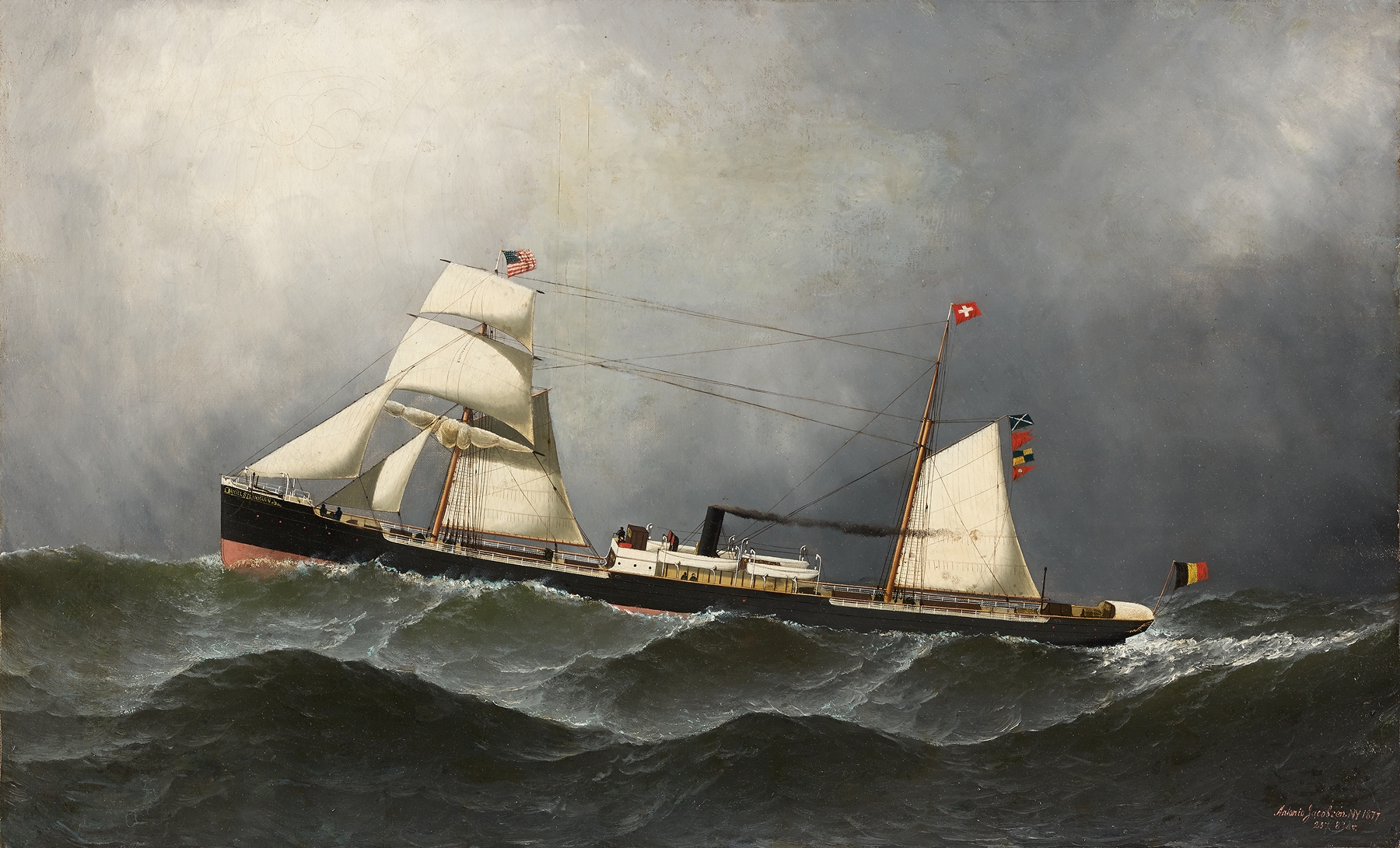
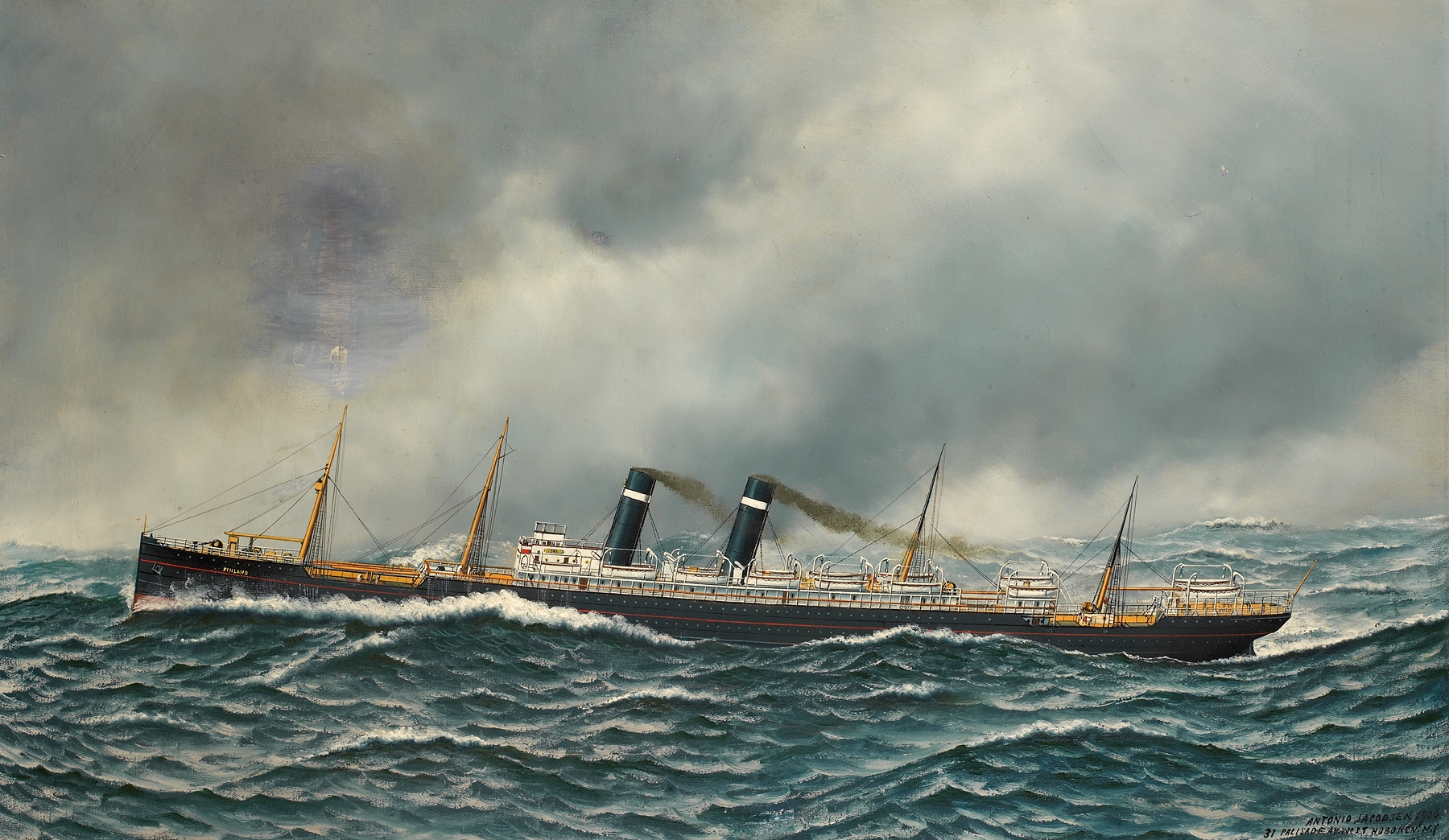
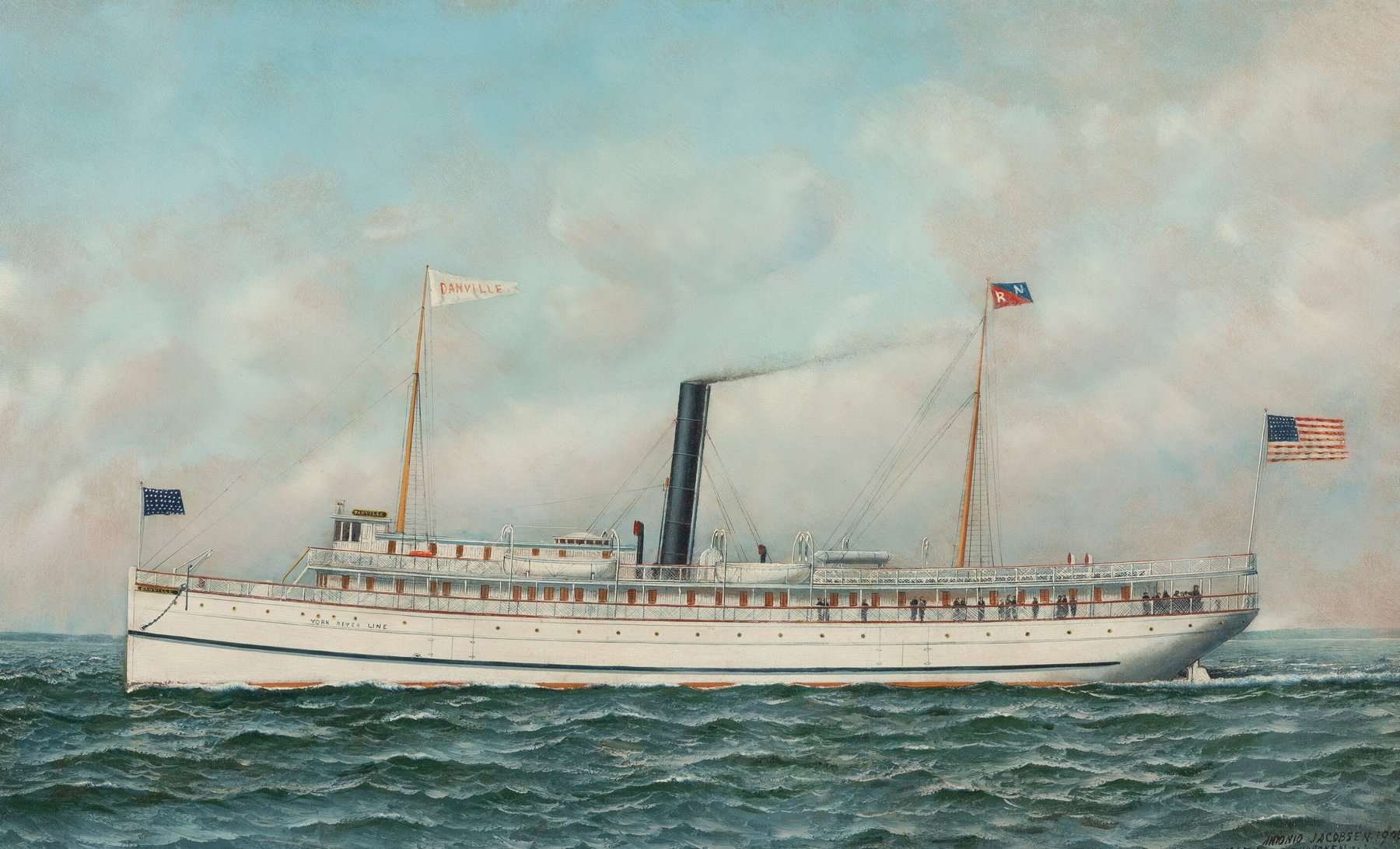
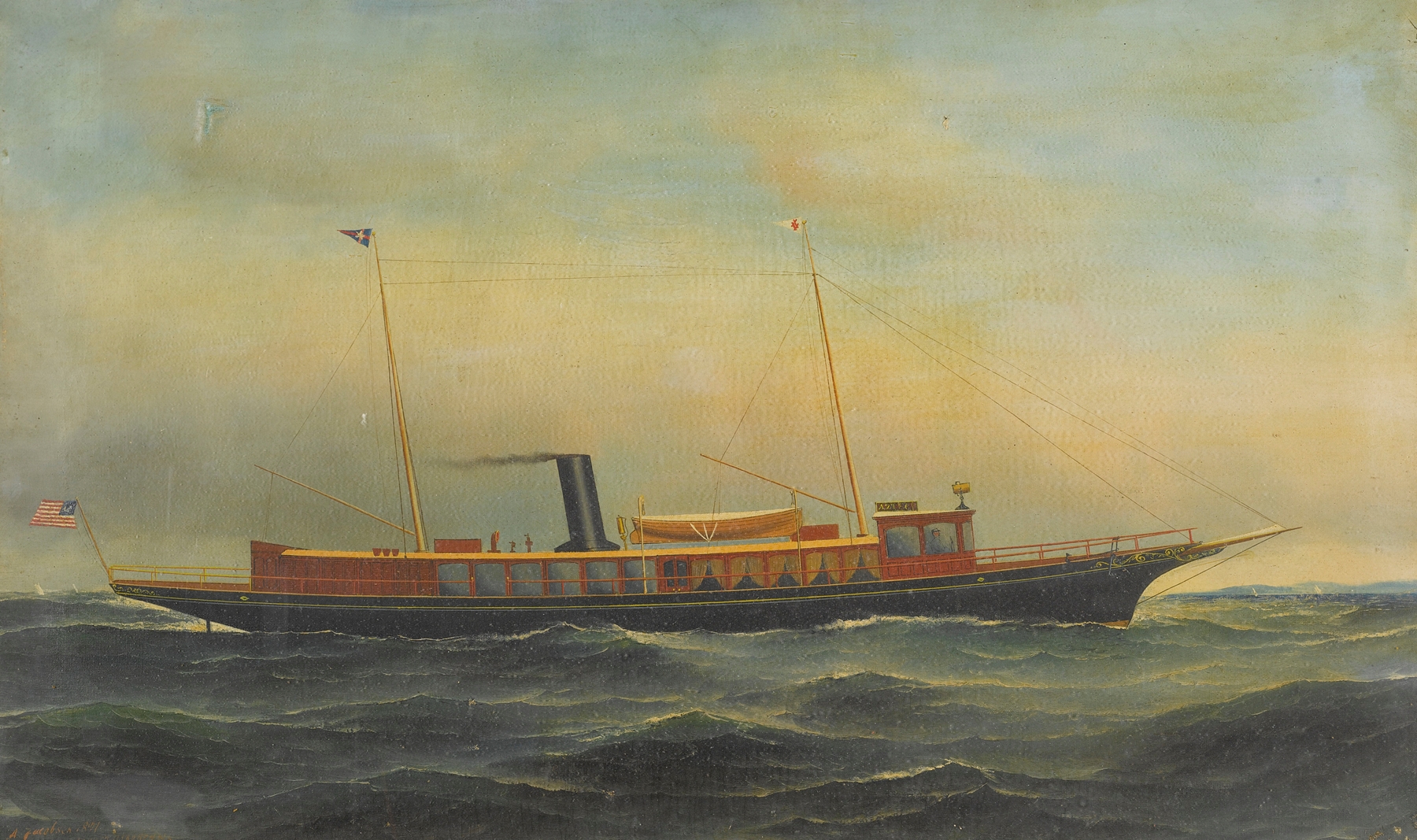
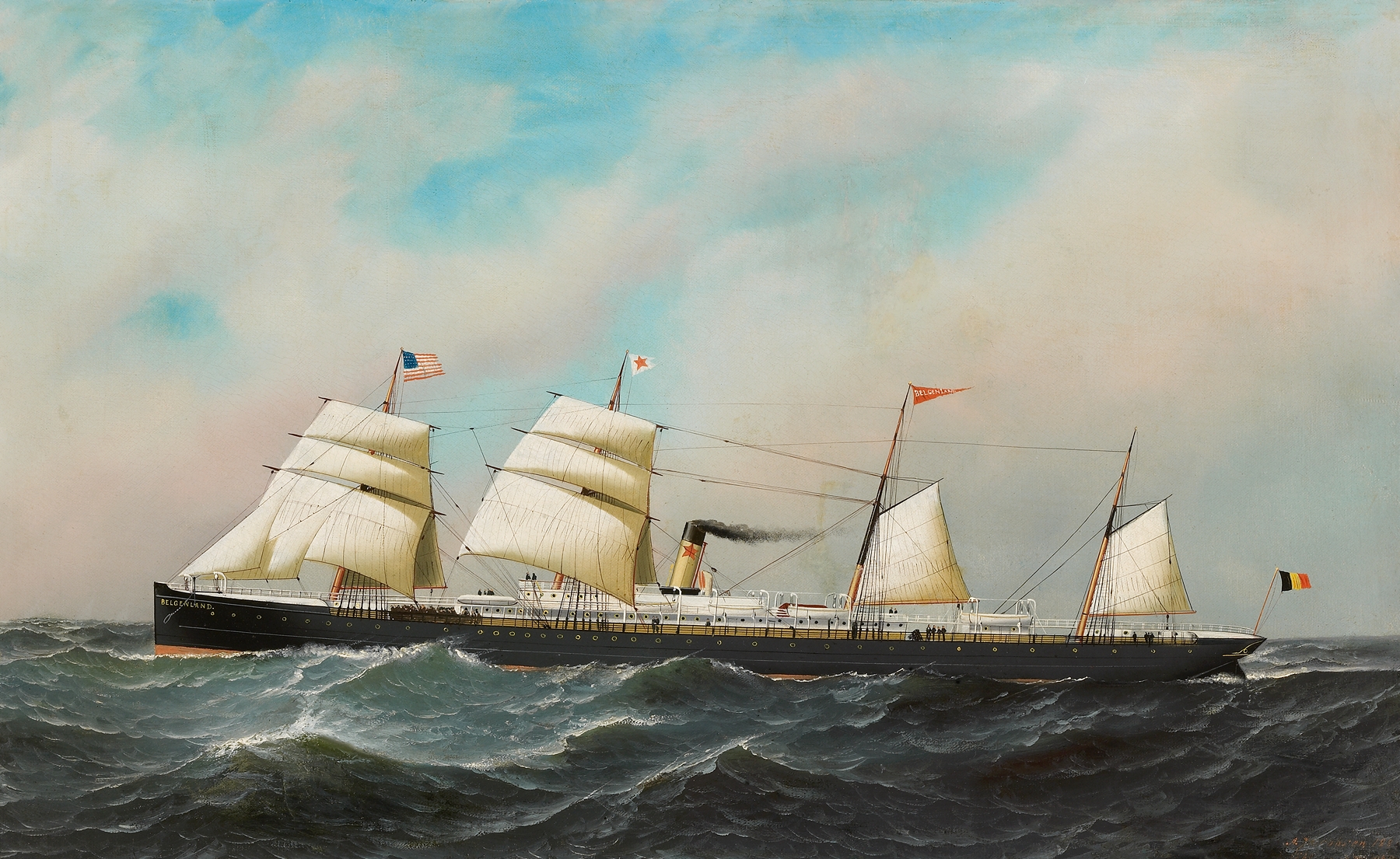
“Every silence here is a confession.” In the world of marine art, the tale of decay echoes gently, a reminder of impermanence in the midst of grandeur. Focus on the powerful hull of the ship, dominating the canvas with its commanding presence. Notice how the intricate details of the vessel's structure are brought to life through a rich interplay of light and shadow, revealing the craftsmanship that once propelled it across the waves. The muted colors convey both strength and nostalgia, inviting the viewer to reflect on the passage of time and the stories that linger in the wake of such ships.
Dig deeper into the composition, and you'll discover the contrast between the vessel's formidable form and the tranquil waters surrounding it. The gentle ripples suggest a world that continues to move while the ship stands still, a poignant metaphor for those who have traveled before. Jacobsen’s careful brushwork hints at decay—a fading testament to journeys past—that evokes a sense of longing and melancholy.
Antonio Jacobsen painted this work during a time when maritime transport was in transition, possibly in the late 19th century or early 20th century. He specialized in ship portraits, capturing the essence of vessels for their owners. Amidst the rise of steam power and changing technologies, Jacobsen’s focus on such subjects reveals a moment when the importance of craftsmanship was poised to meet the relentless march of modernization, encapsulating a pivotal era in maritime history.