Storm Off the Irish Coast — History & Analysis
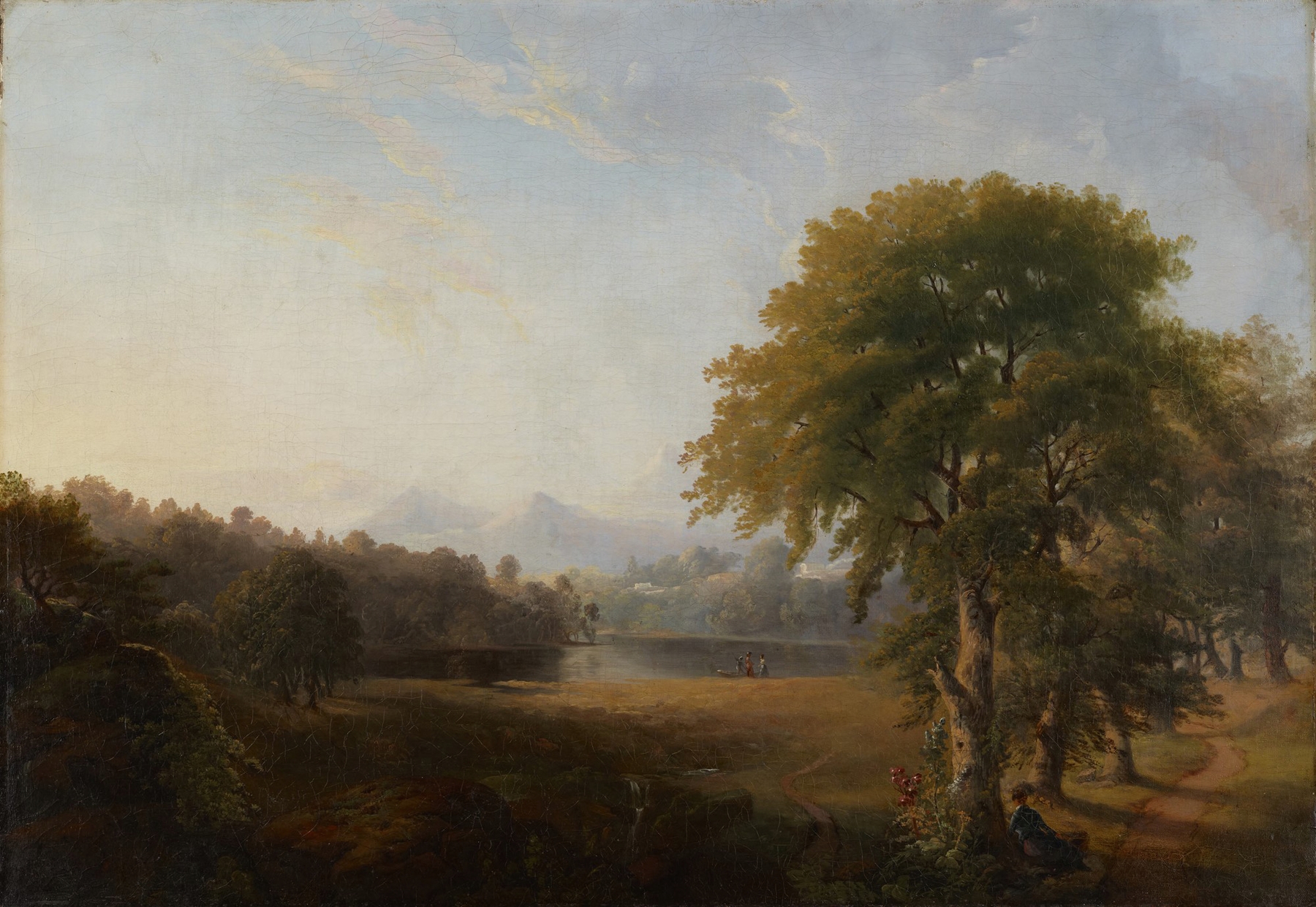
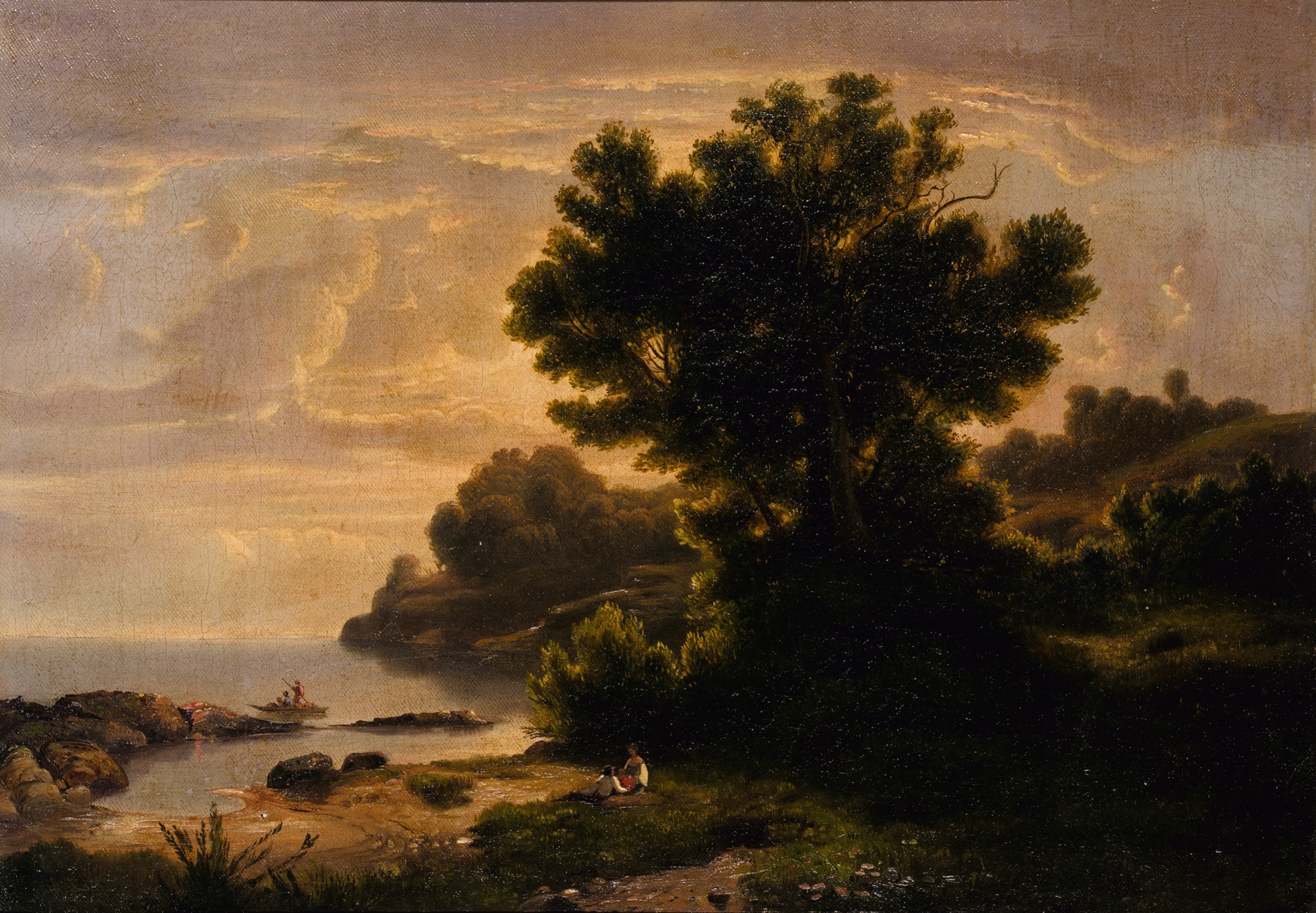
Is this a mirror — or a memory? The tumultuous waves crash against rocky shores, their frothy crests illuminated momentarily by a fleeting ray of sunlight breaking through the swirling clouds. The scene holds a poignant tension, as if the sea itself carries the weight of unspoken stories and lost time. Look to the left at the darkened sky, where heavy clouds loom ominously, creating a striking contrast with the vibrant hues of the churning sea below.
Notice how the artist deftly employs a palette of deep blues and grays, capturing both the ferocity of nature and the introspective mood that accompanies it. The tumultuous waves, depicted with bold brushstrokes, appear almost alive, swirling in a dance of chaos, while a distant shoreline hints at safety and solace just out of reach. In this artwork, the juxtaposition of violent movement and serene land evokes a sense of longing and melancholy. The wild seas symbolize the unpredictability of life, while the faint outline of the coast suggests a desire for grounding and peace.
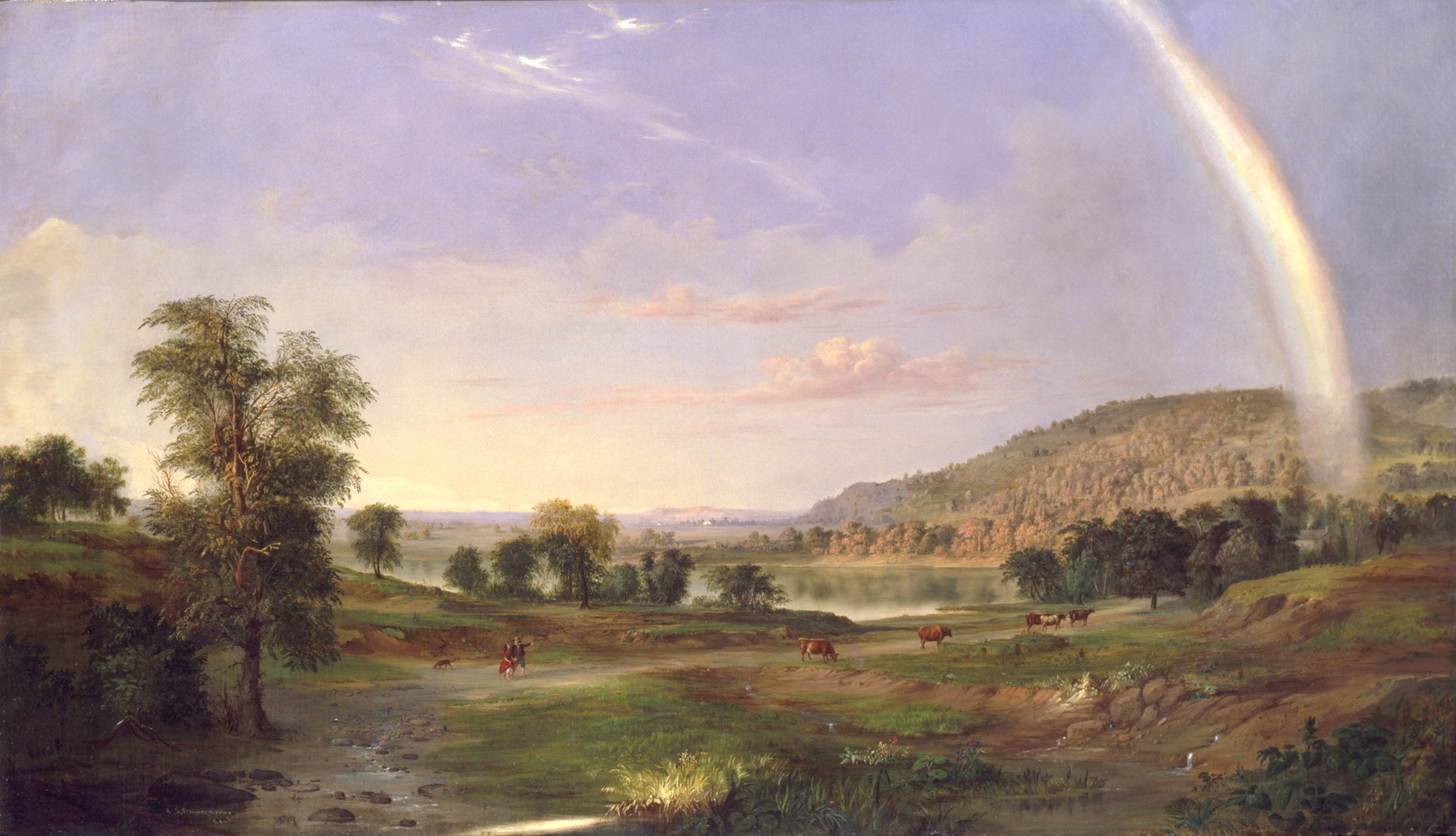
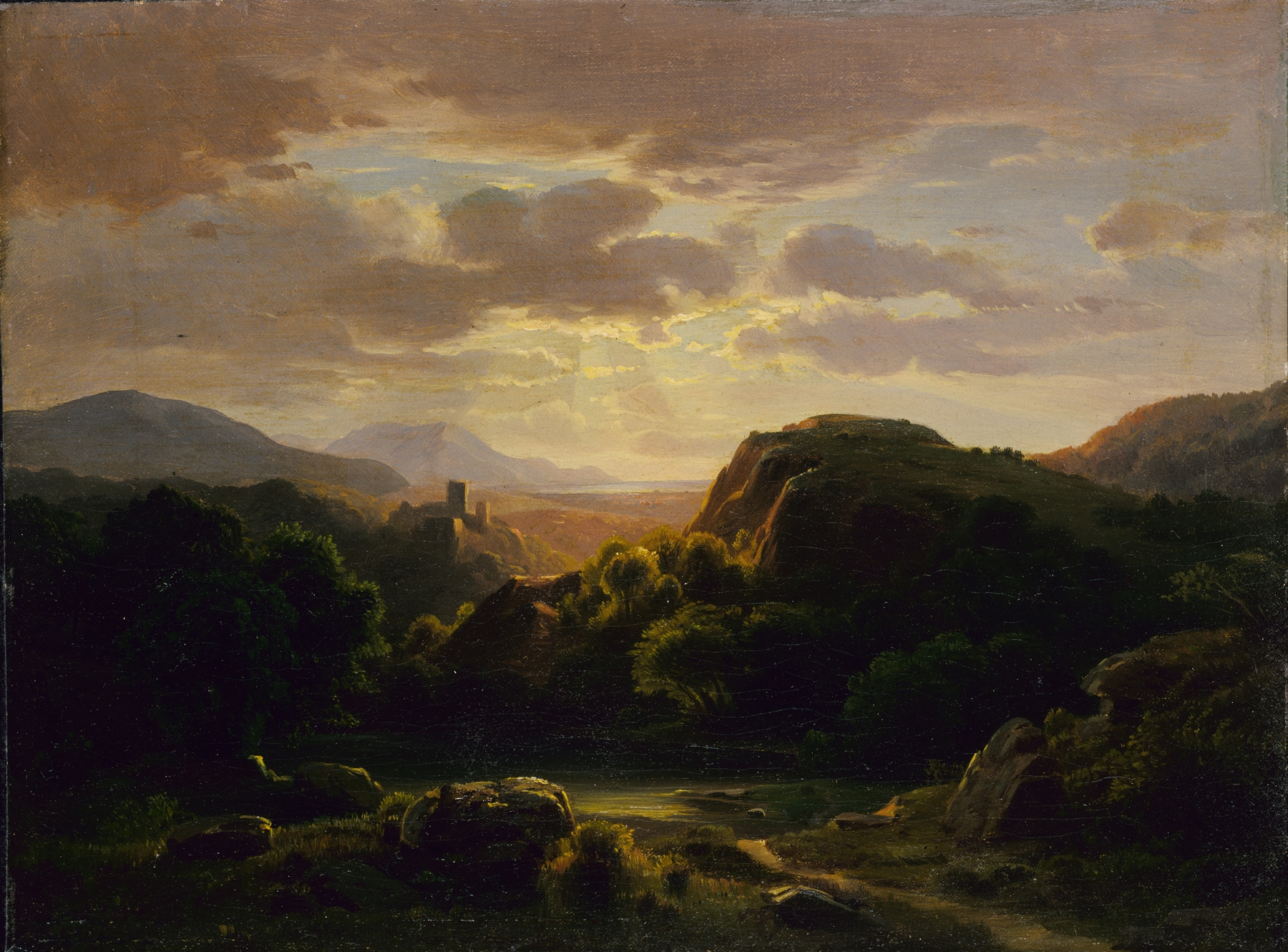
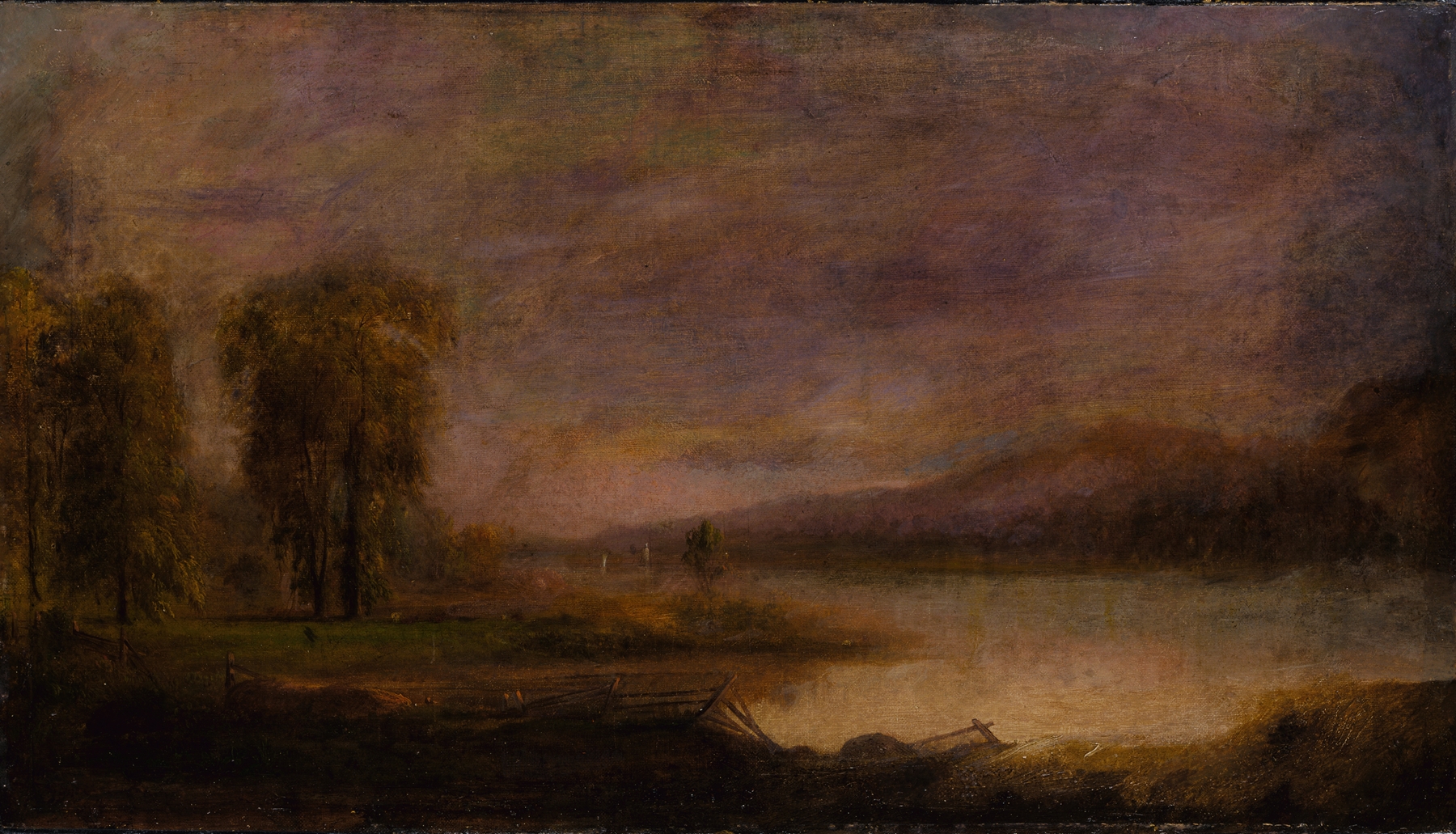
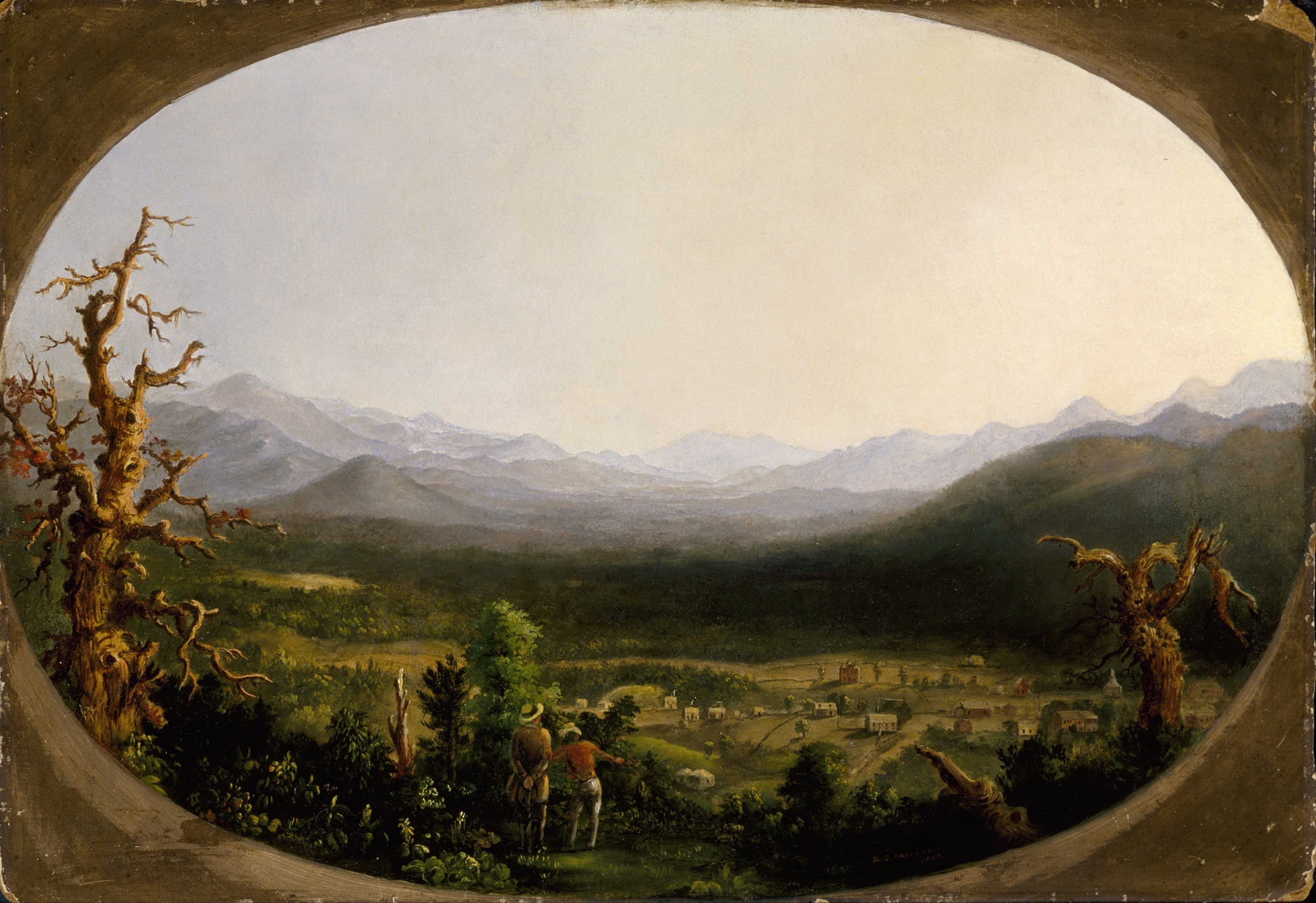
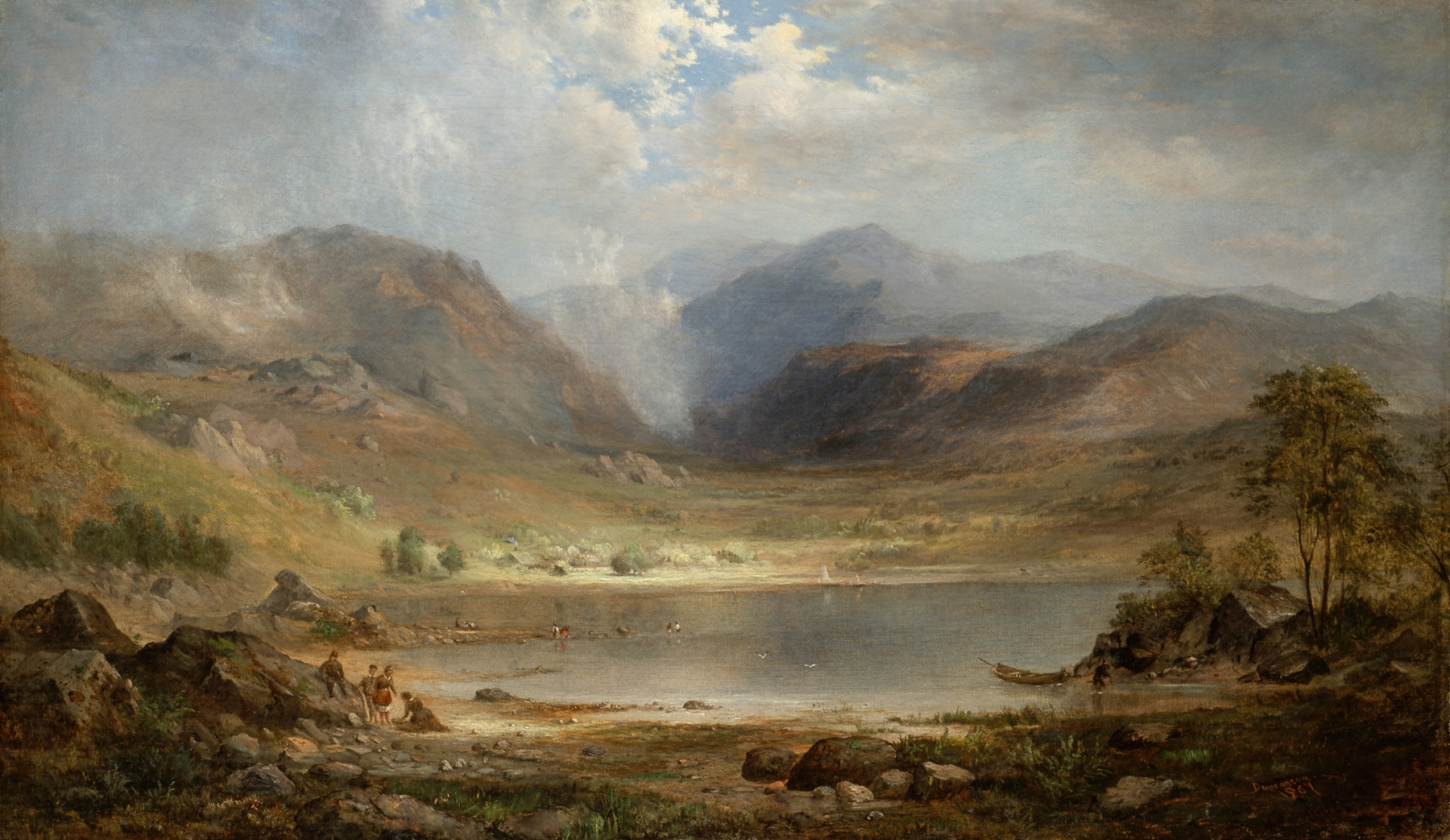
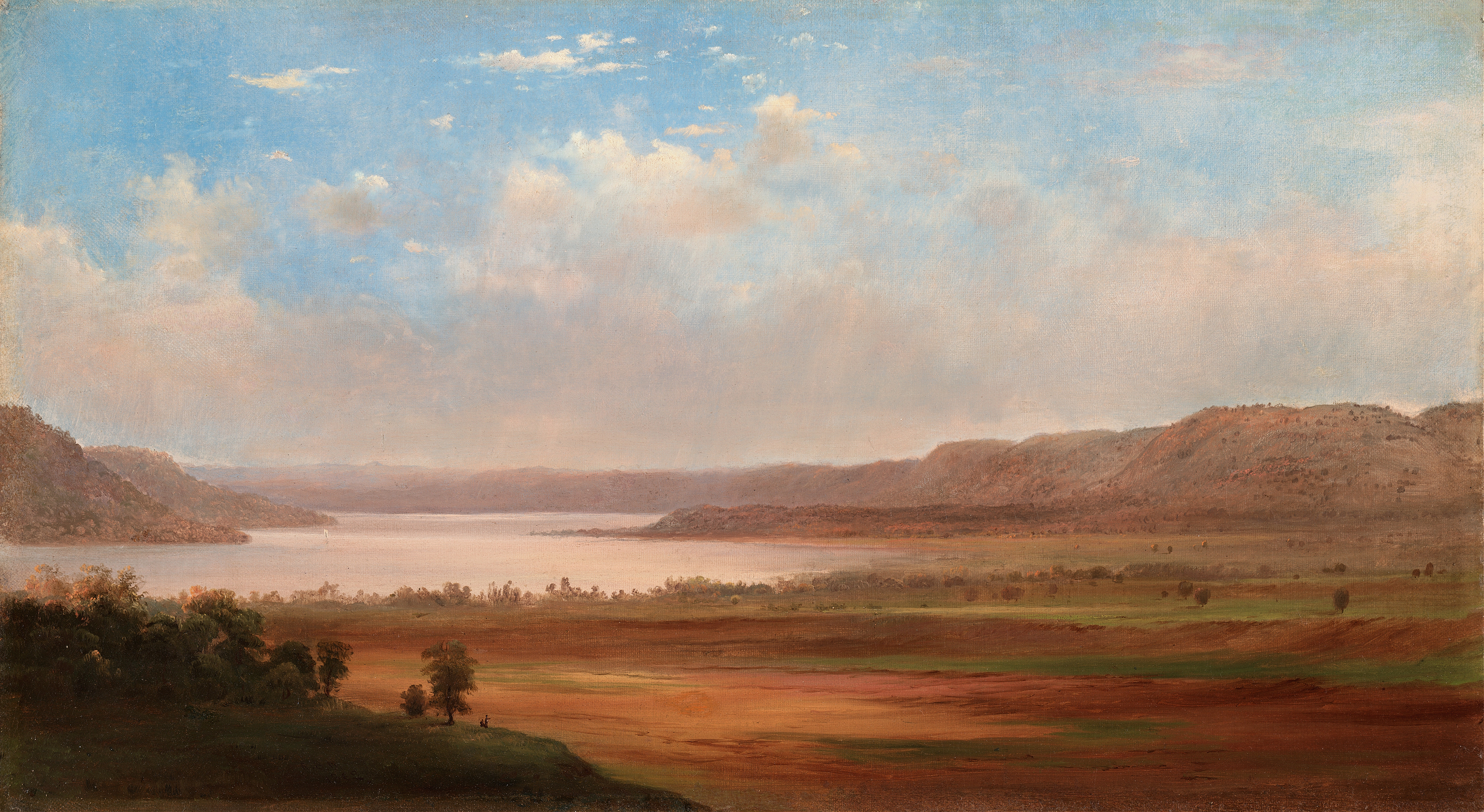
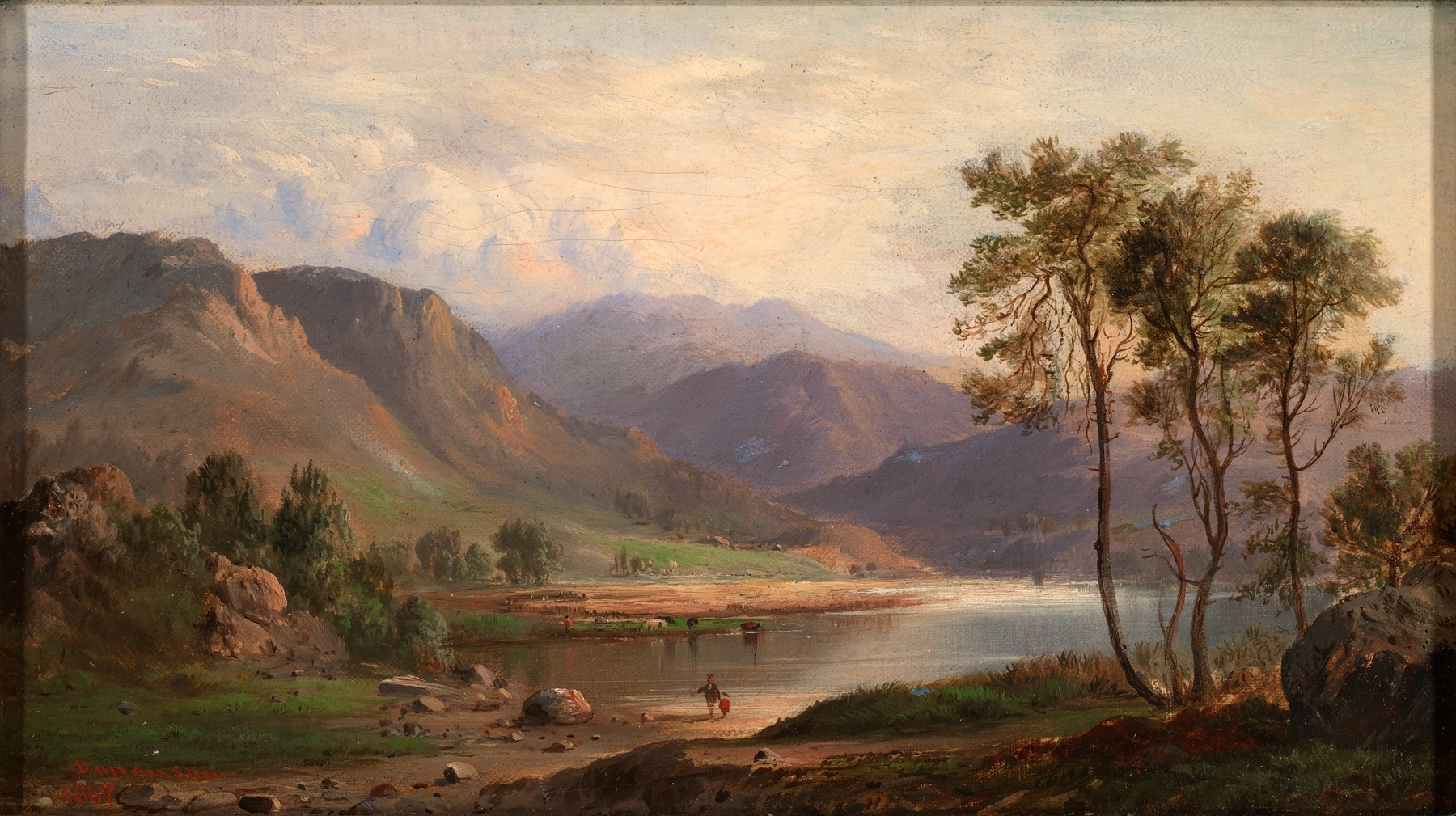
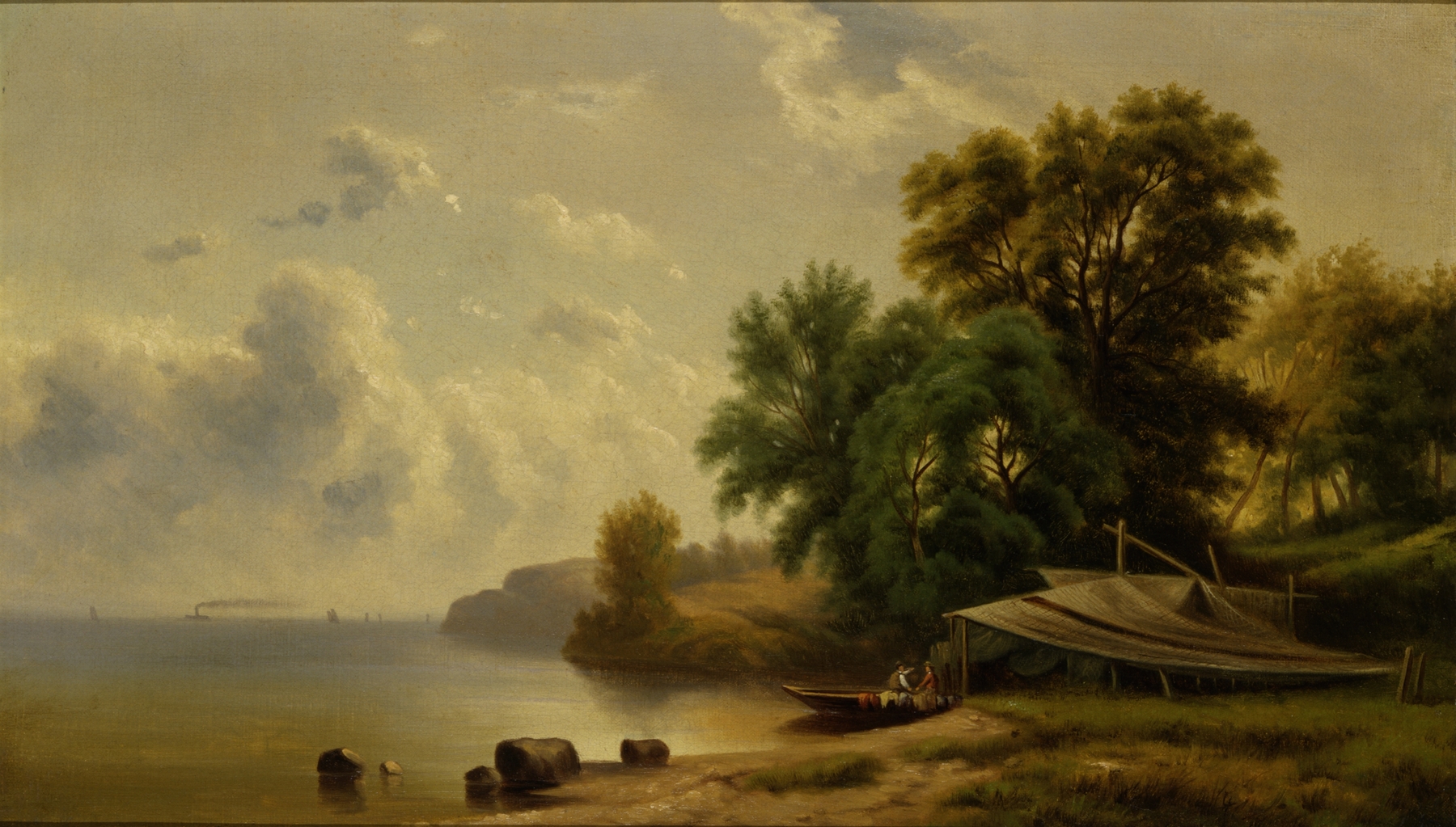
This duality encapsulates the emotional weight of the piece, inviting viewers to reflect on their own encounters with nature and the inner storms they weather. Duncanson painted this work in 1870 during a significant period of his life when he was establishing himself as a prominent figure in American art. Influenced by the Hudson River School and the broader Romantic movement, he sought to capture the profound emotional landscapes of both nature and humanity. This was a time of personal and artistic growth for him, as he navigated the complexities of his identity as a Black artist in a predominantly white art world, wielding the power of paint to express his inner visions.