Stormy Coast — History & Analysis
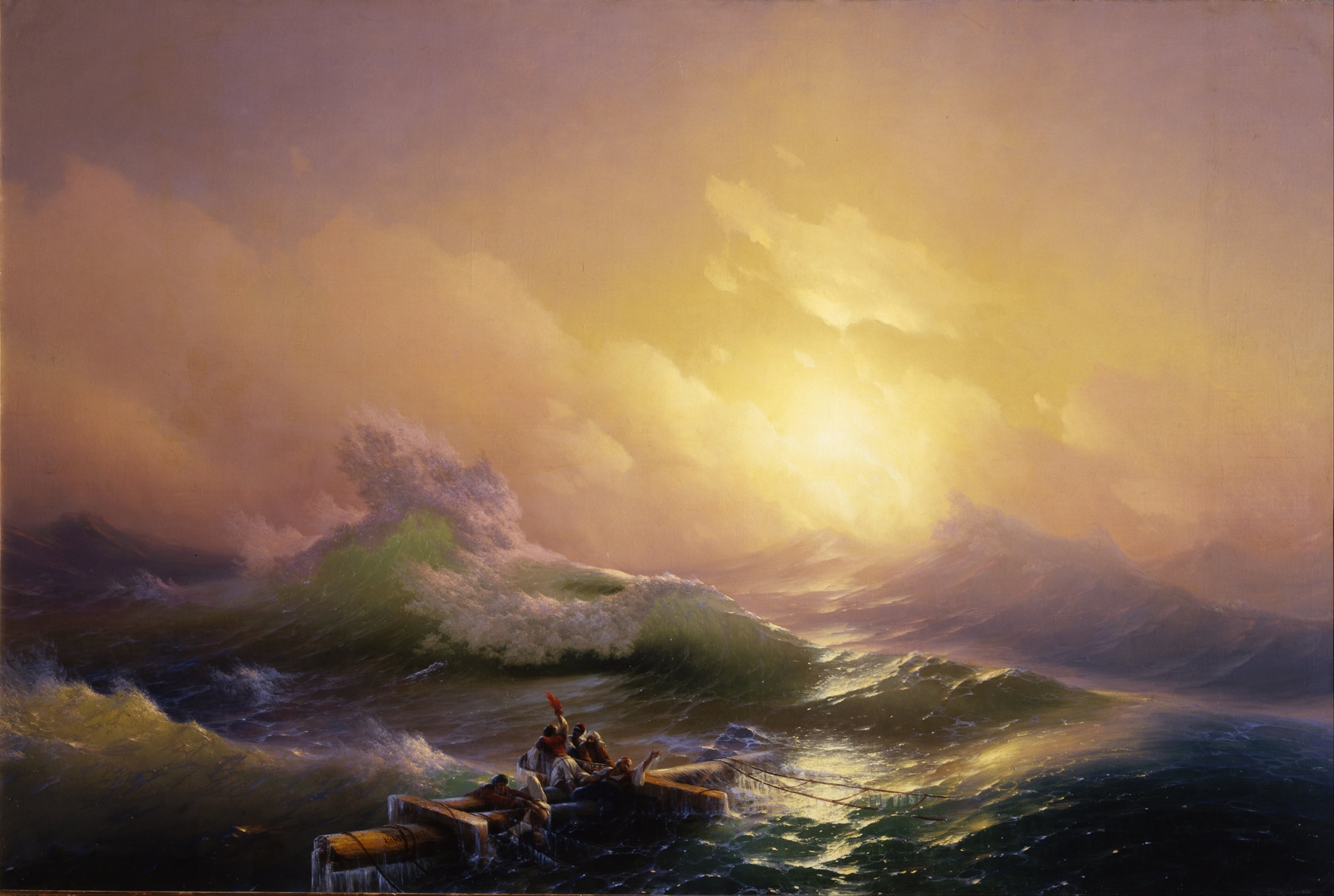
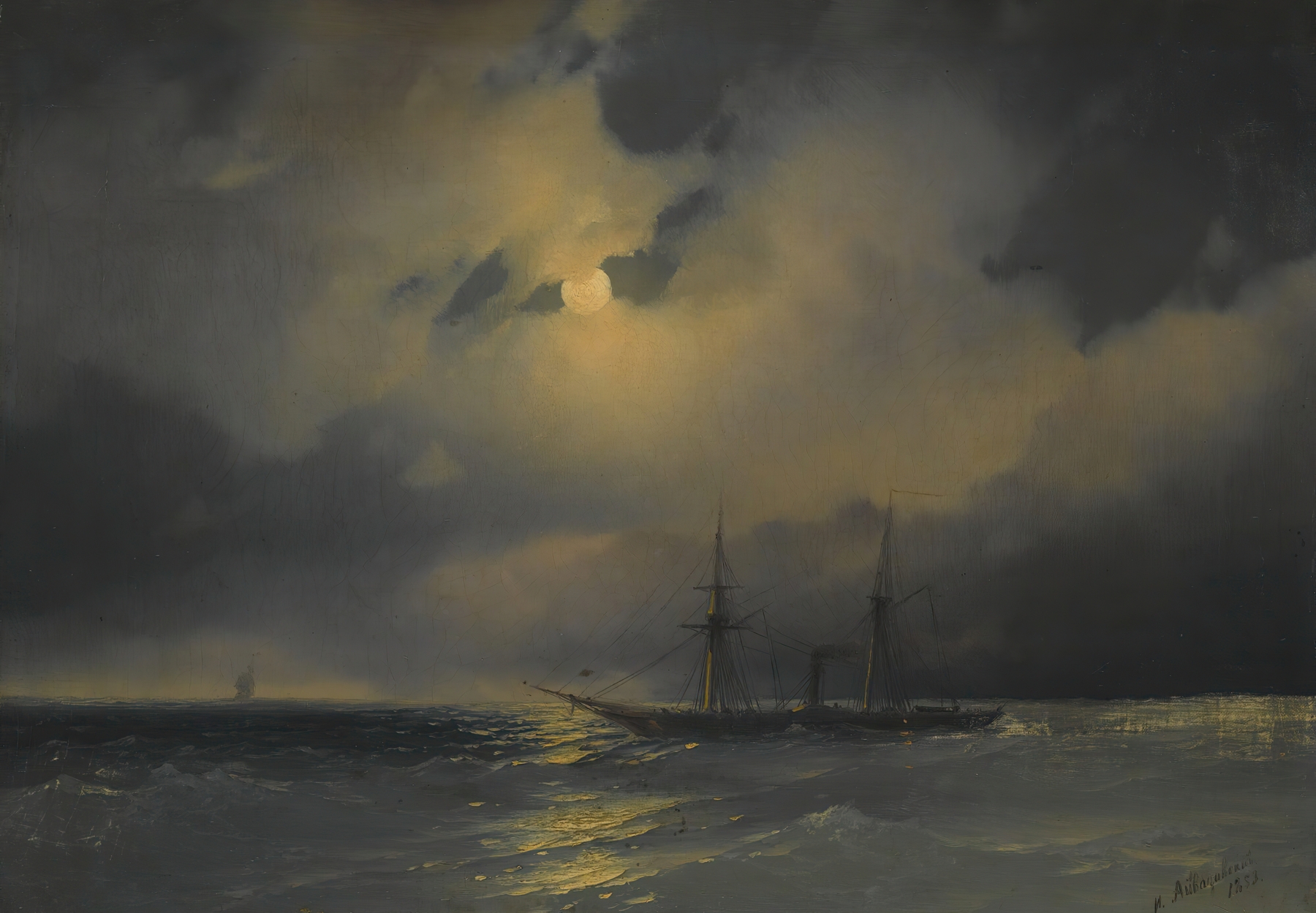
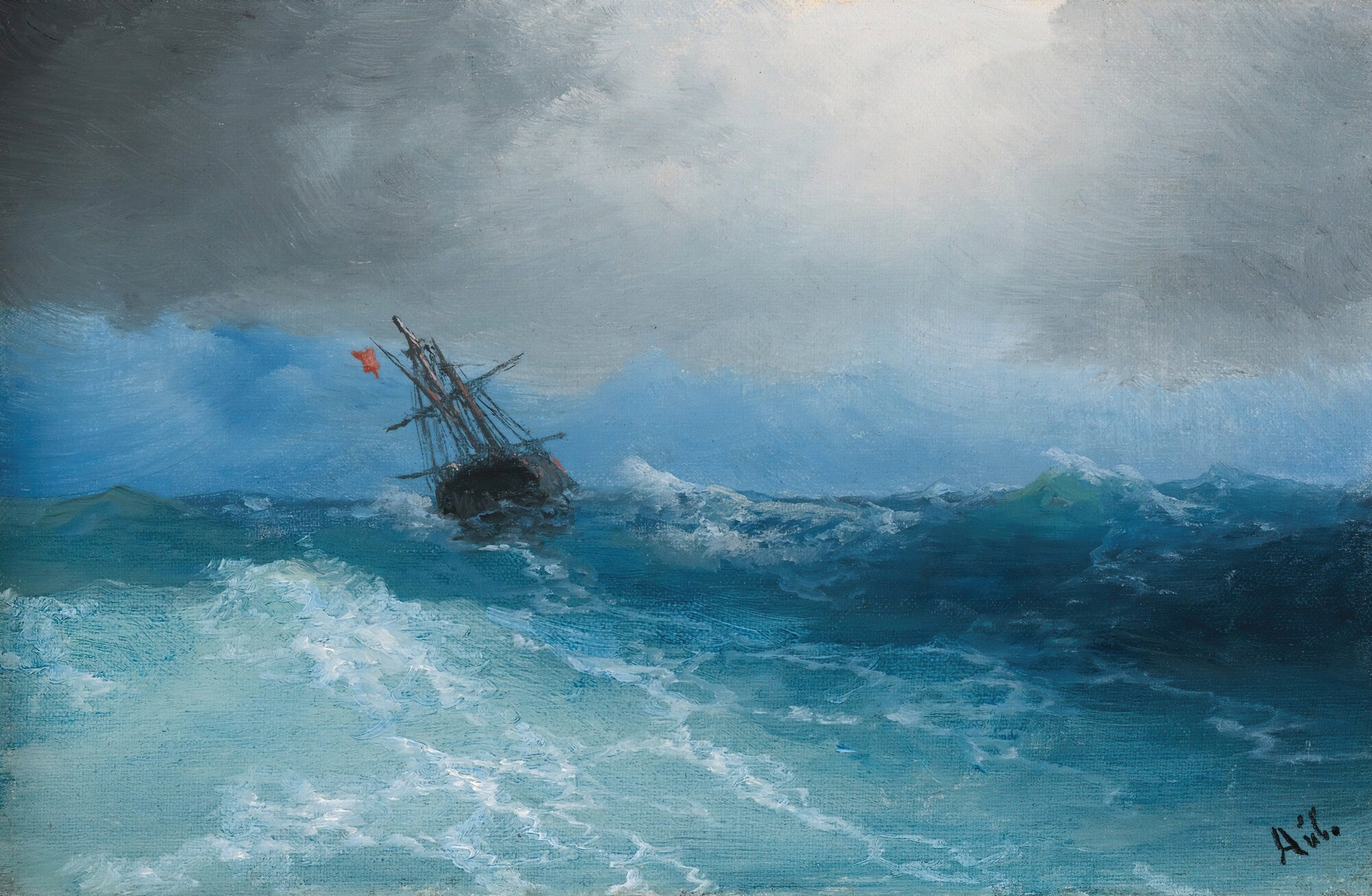
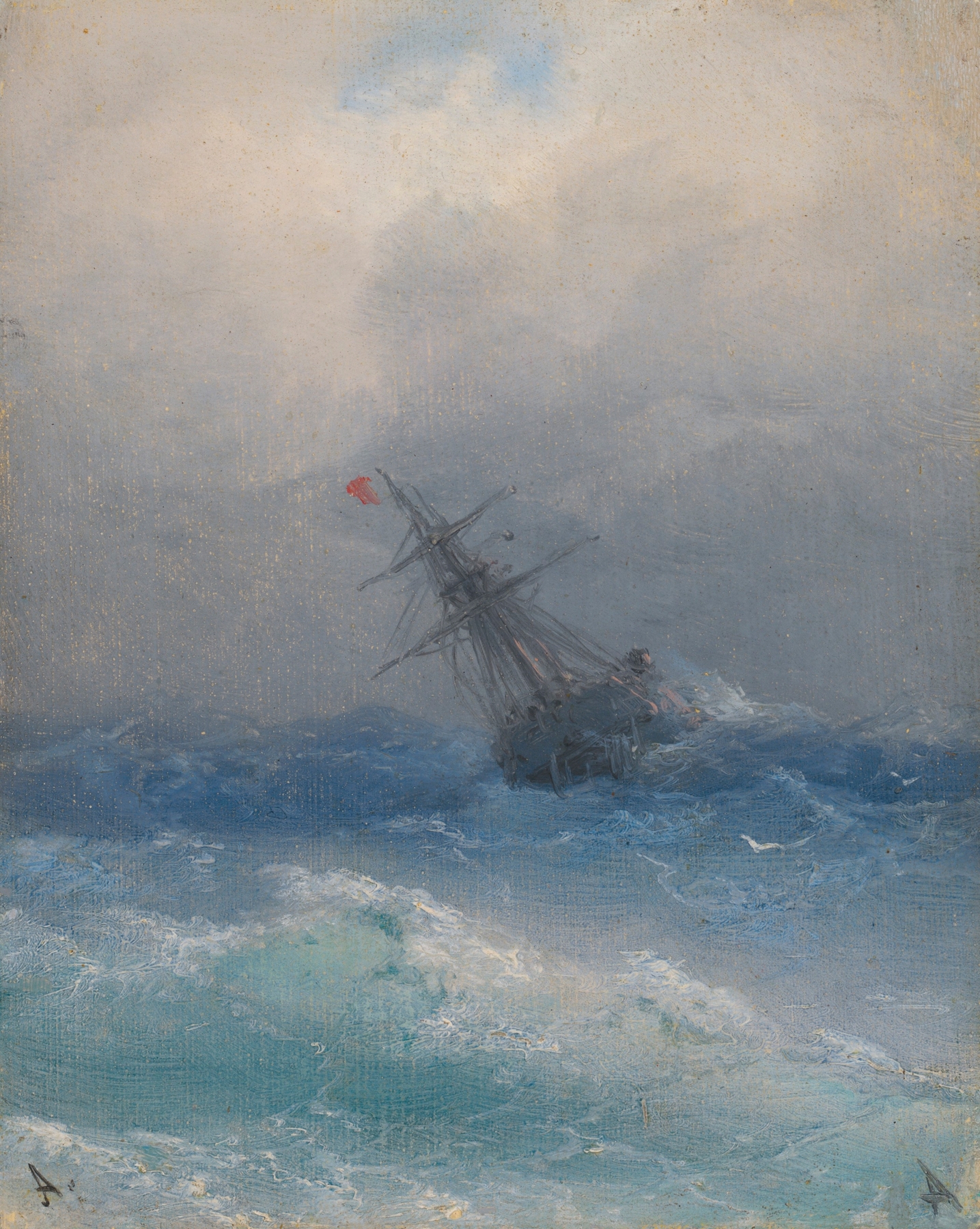
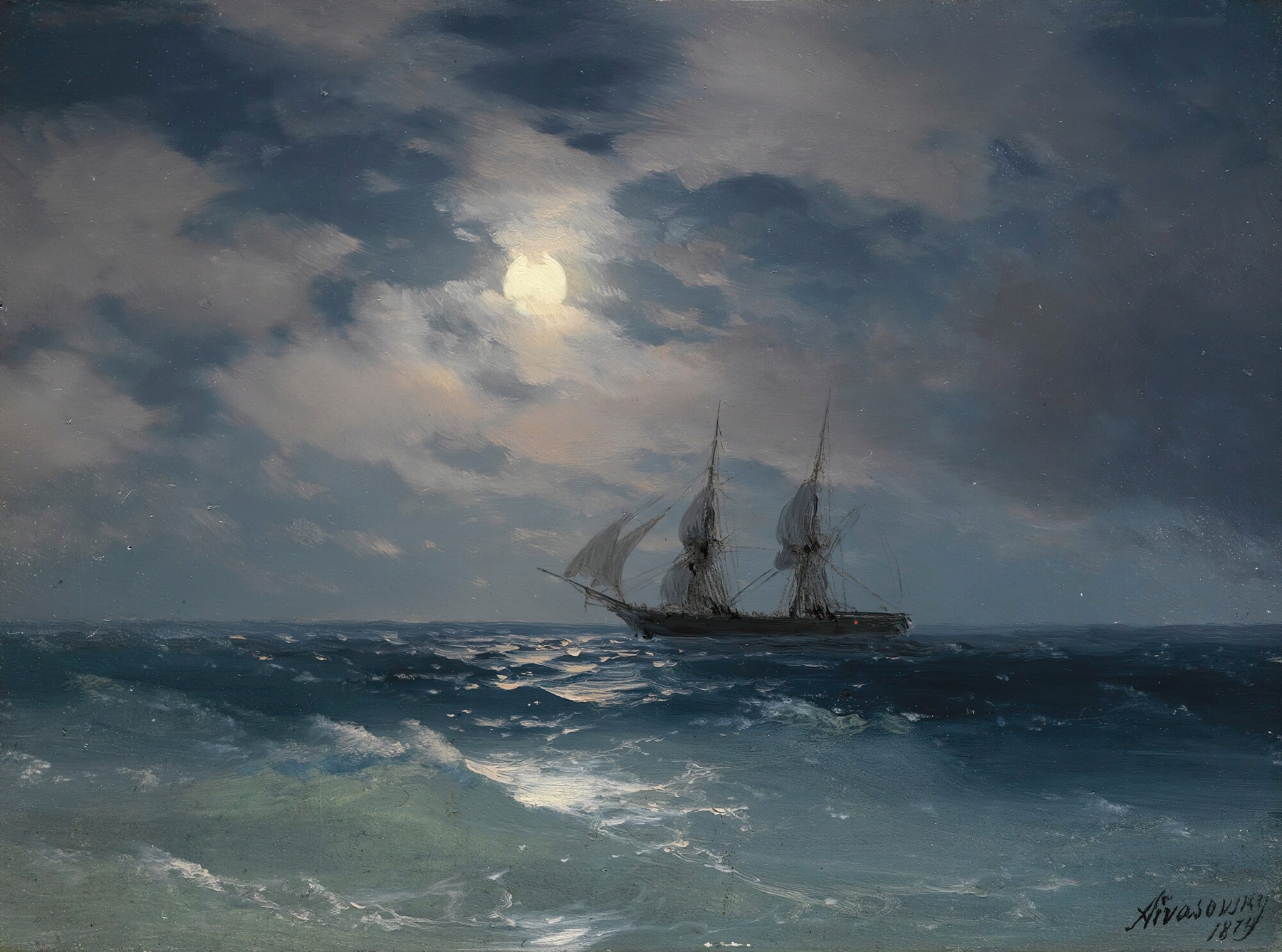
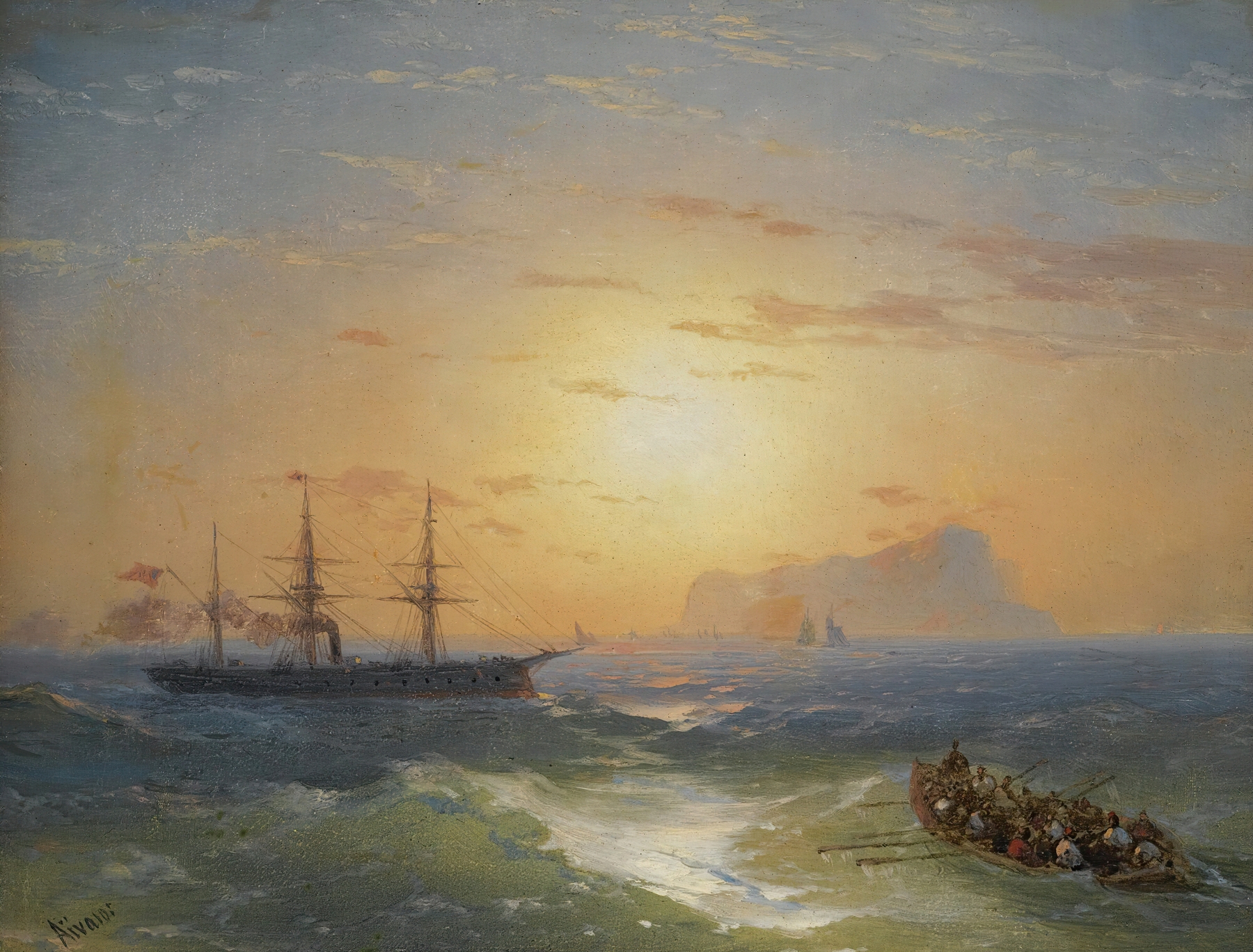
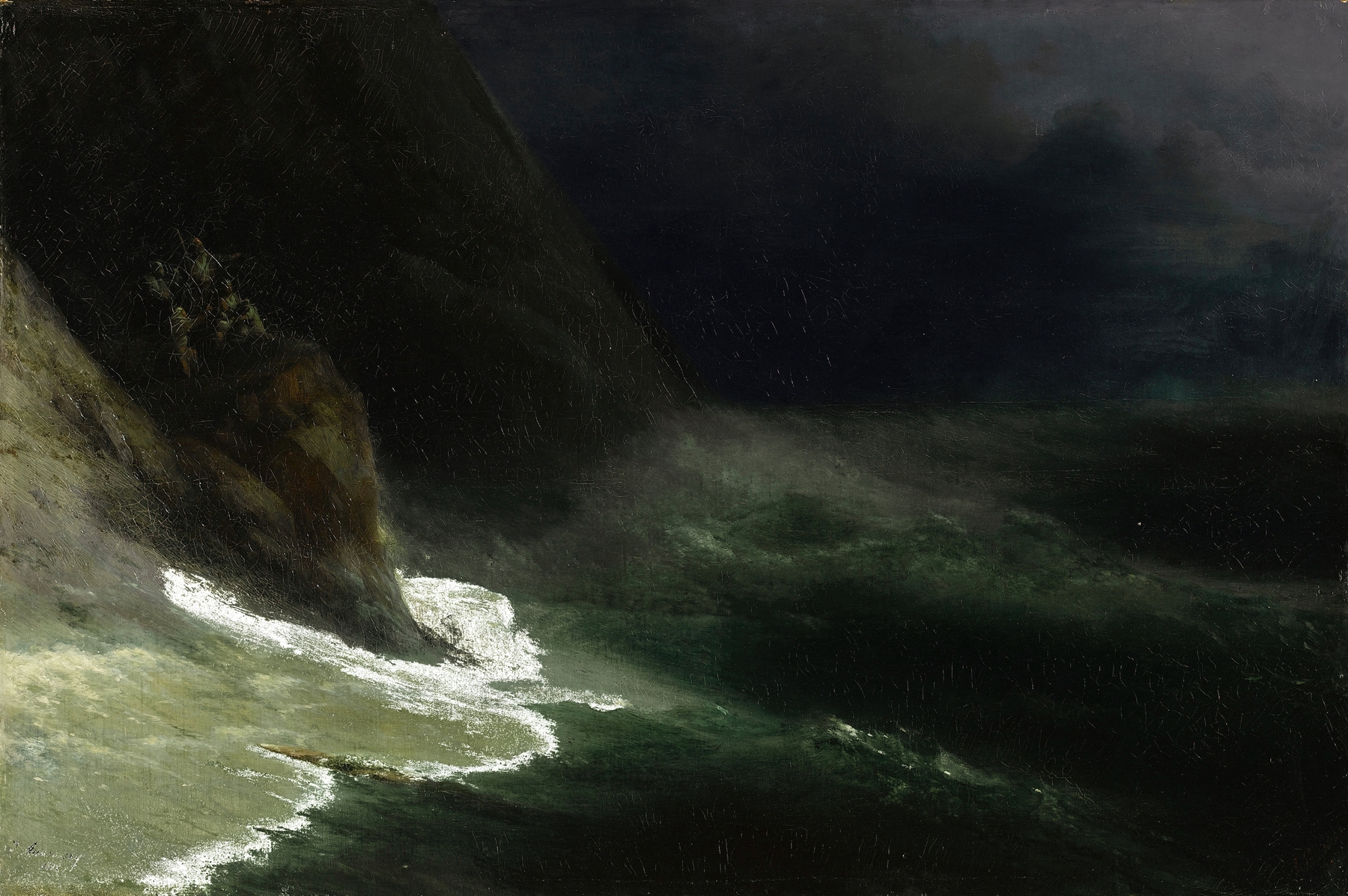
Can paint confess what words never could? In Stormy Coast, tumultuous waves crash against jagged cliffs under a brooding sky, embodying the raw emotion of nature's fury. Look to the center where the tumultuous sea meets the rugged shoreline, a swirl of deep blues and grays contrasting with bursts of white foam. The artist skillfully uses light to guide the viewer's eye; notice how it dances on the water's surface, creating a shimmering path that draws you into the chaos.
The brushwork is vigorous, lending a sense of movement, while the dramatic clouds hang heavily overhead, their dark underbellies pregnant with impending rain. As you absorb the painting, consider the dialogue between the elements—the restless sea symbolizing the turmoil within the human soul and the steadfast cliffs representing resilience. The interplay of light and dark suggests a fleeting glimpse of hope amidst despair, encouraging introspection on the nature of struggle and perseverance. Each stroke serves as a reminder of life's unpredictability and the beauty found within the storm.
Aivazovsky painted this piece during a time of significant change in the mid-19th century. Living in Russia, he was influenced by Romanticism and the tumult of his era, where the awe of nature was often reflected in his work. This painting embodies his fascination with the sea and his mastery of light, hallmark traits that made him a renowned seascape artist in a period when Europe was captivated by the sublime and the chaotic forces of nature.