Stormy Sea Breaking on a Shore — History & Analysis
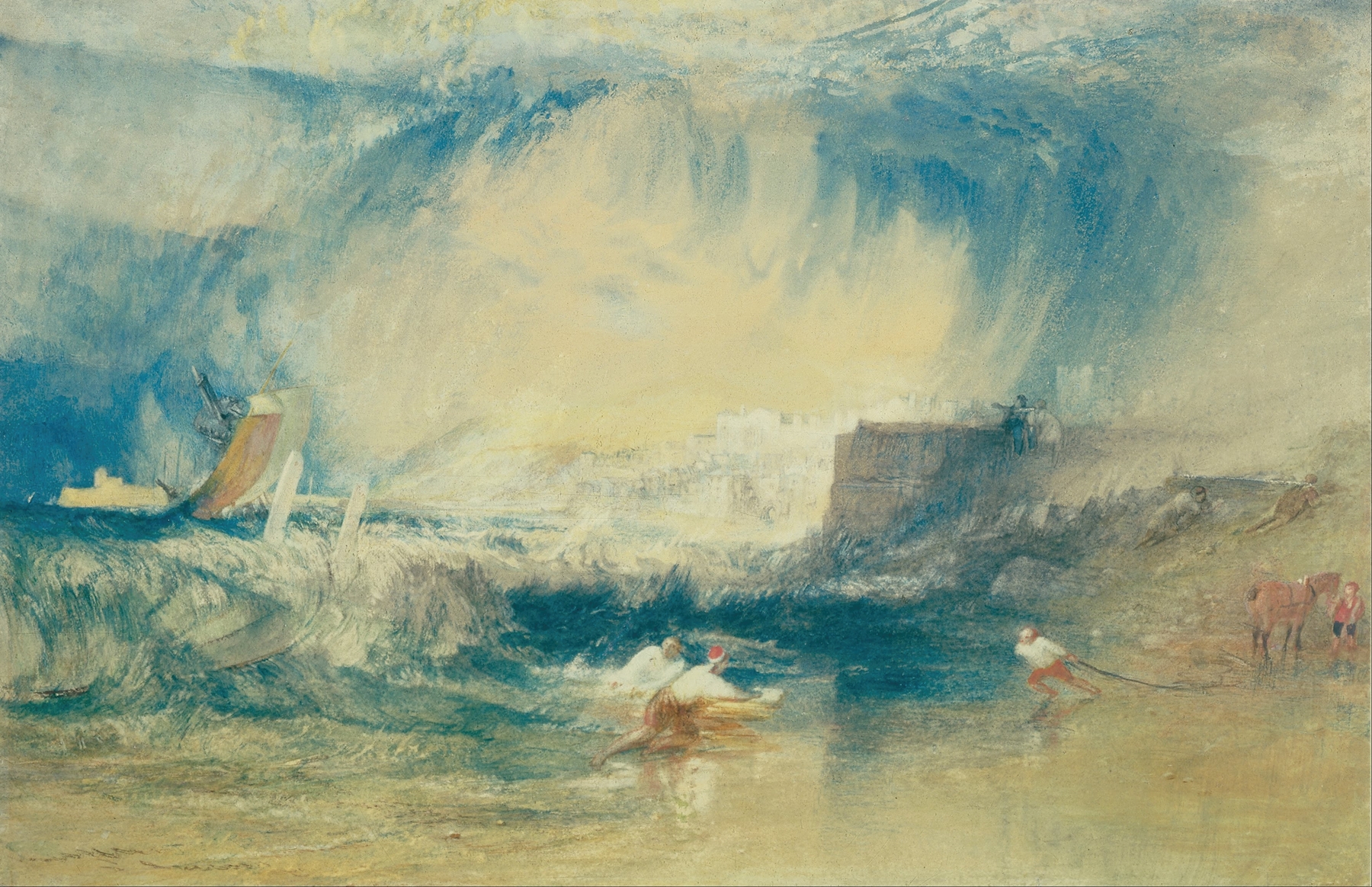
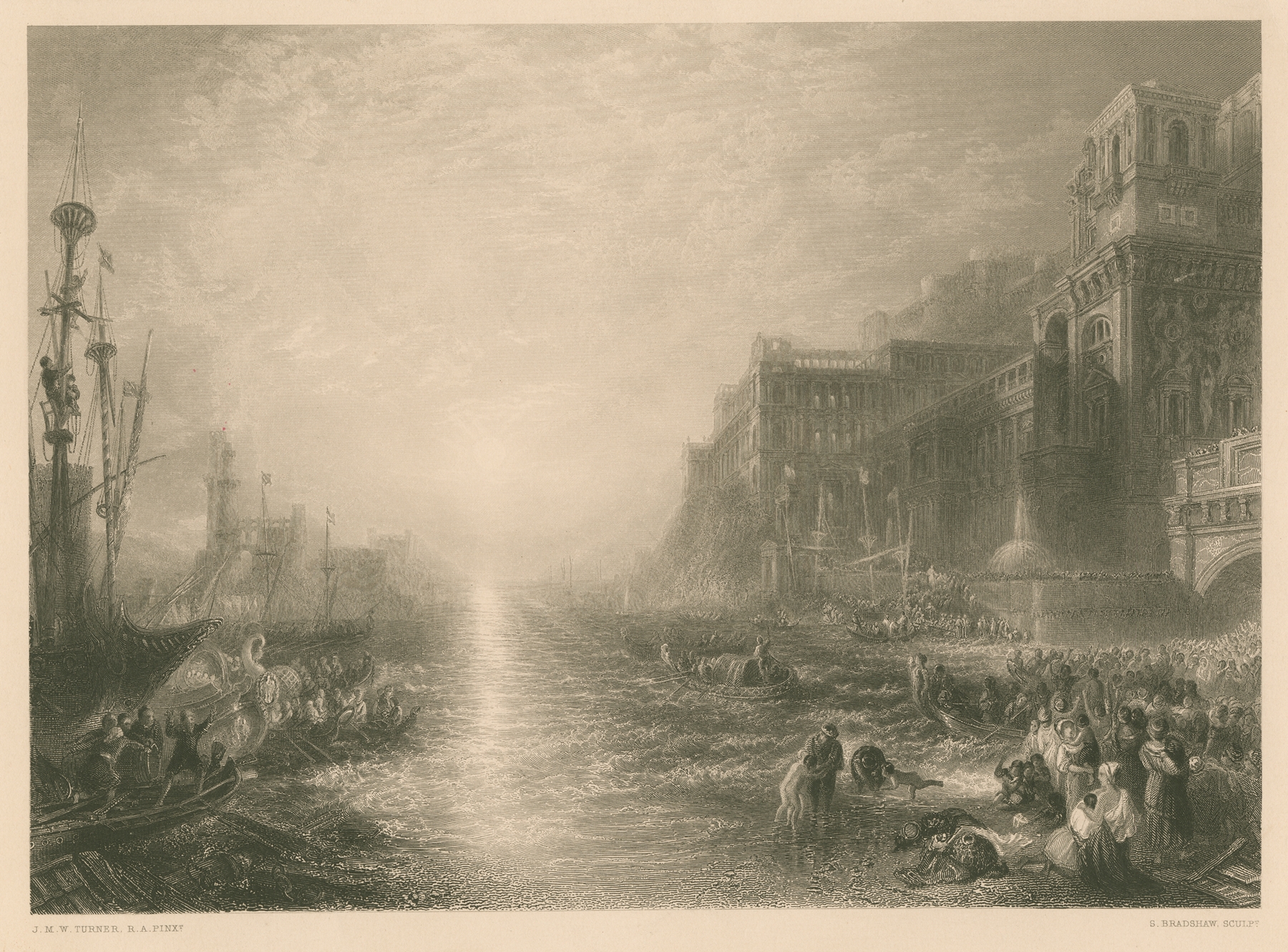
Who listens when art speaks of silence? In Stormy Sea Breaking on a Shore, the tumultuous waves rise and fall in a fervor that seems to echo the very heartbeat of nature itself. Look to the center of the canvas, where the foaming waves crash violently against the rocky shore, their textures rendered with bold strokes layered in shades of deep blue and frothy white. The horizon, a delicate balance of muted grays and browns, suggests an impending storm, while the subtle play of light peeking through the dark clouds hints at a fleeting moment of clarity.
The composition draws the eye to the tumult below, yet the distant land remains eerily serene, creating a tension between chaos and calm. This stark contrast holds layers of meaning; the raging sea symbolizes nature's raw power, a force that eludes human understanding and control. The delicate interplay of light and shadow suggests the transient beauty found within turmoil, inviting viewers to contemplate the struggle between despair and hope.
The work encapsulates a profound sense of transcendence, urging us to look beyond the immediate chaos to find inner peace amidst the storm. In the early 1840s, Turner was immersed in exploring the sublime aspects of nature, reflecting both personal and societal upheavals. Painting from his studio in London, he was navigating his own artistic evolution amid a rapidly industrializing world, where the elements of light, color, and emotion became his means of articulating the profound connections between humanity and nature.