Straße an Feldern in Frühlingssonne zu toskanischem Gutshof auf einem Hügel — History & Analysis
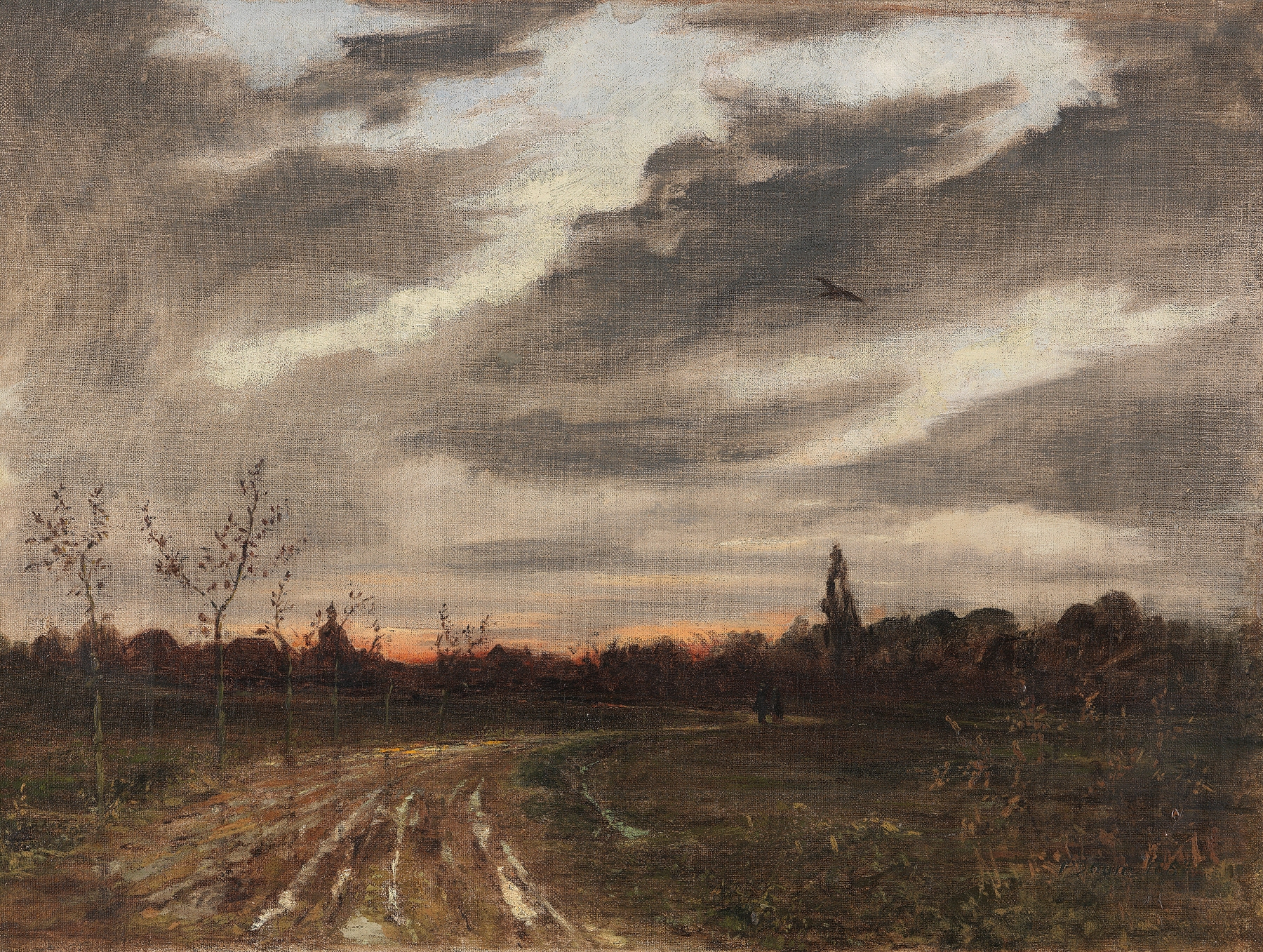
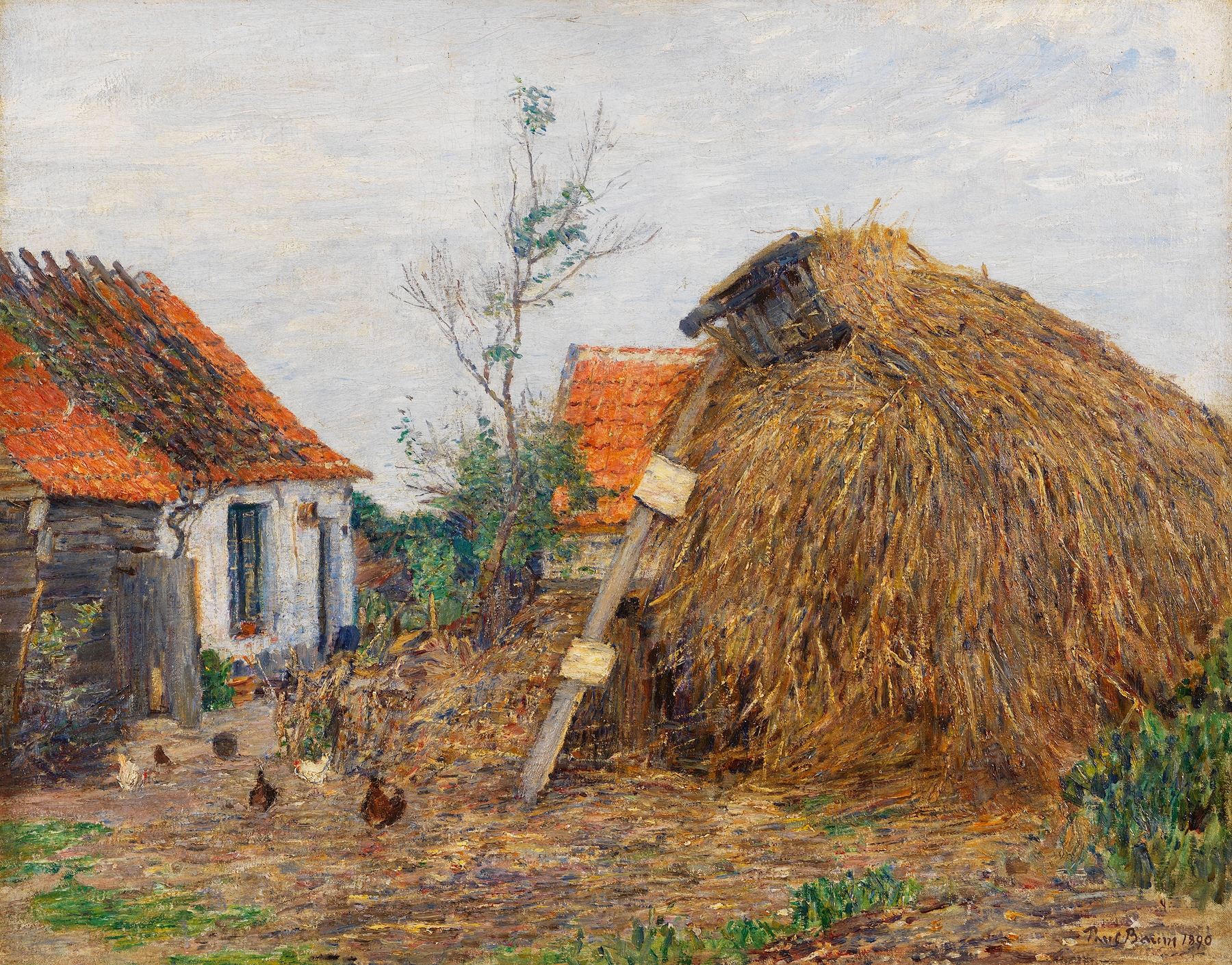
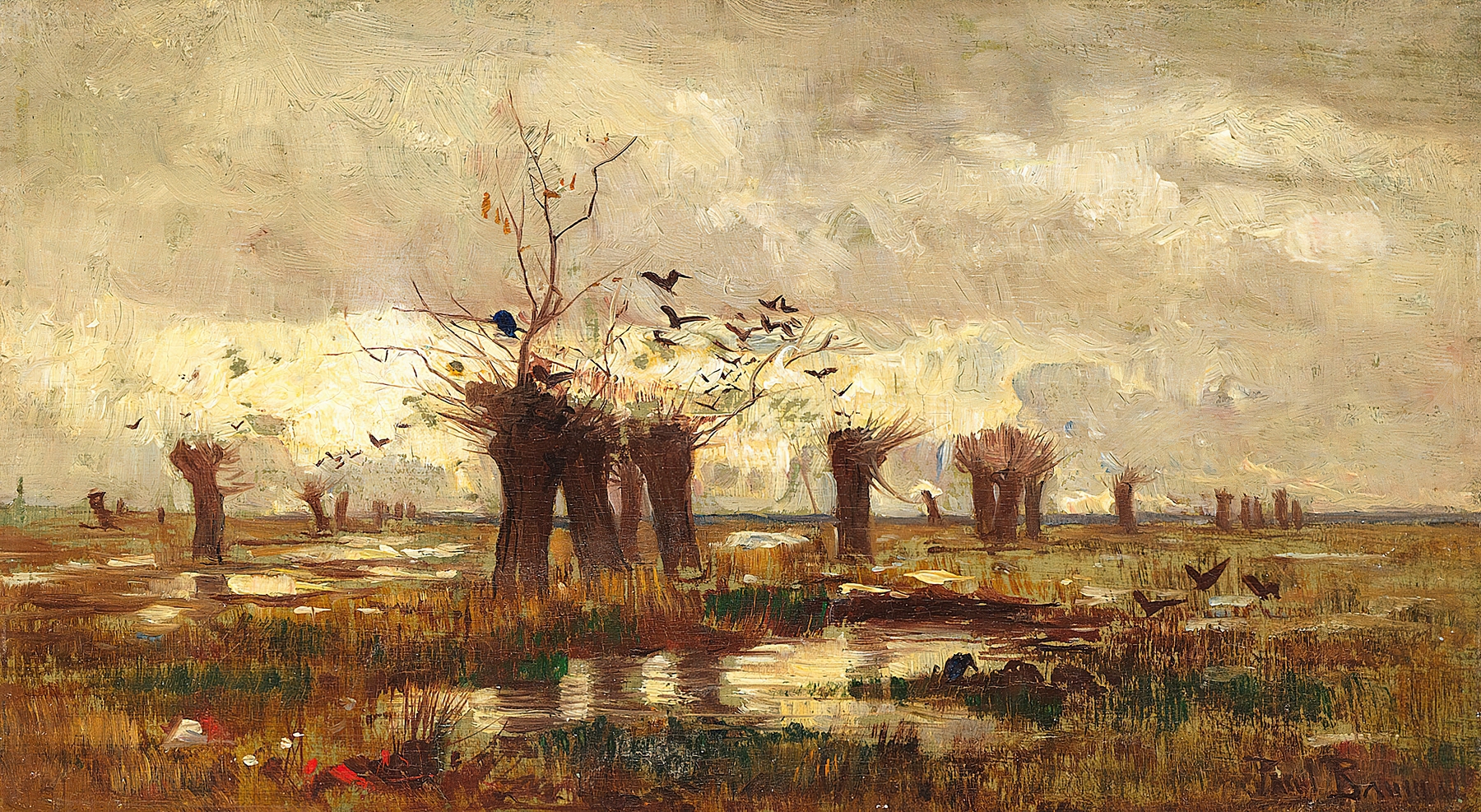
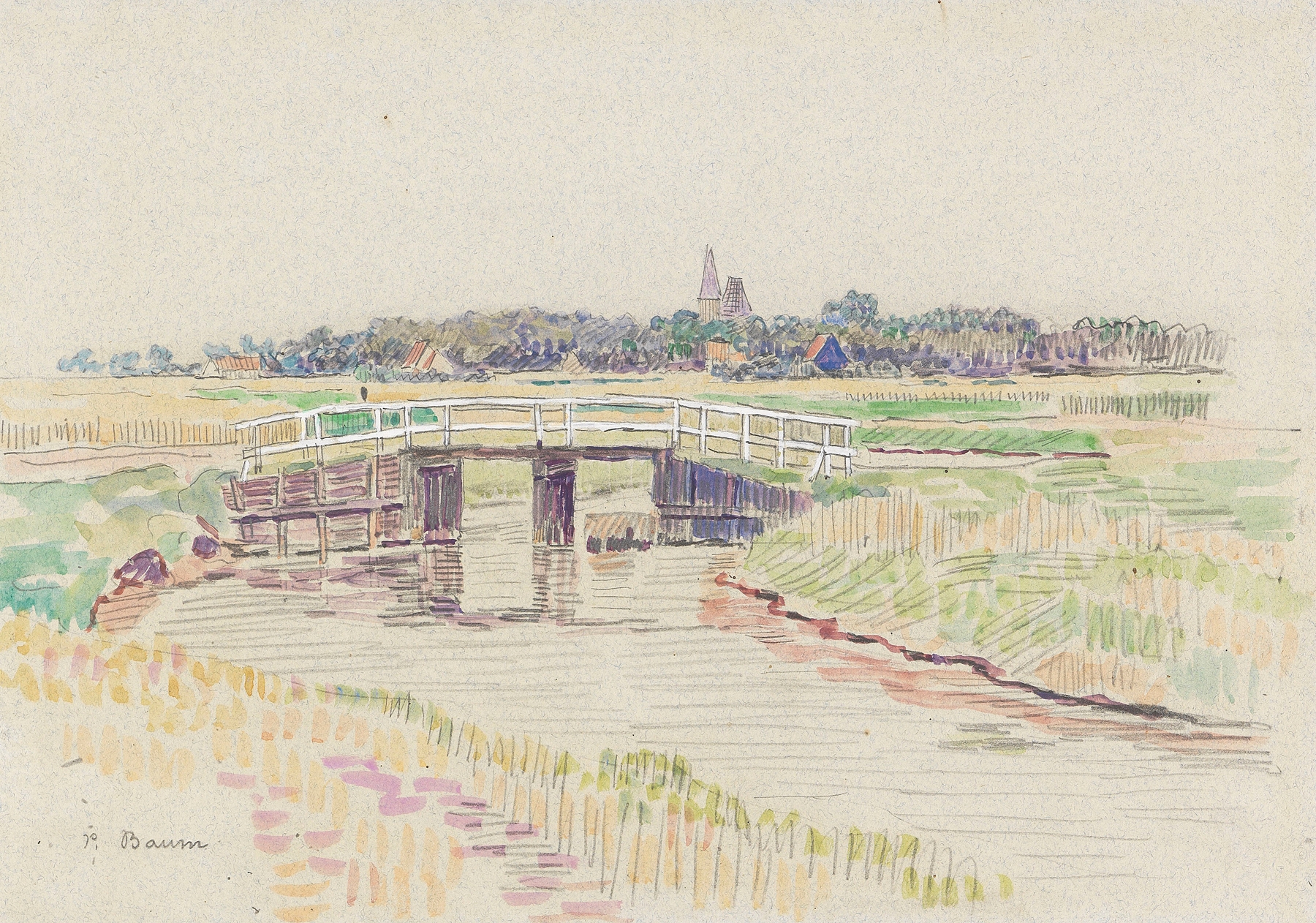
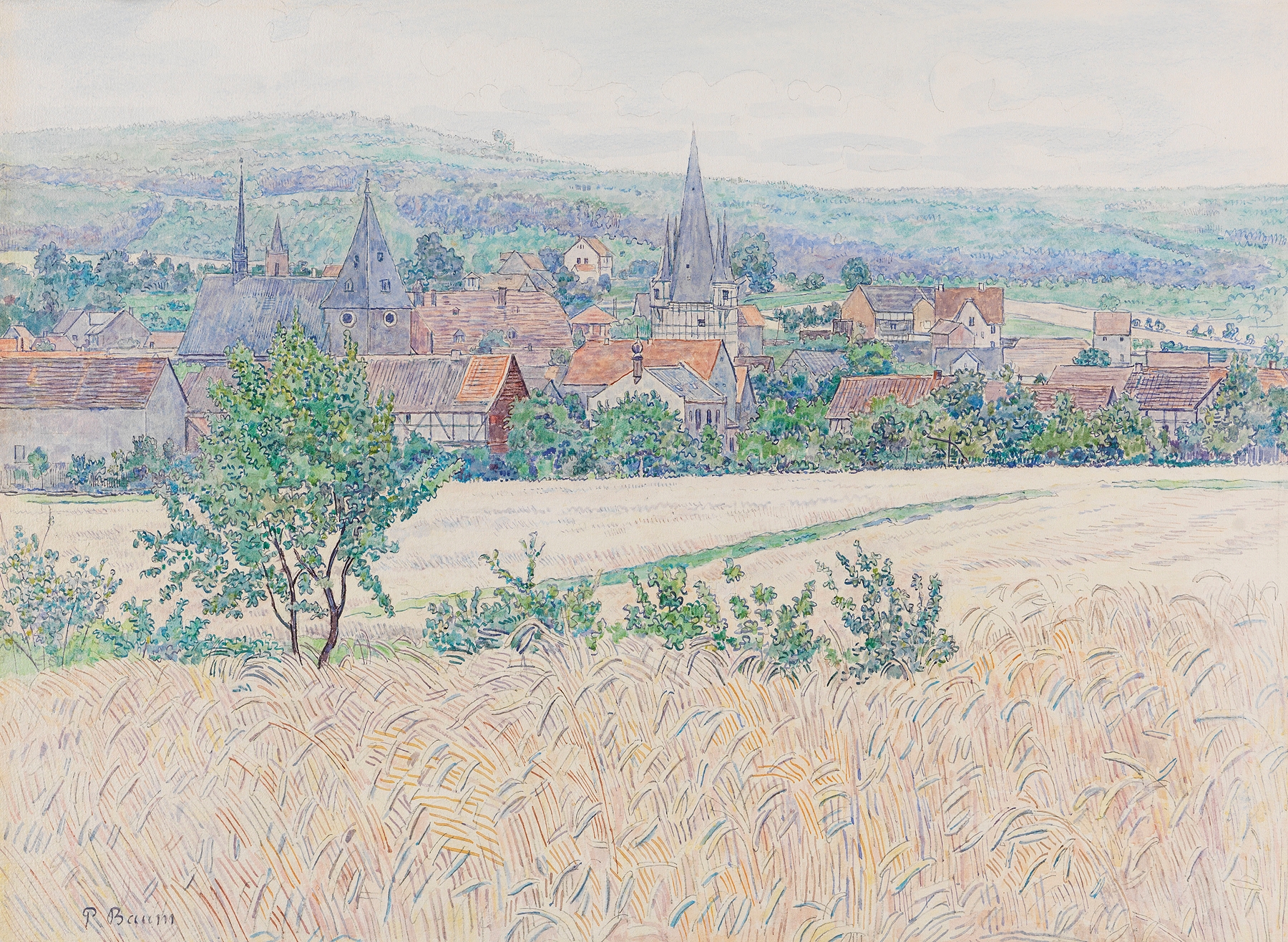
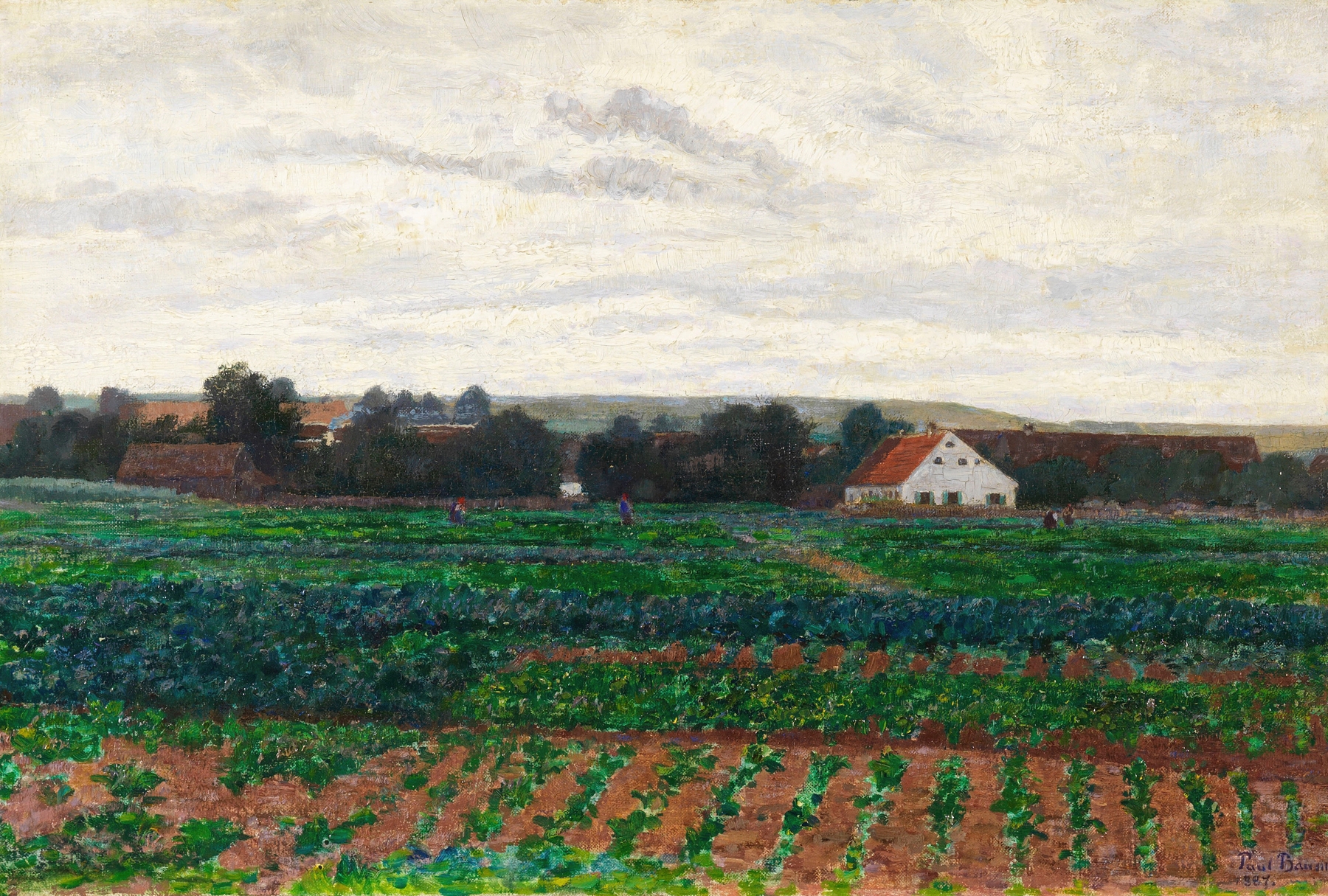
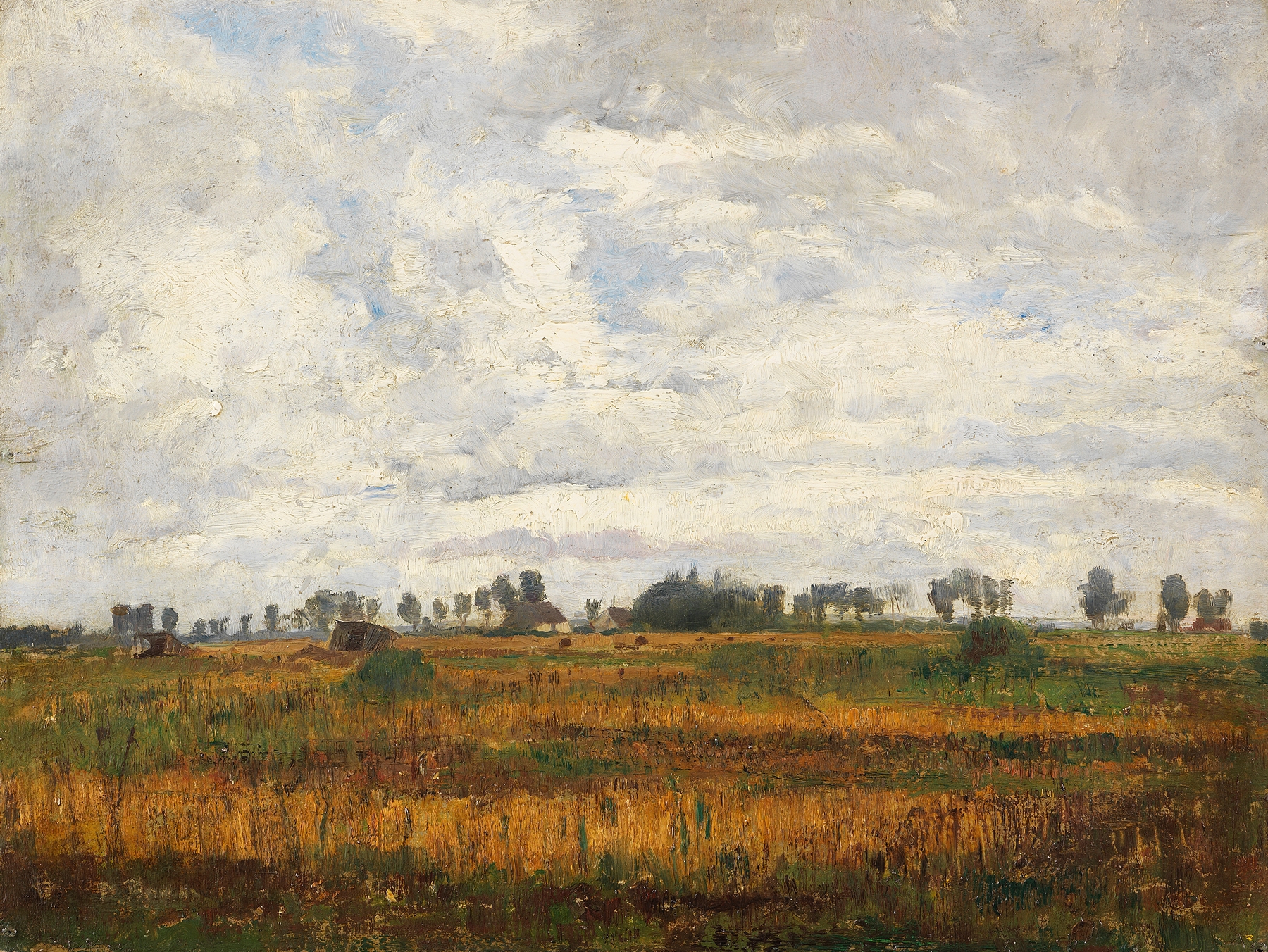
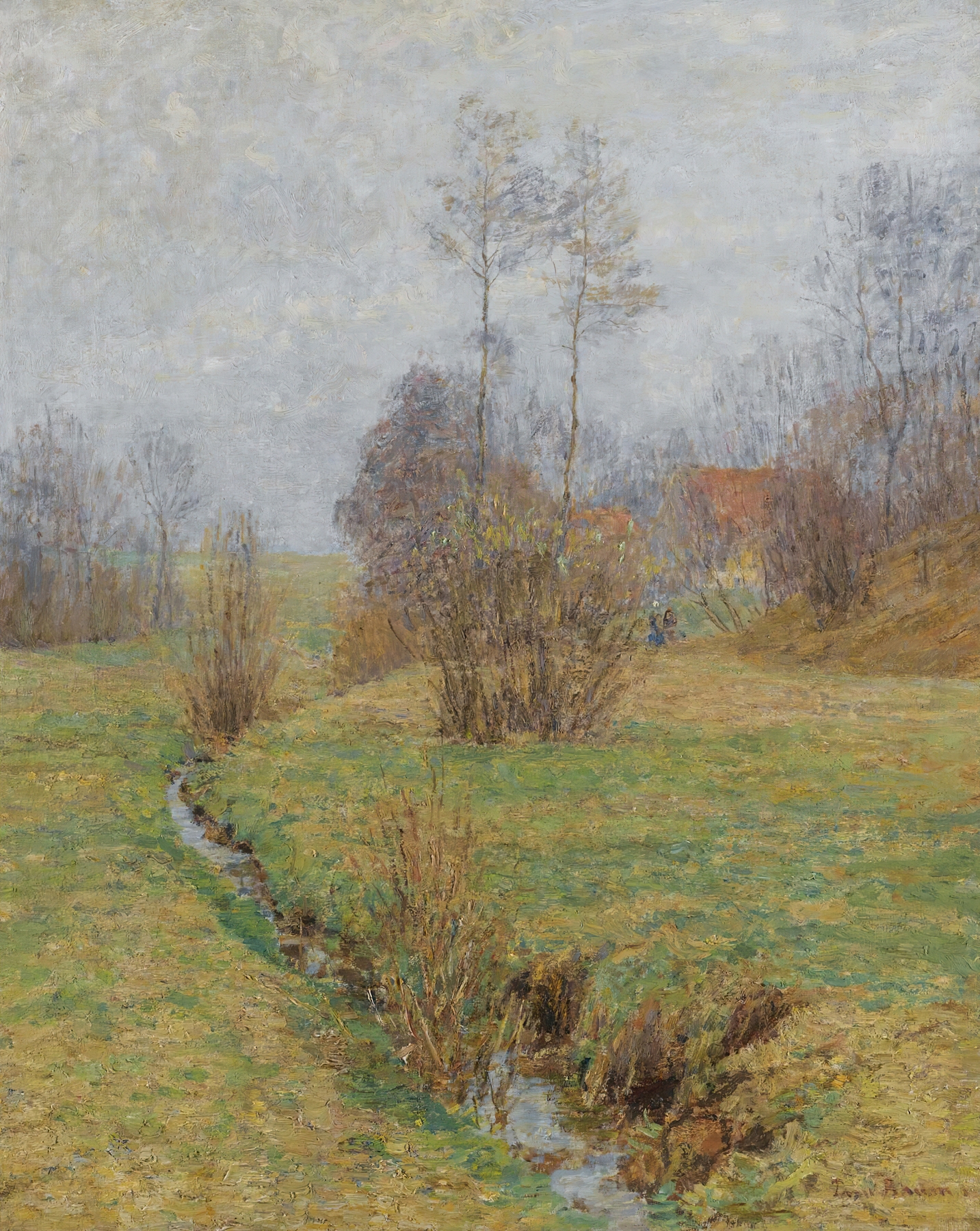
When did color learn to lie? In the vivid embrace of spring, the palette teems with life yet whispers of a deeper, more complex melancholy. Look to the lower left, where the vibrant greens of the fields cradle the rustic charm of a Tuscan estate. The sun spills golden light across the landscape, illuminating the winding road that beckons viewers toward the horizon.
Notice how the artist employs soft brushstrokes to create a sense of movement, inviting our eyes to wander along the path that seems to lead nowhere yet everywhere, suggesting a journey laden with unfulfilled promises. As your gaze drifts to the shadows cast by the blooming trees, a contrast emerges: the joy of nature's rebirth intertwines with an underlying sense of nostalgia. The blue sky, though bright, is tinged with a hint of gray, evoking a bittersweet feeling. This tension between vibrancy and gloom speaks to the human experience—where beauty often coexists with yearning and loss, revealing the complexity hidden within simplicity.
Created in 1912, this work reflects Paul Baum's exploration of color as an emotive language while he was based in Germany. At this time, the artist was deeply engaged with the avant-garde movements that sought to redefine perception through the lens of emotional resonance. Baum’s focus on light and color not only captures the pastoral beauty of the Tuscan landscape but also hints at the shifting tides of social and artistic landscapes just before World War I.