Stürmischer Herbsttag an der Wümme im alten Dorf in Fischerhude — History & Analysis
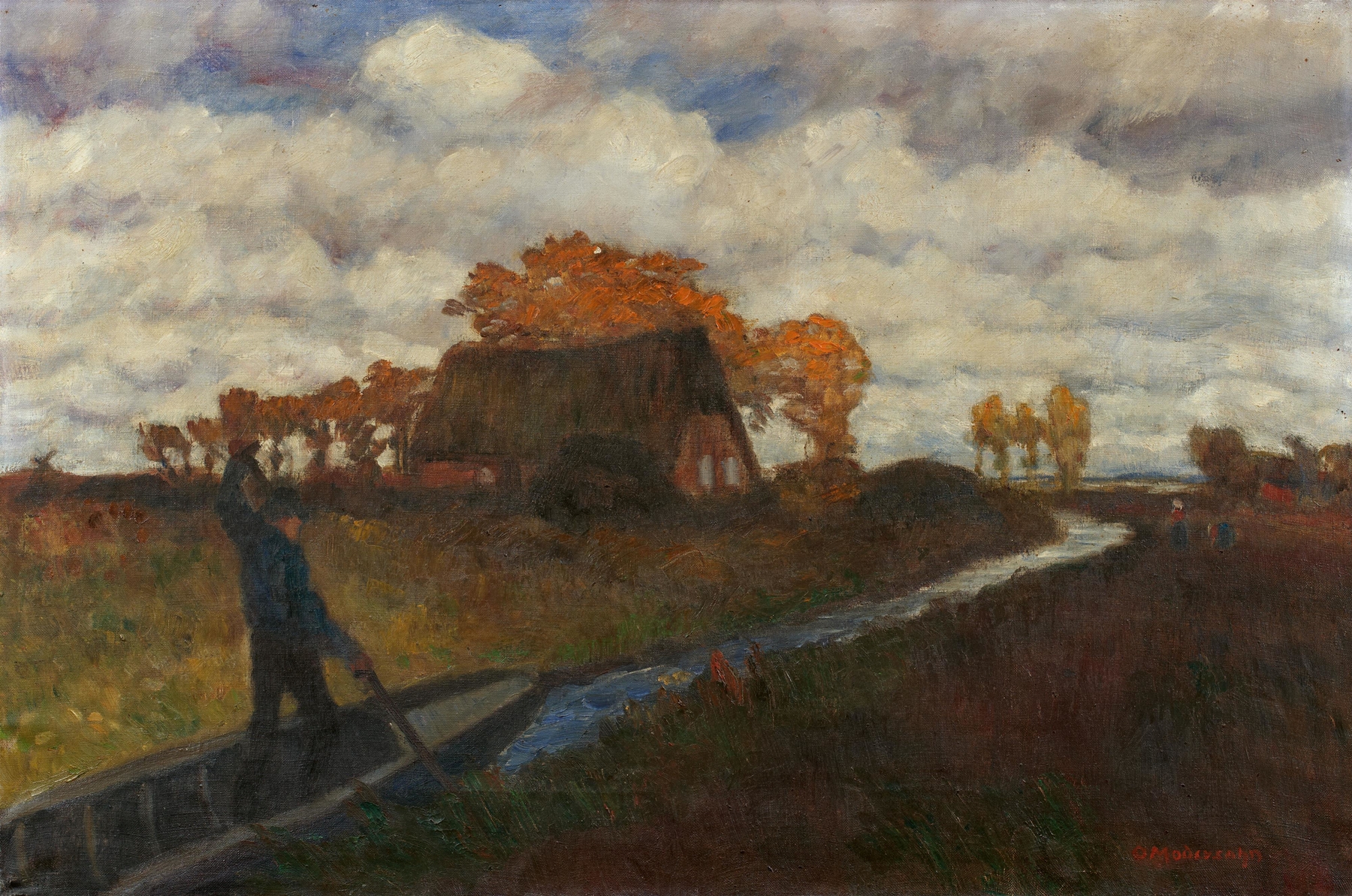
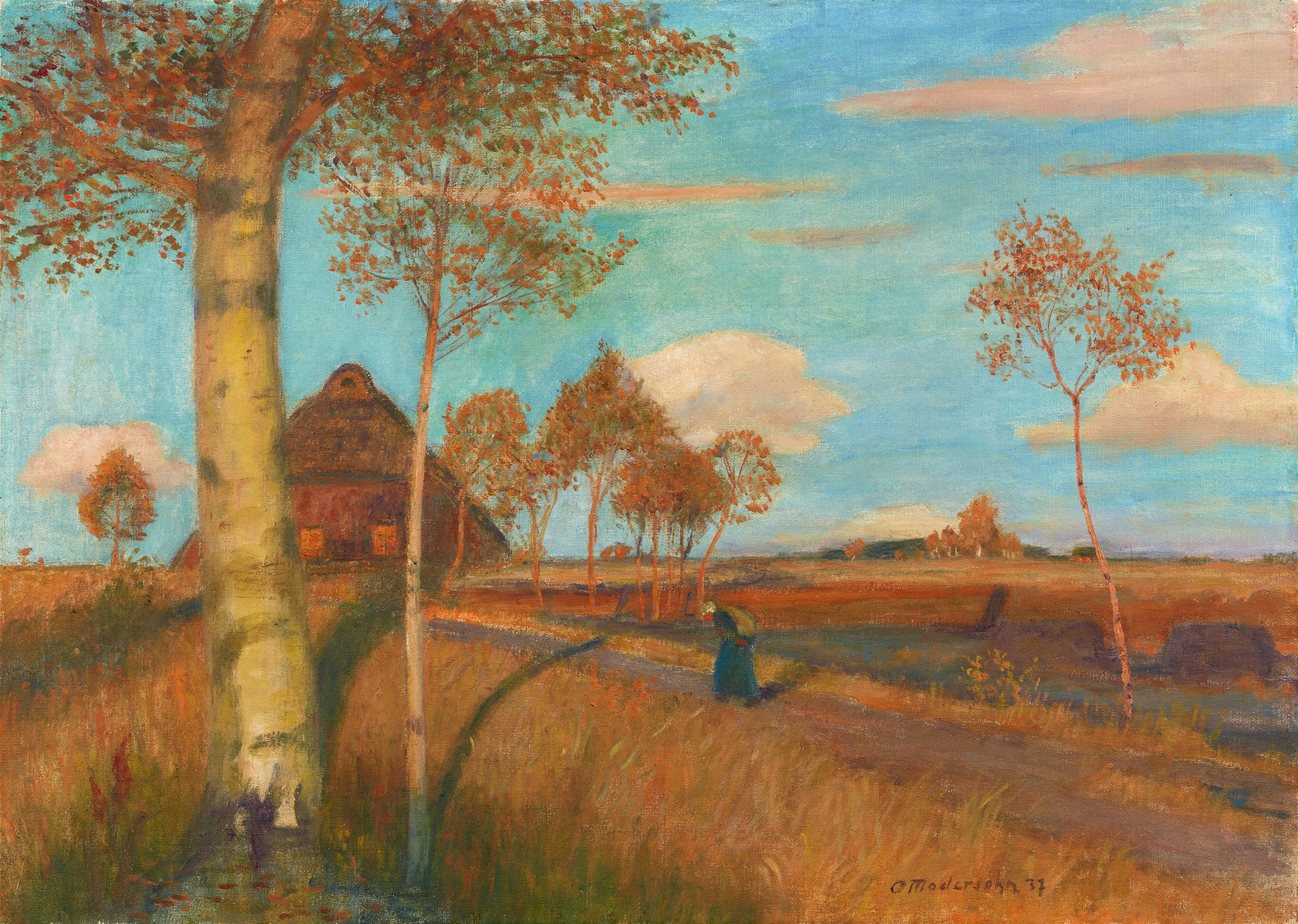
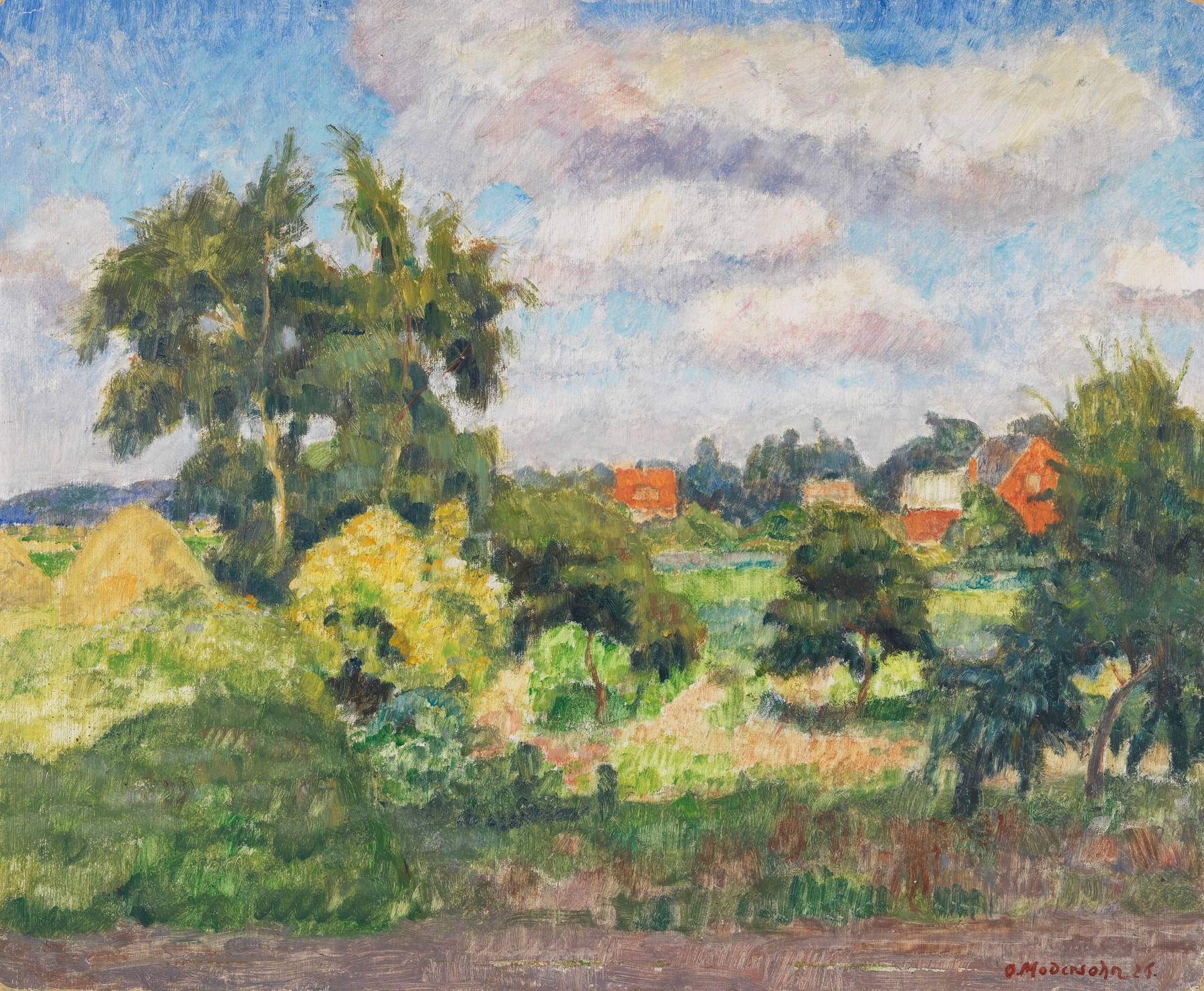
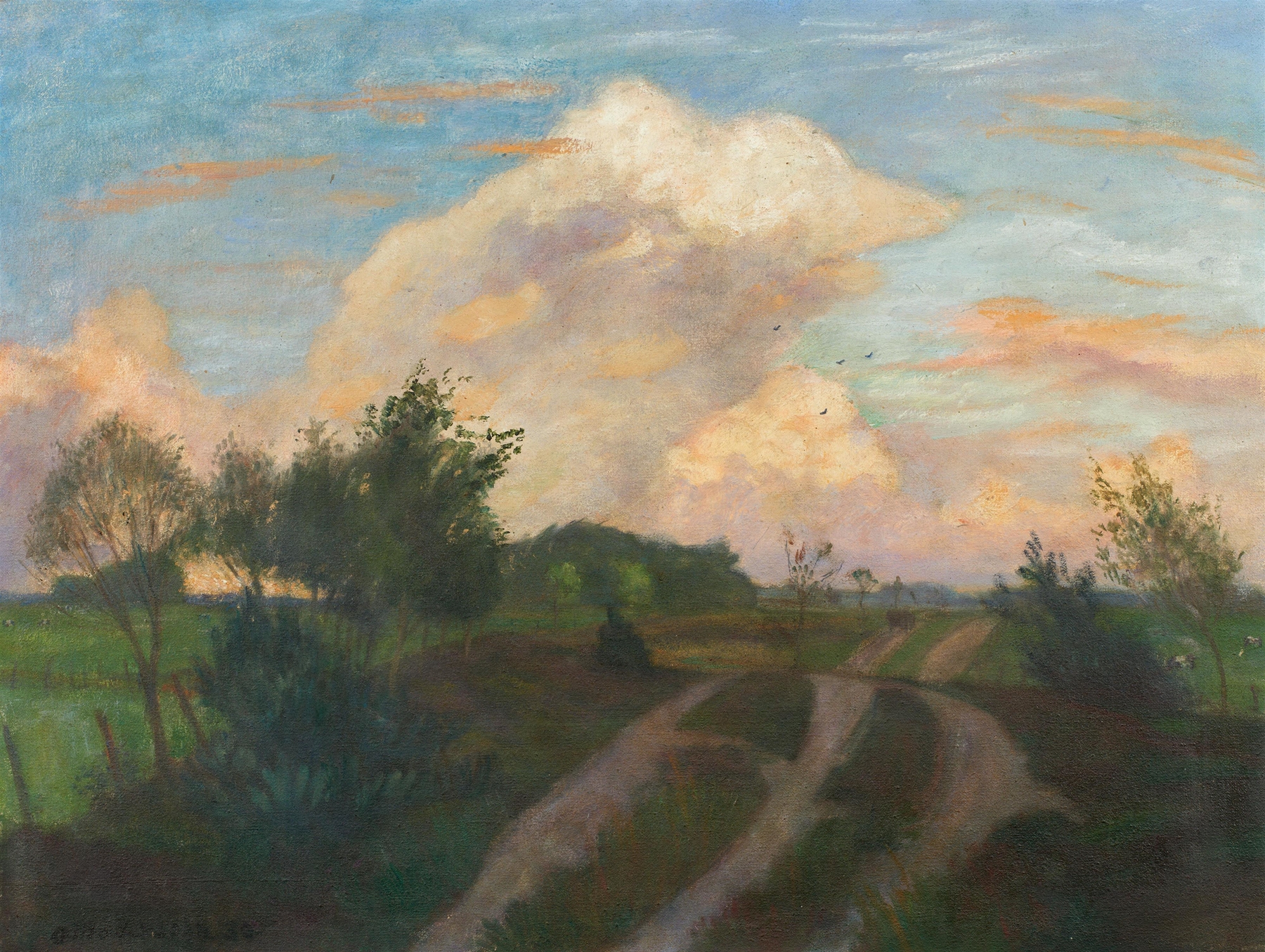
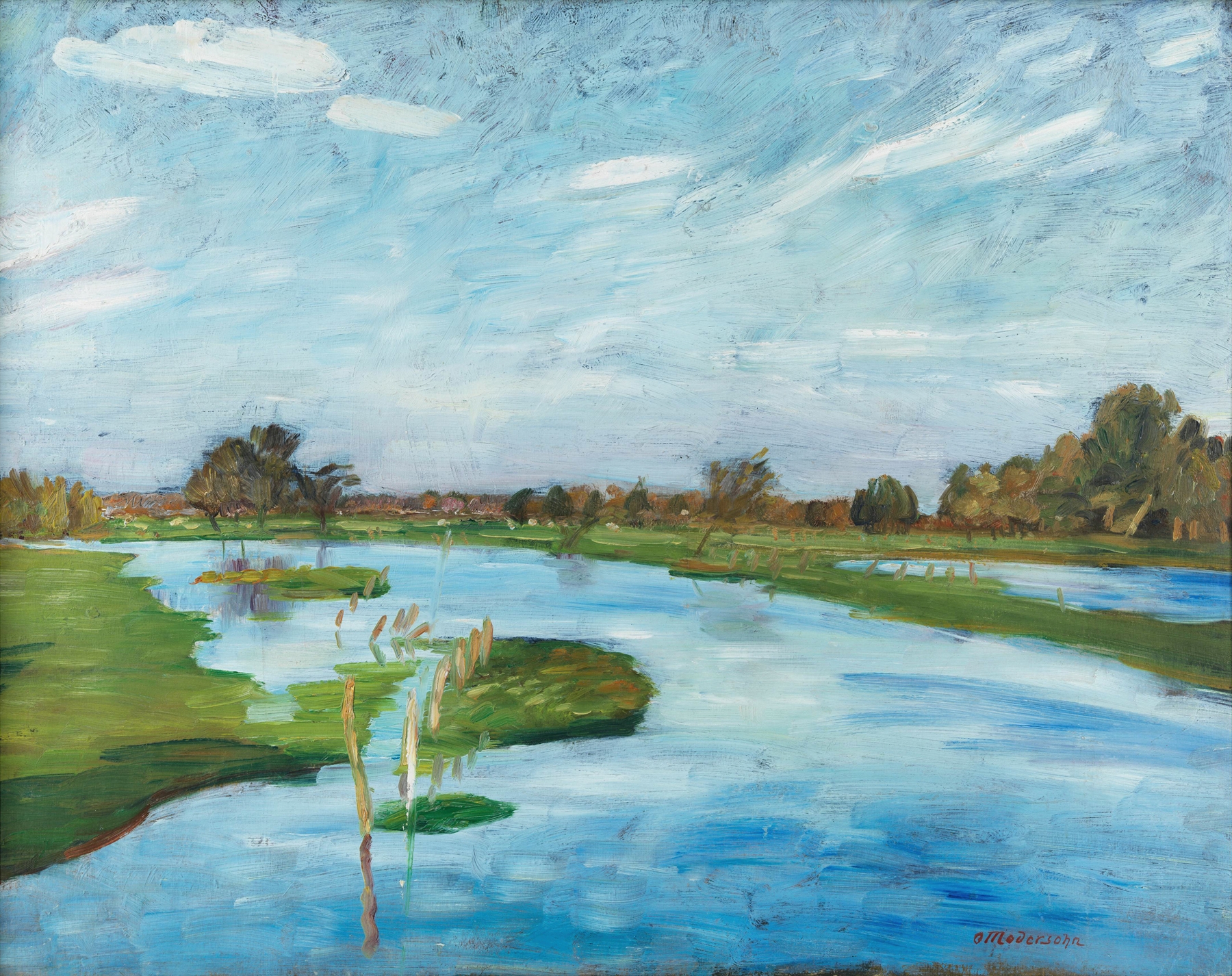
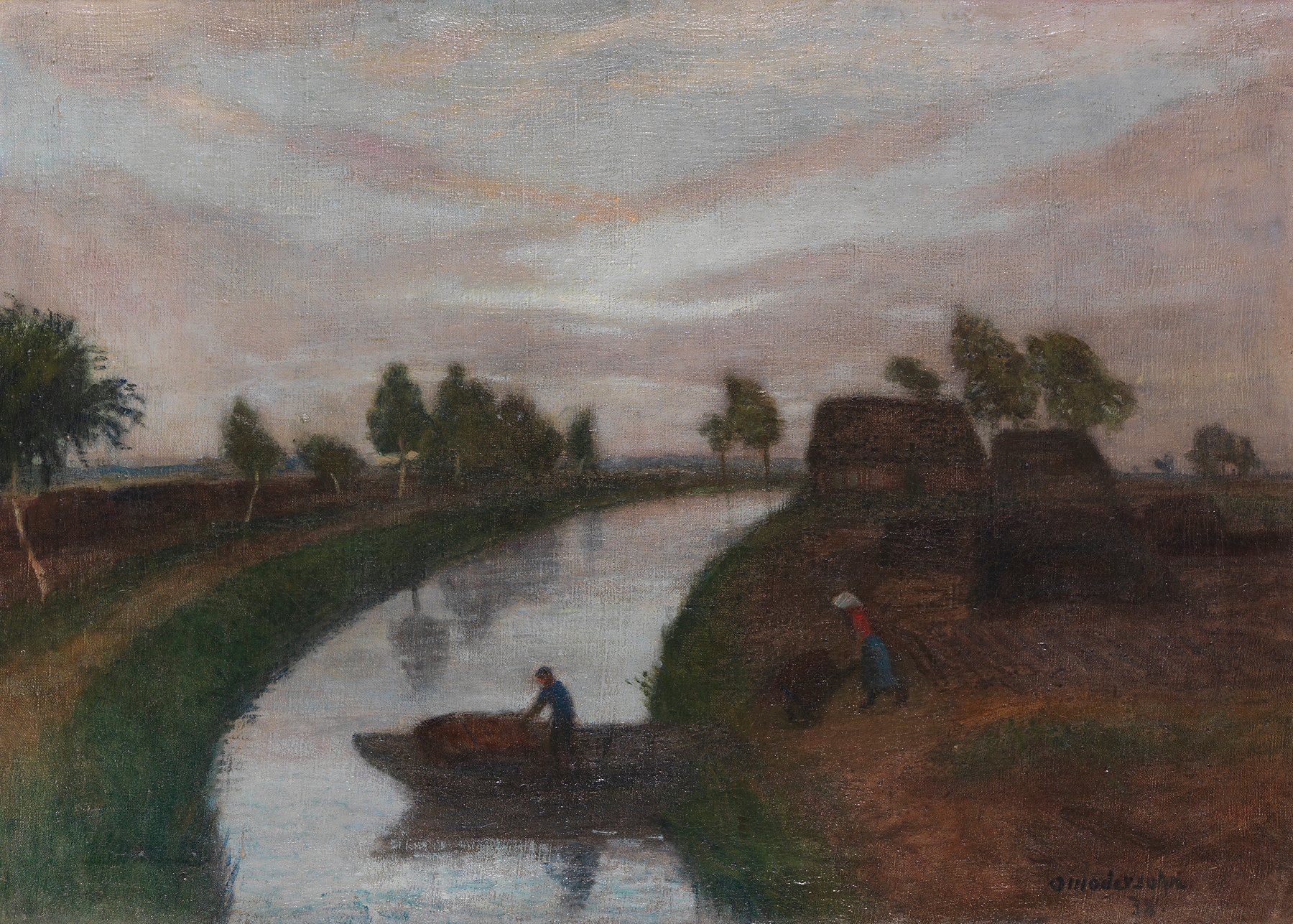
When did color learn to lie? In the embrace of autumn, the brush strokes of 1928 whisper the inevitability of change and the weight of destiny. Look closely at the horizon where the sky melds into tumultuous shades of gray and ochre, capturing the essence of a stormy day. Notice how the trees sway, their leaves fluttering in a dance between life and surrender.
The old village, nestled at the river's edge, seems to hold its breath, wrapped in the soft glow of diffused light that fights against the encroaching clouds. This ethereal interplay of color and shadow reveals Modersohn’s delicate touch, where every hue serves a purpose, evoking both solace and anxiety. As the viewer’s gaze wanders, an unsettling tension emerges between nature's resilience and the transient beauty of the village. The wildness of the storm hints at the inevitable decay that accompanies autumn, while the quaint structures stand as silent witnesses to the passage of time.
Each crooked line and layered color reflects a deeper narrative of what it means to endure, echoing a profound connection between humanity and the relentless march of the seasons. Otto Modersohn created this work in the backdrop of post-World War I Germany, during a time when artists were seeking new identities in the chaos of a changing world. Living in Fischerhude, a quaint village known for its artistic community, he grappled with personal and societal transformations. This painting encapsulates both his internal struggle and the external turmoil of his surroundings, characterized by an exploration of nature that speaks to the heart of human experience.