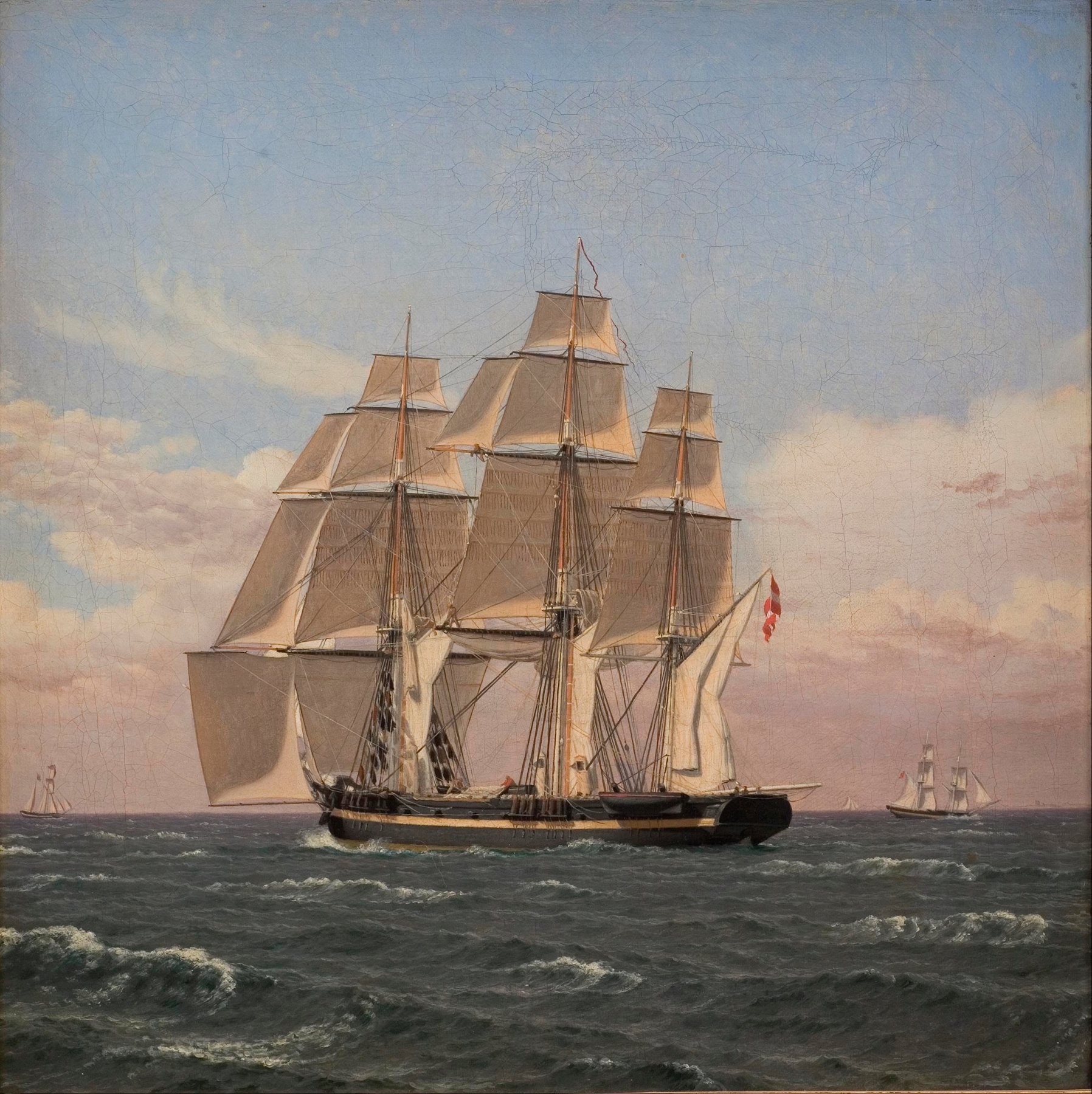
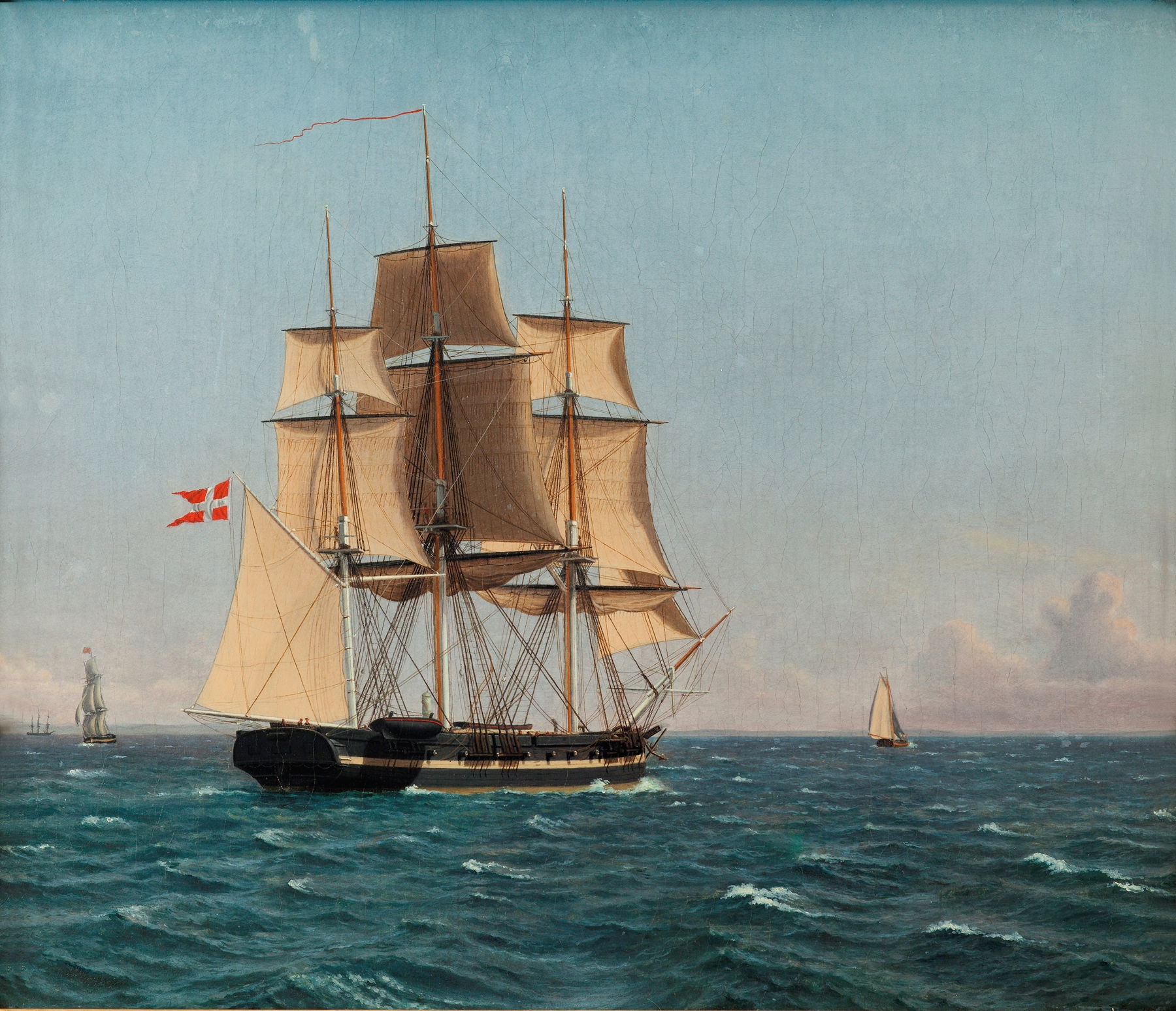
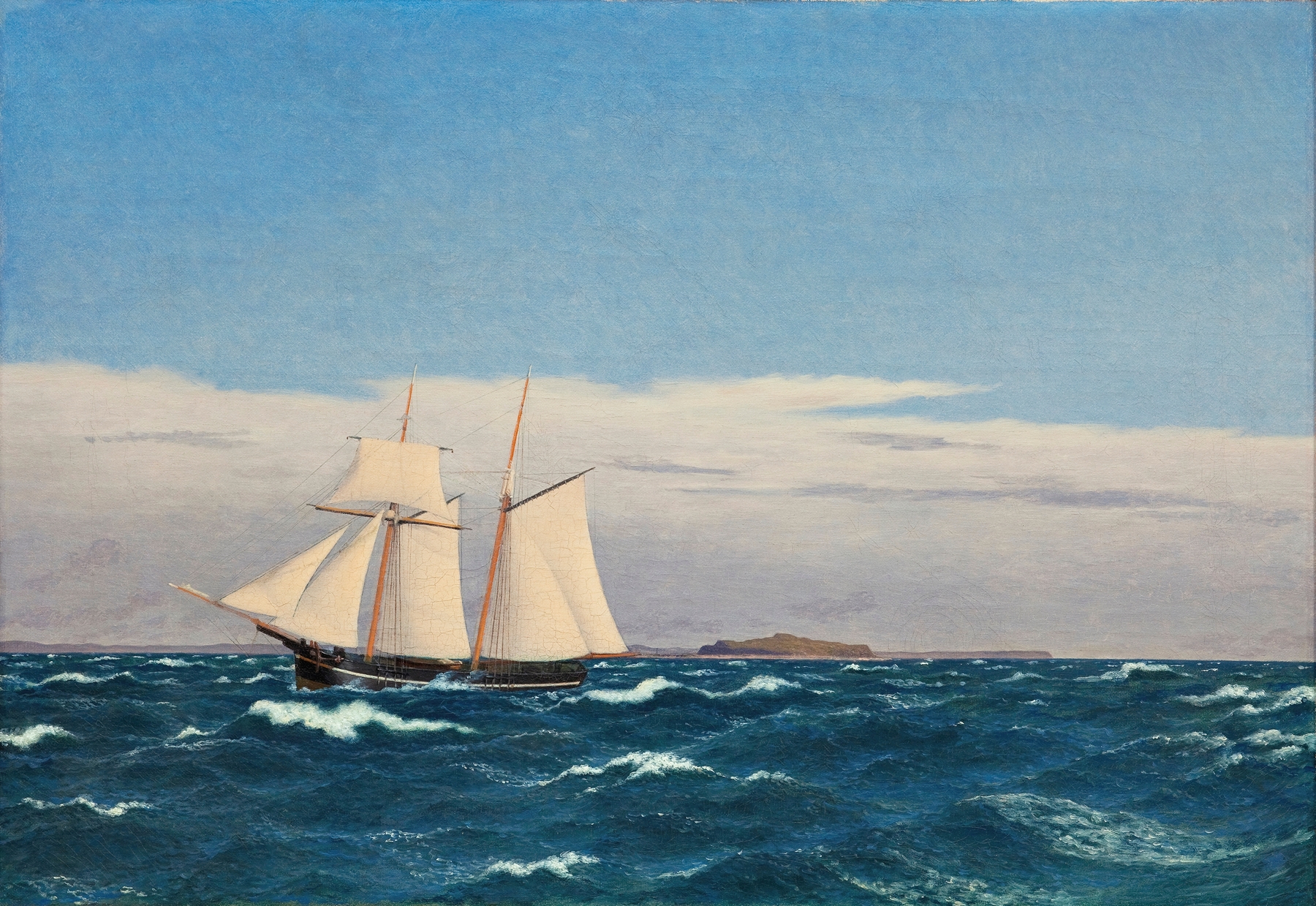
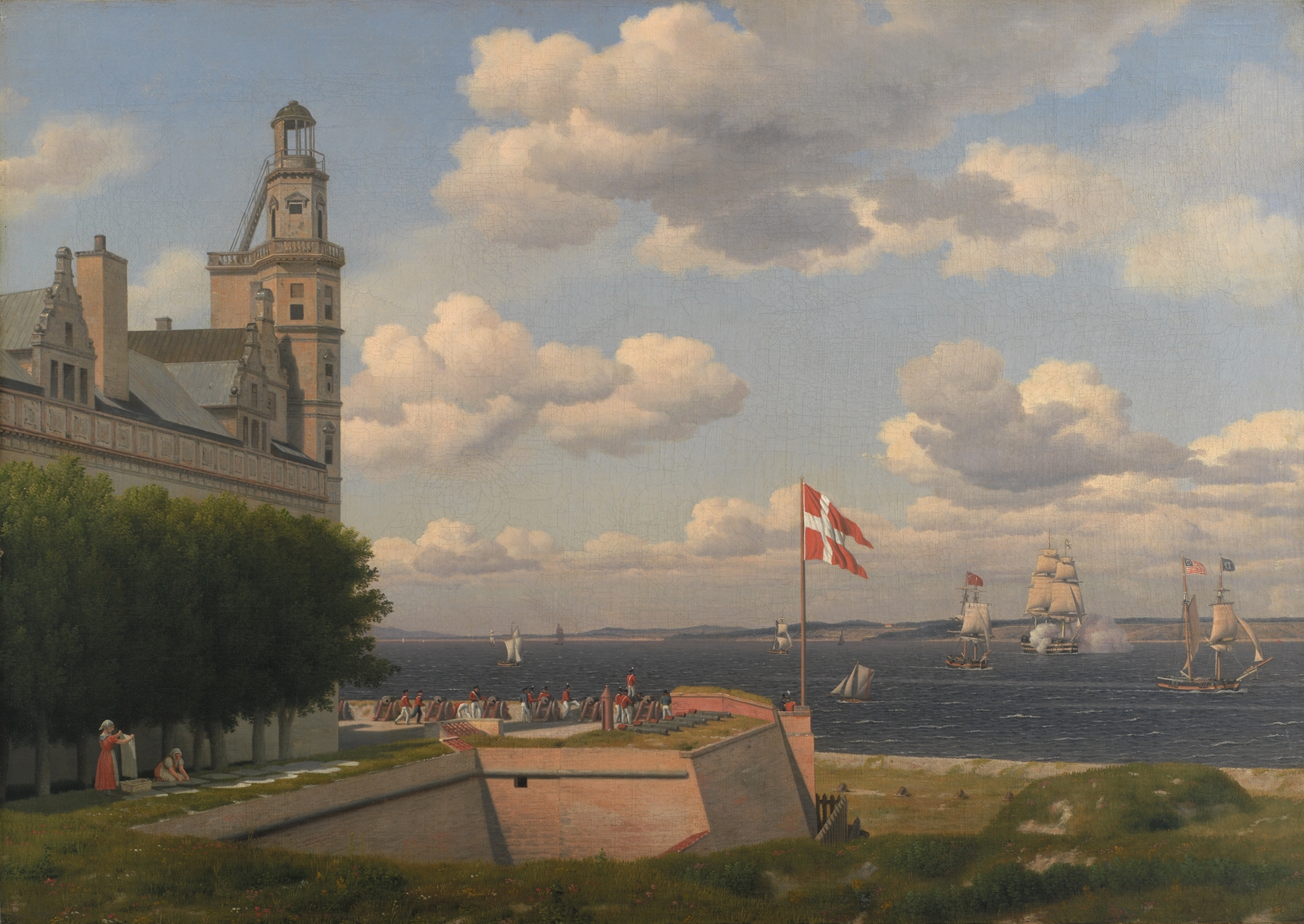
Study of Clouds over the Sound — History & Analysis
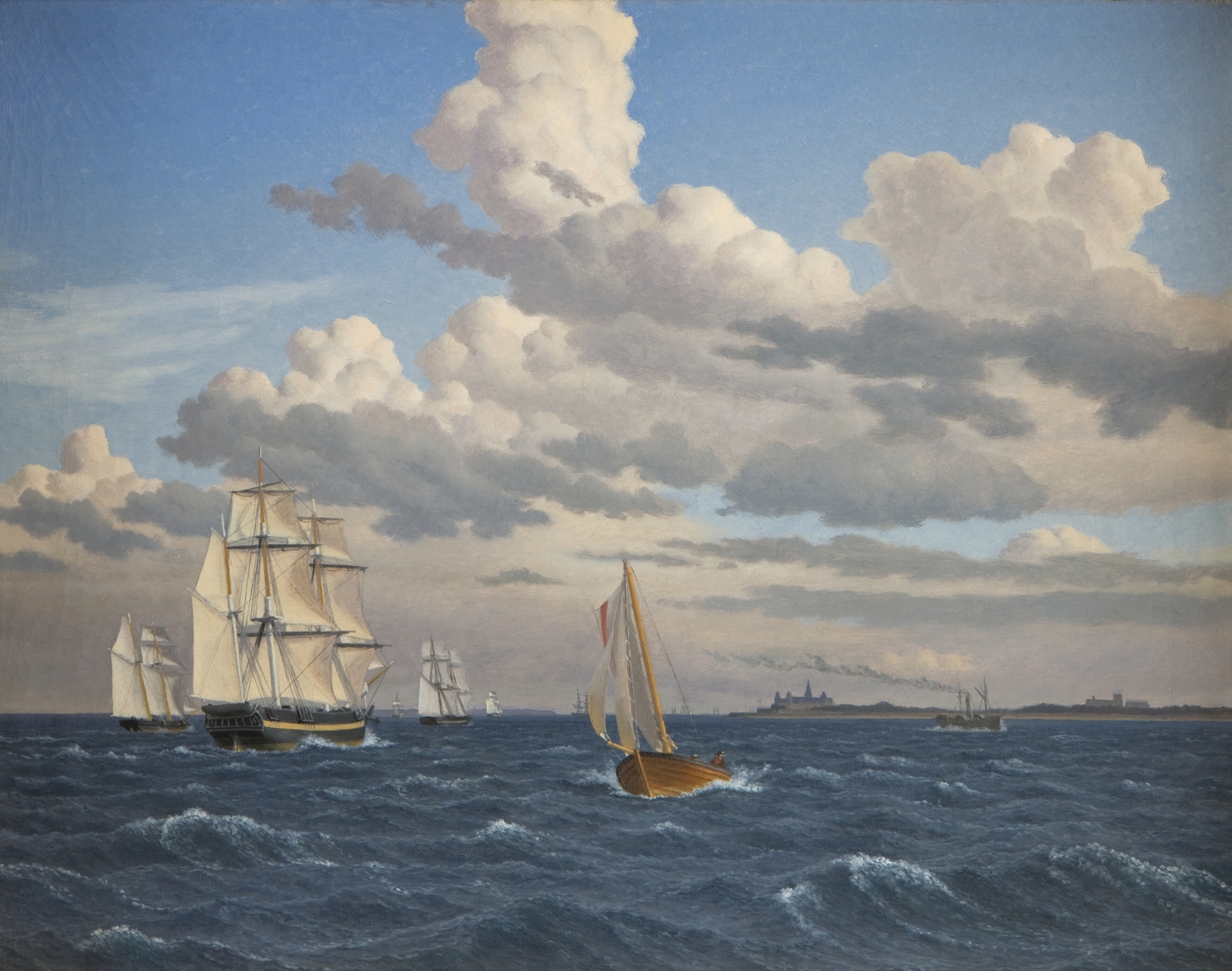
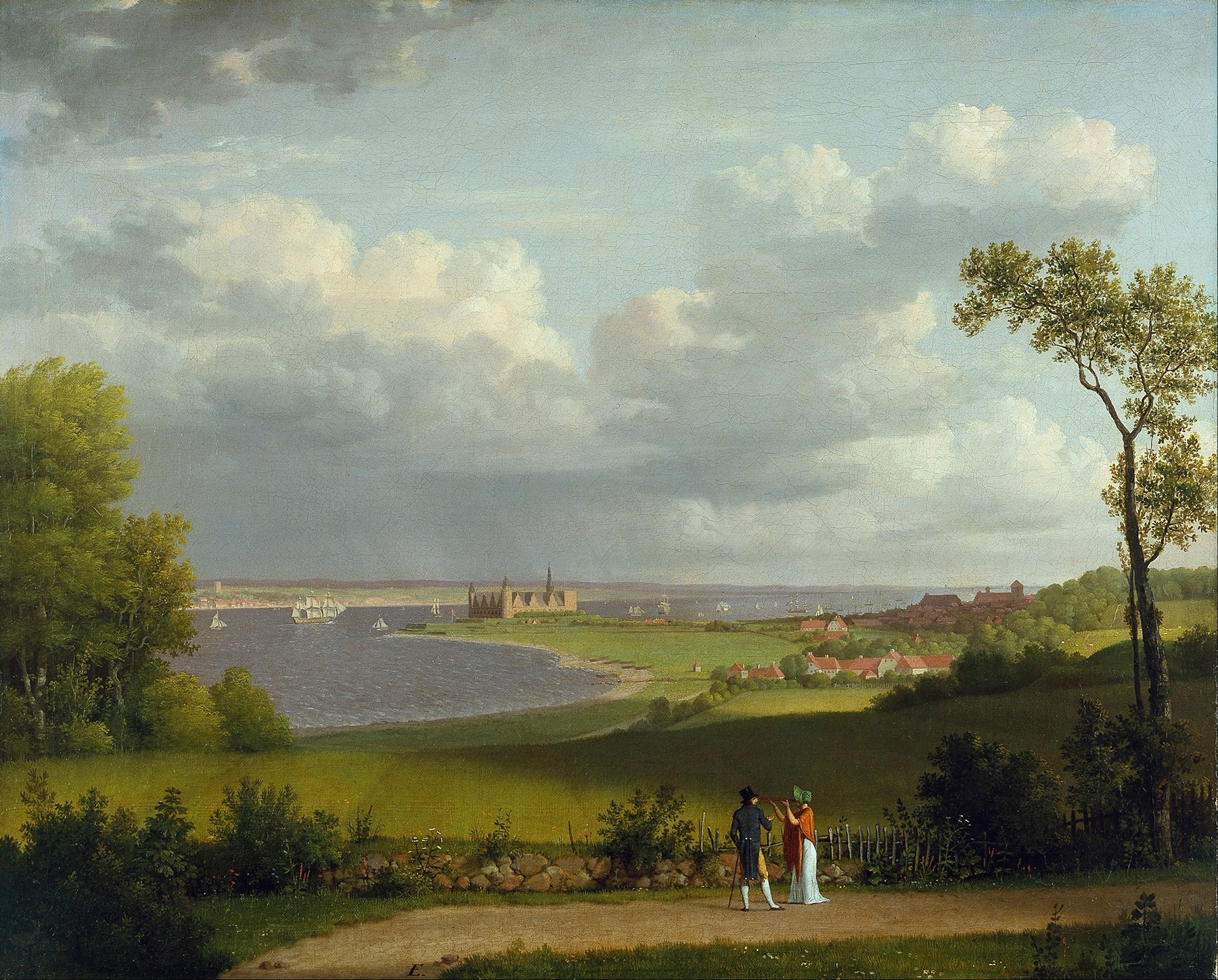
“Between color and silence, truth hides.” In the delicate embrace of nature, fragility takes center stage, reminding us of the ephemeral beauty that surrounds us. Focus first on the soft blues and grays that swell across the canvas, inviting the eye to wander into the serene sky. Notice how the subtle brushstrokes weave a tapestry of clouds, creating a gentle contrast against the tranquil sound below. The translucent washes of color convey a sense of movement, as if the clouds themselves are in conversation with the fading light, suggesting both quietude and unrest.
Within the composition, a tension brews between the solidity of the earth and the shifting, almost ghostly presence of the clouds. The reflections on the water evoke a sense of longing, while the horizon appears to dissolve, inviting thoughts of infinity and the unknown. Each fleeting cloud mirrors a moment of introspection—an exploration of our own fragility amidst nature's vastness.
In 1826, Eckersberg created this work during a pivotal period in his life while living in Denmark. He was immersed in the Romantic movement, dedicated to capturing the sublime in nature. The art world was keenly transitioning from neoclassical ideals to Romantic expressions, and Eckersberg’s studies of landscapes showcased a new appreciation for color and light, marking him as a significant figure in the development of Scandinavian art.