Summer Landscape — History & Analysis
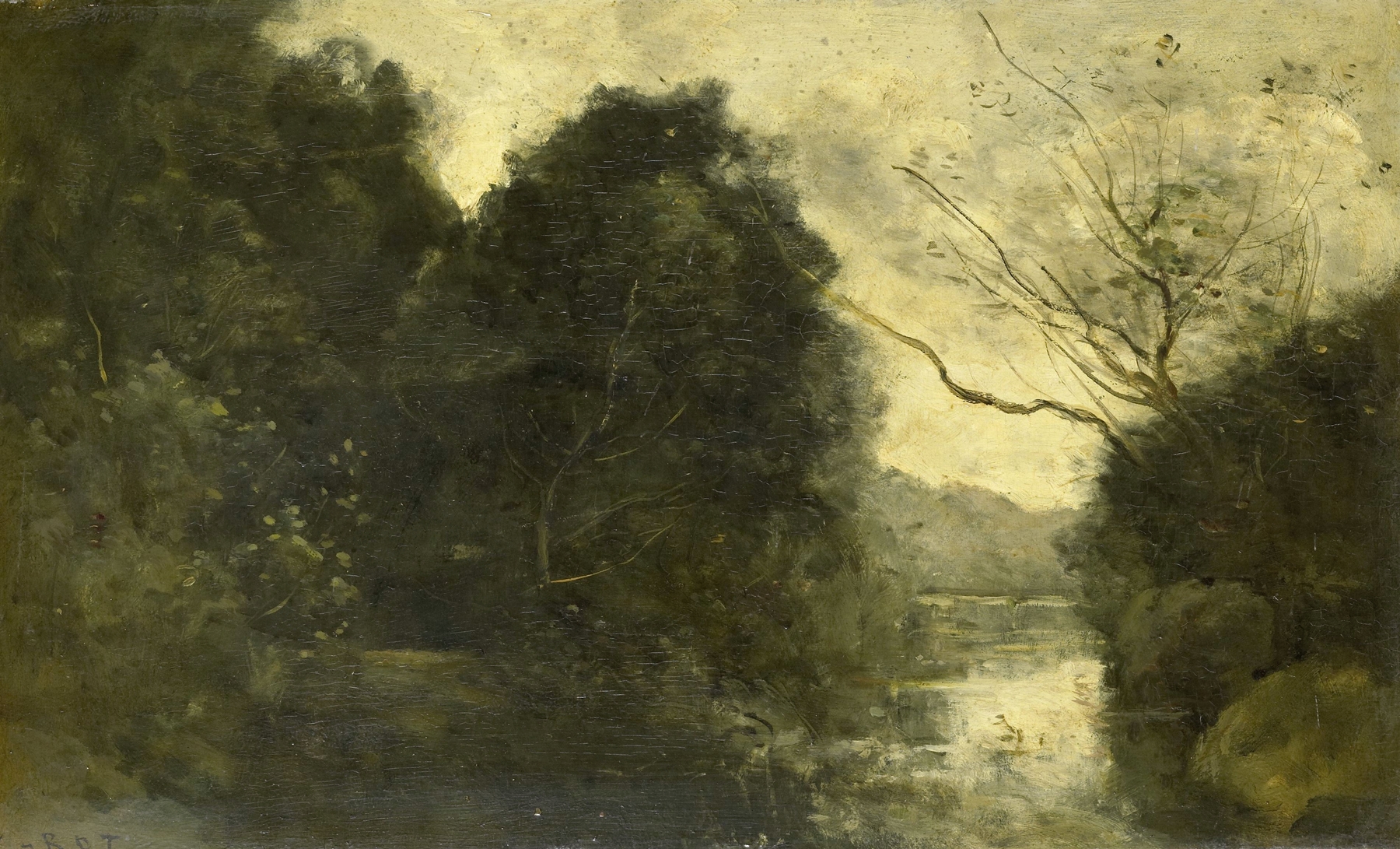
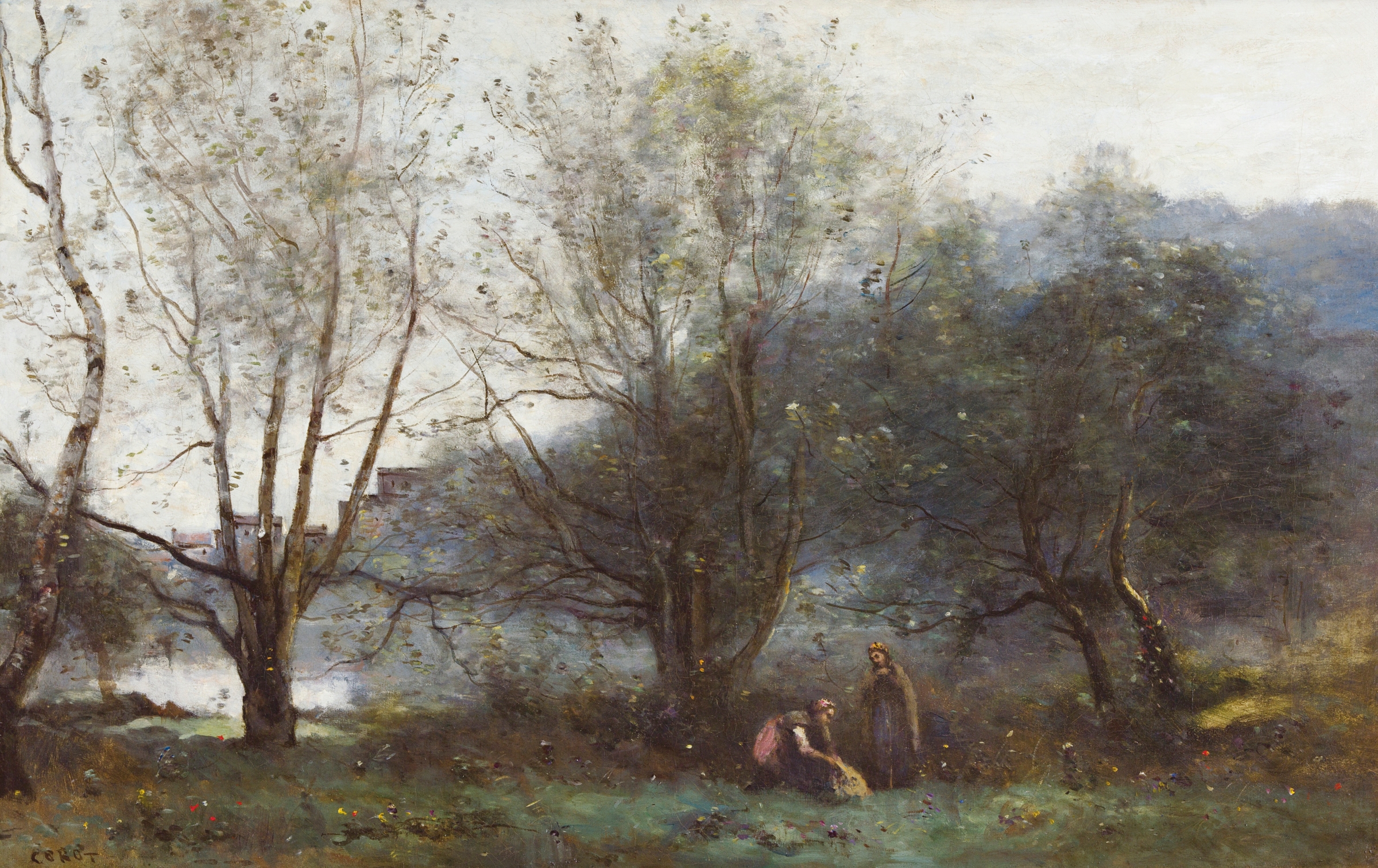
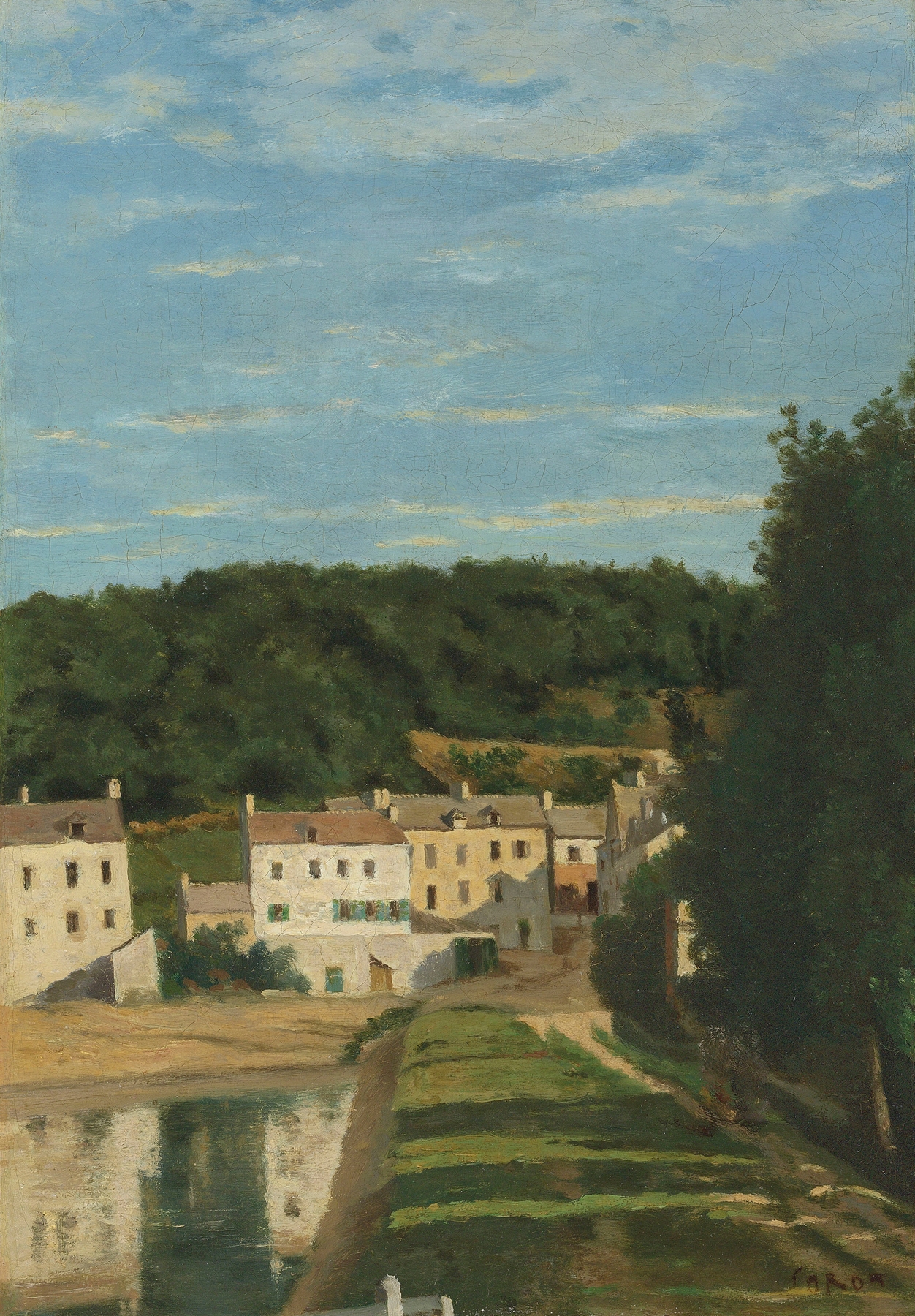
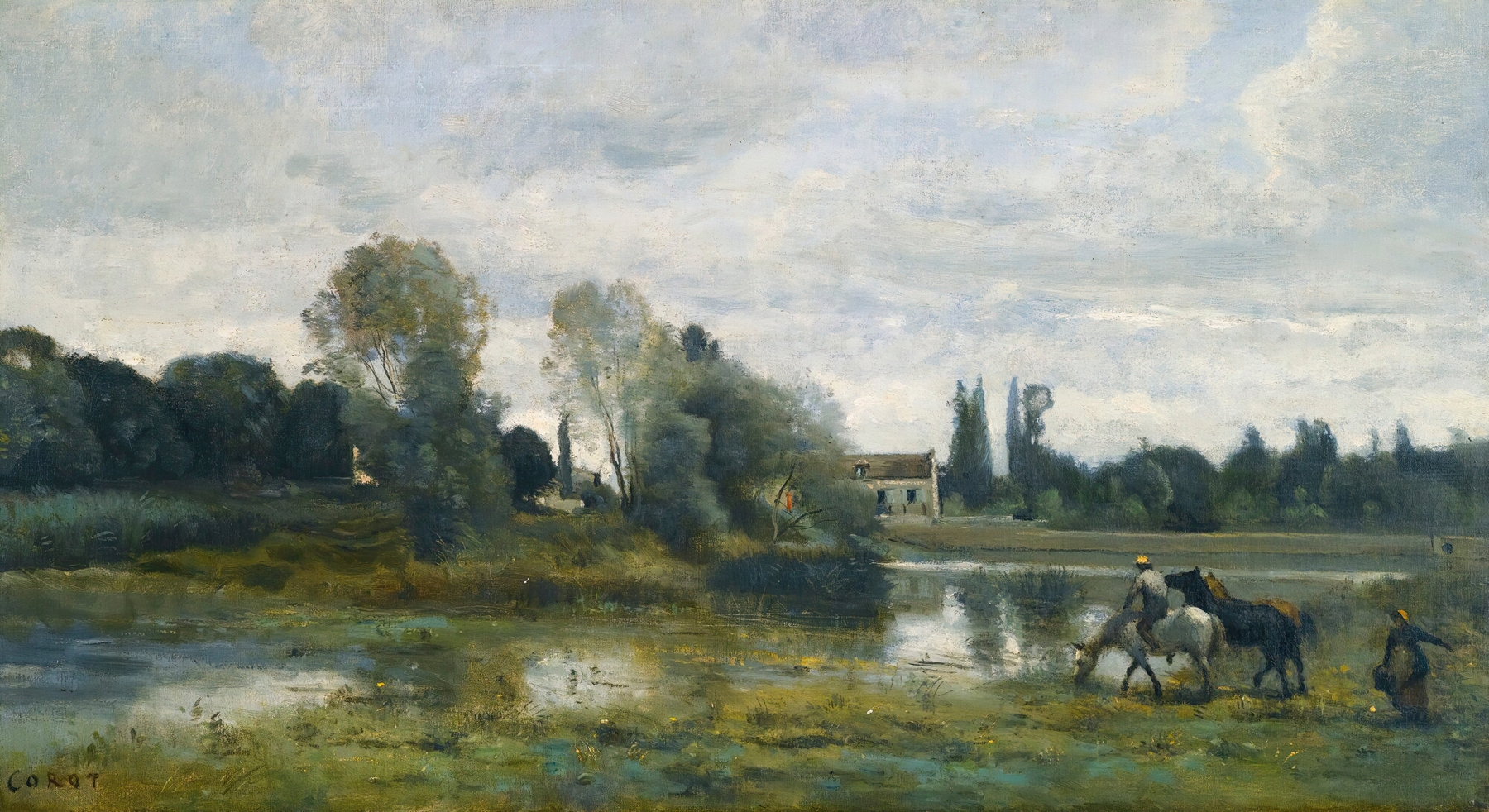
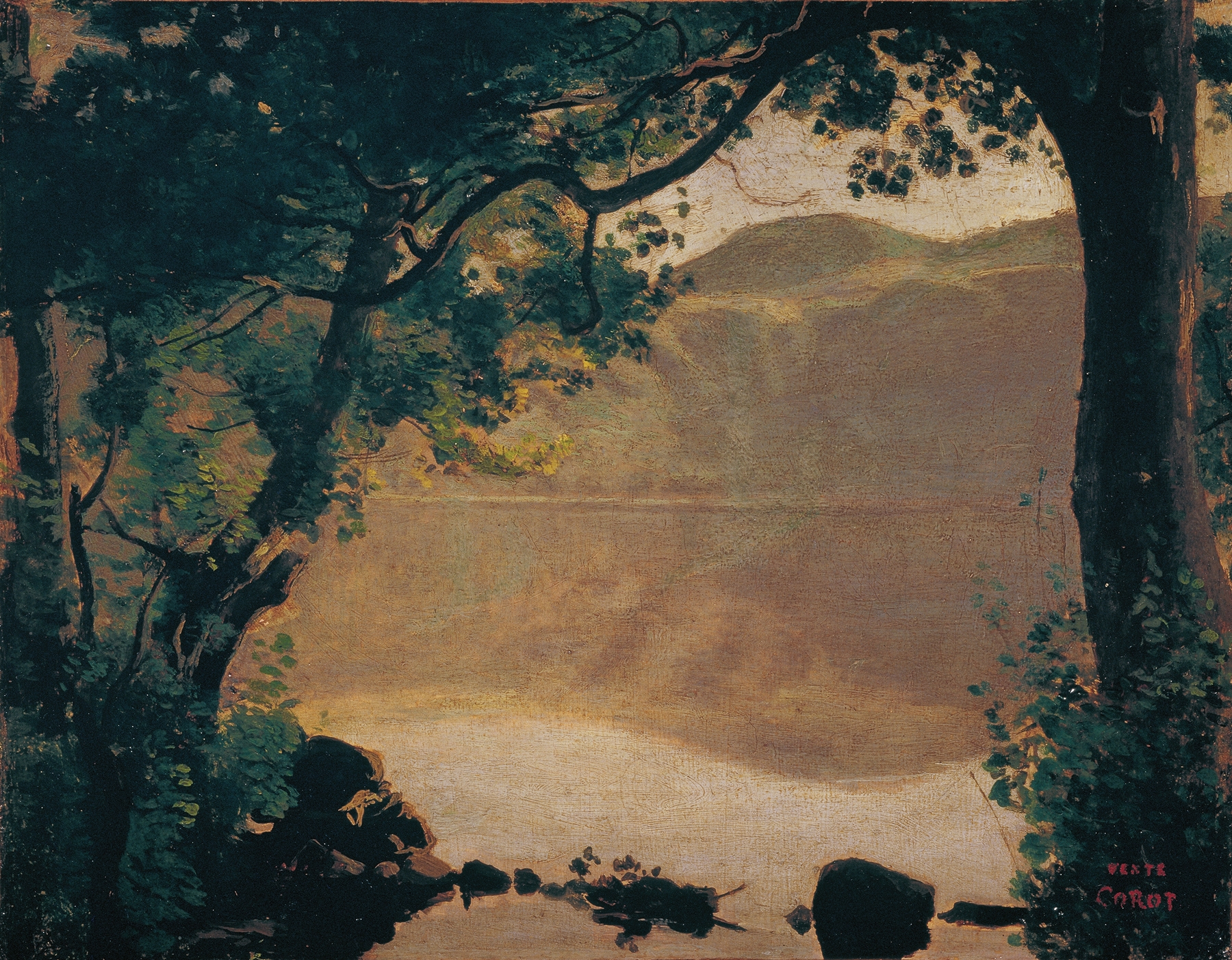
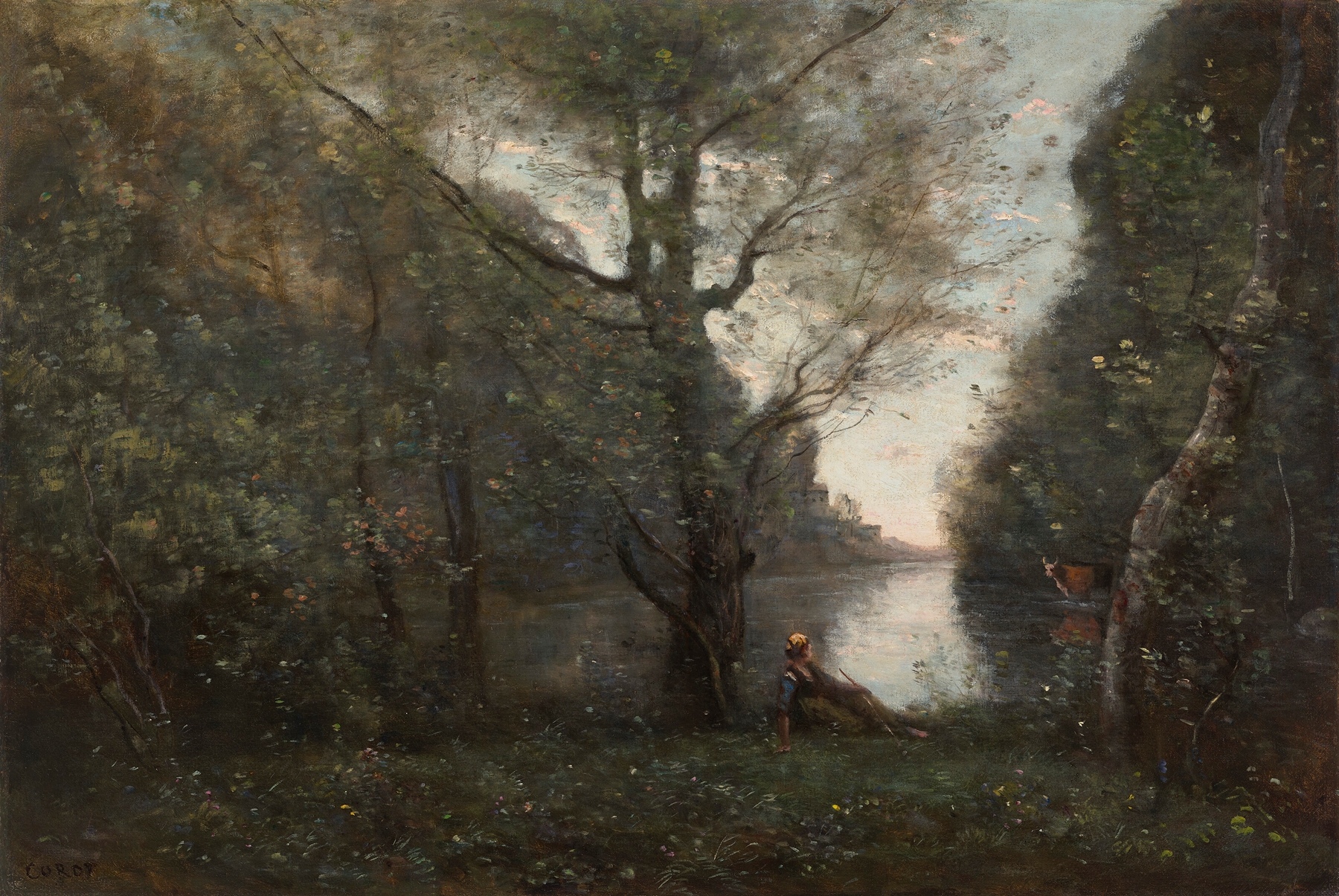
What if silence could speak through light? In Summer Landscape, the artist invites us to explore a memory painted with the soft whispers of nature. Look to the lower left where the gentle curve of the river reflects the sky’s embrace. Notice how the delicate brushstrokes convey the rippling water, shimmering under a sun that bathes the scene in warm, golden hues.
Focus on the horizon, where lush trees stand sentinel, their leaves dancing lightly in the breeze. The composition draws the viewer’s eye to a serene balance between earth and sky, each color harmonizing to evoke a sense of peace. Delve deeper into the interplay of light and shadow, revealing the emotional tension inherent in the work. The bright sections symbolize fleeting moments of joy, while the shadows hint at the inevitability of change and the passage of time.
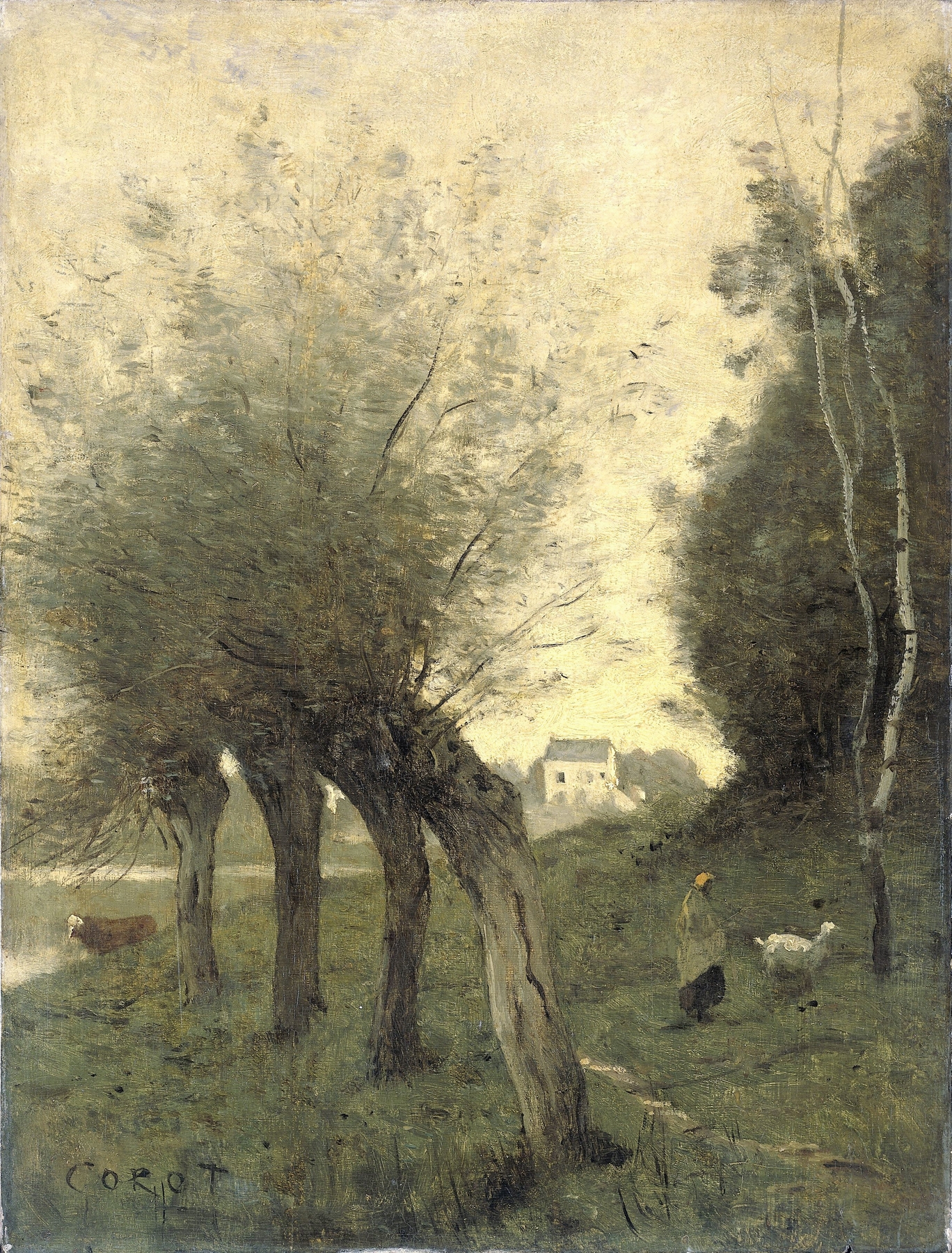
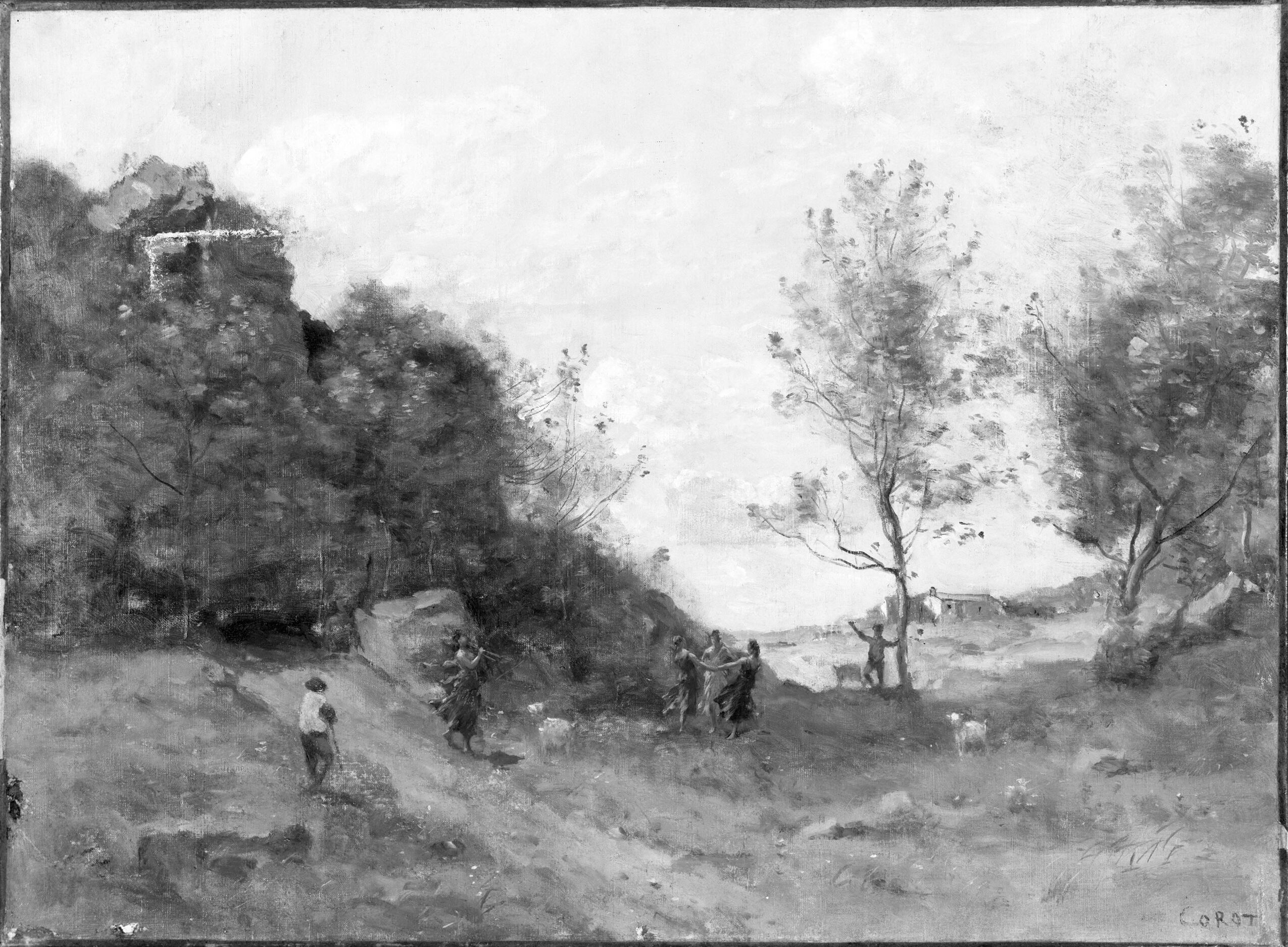
The figure, almost indistinguishable amidst the landscape, suggests a memory intertwined with the scenery—a reminder of humanity’s place within nature’s vast expanse. During the years 1855 to 1860, Corot was deeply engaged with the Barbizon school, focusing on plein air painting. Living in France, this period marked a transition in his style, as he embraced a more impressionistic approach. The art world was shifting, responding to the changing light of modernity and the Romantic ideals of nature, making this era pivotal for the artist’s evolving legacy.