Summertime — History & Analysis
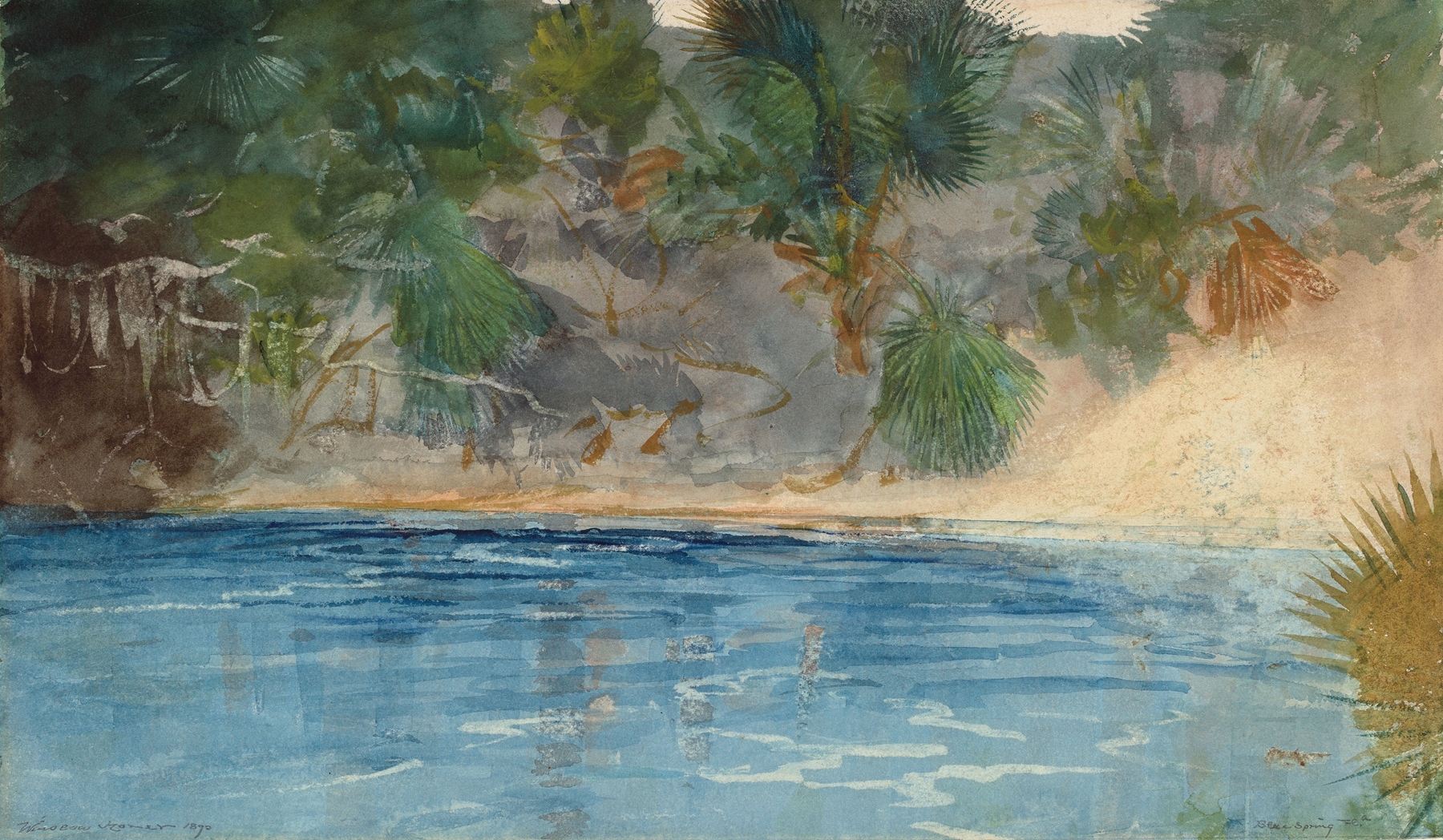
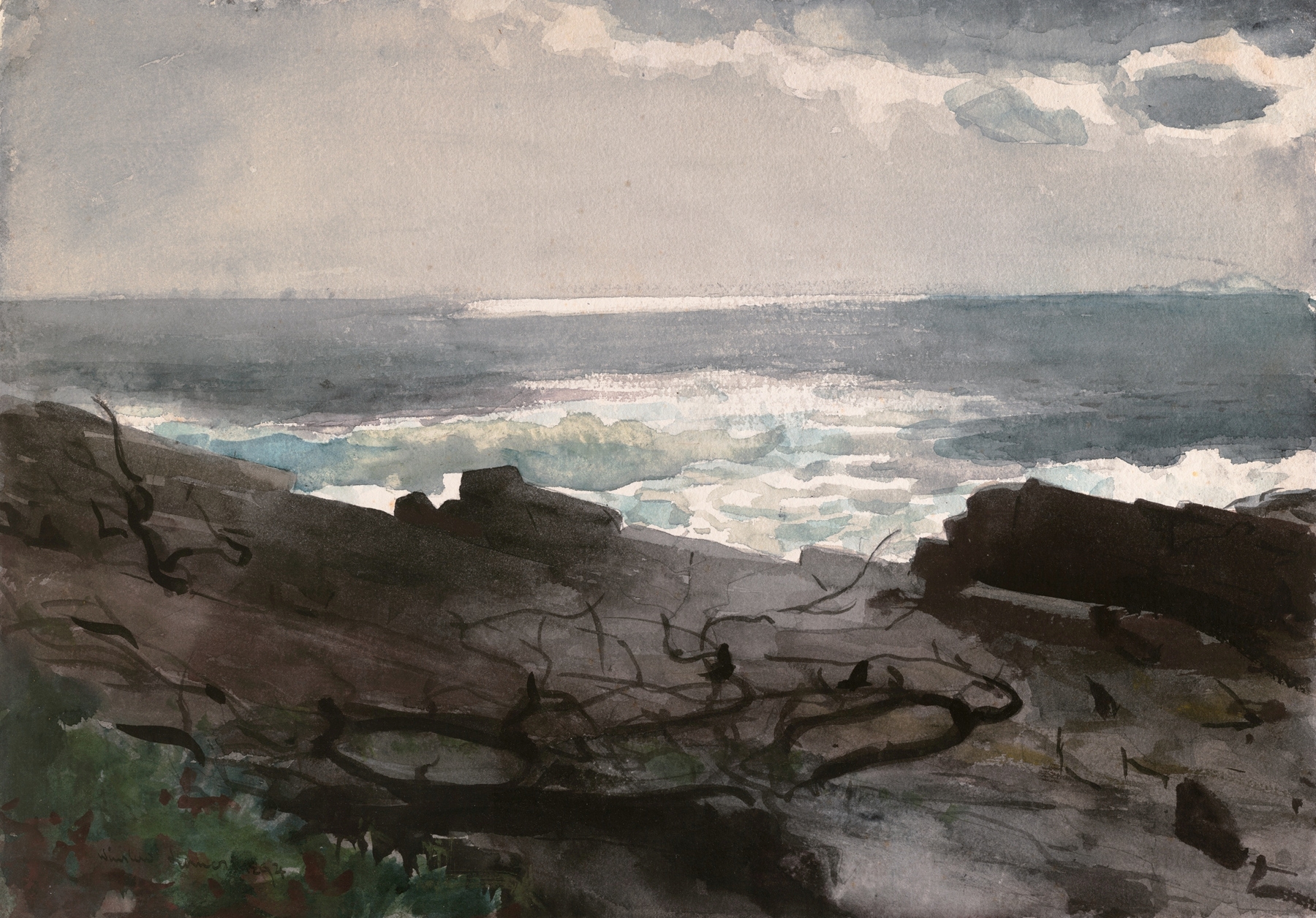
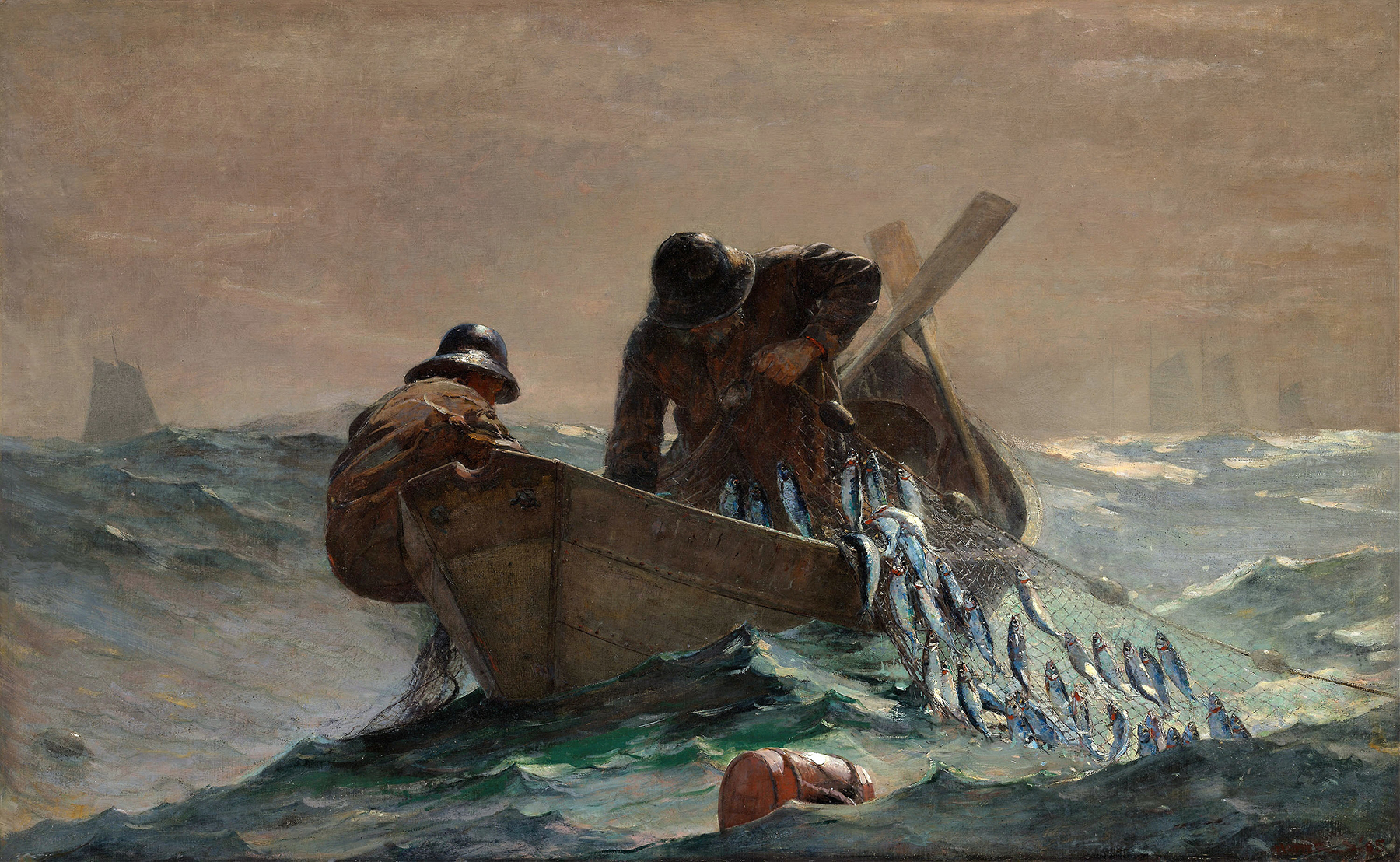
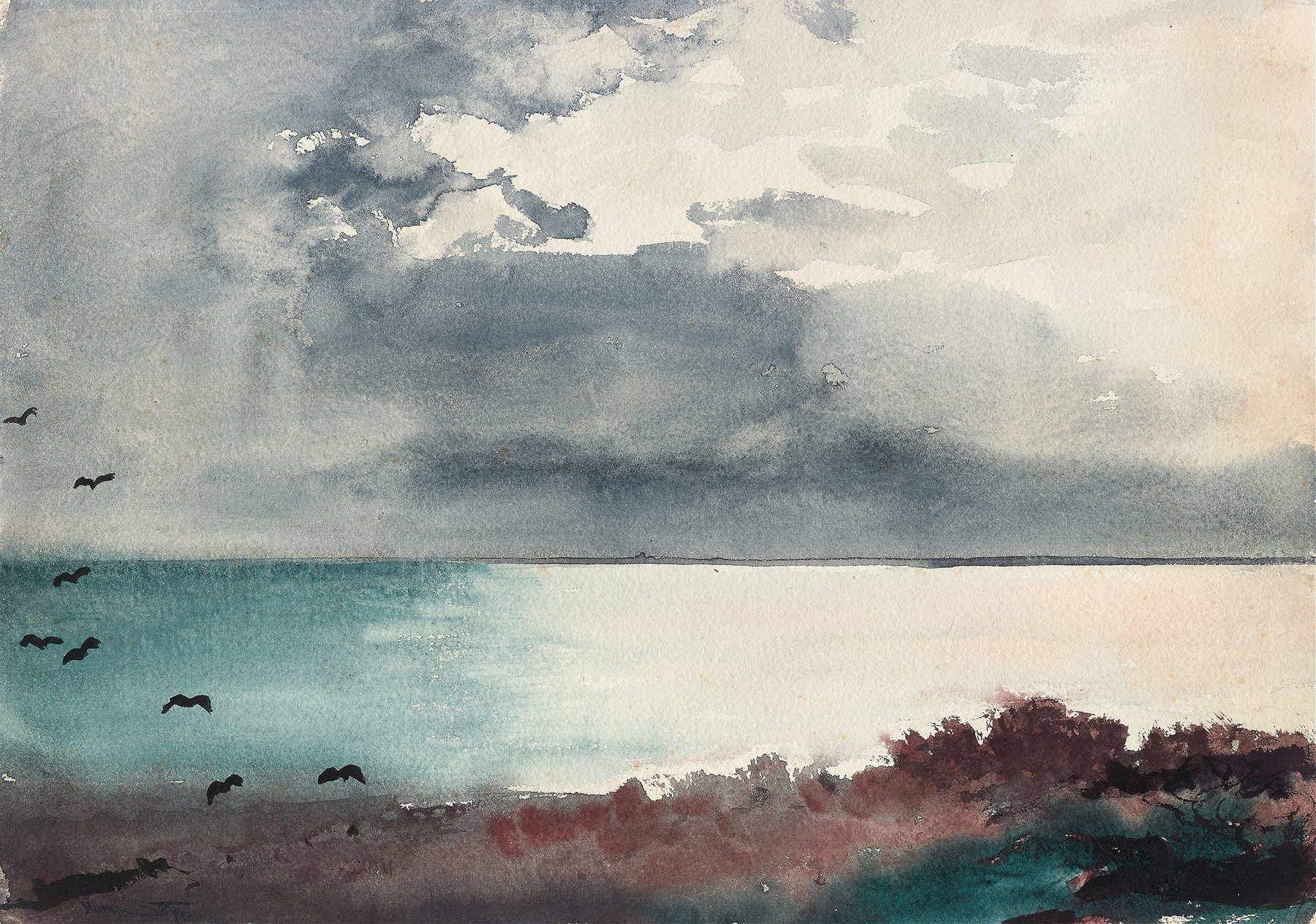
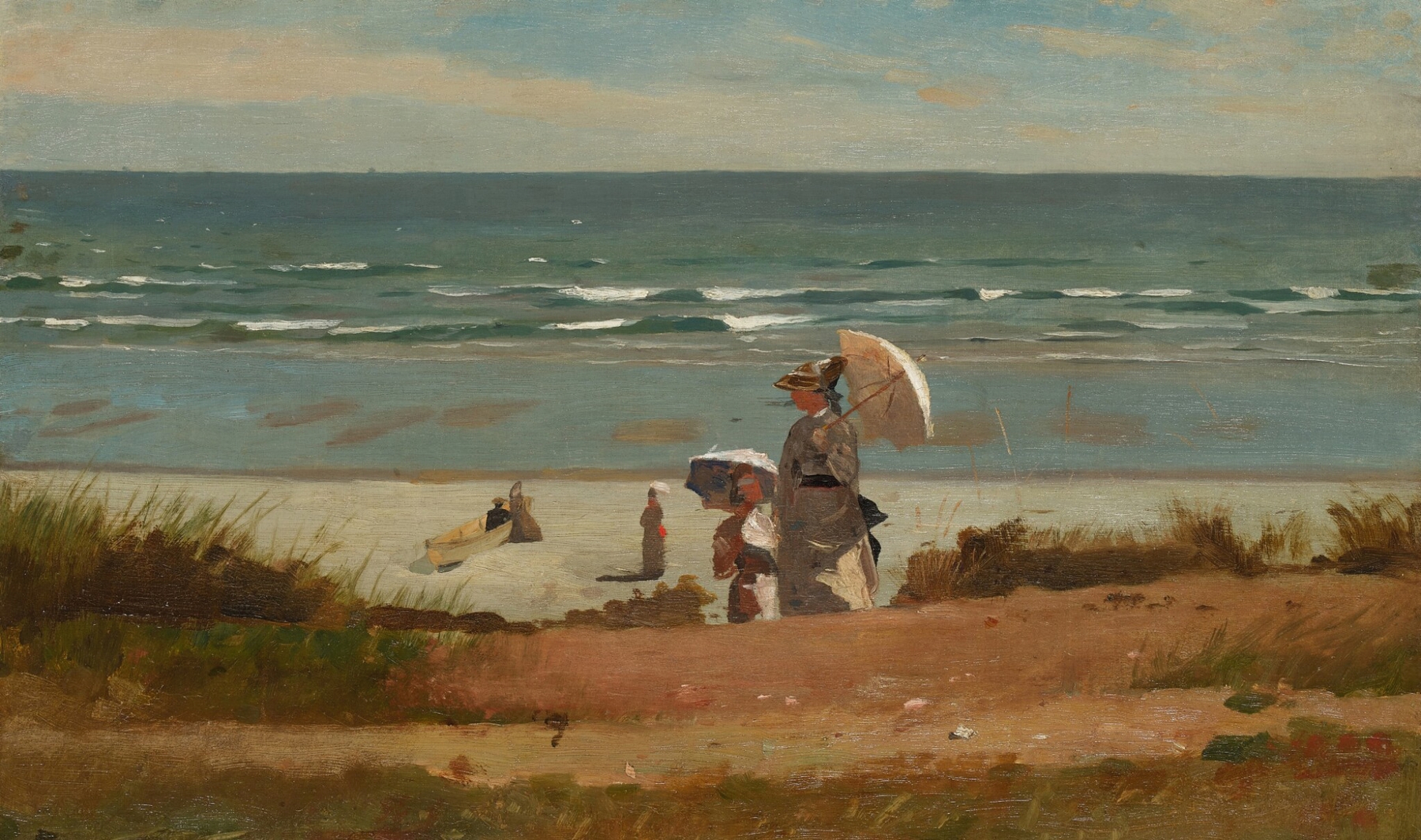
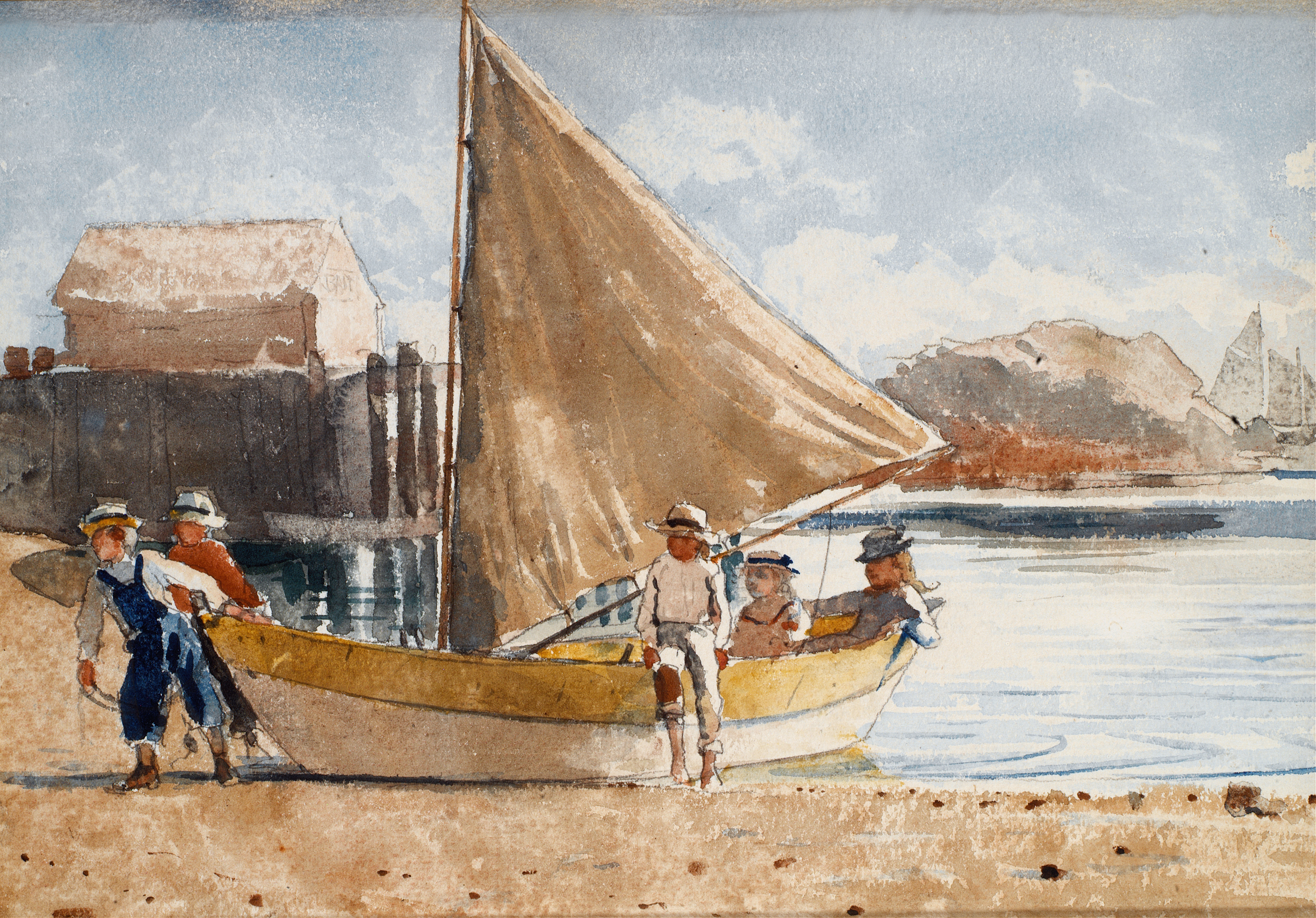
“Under the brush, chaos becomes grace.” In the vibrant strokes of summer, nature breathes anew, inviting us to witness its rebirth. Look to the center where figures are immersed in shallow waters, their silhouettes merging with the shimmering reflections of sunlight. The artist employs a rich palette of blues and greens, each hue pulsating with life, capturing the warmth of a sun-soaked day. Notice how the light dances off the water’s surface, illuminating the scene with an ethereal glow.
The fluidity of the brushwork evokes movement, as if the figures are caught in a fleeting moment of joy. There lies a contrast between the playful innocence of youth and the ever-present cycle of nature. The children, absorbed in their summer play, embody a carefree spirit, yet the surrounding landscape hints at the fleeting nature of time. The distant horizon, painted with softer tones, suggests the transition from light to shadow, an acknowledgment of life’s inevitable changes.
Each brushstroke, each ripple in the water, tells a story of renewal, urging the viewer to reflect on their own moments of rebirth. Winslow Homer created Summertime in 1880, during a time of personal and artistic exploration. Based in the artist colony of Prouts Neck, Maine, he was captivated by the New England landscape and the interplay between humanity and nature. This period marked a significant evolution in his work, as he moved toward a more impressionistic style, embracing the beauty and complexity of the world around him.