Moonlight, Wood Island Light — History & Analysis
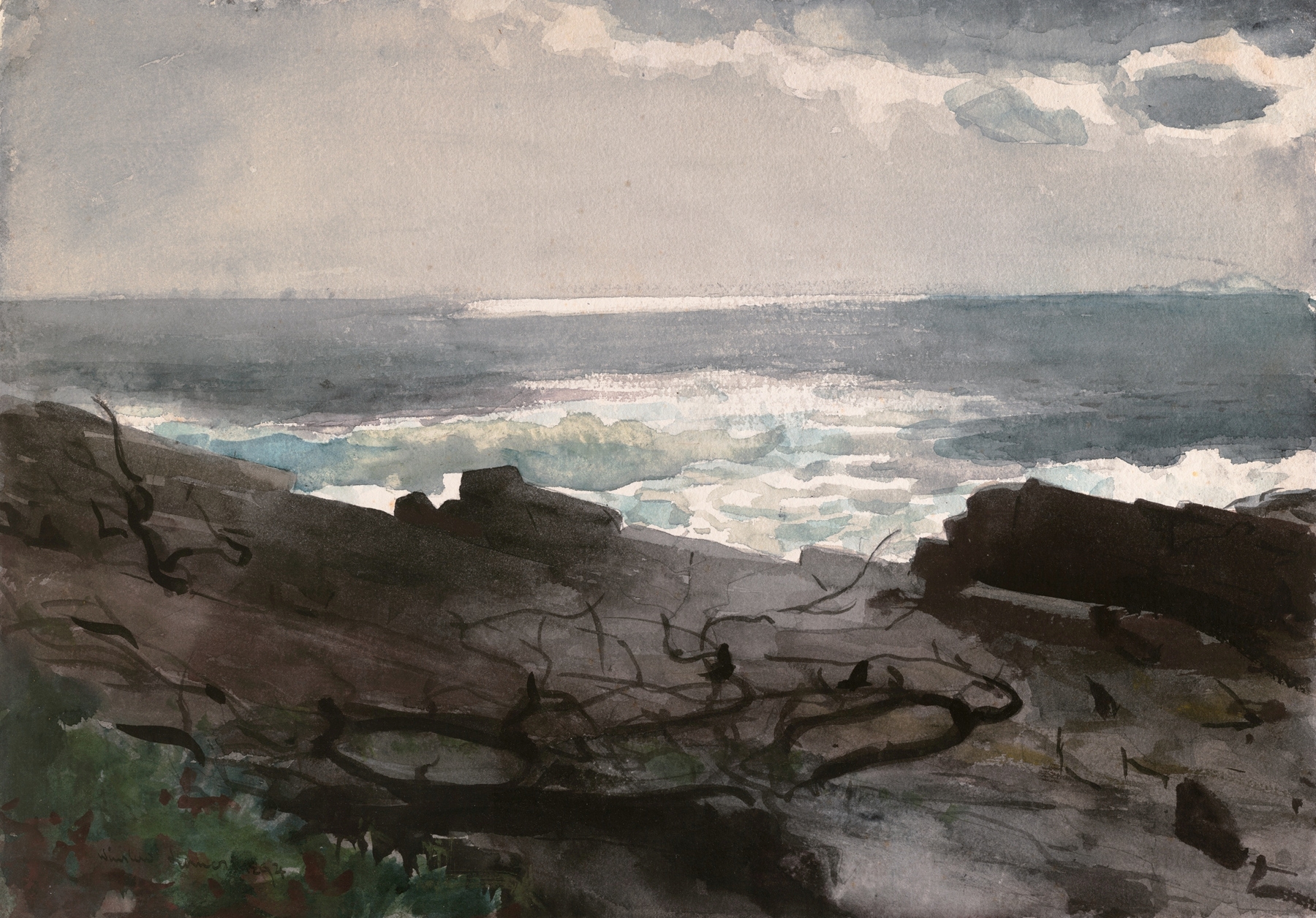
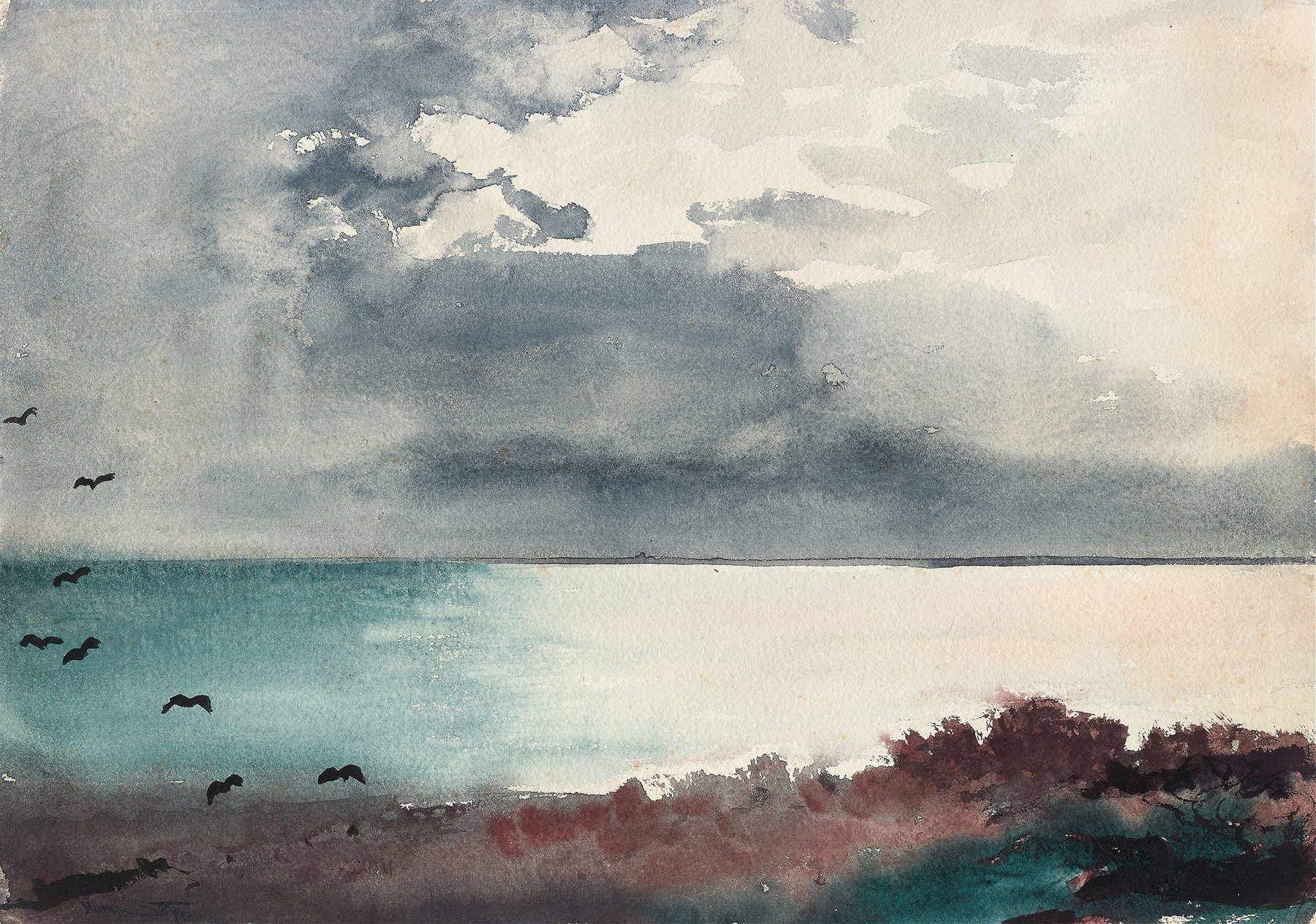
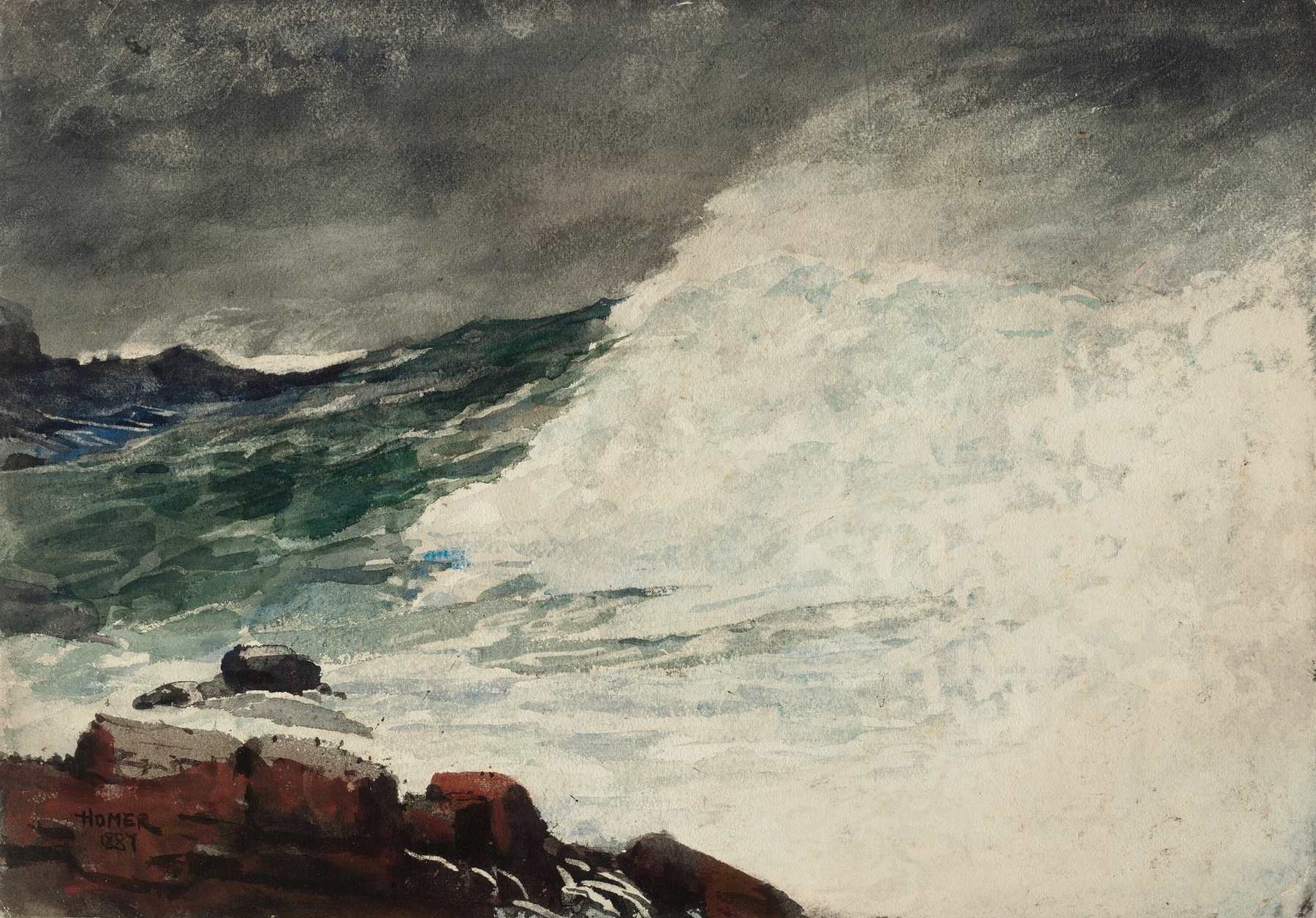
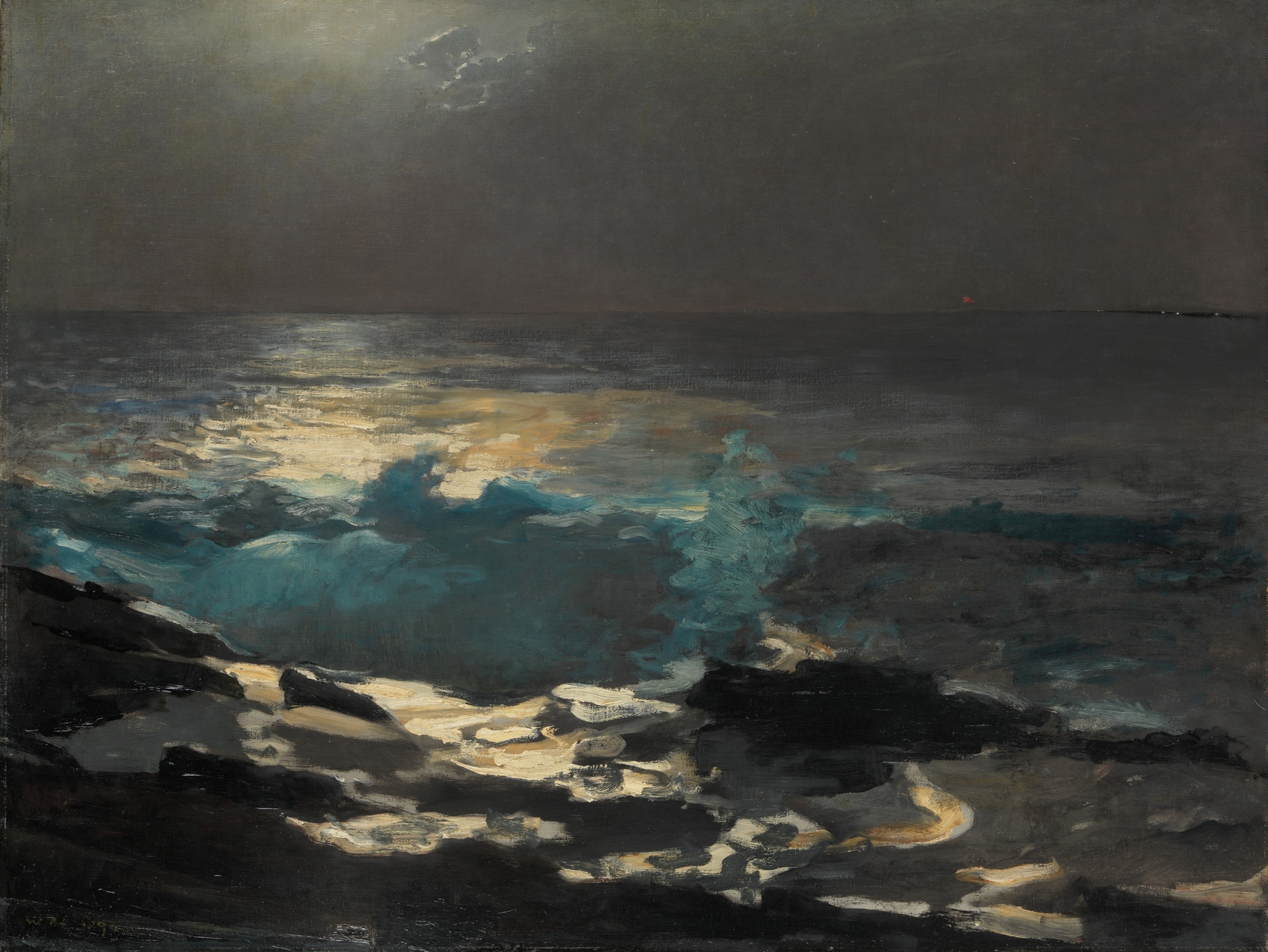
Could a single brushstroke hold eternity? In Moonlight, Wood Island Light, the tranquility of the night sky speaks to the fragility of existence—where each fleeting moment resonates with the weight of time. Look to the luminous expanse of the water, where deep blues and soft silvers intermingle, creating an ethereal glow that draws the eye. The distant lighthouse emerges like a sentinel, its structure illuminated by the moon's gentle caress.
Notice how the shimmering surface of the sea reflects both light and shadow, inviting contemplation on the balance between safety and the unknown. Homer's deft handling of color creates a serene yet haunting atmosphere that envelops the viewer. Within the stillness, a profound contrast unfolds: the steadfastness of the lighthouse against the vast, unpredictable ocean highlights humanity's struggle against nature's whims. The moon, a symbol of time passing, casts an introspective light on our own mortality, urging us to embrace the beauty of each moment before it fades.
This delicate interplay between illumination and darkness speaks to the fleeting essence of life, provoking both awe and contemplation. In 1894, Winslow Homer painted this scene while residing in Maine, a period marked by his exploration of marine subjects. The late 19th century was a transformative time in American art, as realism began to coexist with impressionism, allowing artists like Homer to delve deeper into themes of nature and human experience. As he captured the serene beauty of the coast, he also subtly reflected on the complex relationship between man and the natural world.