Prout’s Neck, Breaking Wave — History & Analysis
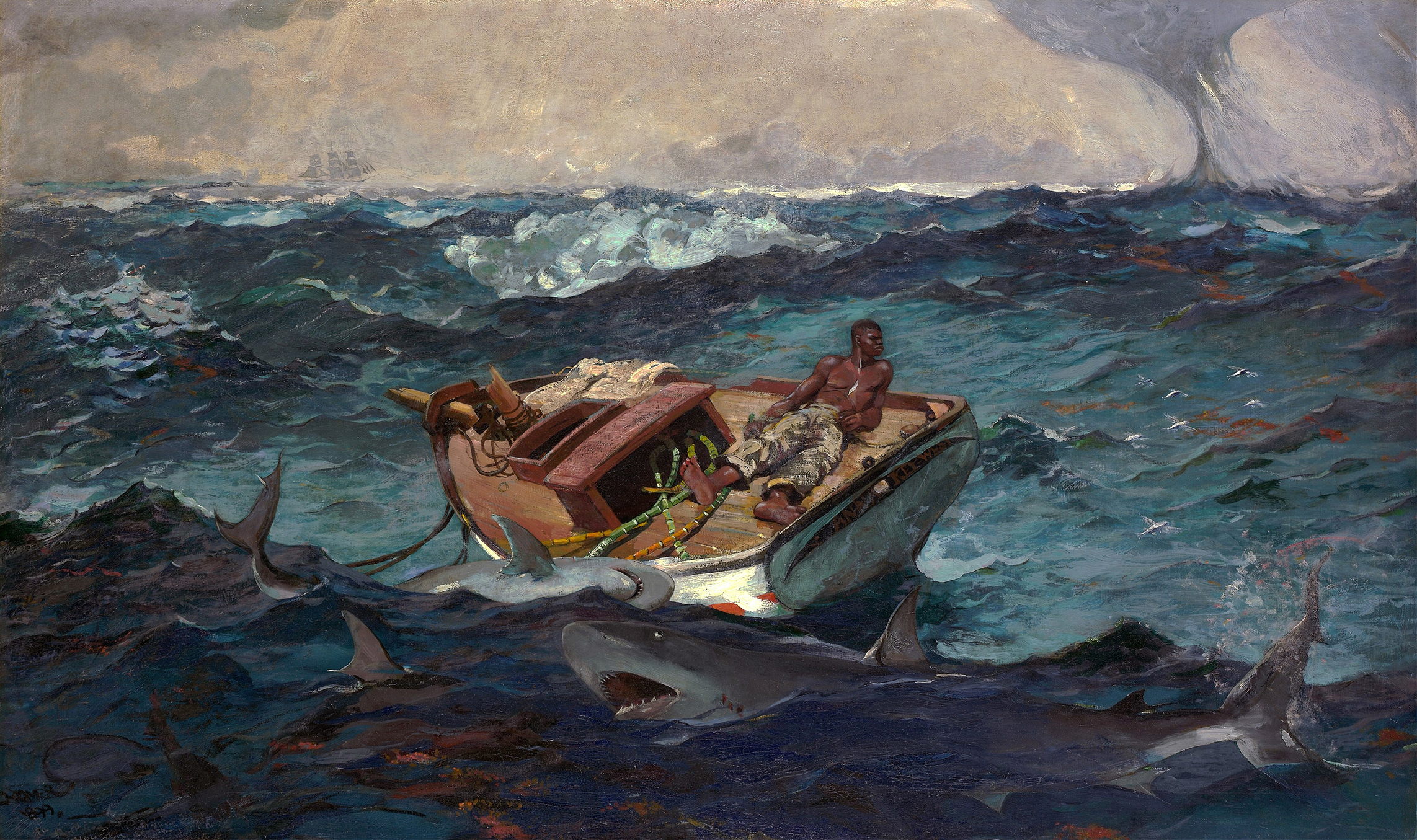
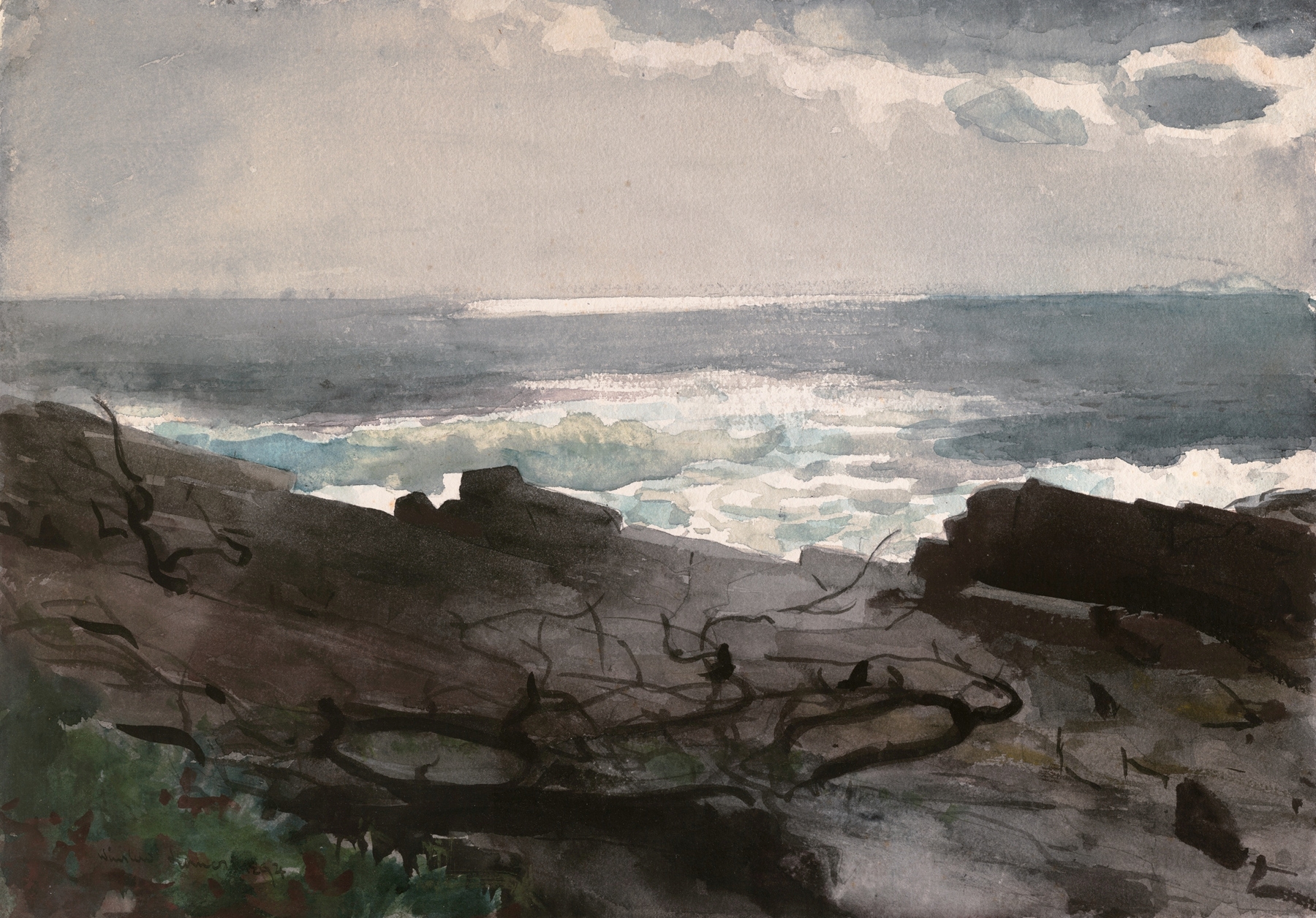
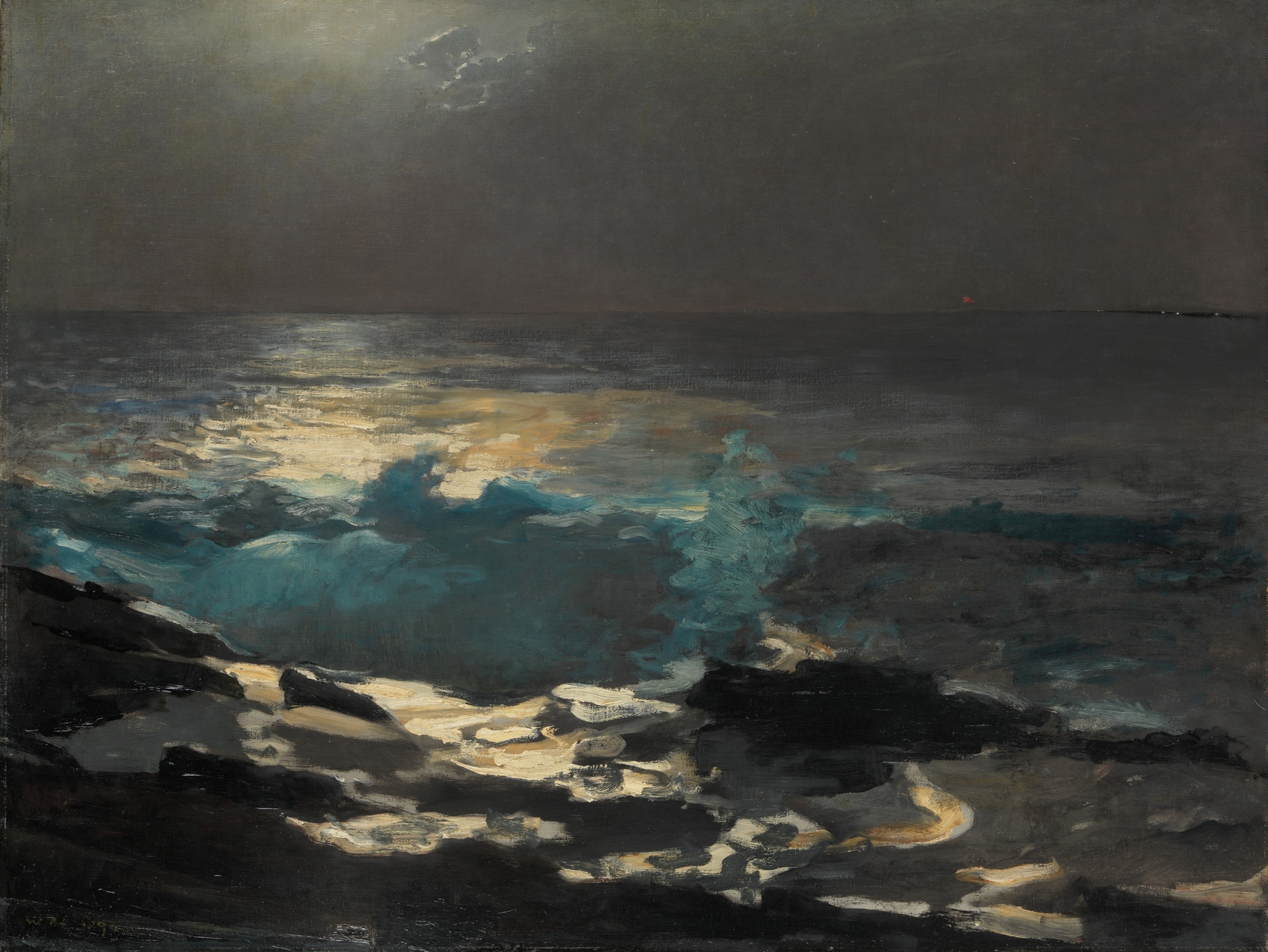
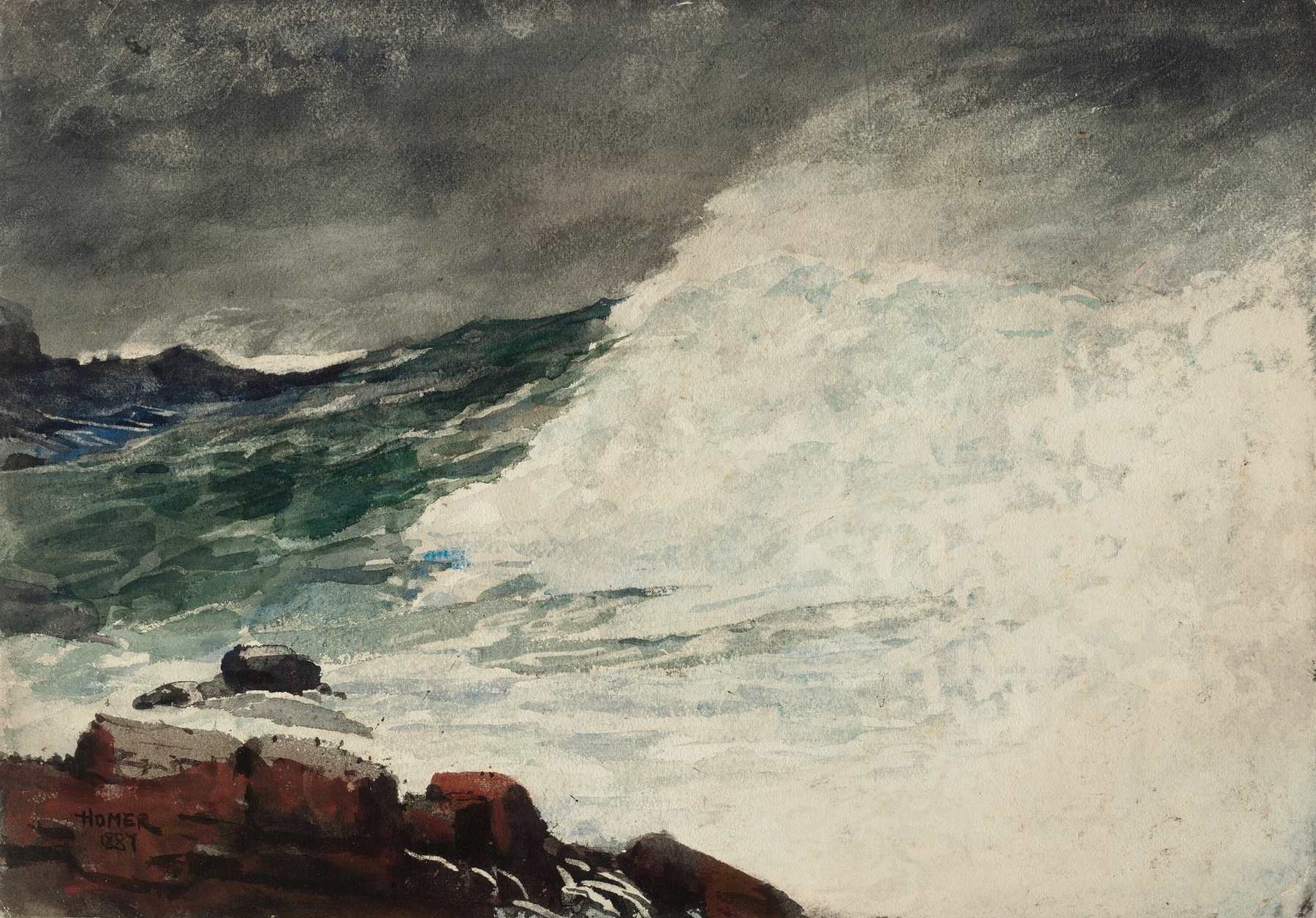
“Every brushstroke is a heartbeat remembered.” In the tumult of the sea, moments of rebirth manifest as crashing waves—poetic yet powerful, wild yet ordered. Look to the left, where the roiling blue water crashes against jagged rocks, sending frothy white plumes into the air. The vibrant palette of deep azure and seafoam green pulls you in, while the textured brushwork gives life to the wave's motion, almost as if it’s poised to leap from the canvas. Notice how the light dances across the crest of the wave, illuminating the power and chaos of nature, inviting you to witness its relentless energy.
The contrast between the turbulent wave and the steadfast rock formations speaks to the eternal struggle between nature's forces. There’s a sense of tension, as the wave's upward motion suggests a moment of triumph, while the grounded rocks represent resilience. Each detail, from the glimmer of sunlight on the water to the shadowed crevices of the stones, reflects the duality of destruction and creation, a poignant reminder that from turmoil, life often emerges anew.
In 1887, Winslow Homer painted this evocative scene at Prout's Neck, Maine, during a period when he was deeply engaged with themes of nature and human emotion. The artist was exploring the complexities of the natural world while seeking solace in the coastal landscapes following personal losses. At this time, he was recognized as a leading figure in American art, using his love for the sea to express the profound connections between humanity and the wild, ever-changing beauty of life.