Summit of the Sierras, Nevada — History & Analysis
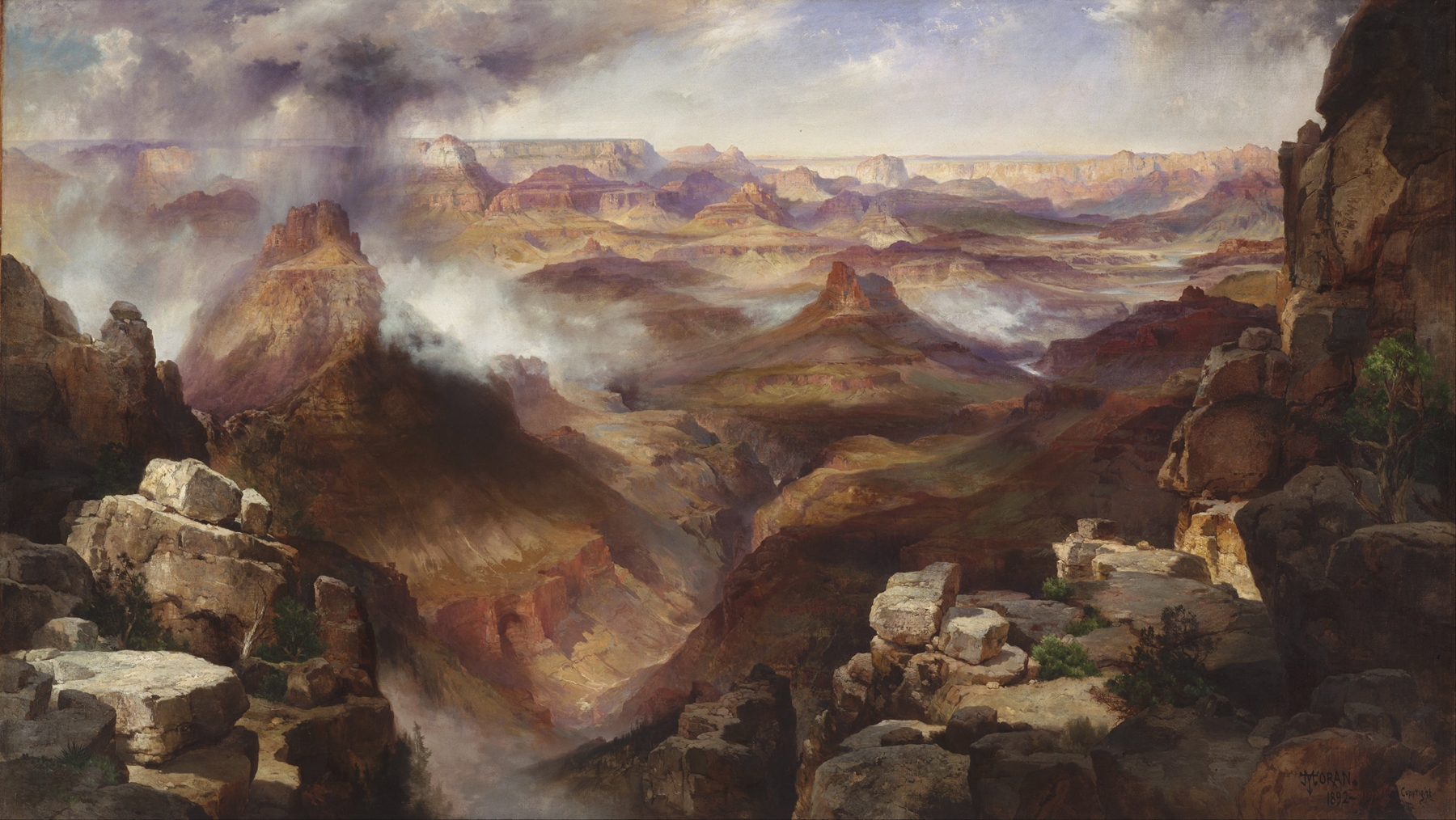
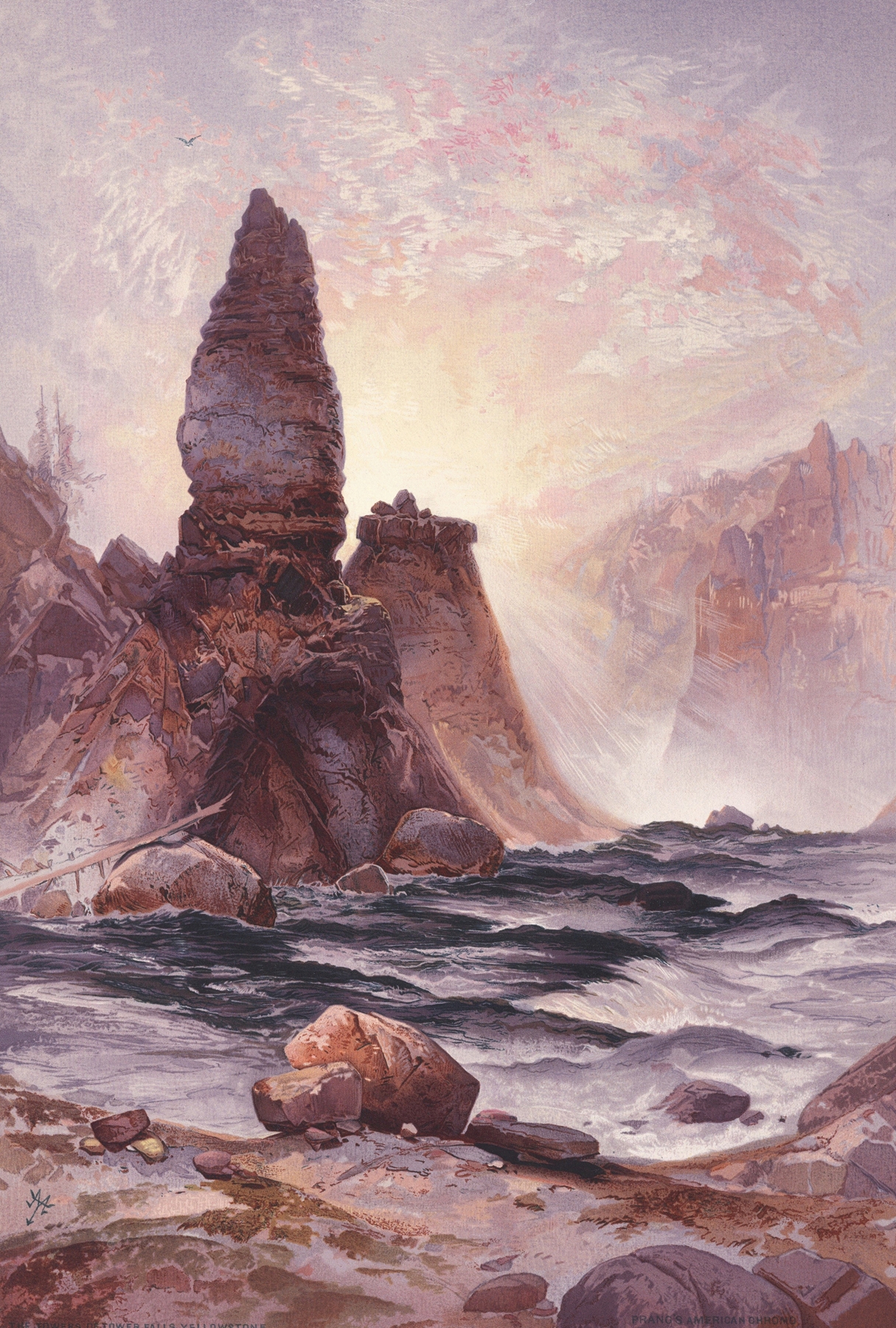
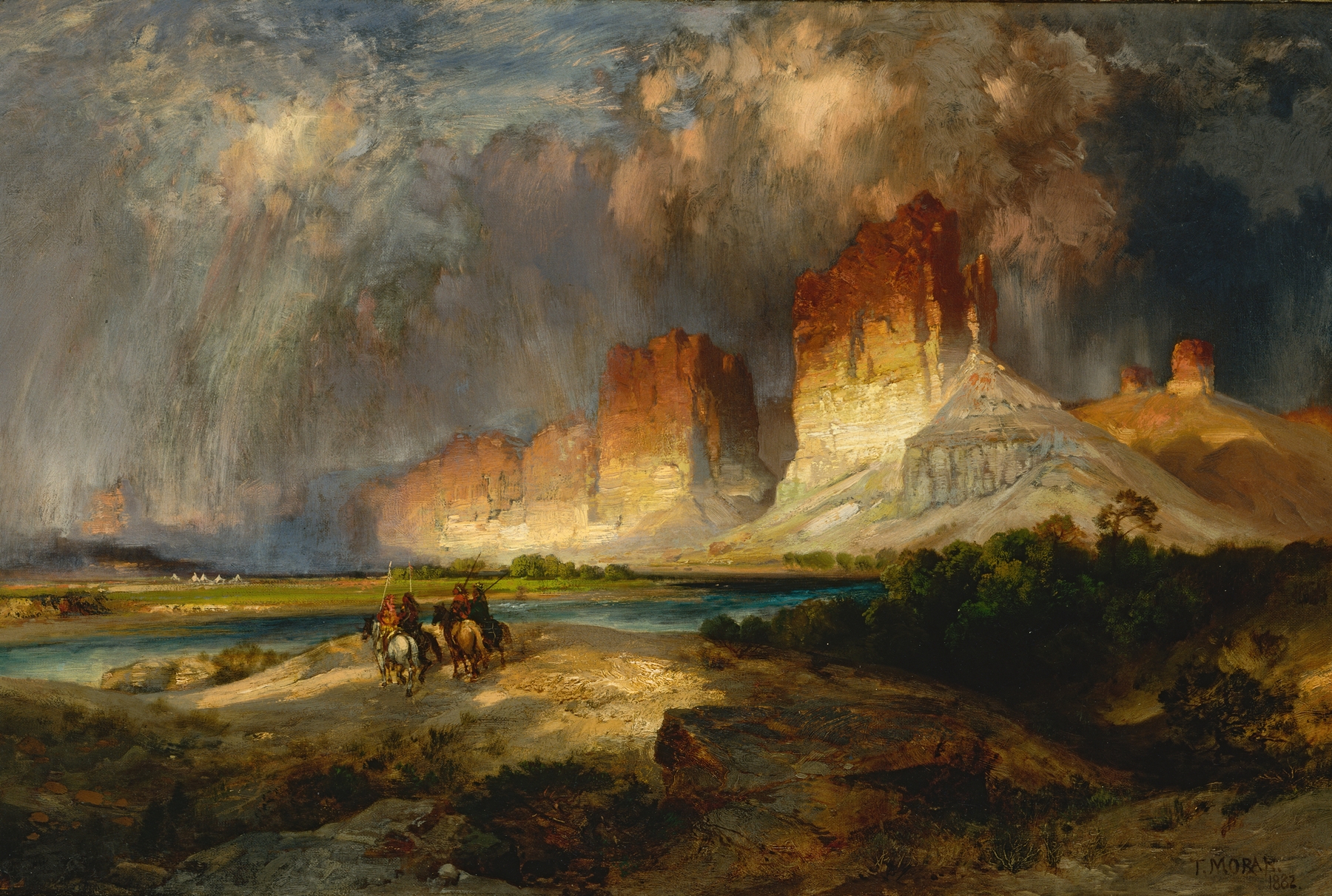
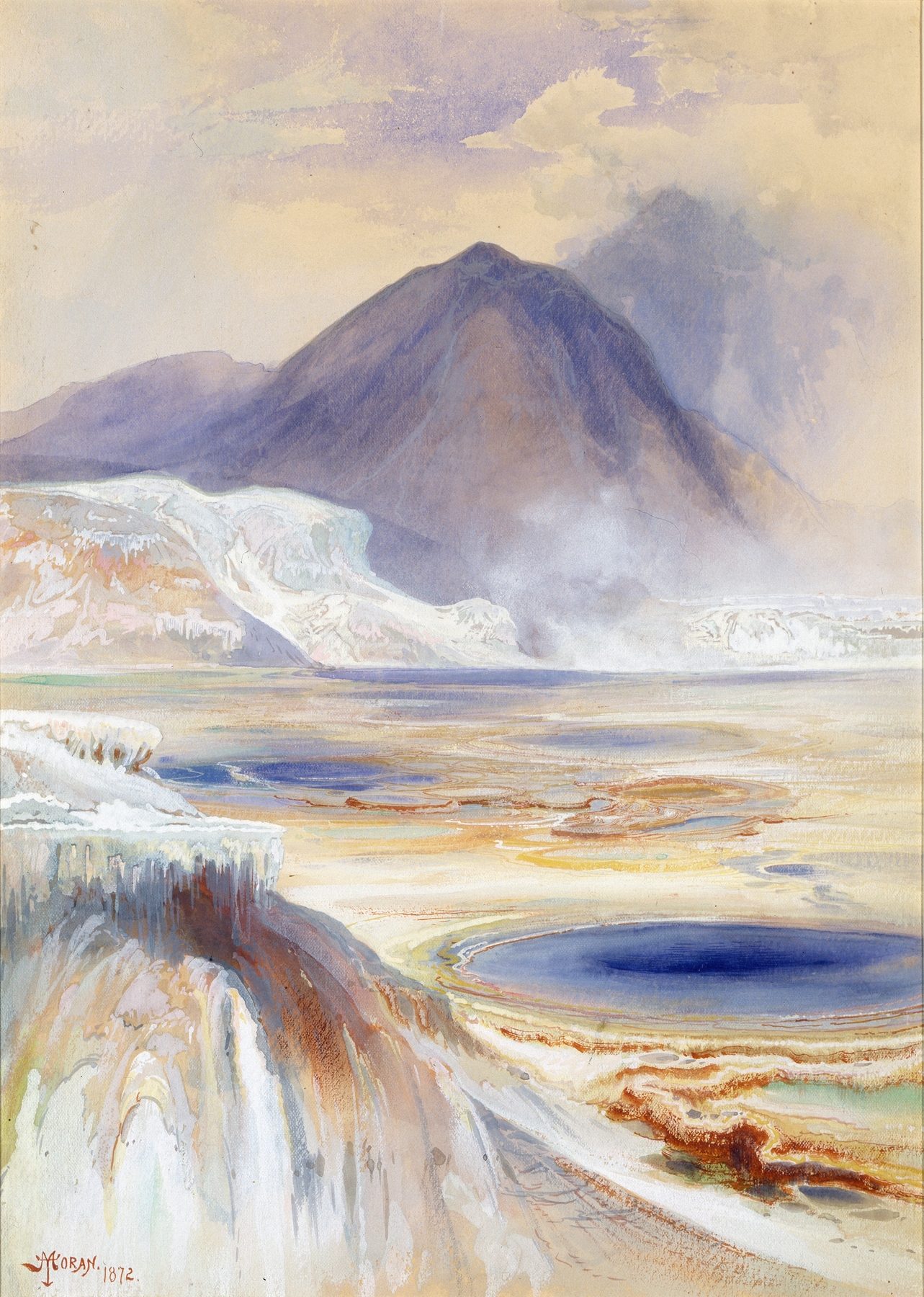
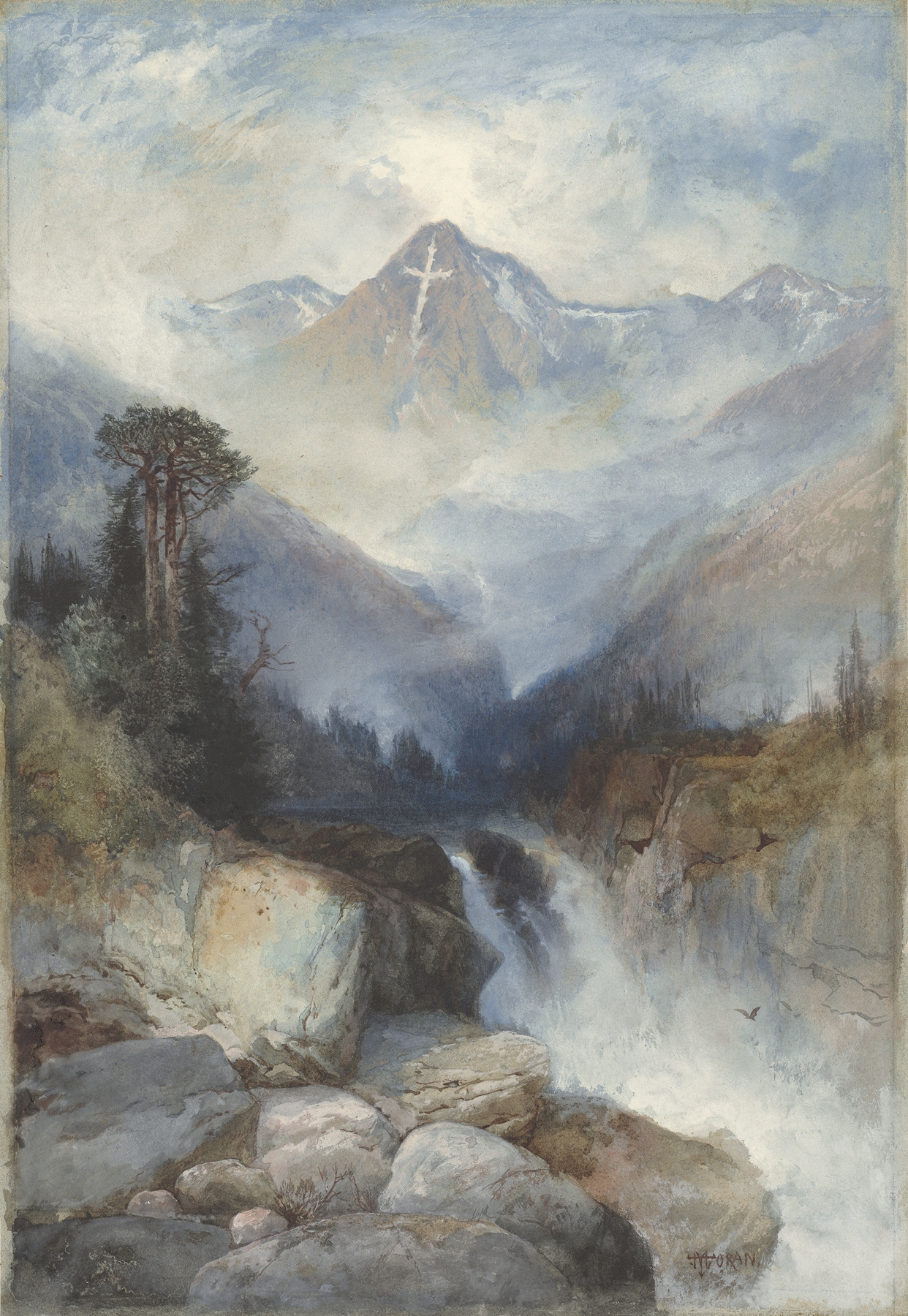
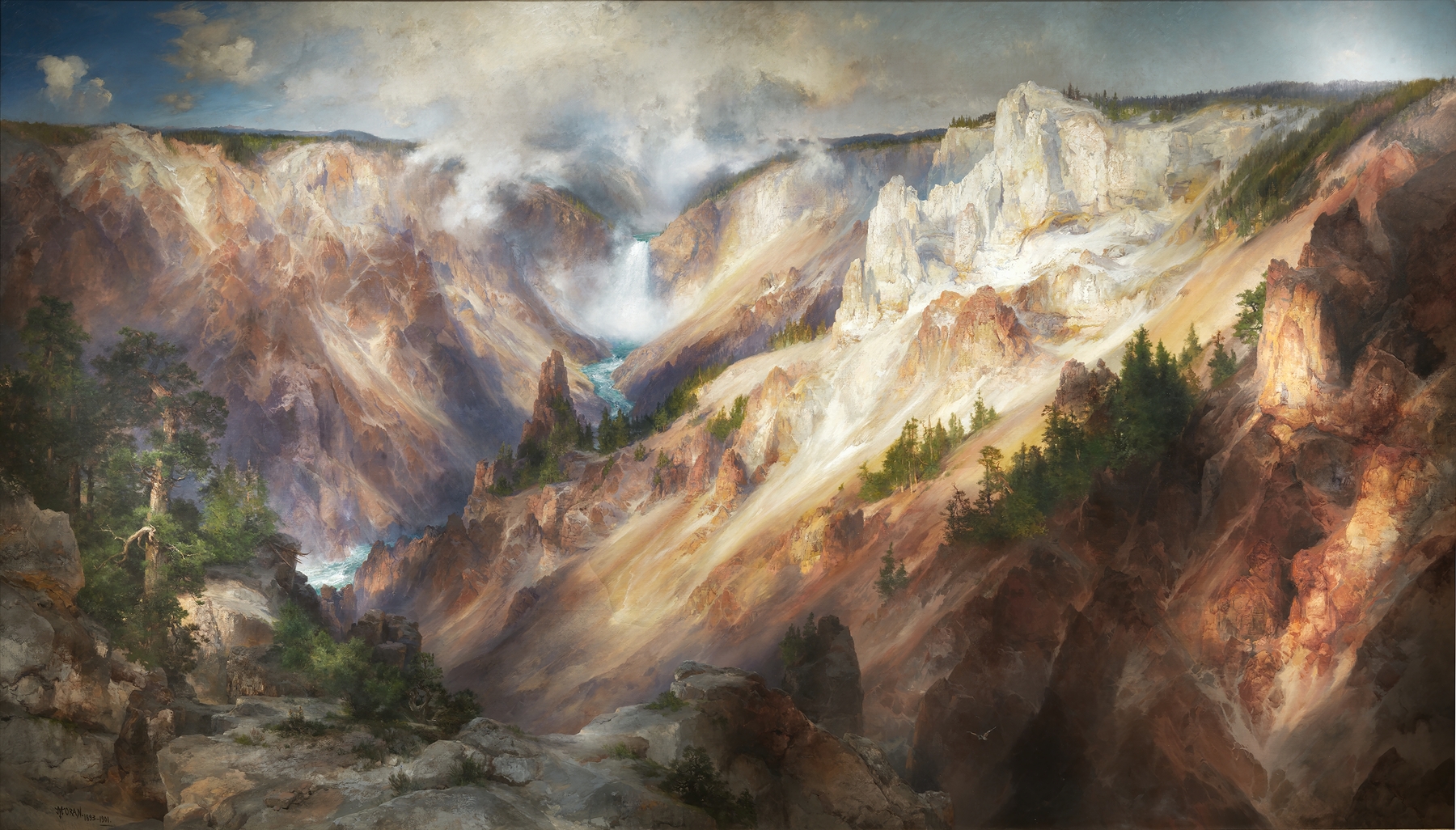
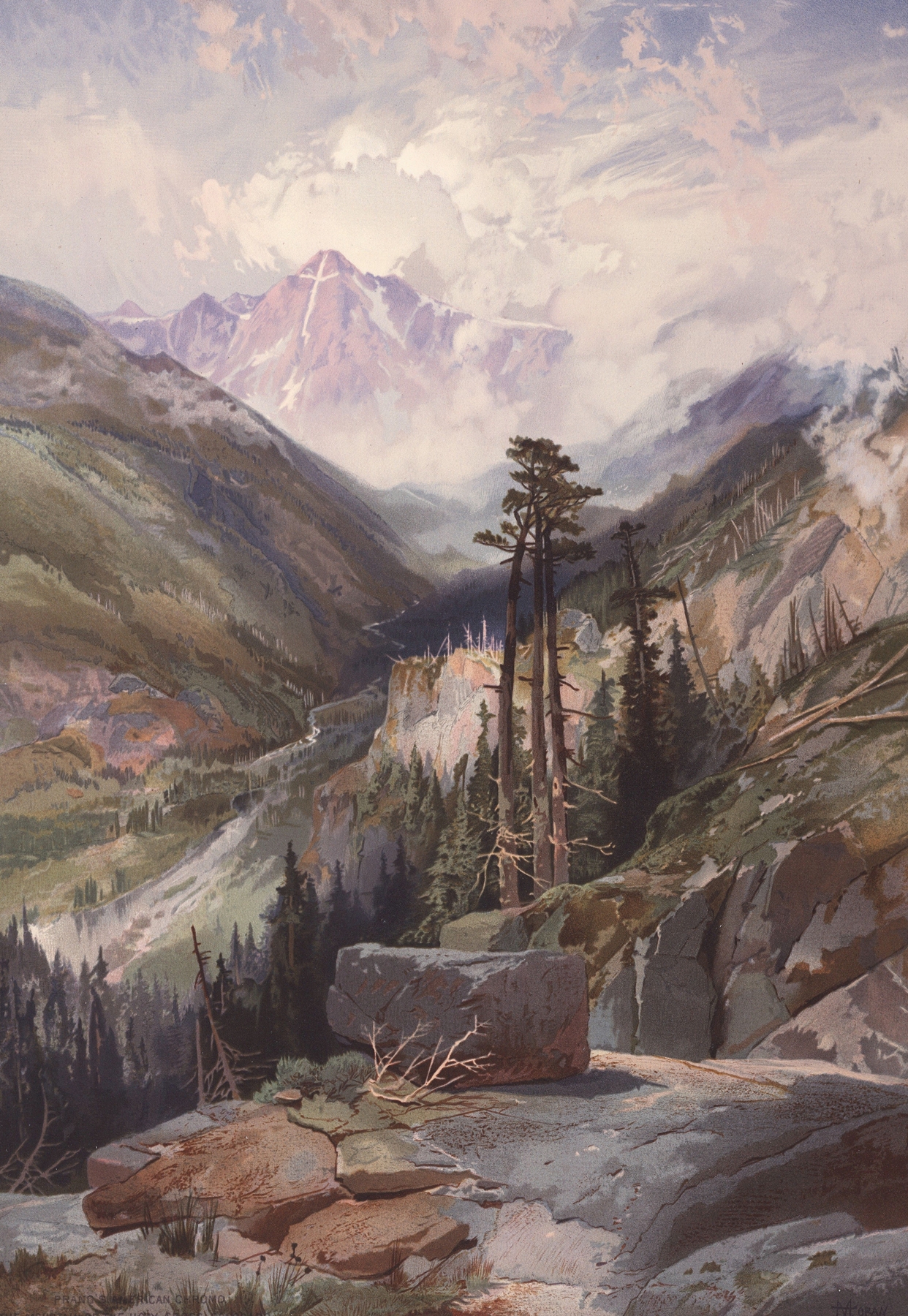
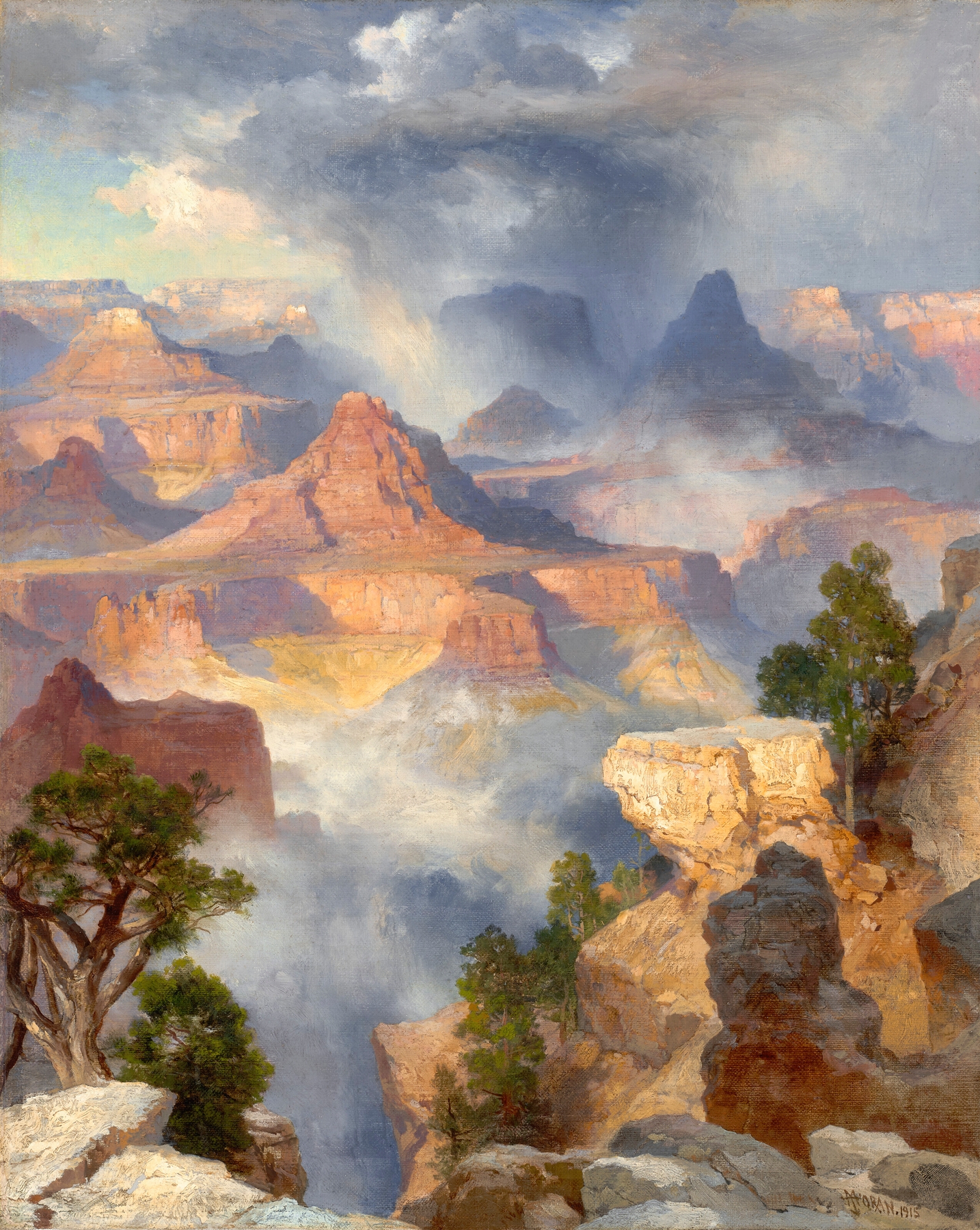
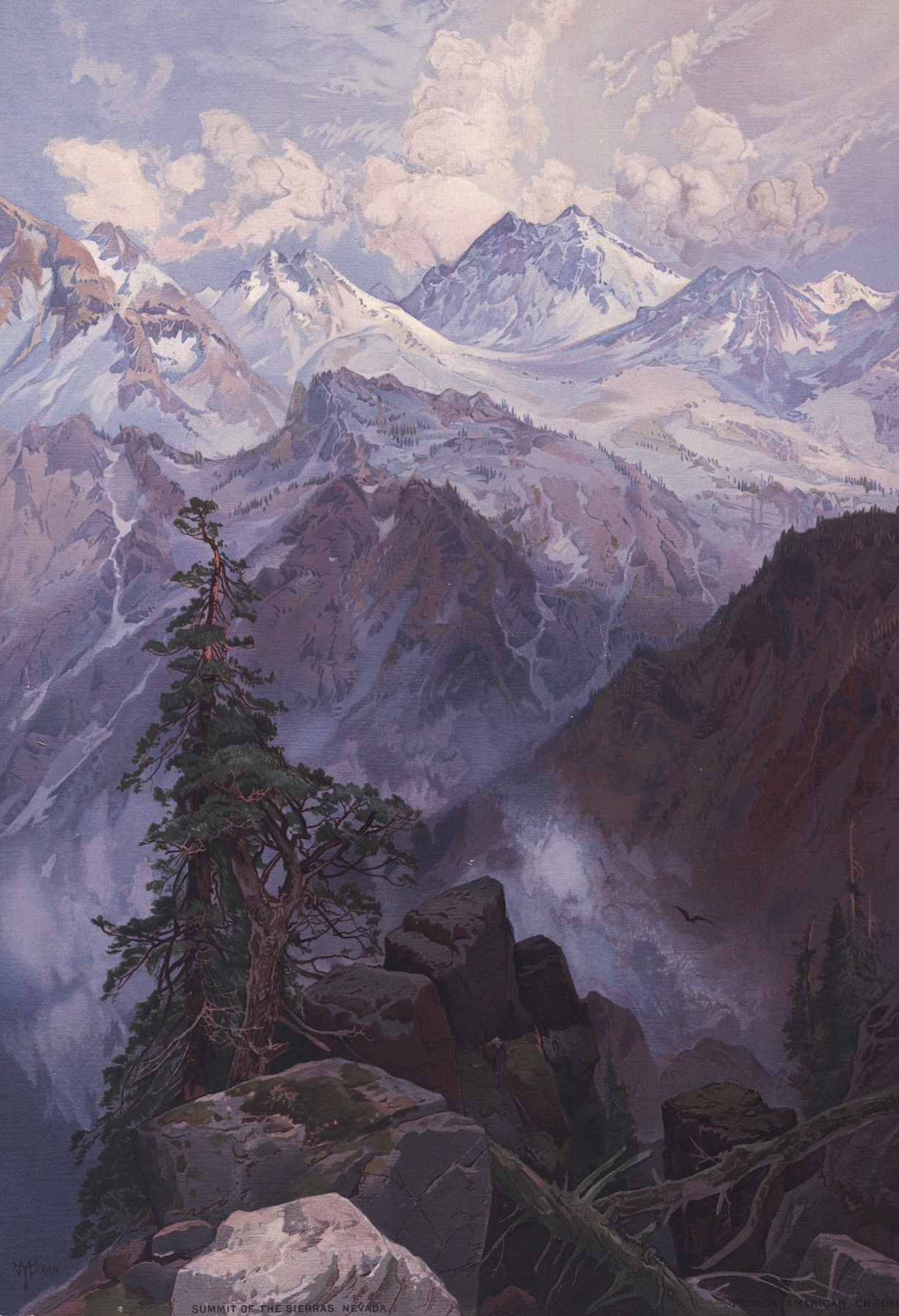
Where does light end, and longing begin? In Summit of the Sierras, Nevada, the interplay of shadow and light captures the spirit of exploration and the yearning for the sublime. Look to the left at the grand, snow-capped peak, illuminated by a soft, golden sunlight that filters through scattered clouds. Notice how the vibrant greens and umbers of the valley contrast with the stark whites of the mountains, creating a visual dialogue between warmth and coolness. The brushwork is dynamic, hinting at the wind’s caress across the landscape, while the fluid composition draws the eye from the foreground’s gentle slopes to the majestic heights above, inviting the viewer deeper into nature's embrace.
At first glance, the painting evokes a sense of tranquility, but beneath the surface lies a tension between the grandeur of nature and human aspirations. The shadows play an essential role, suggesting the presence of unseen depths and the unknown. These shades invite contemplation—what lies beyond that peak? What adventures await?
Each element is a reminder of humanity’s desire to conquer and understand the wilderness, yet the vastness of the scene also evokes a humbling sense of insignificance. In 1875, the artist created this work while traveling through the American West, inspired by the breathtaking landscapes he encountered. It was a period of great transformation in the United States, as westward expansion was in full swing, and artists like him were beginning to redefine the perception of nature through their canvases. This painting not only reflects the artist’s personal journey but also embodies a broader dialogue about the relationship between mankind and the untamed wilderness.