Sunset — History & Analysis
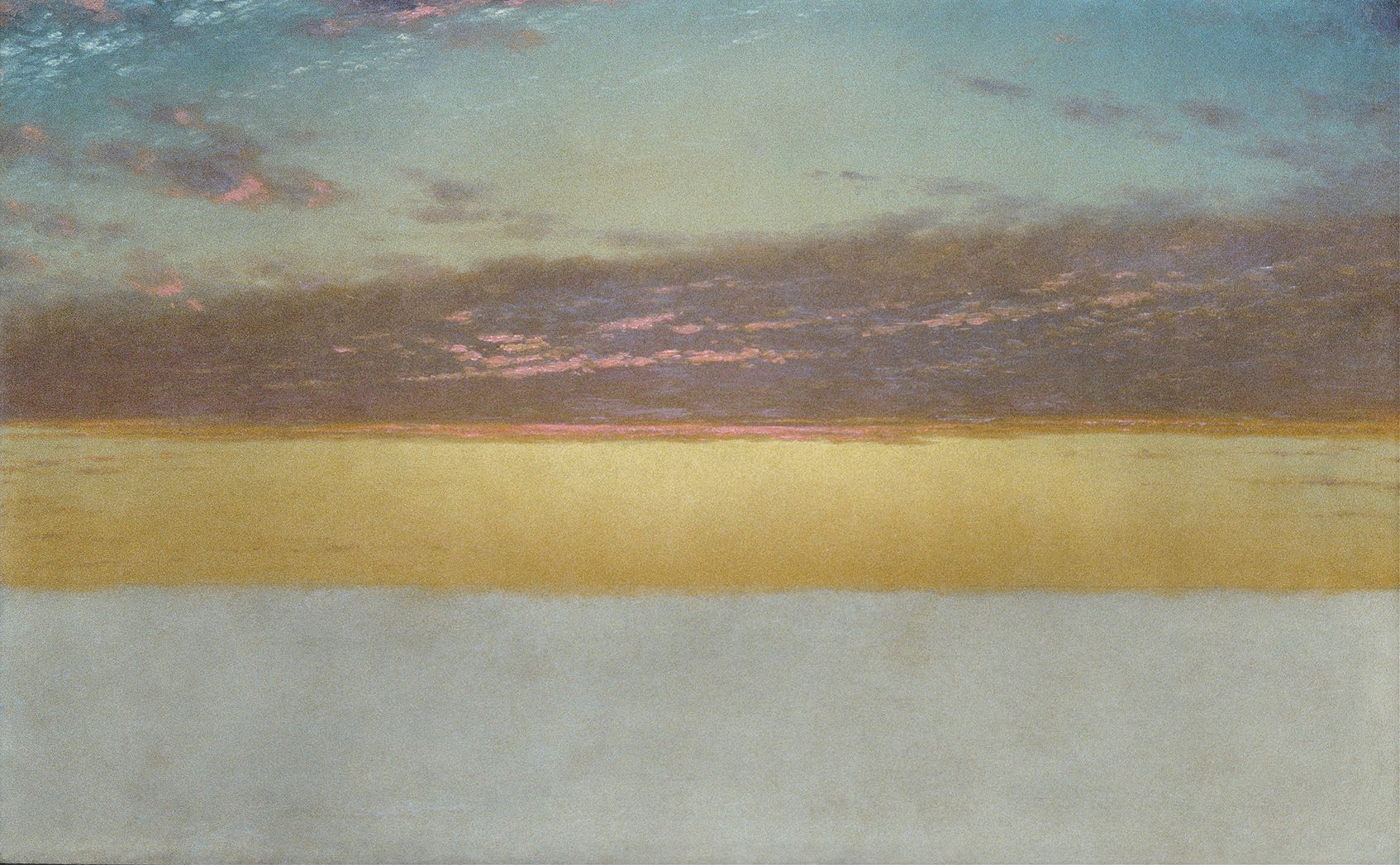
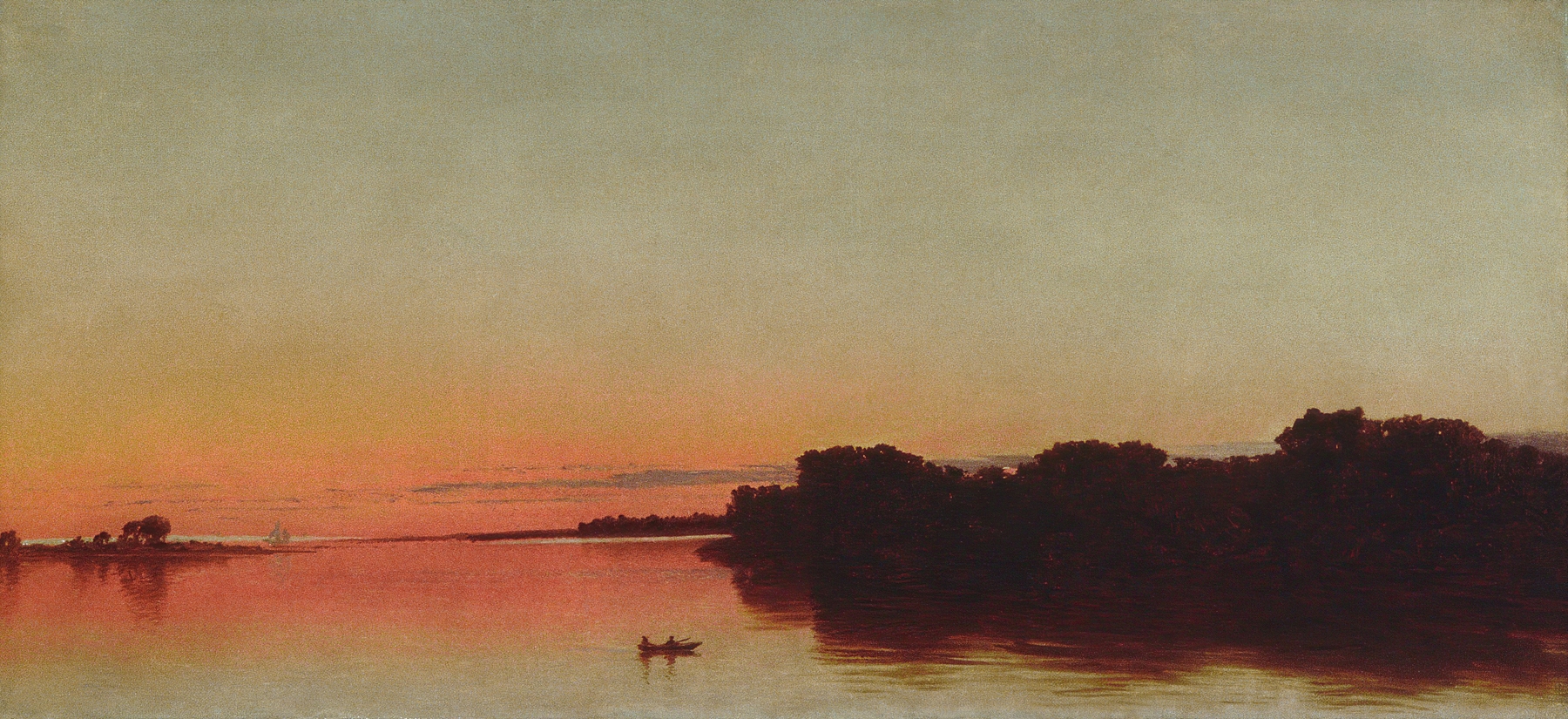
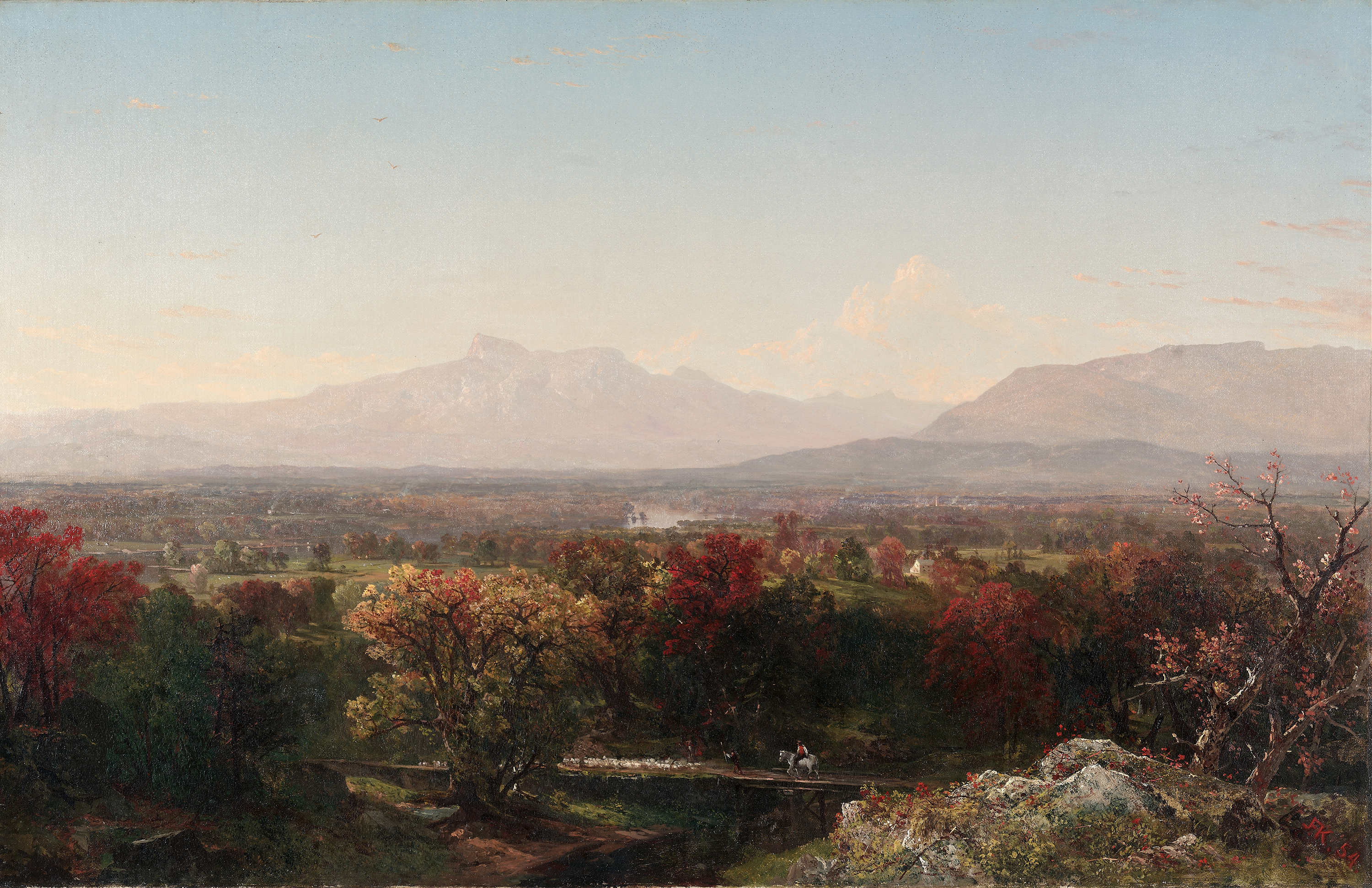
Can paint confess what words never could? In Sunset, a haunting beauty unfurls, inviting the viewer into a world where light dances on the cusp of day’s end, whispering secrets only a canvas can hold. Look to the horizon, where a cascade of warm oranges and vivid pinks pours into the sky, blending softly with deep purples. The water reflects this kaleidoscope, rippling with the brushstrokes of the artist, creating an ethereal connection between earth and sky.
Notice how the cool blues of the foreground contrast with the vibrant sky, grounding the work while also imparting a sense of infinity. The meticulous layering and luminous quality speak to Kensett’s mastery of light and atmosphere, drawing you into an unspoken dialogue with nature. As the sun begins to sink, the painting captures the tension between the fleeting moment of day and the inevitable approach of night. The juxtaposition of warm and cool colors evokes a bittersweet longing, an expression of beauty intertwined with transience.
The serene water, almost still, invites contemplation, while the vivid sky ignites a sense of wonder and introspection, encouraging the viewer to ponder the delicate balance of life. John Frederick Kensett created Sunset in 1872 during his time in the scenic landscapes of the United States, particularly in places like the Connecticut shore. As a prominent figure in the Hudson River School, he sought to convey the grandeur of nature, reflecting the era’s growing appreciation for American landscapes. At this point in his career, he was deeply influenced by Romantic ideals, aiming to evoke emotional responses through the sublime beauty of nature.