Tennessee — History & Analysis
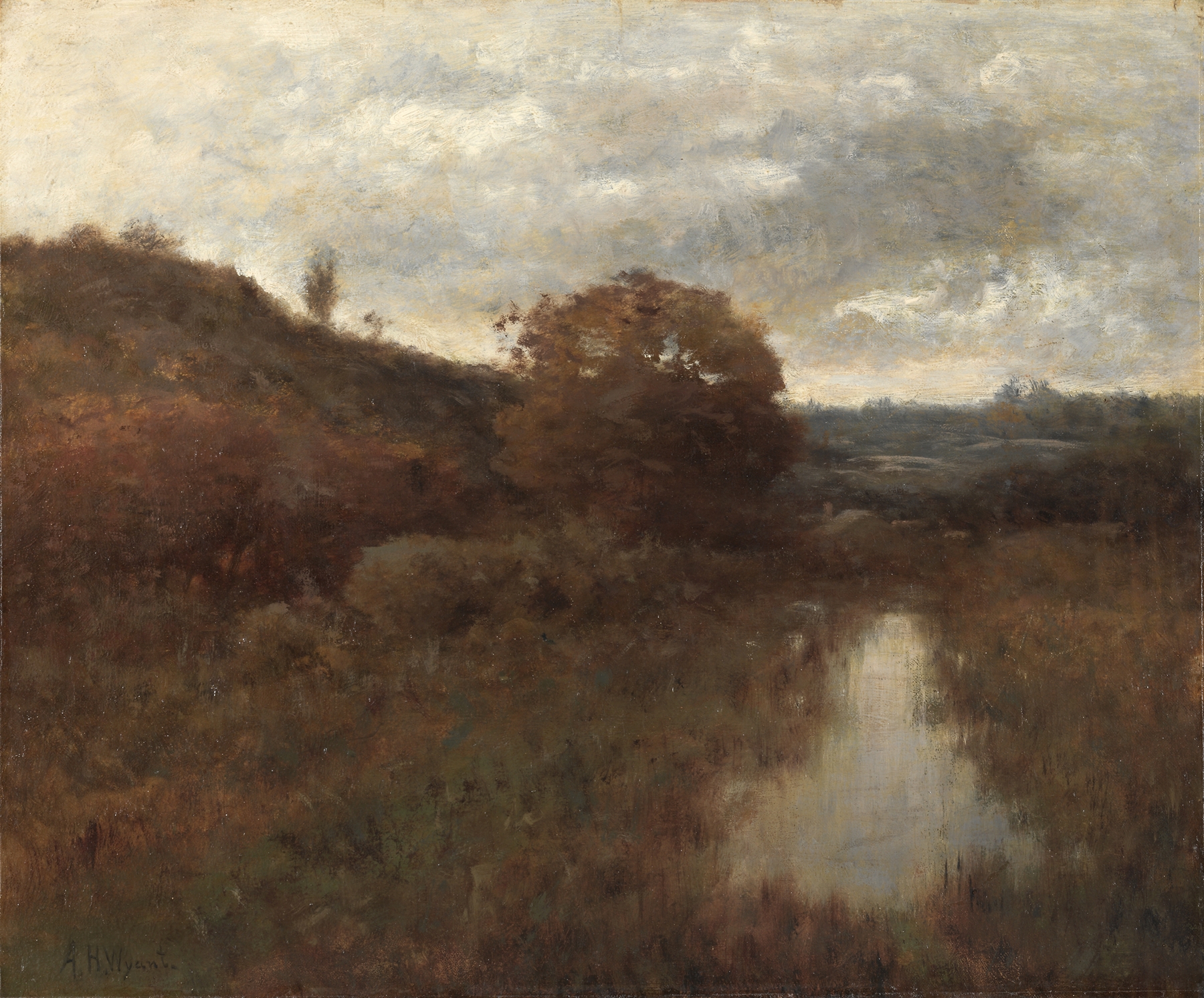
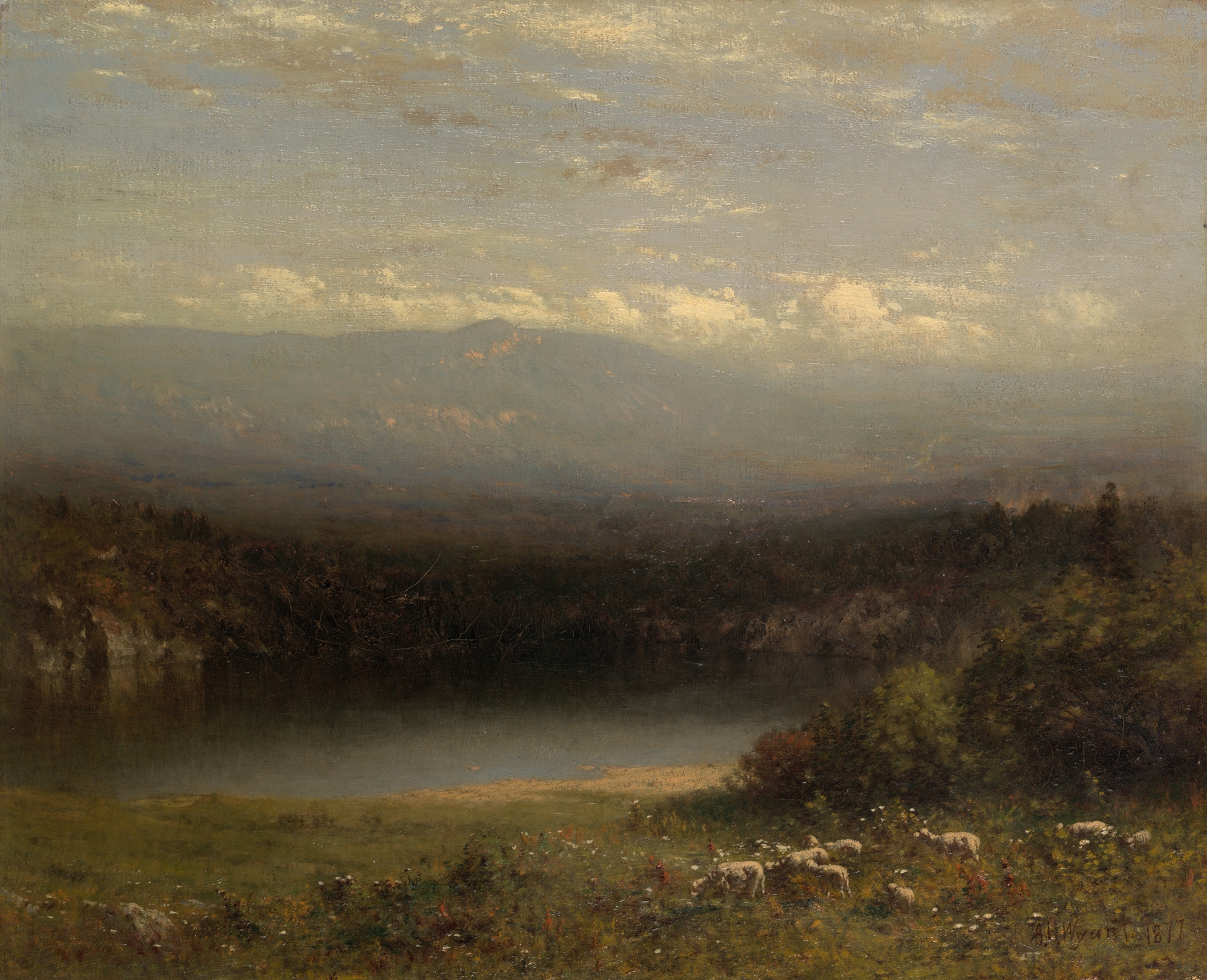
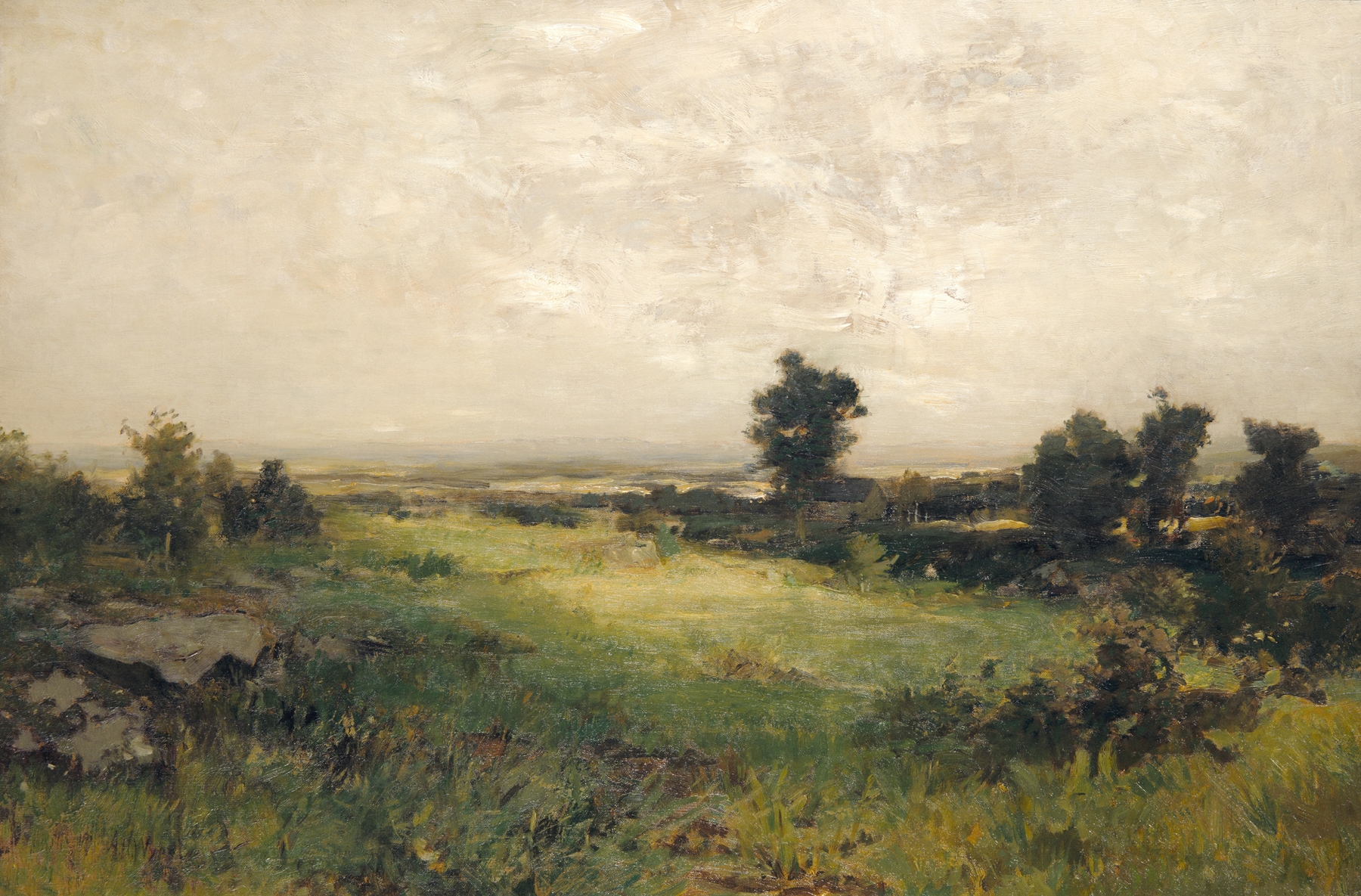
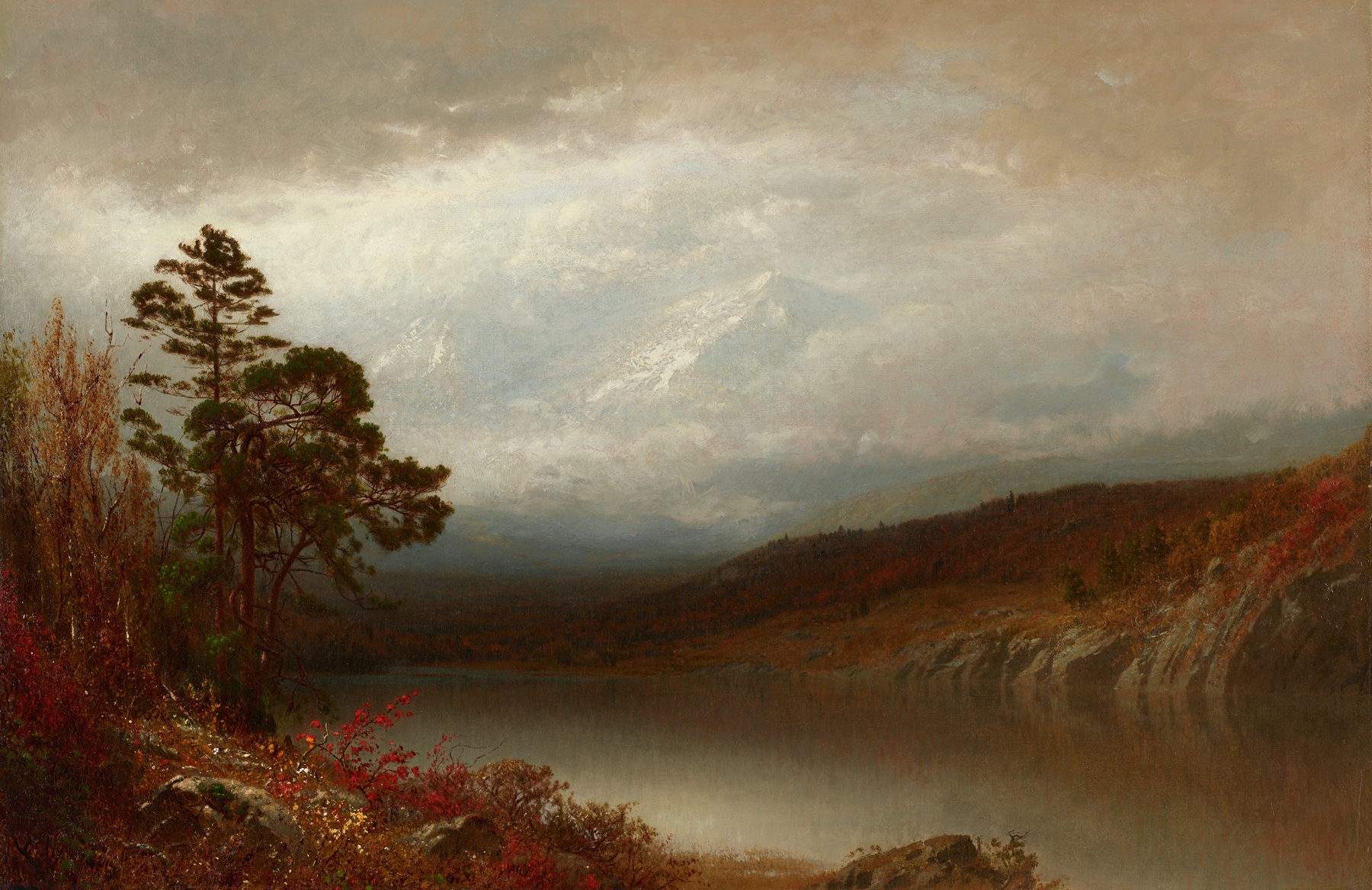
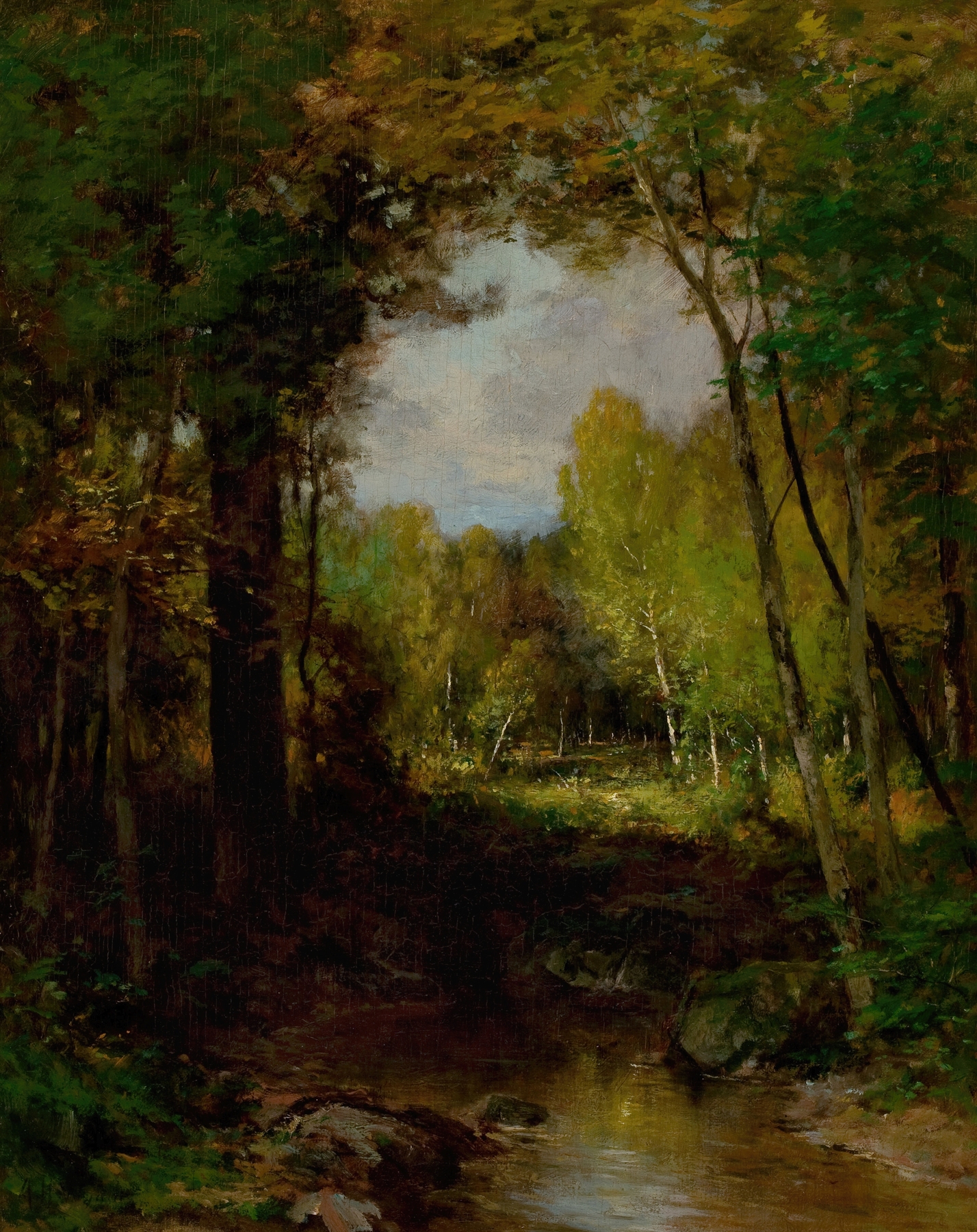
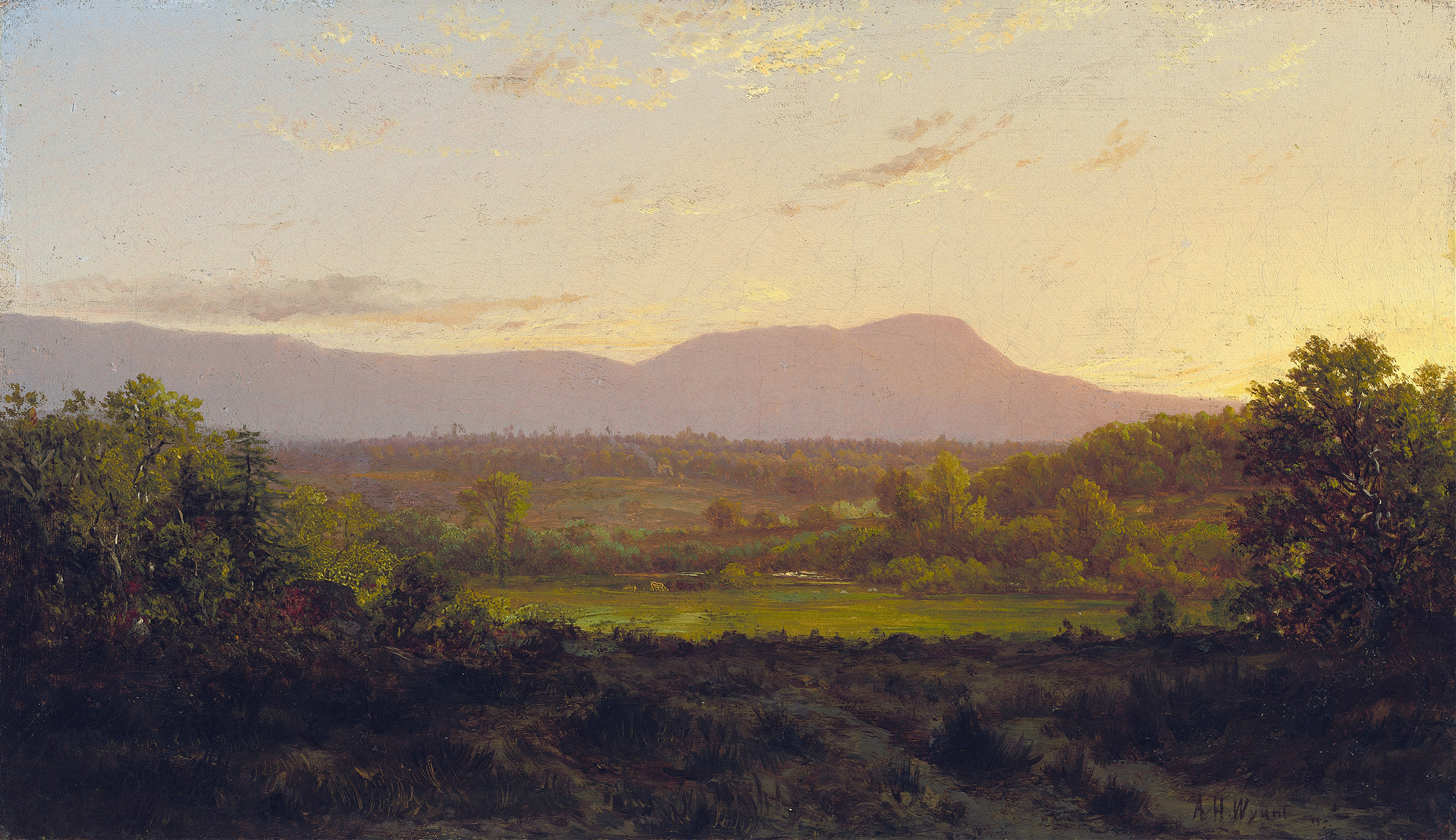
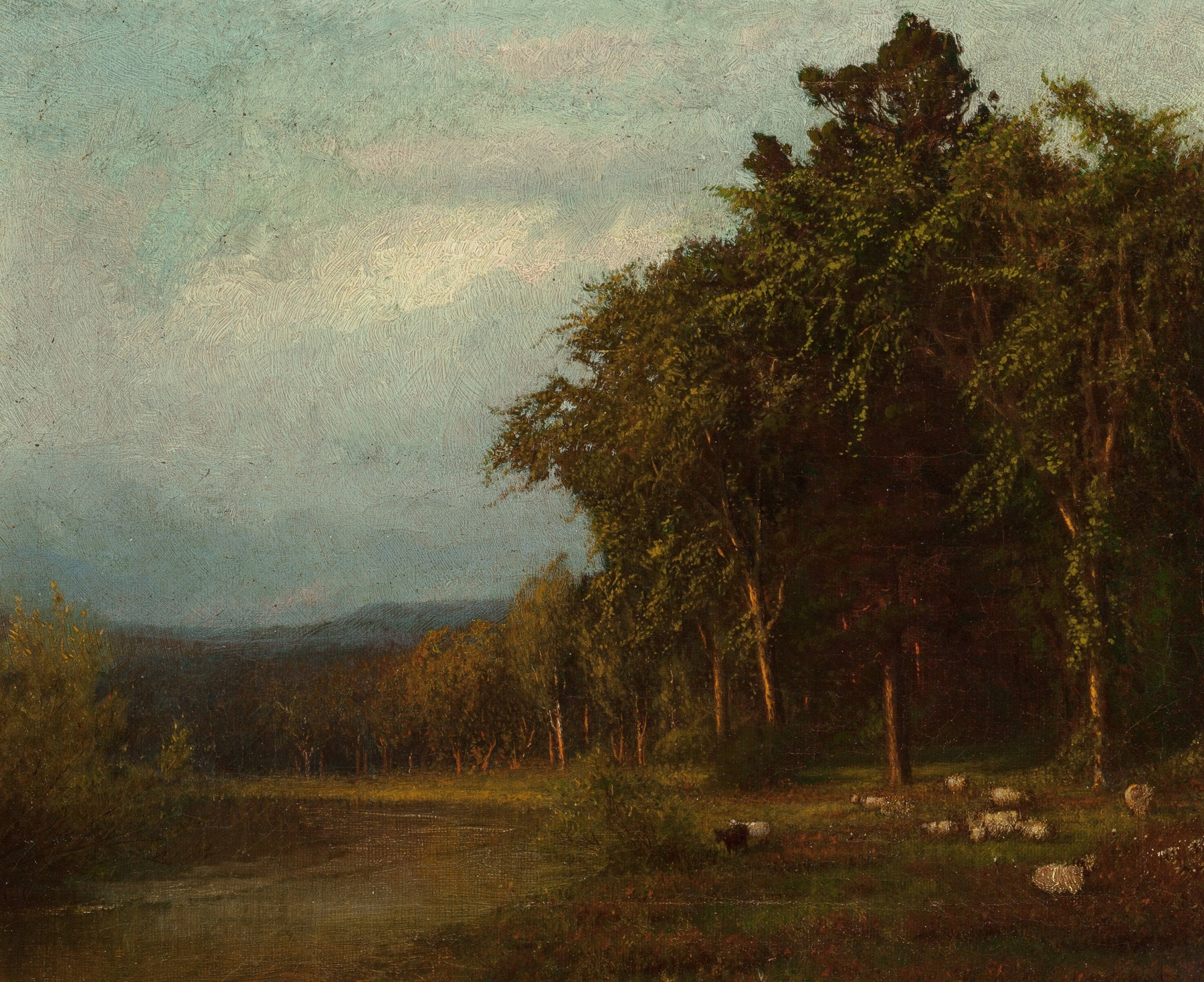
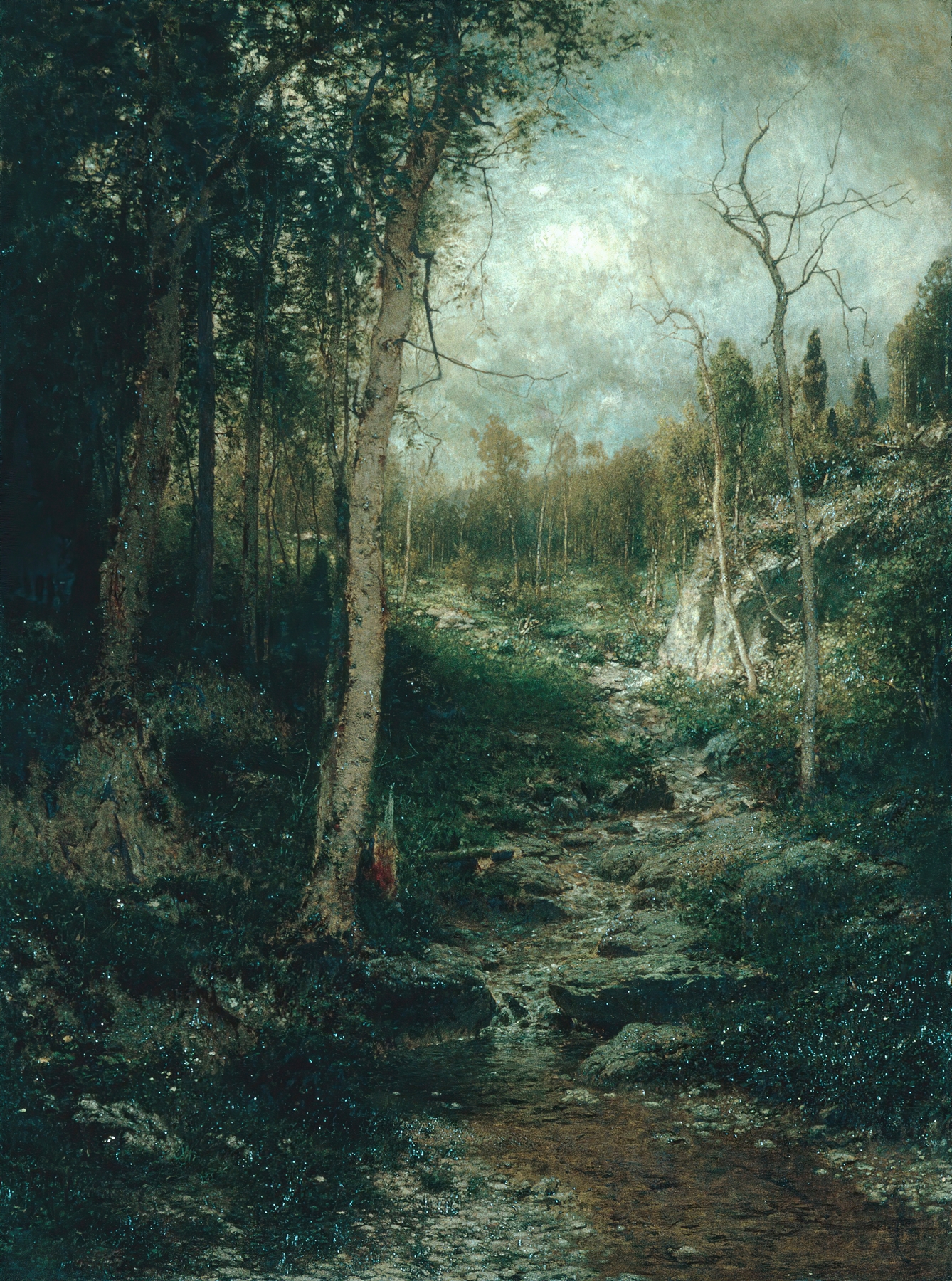
“The canvas doesn’t lie — it simply waits.” In the stillness of a moment captured, yearning unfurls like a gentle mist over the land, inviting contemplation of what lies beyond the horizon. Look to the left of the canvas, where deep emerald greens blend into the dusky blues of twilight. Notice how the light transitions from the vibrant foreground to the shadowed mountains in the distance, depicting a landscape that feels both alive and introspective. The brushwork is fluid yet deliberate, creating a tapestry of nature that balances tranquility with a touch of restlessness, as if the land itself is holding its breath.
In the interplay between light and dark, one can sense the emotional weight that the artist imbued into this work. The sweeping sky, a canvas of soft pastels, hints at the fleeting moments of dusk, symbolizing the passage of time and the bittersweet ache of longing. A solitary tree stands center stage, its branches reaching toward the heavens, evoking a sense of aspiration amidst the vastness of nature — a silent witness to dreams that may never be fulfilled.
In 1866, Alexander Helwig Wyant painted this piece during a time when America was grappling with its identity post-Civil War. Working primarily in New York and influenced by the Hudson River School, Wyant focused on the spiritual connection between nature and human emotion, seeking to convey the deeper feelings that landscapes can evoke. This work reflects both his personal artistic journey and the broader cultural currents of his time, marking a pivotal moment in American art as it transitioned toward an exploration of inner landscapes.