The 48th Regiment with Casemate, Gibraltar — History & Analysis
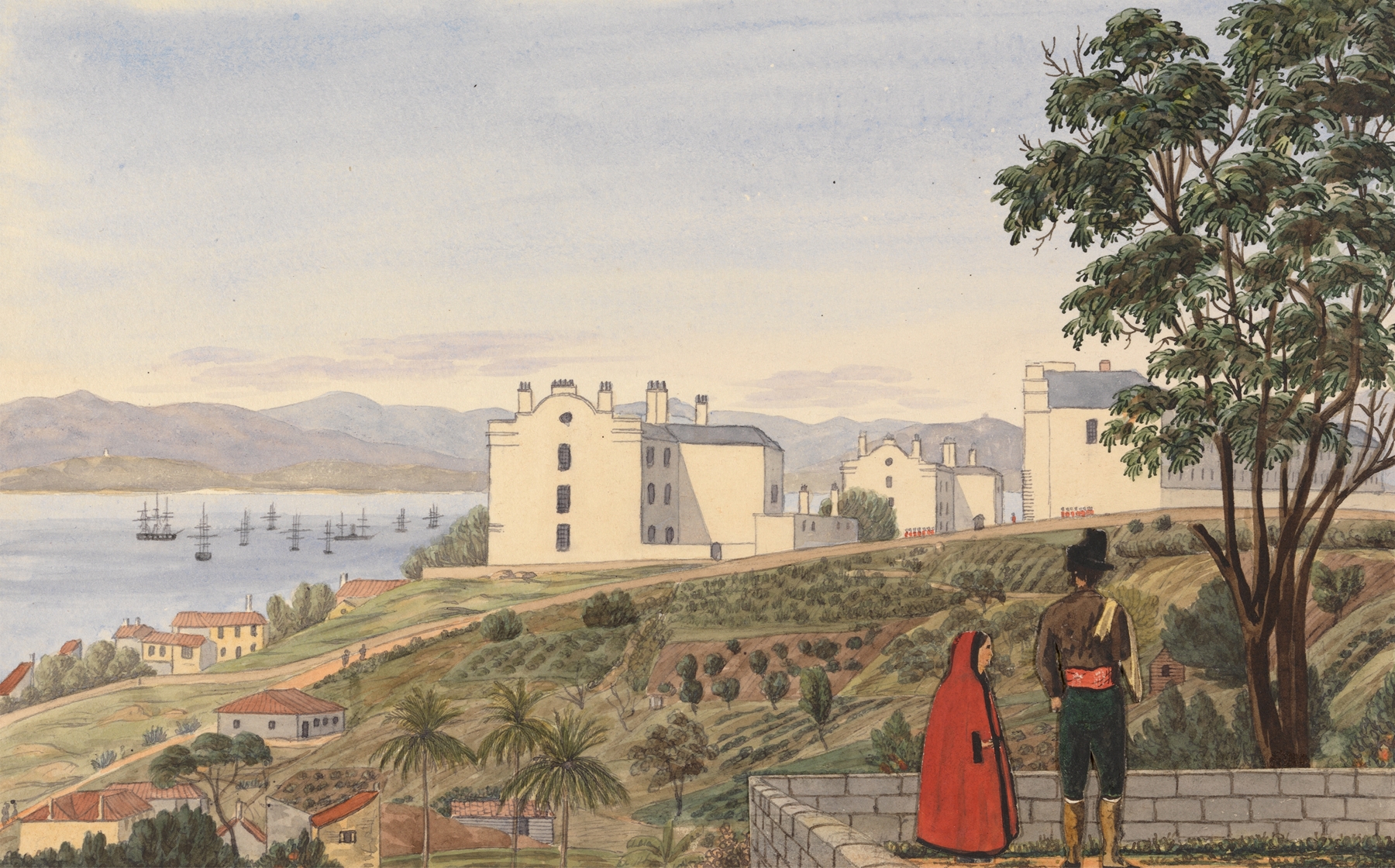
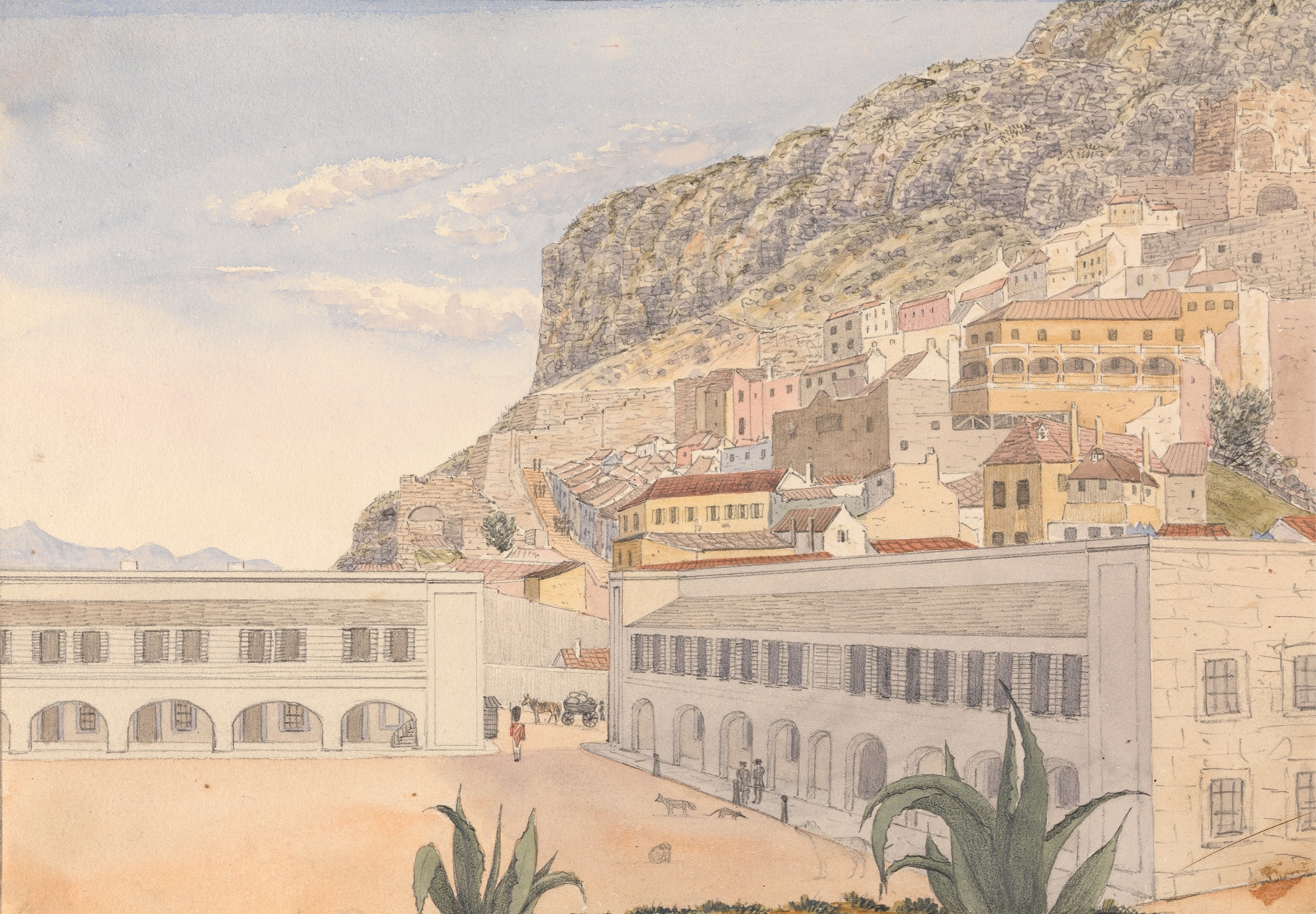
“Between color and silence, truth hides.” In a world where illusion intertwines with reality, perception becomes a delicate dance upon the canvas. To navigate The 48th Regiment with Casemate, Gibraltar, begin by directing your gaze to the left, where soldiers, clad in vibrant uniforms, stand at attention. Notice how the sunlight catches the red and white of their attire, creating a striking contrast against the muted earth tones of the surrounding walls. Focus on the intricate details of the casemate, its stonework imbued with age and resilience—echoes of history captured in every stroke.
The interplay of light and shadow not only highlights the regiment's fortitude but also reflects the weight of duty and camaraderie. There is an underlying tension in the juxtaposition of the animated soldiers and the stoic environment. The relaxed postures of the troops convey a moment of rest amidst a backdrop that suggests the ever-present threat of conflict. Look closely at the expressions; some are lost in thought, while others share quiet camaraderie, hinting at the emotional complexities of military life.
This painting encapsulates a moment suspended in time, where the mundane meets the momentous, and the illusion of peace shrouds the reality of war. Created in 1844, this work emerged during a time when George Lothian Hall was establishing his reputation as a painter of military subjects. Living in Britain, a nation deeply engaged in imperial expansion, he sought to capture the spirit of the armed forces. Hall's keen eye for detail and historical accuracy not only served to commemorate the 48th Regiment but also reflected a broader societal fascination with valor and national pride during an era of exploration and conflict.