The Artist's House at Argenteuil — History & Analysis
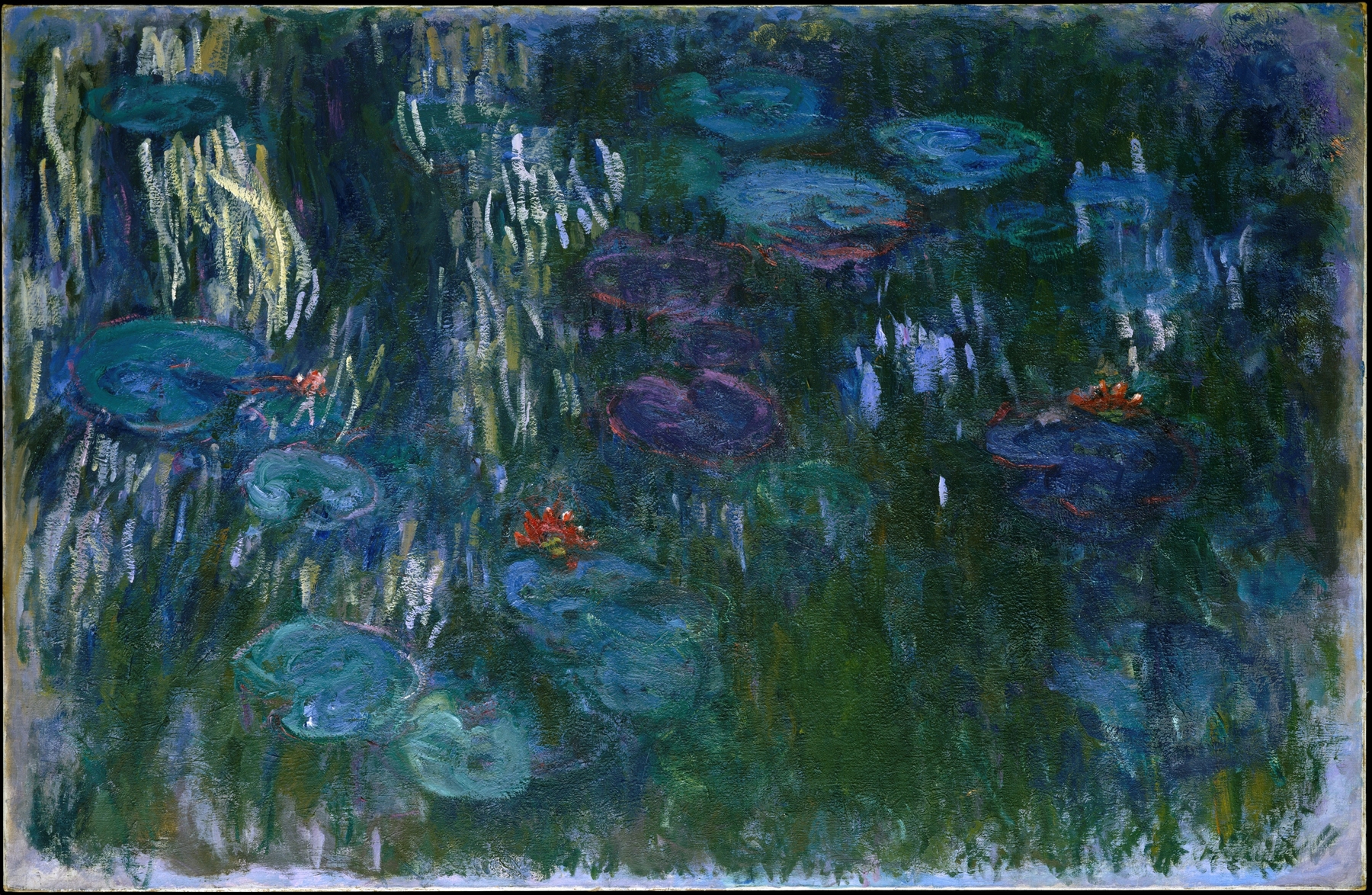
Where does light end, and longing begin? In The Artist's House at Argenteuil, a world emerges where the boundaries blur, evoking a profound sense of awe. Look to the right at the veritable explosion of color in the garden, where flourishing greens intertwine with bursts of vibrant flowers. The house, imbued with warm earthy tones, stands as a serene contrast to the lively surroundings. Monet’s brushwork invites you to trace the soft outlines of the building, while dappled sunlight dances across the canvas, creating a rhythm of light that breathes life into the scene.
The palette is a symphony of pastels, punctuating the tranquil atmosphere with the joy of a summer day. Beneath this idyllic surface lies a subtle tension. The positioning of the house suggests both refuge and isolation, hinting at the artist’s internal struggles with fame and recognition. The vibrant garden, teeming with life, contrasts with the stillness of the dwelling, representing a yearning for connection.
Every brushstroke conveys not just a place, but the emotional interplay between the artist's longing for tranquility and the vibrant chaos of the world outside. In 1873, Monet painted this work while living in Argenteuil, a picturesque suburb of Paris. This period marked a significant turn in his career, as he began to gain attention for his innovative approach to light and color in landscape painting. The burgeoning Impressionist movement was beginning to take root, as artists sought to capture fleeting moments, leading to a deeper exploration of identity and place within their work.