The Campo Vaccino, Rome Claude — History & Analysis
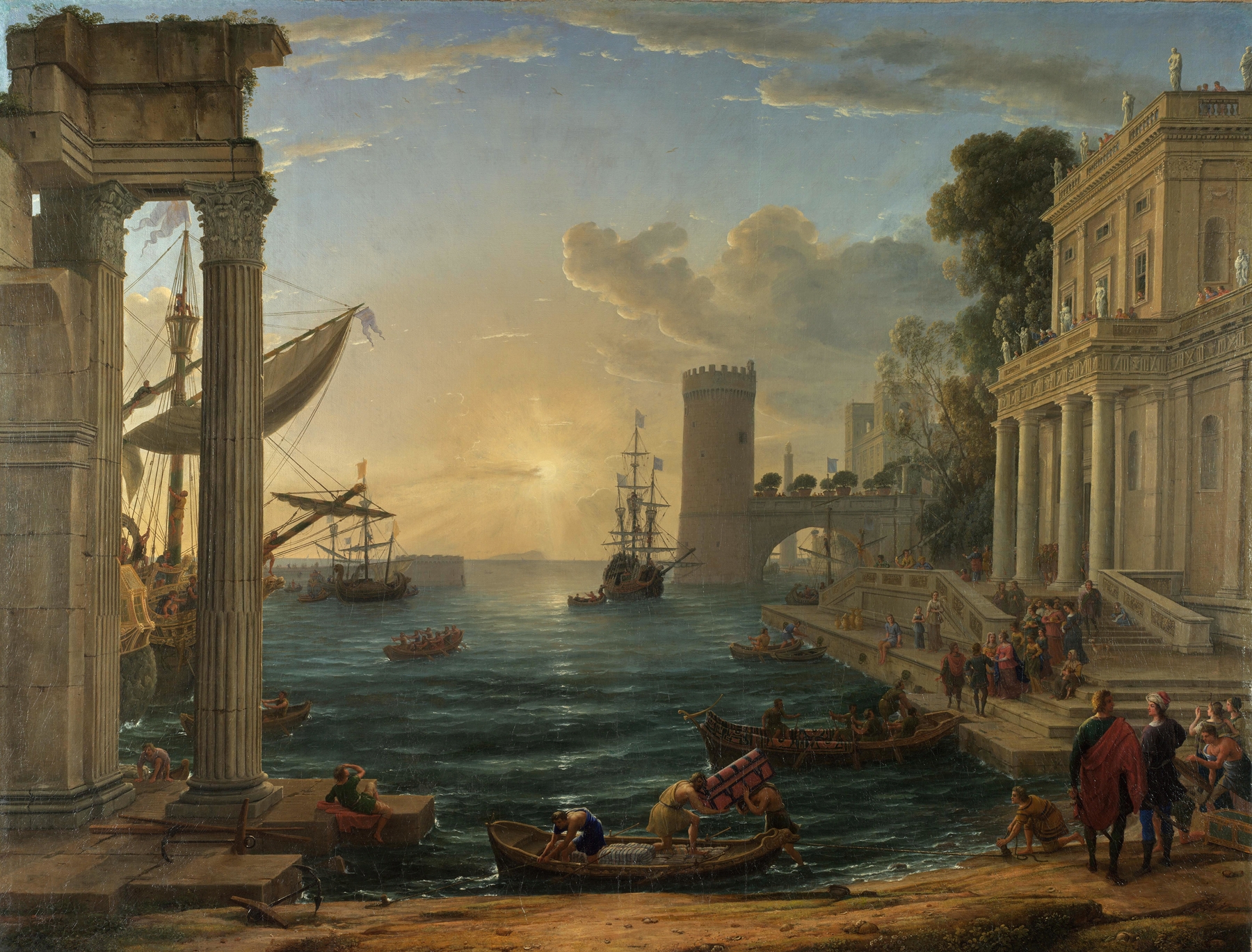
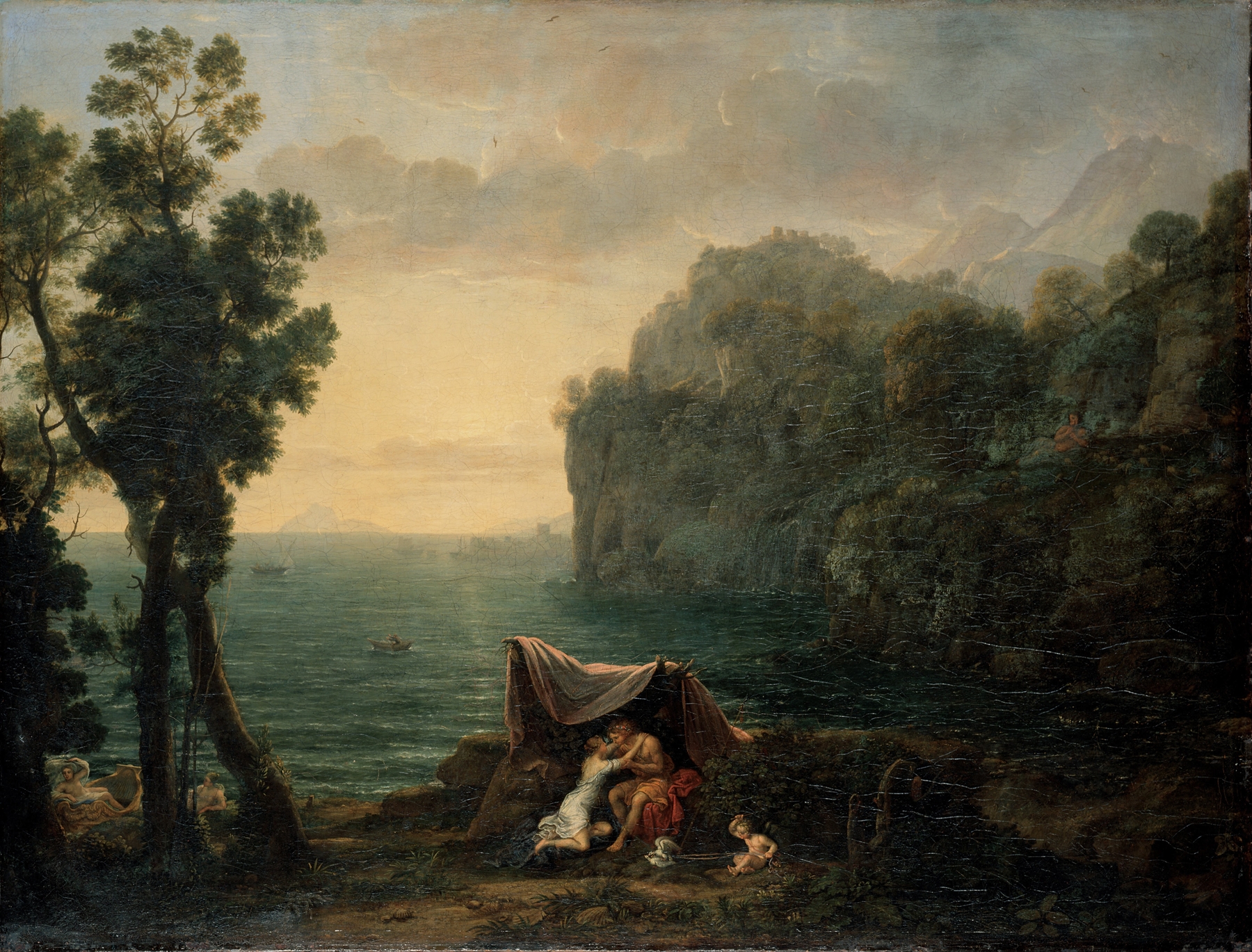
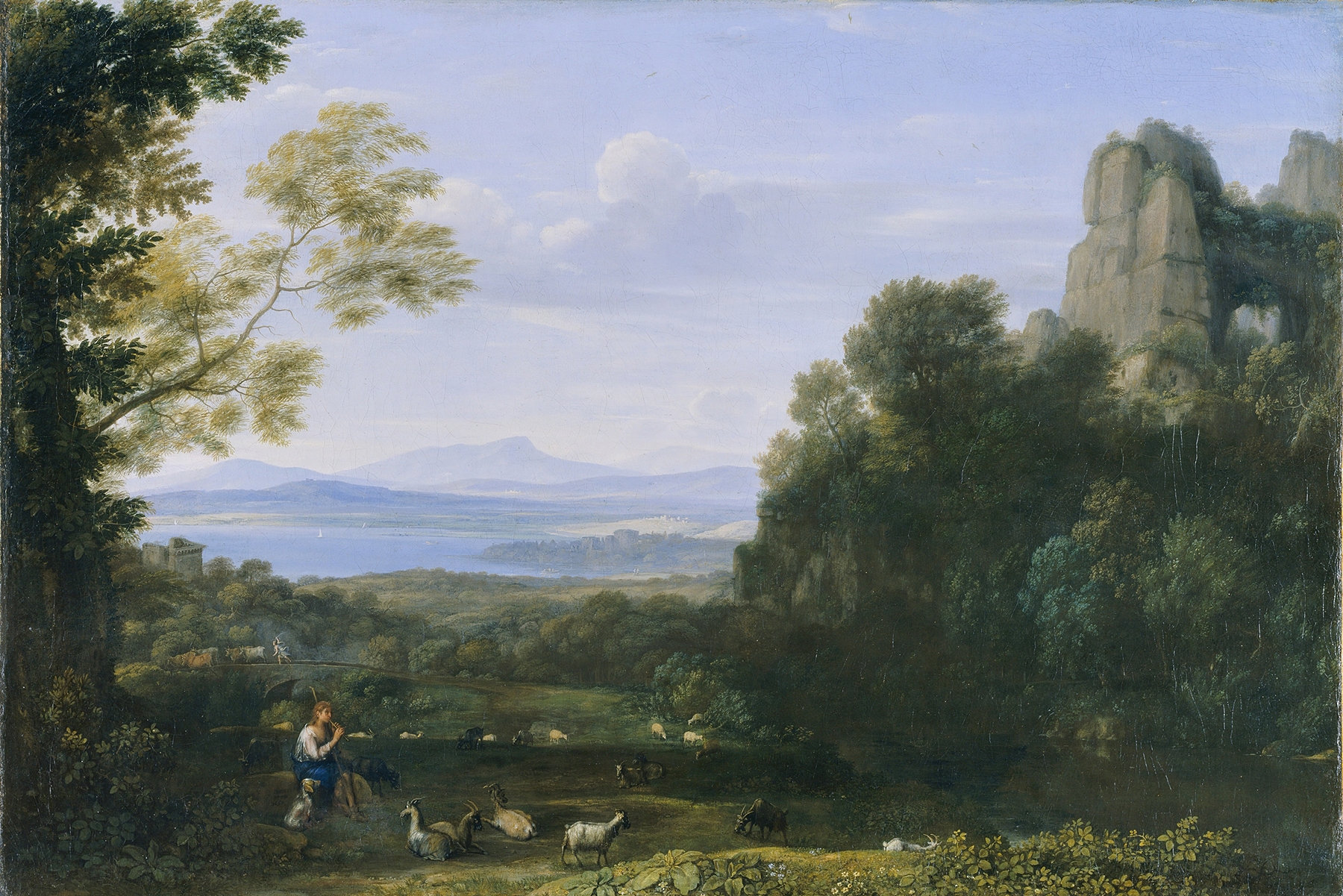
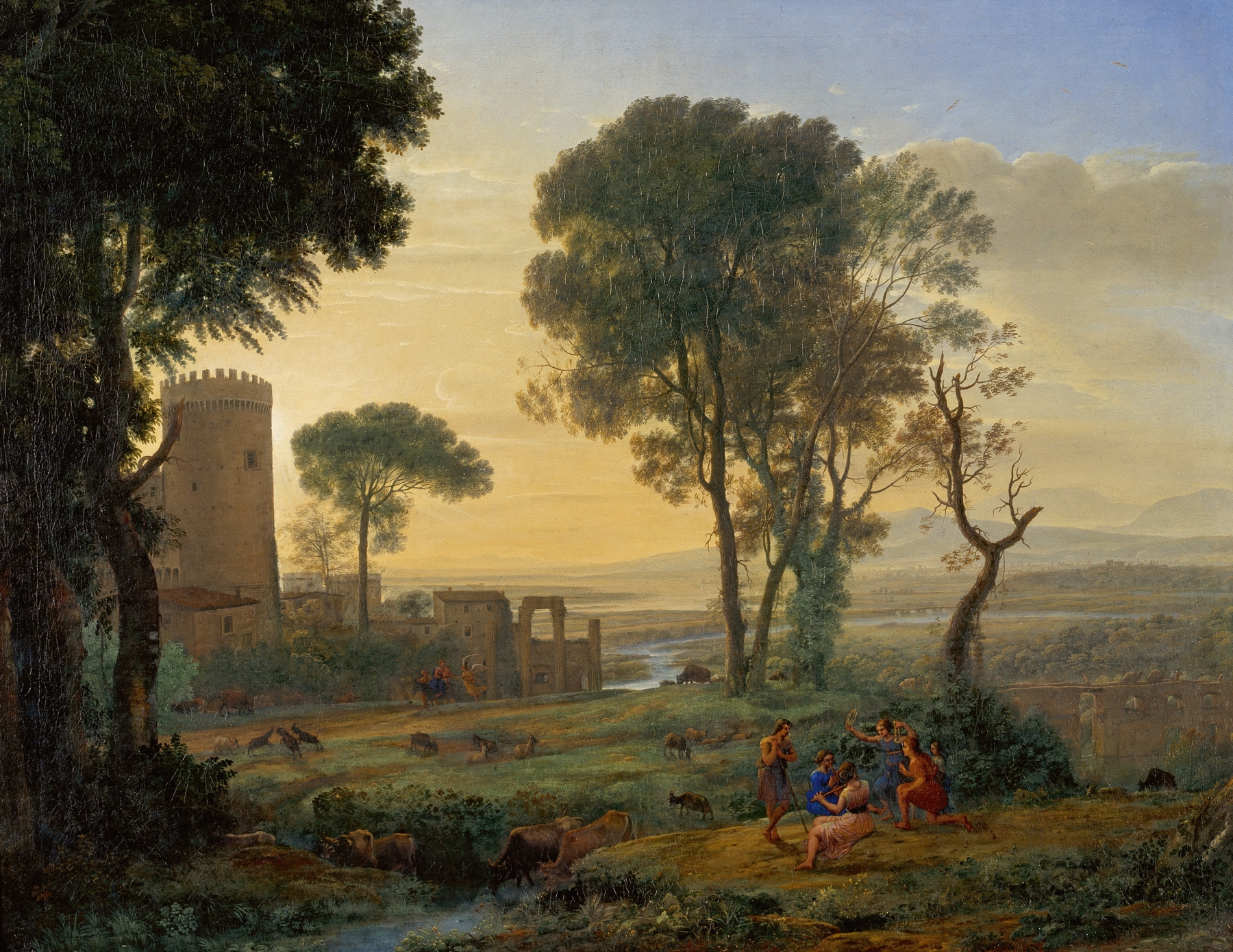
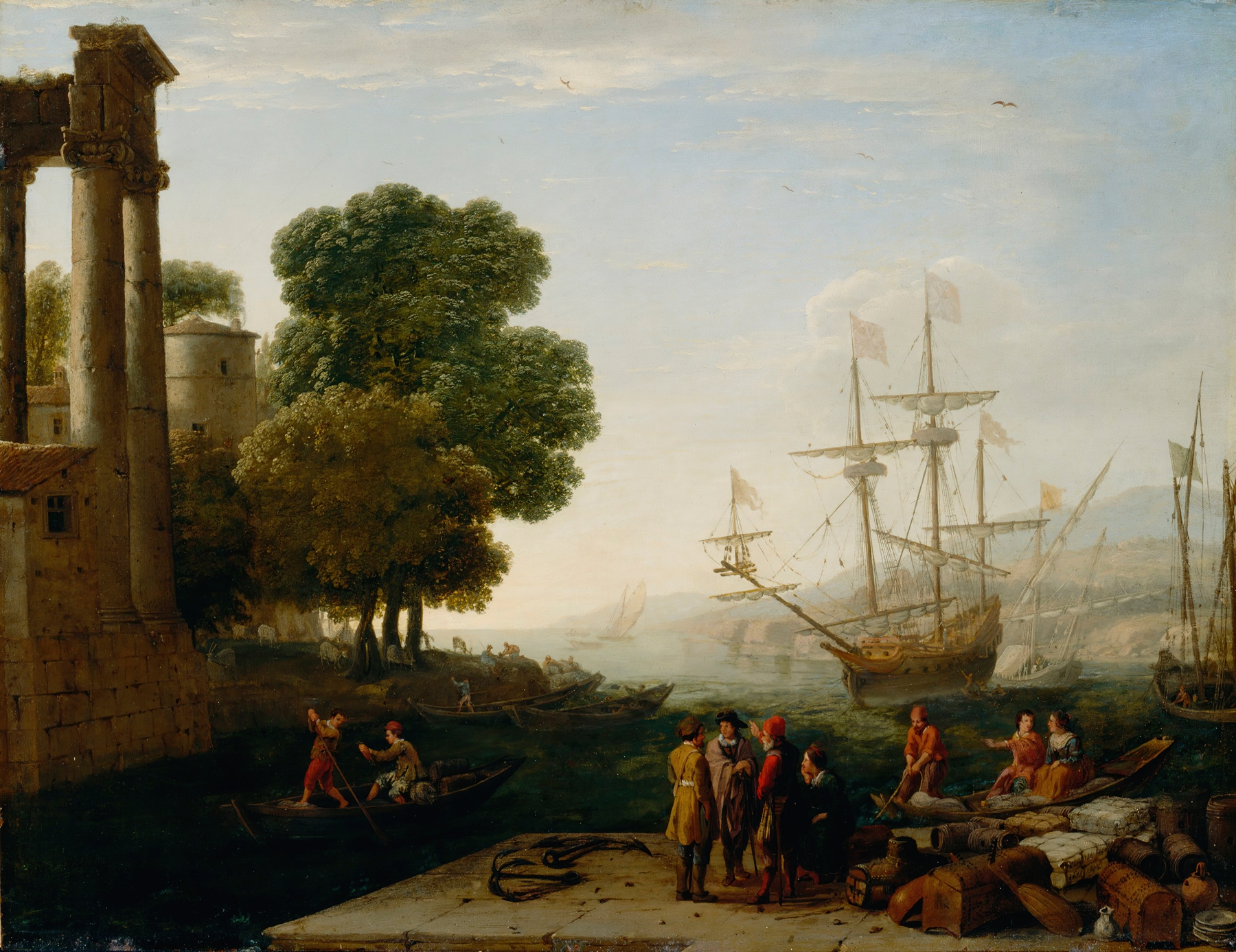
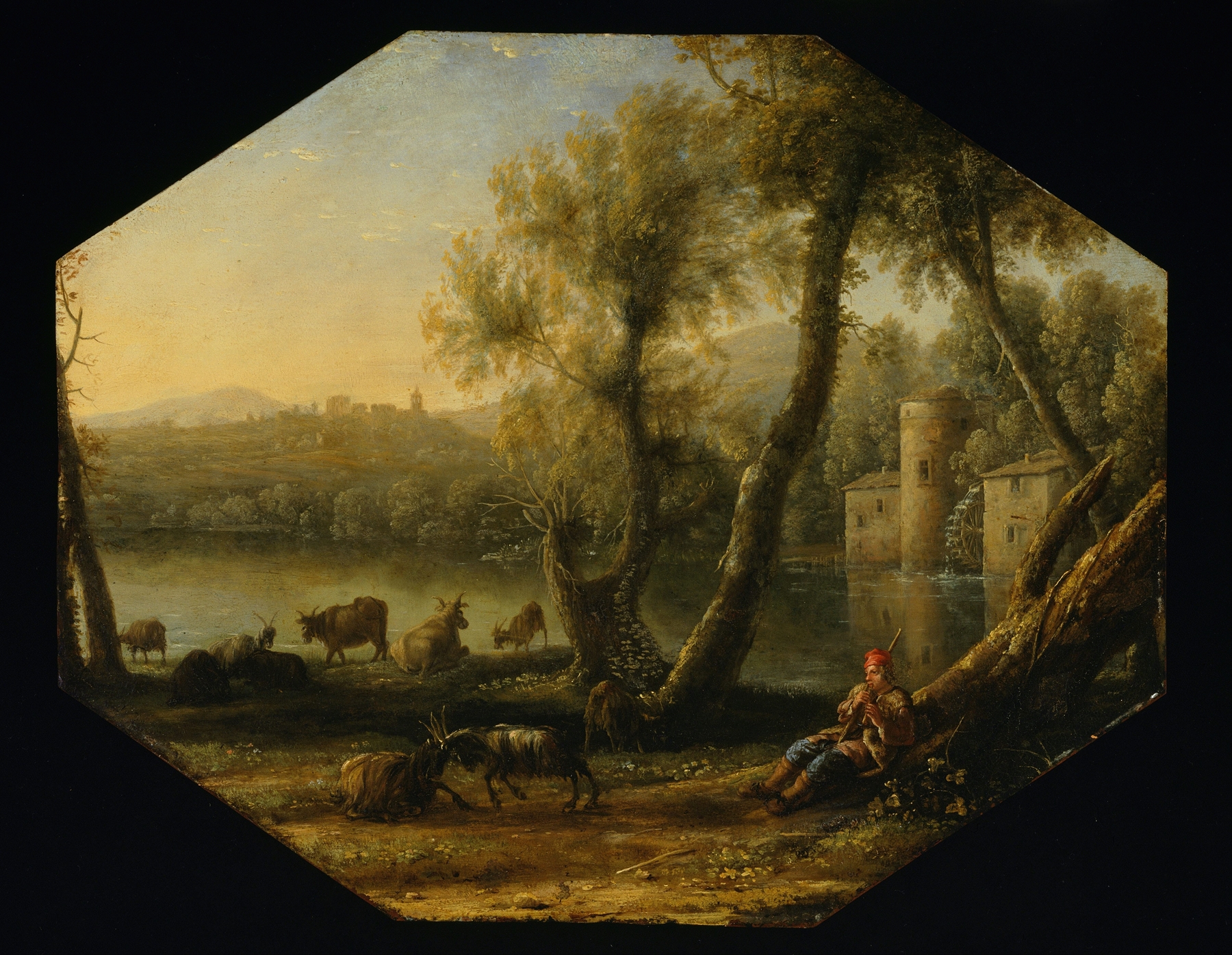
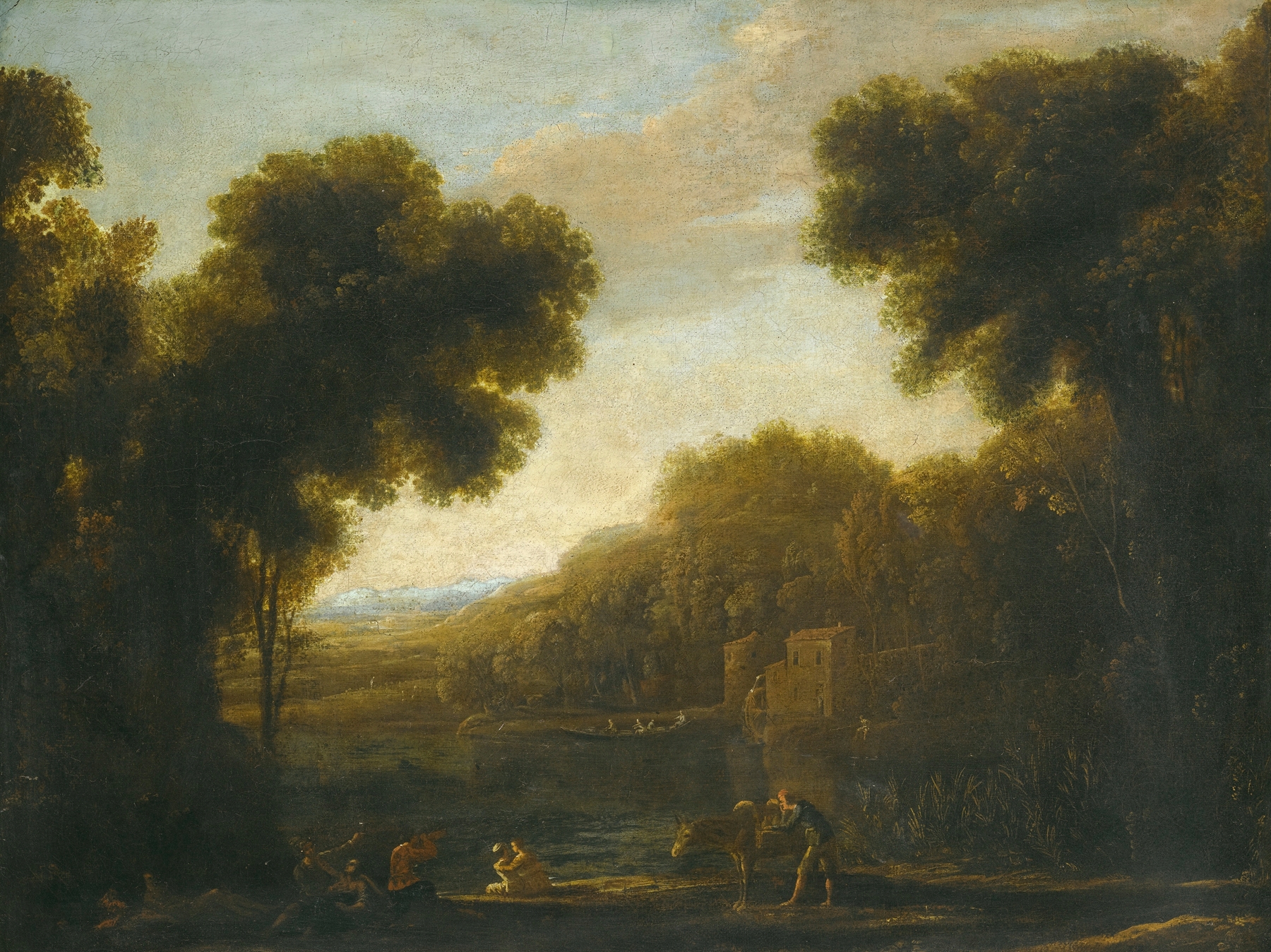
“Between color and silence, truth hides.” The tension between history and the present often swells with the brushstrokes of time, and The Campo Vaccino captures this beautifully, inviting us to reflect on the legacy of both land and man. Look to the center, where the ancient ruins rise majestically against the horizon, framed by the soft glow of an ethereal sky. The gentle play of light creates a striking contrast between the sun-kissed architecture and the shadows that linger in the foreground. Notice how the warm palette, rich with golds and earth tones, encapsulates a moment suspended in time, inviting the viewer to step into a narrative that is both familiar and mysterious.
Each stroke seems to whisper stories of the past, urging us to consider what remains after time has eroded much of what once was. Delve deeper into the subtle interactions that unfold in the landscape. The juxtaposition of the grand ruins against the serene pastoral scene suggests a dialogue between nature and civilization, evoking feelings of nostalgia and loss. The distant figures, dwarfed by the monumental structures, embody the fleeting nature of human existence, hinting at our small place in the vast tapestry of history.
This interplay between the permanence of stone and the ephemerality of life forms a poignant commentary on legacy and memory. Claude Lorrain painted The Campo Vaccino in the early 17th century, during a time when classical ideals were reviving in the art world. Living in Rome, he was immersed in a landscape rich with historical significance, which would influence his work. This period was marked by a growing appreciation for the grandeur of nature and the ruins of antiquity, reflecting a cultural resurgence that sought to capture the essence of beauty in art and life.