The Caulking of Ships at the Bothuisje on Het IJ in Amsterdam — History & Analysis
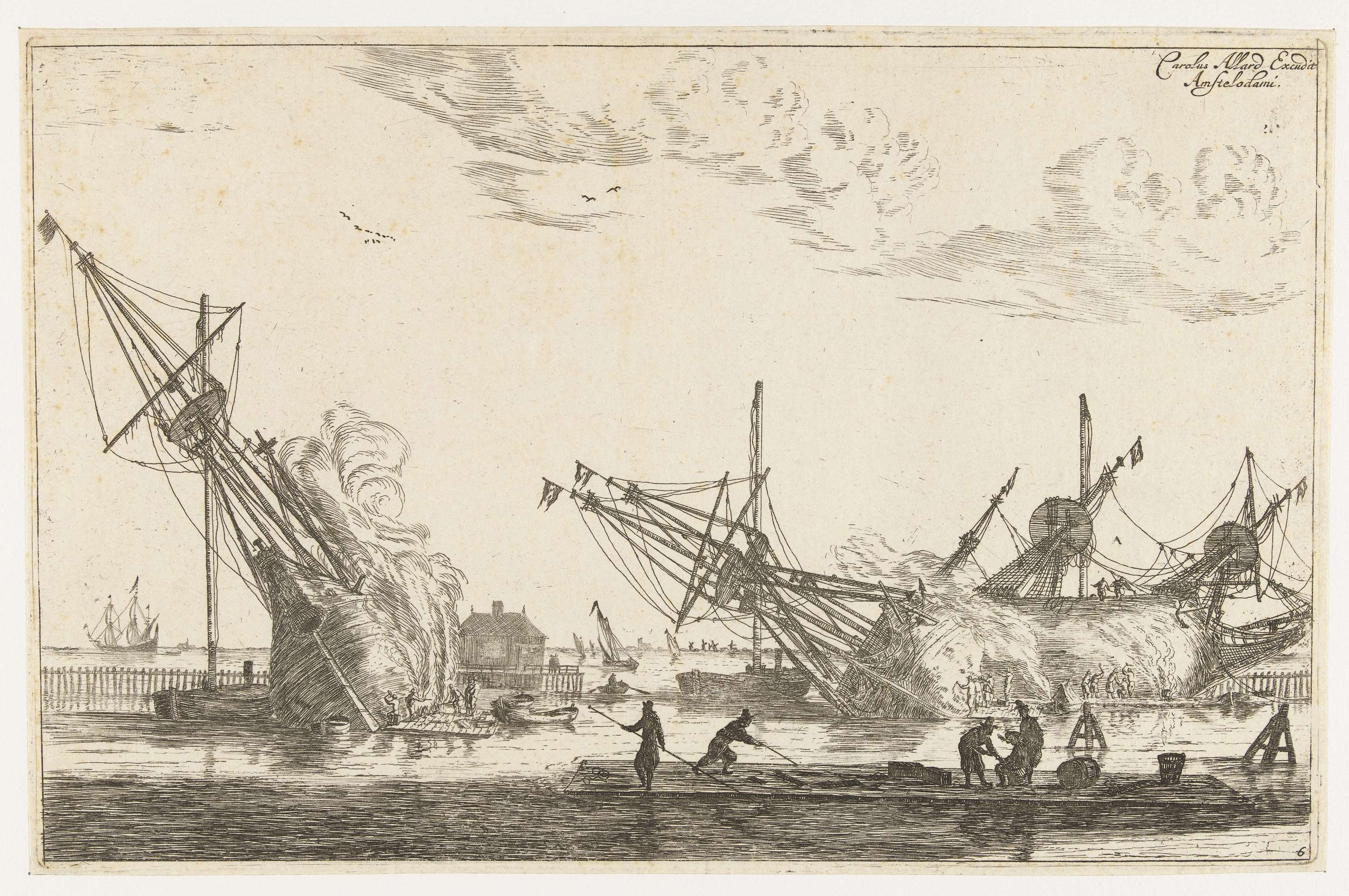
“The canvas doesn’t lie — it simply waits.” In this stillness lies a unique fear: the fear of the unknown that haunts all who labor by the water’s edge. Look closely at the figures clustered near the ship, their bodies taut with concentration. The warm golden hues of the setting sun spill diagonally across the canvas, illuminating the rich browns of the ship’s hull and the weathered faces of the workers. Notice how the light dances on the caulking tools, creating a shimmering contrast against the darkening water, which threatens to swallow their efforts whole. The composition draws us in, urging the viewer to witness this moment of labor, sweat, and silent apprehension.
Within this scene, the tension of vulnerability is palpable. The ship, a symbol of hope and adventure, stands precariously at the brink of reliability, its seams exposed to the elements. Each worker’s gaze seems to reflect a deeper anxiety — what if their craftsmanship falters? What if this vessel becomes a coffin instead of a carryall?
The contrast between the sturdy structure of the ship and the fragile confidence of its builders reveals an eternal struggle between aspiration and fear. During the years between 1650 and 1668, Reinier Nooms painted this work amidst the flourishing maritime industry of Amsterdam. At the time, the city was a hub of trade and exploration, but also faced the lurking dangers of the sea. Nooms, who specialized in marine scenes, captured not just the labor but the underlying fears of those who depended on these vessels to navigate an unpredictable world.