The Channel Fleet at Sea — History & Analysis
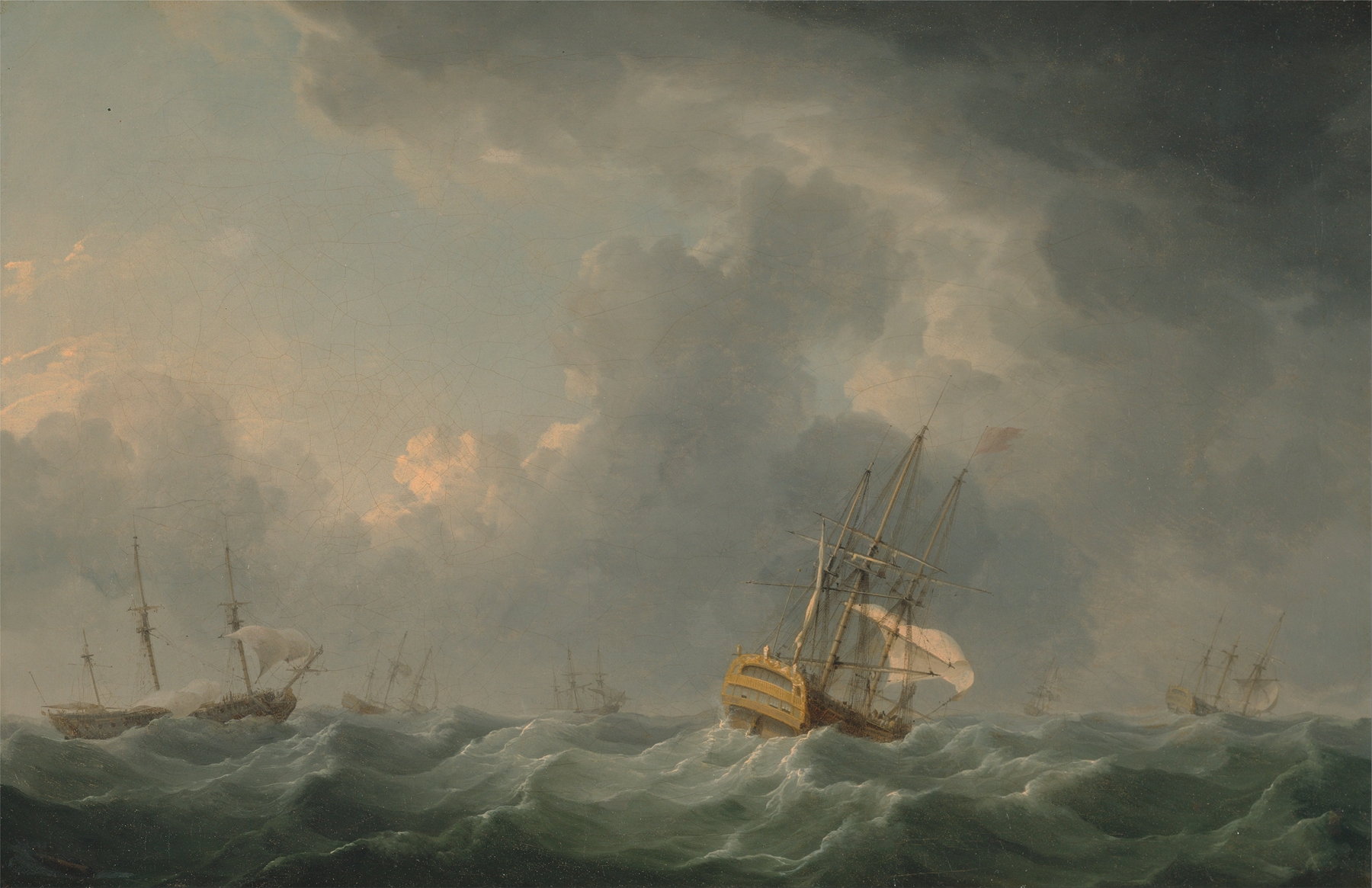
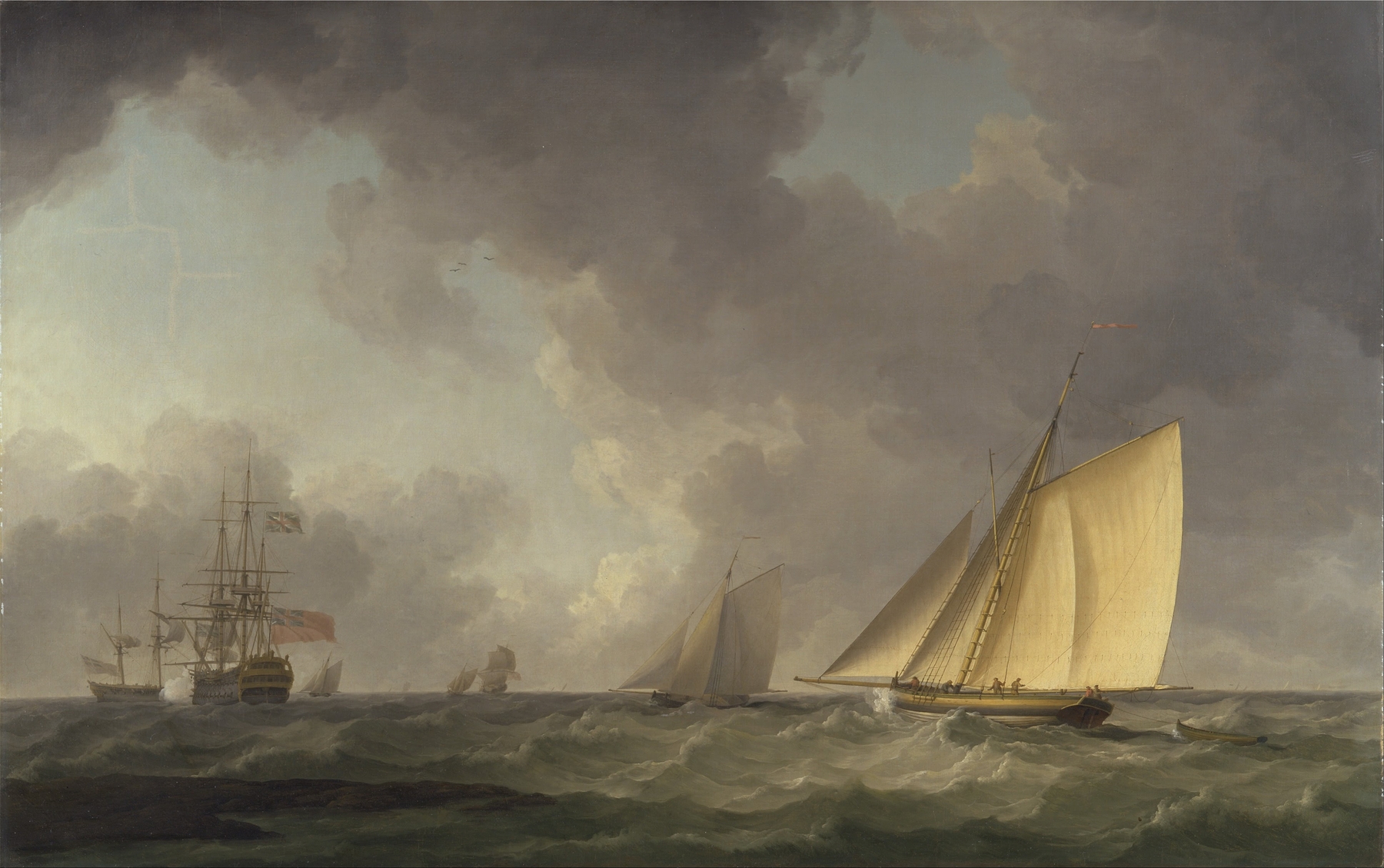
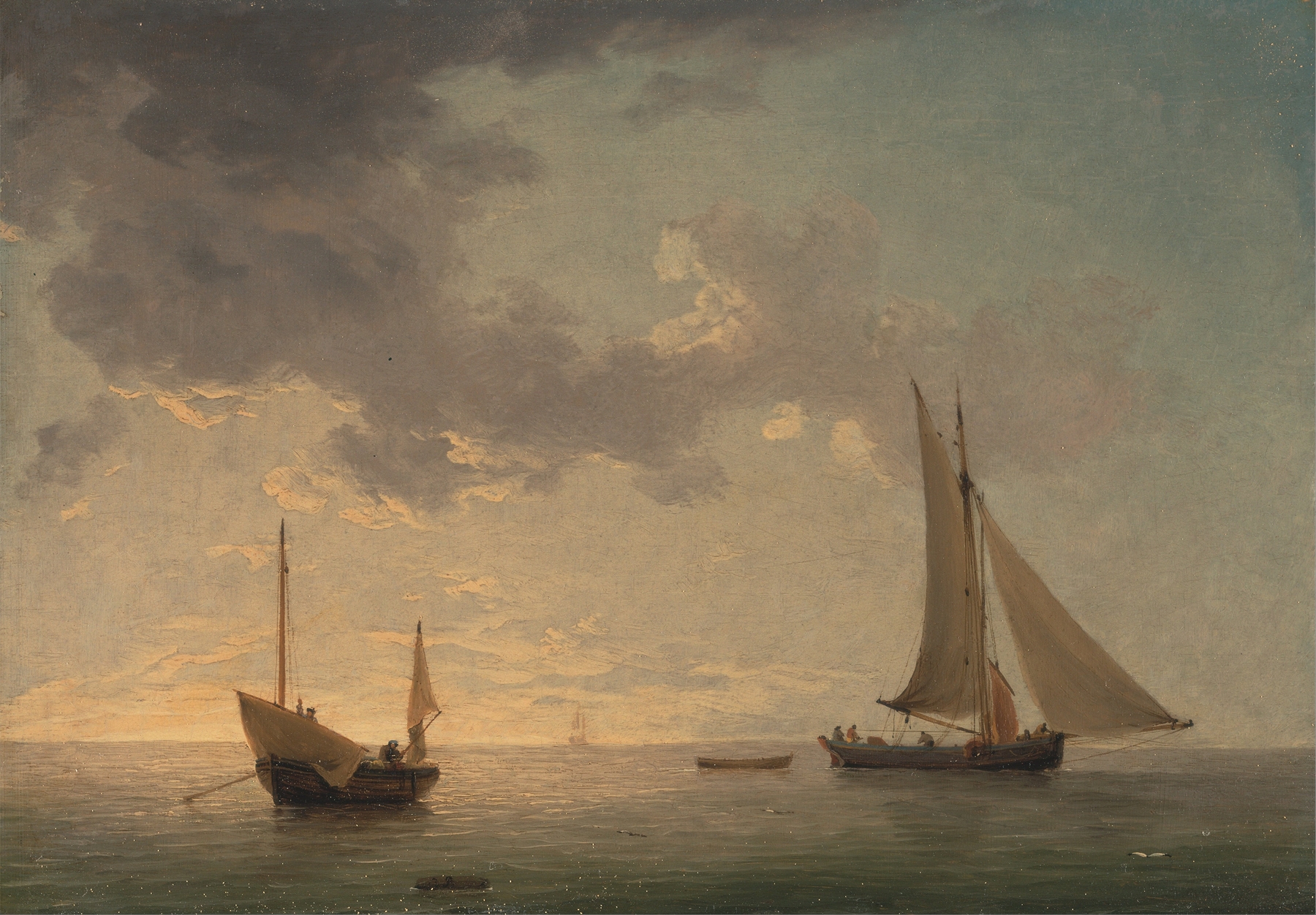
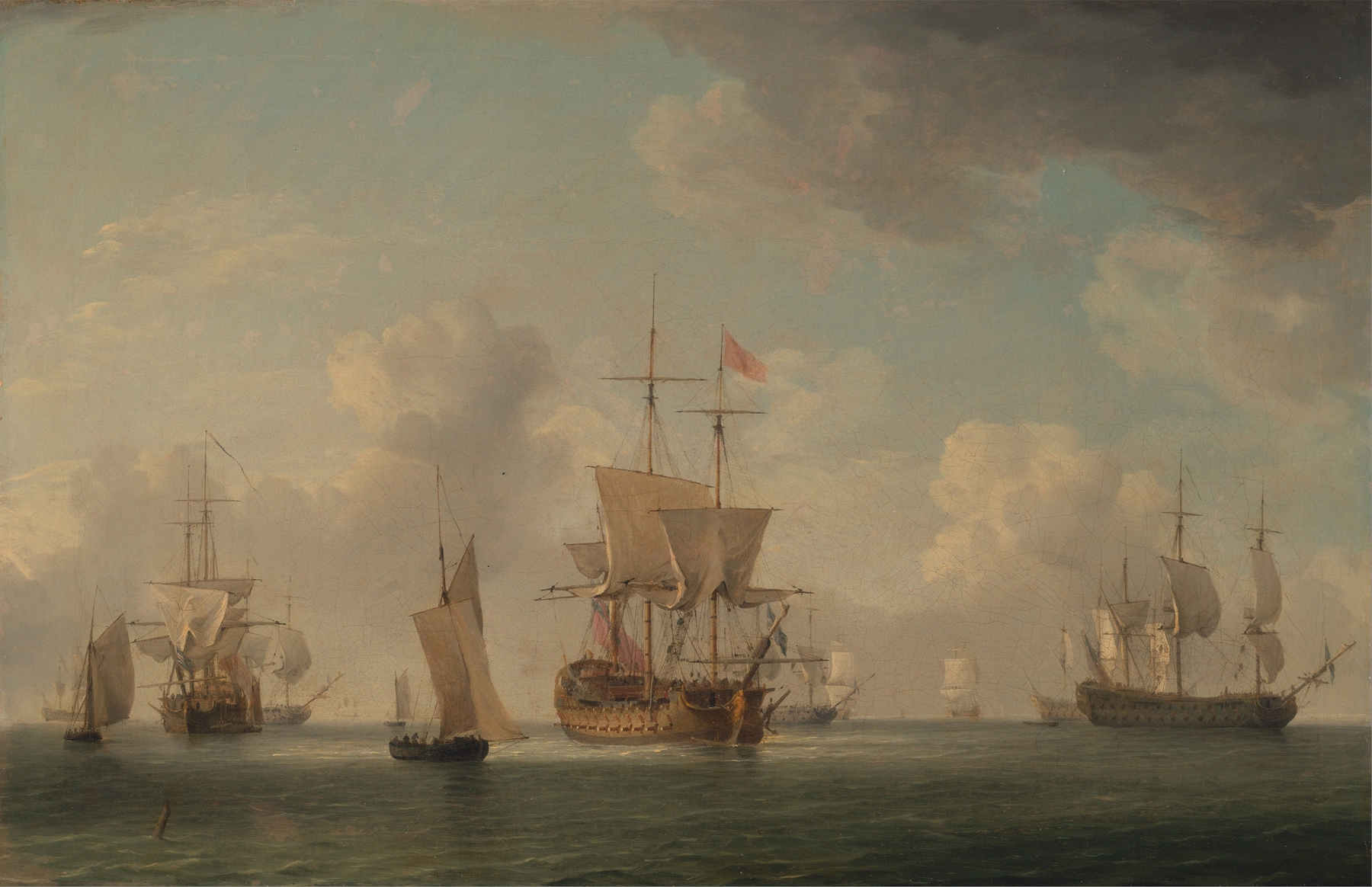
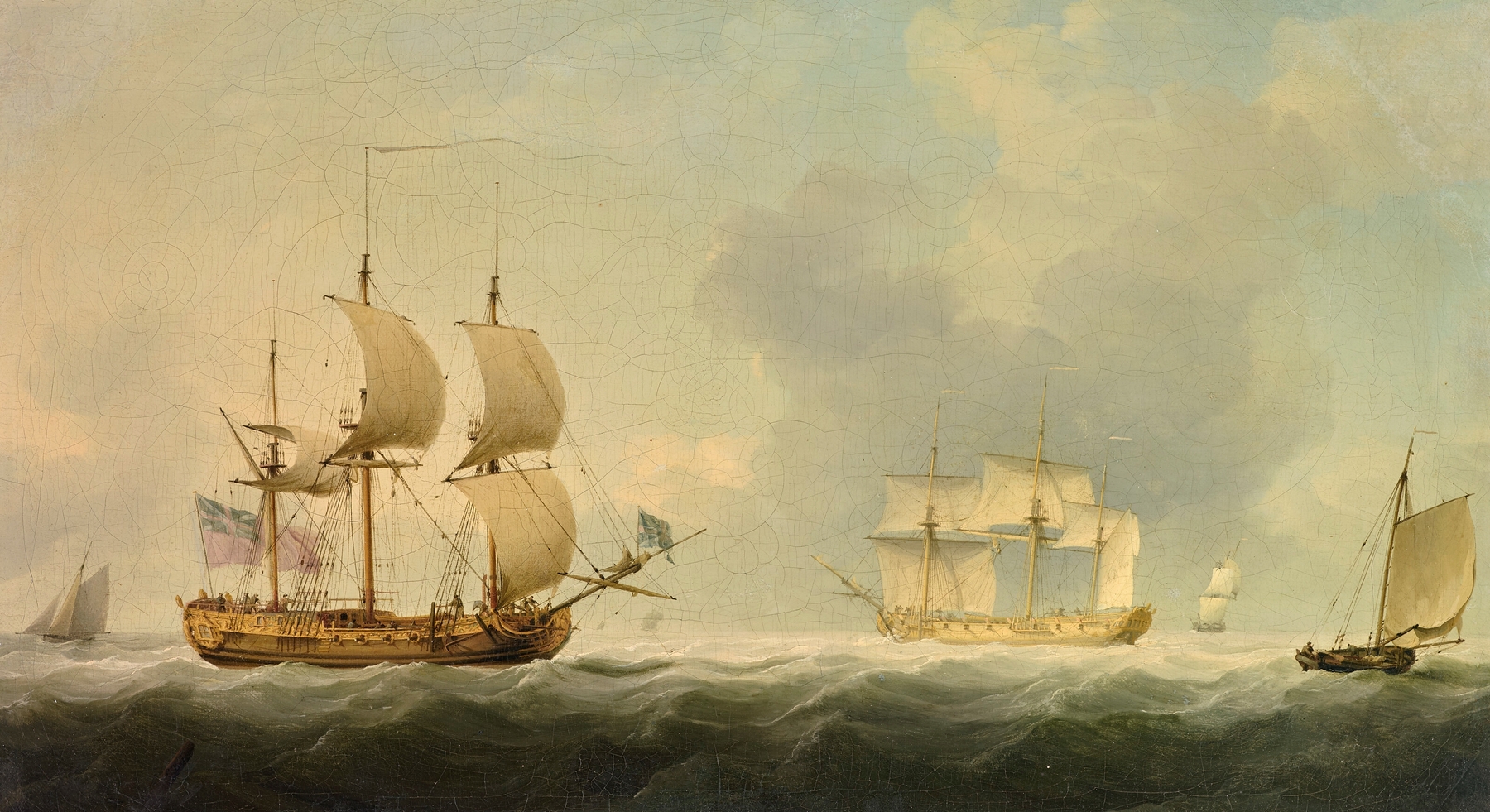
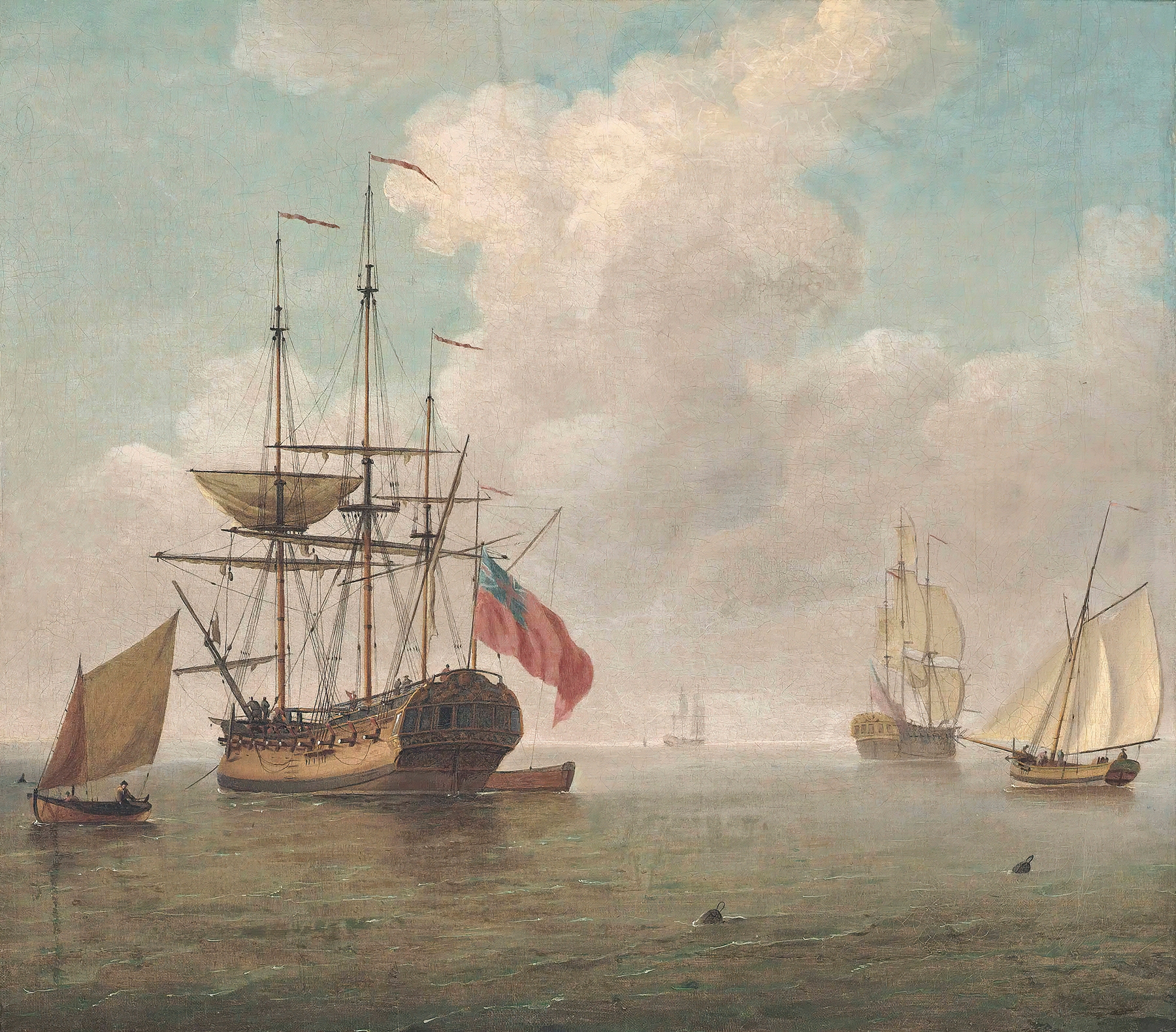
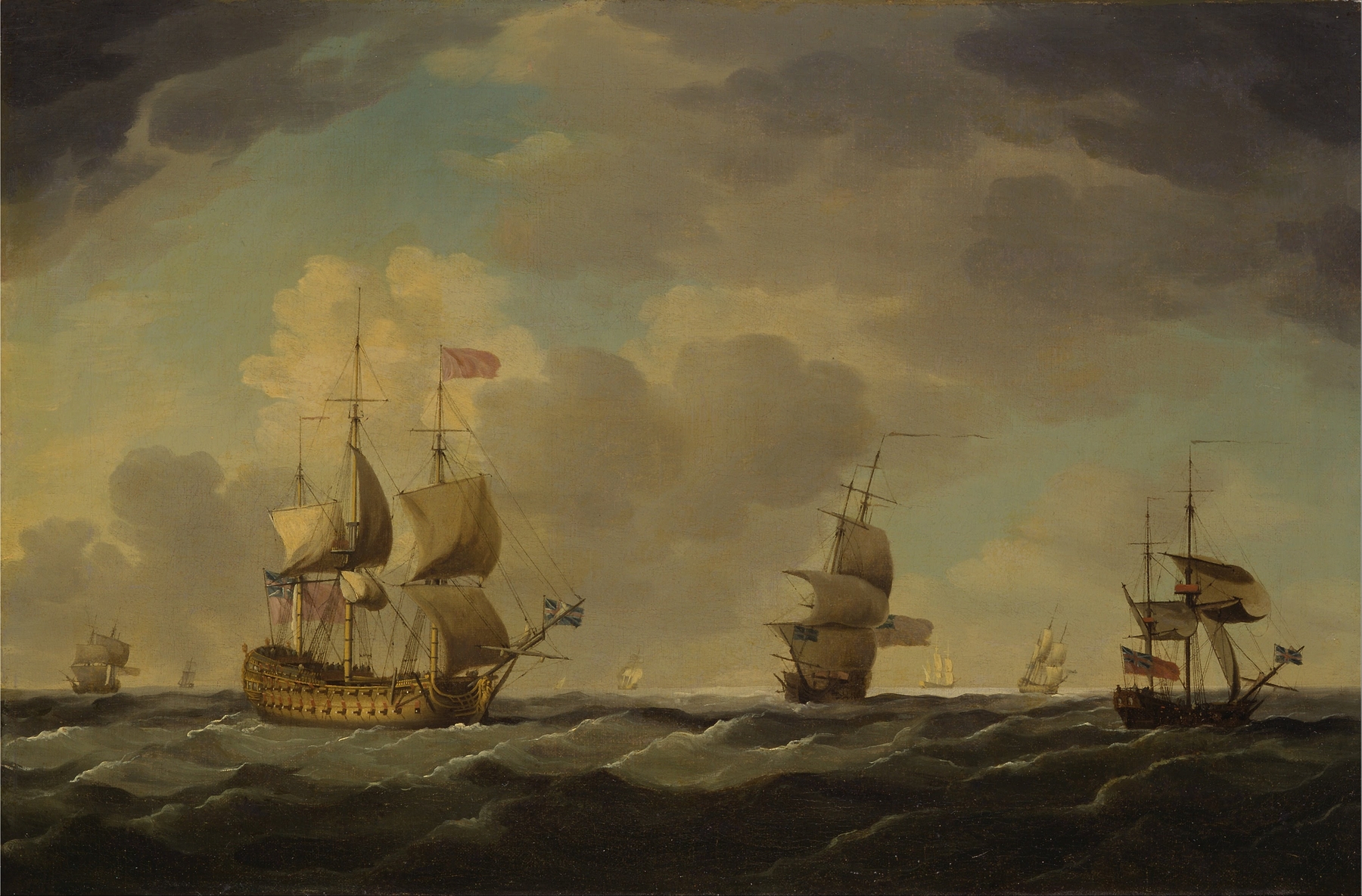
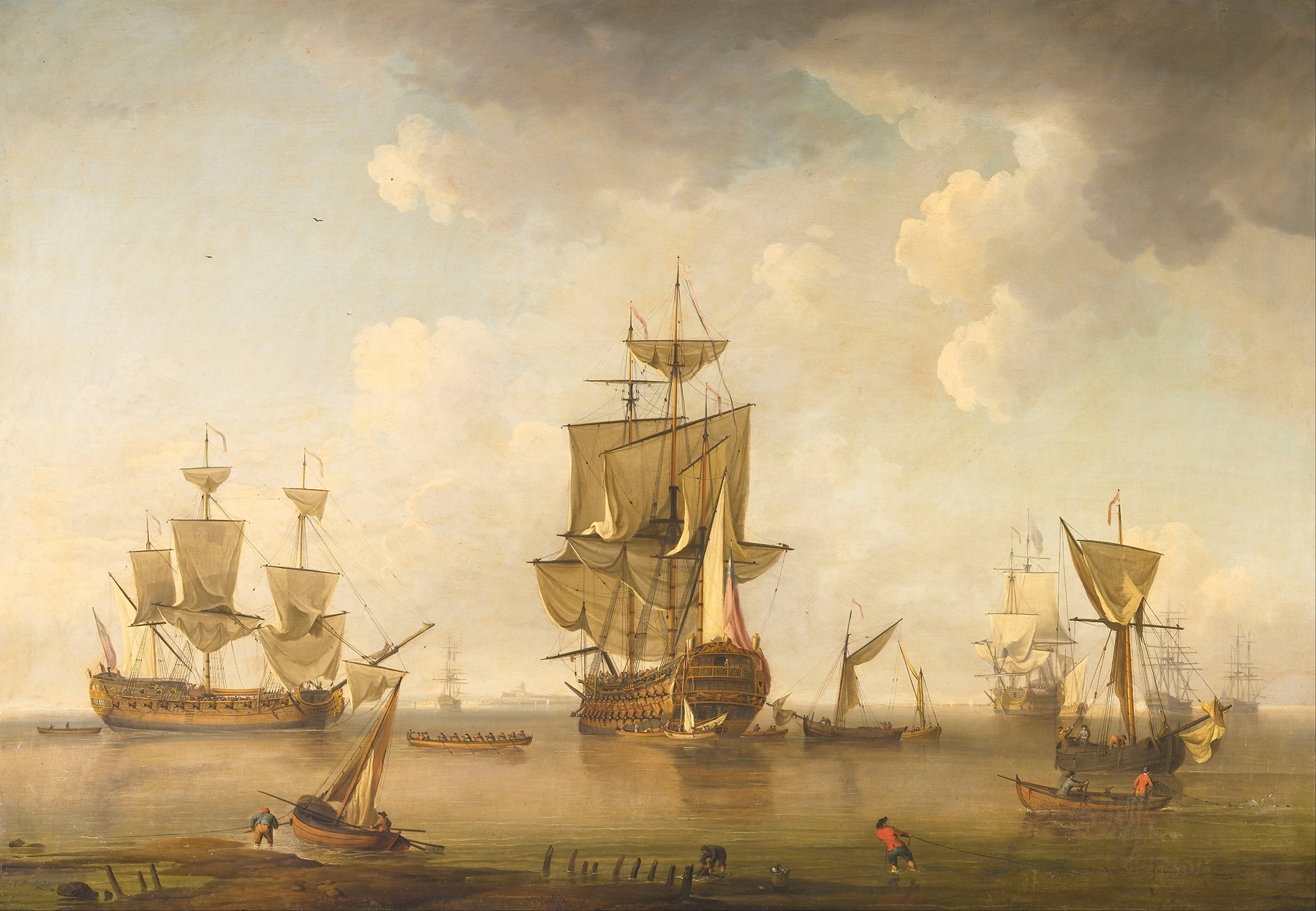
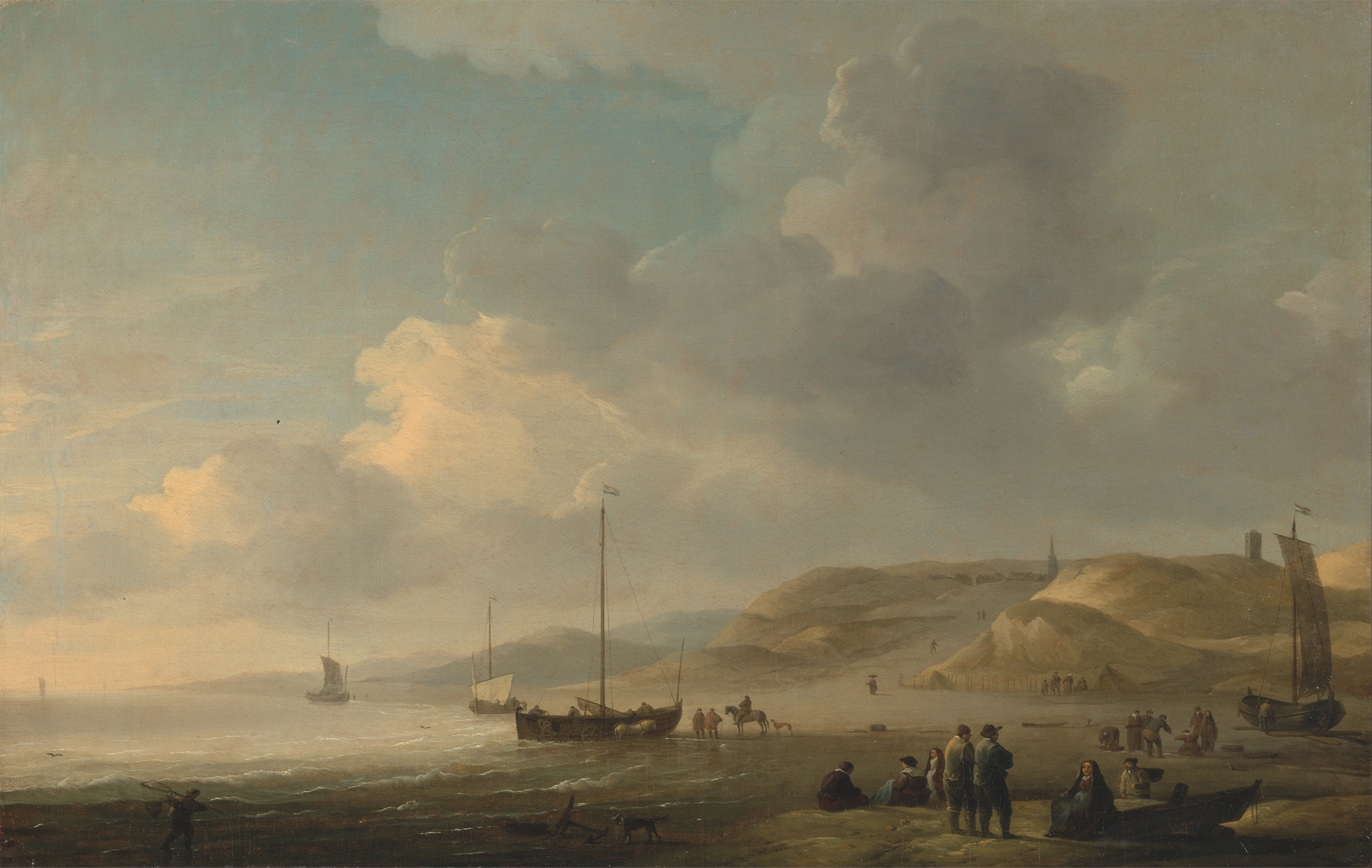
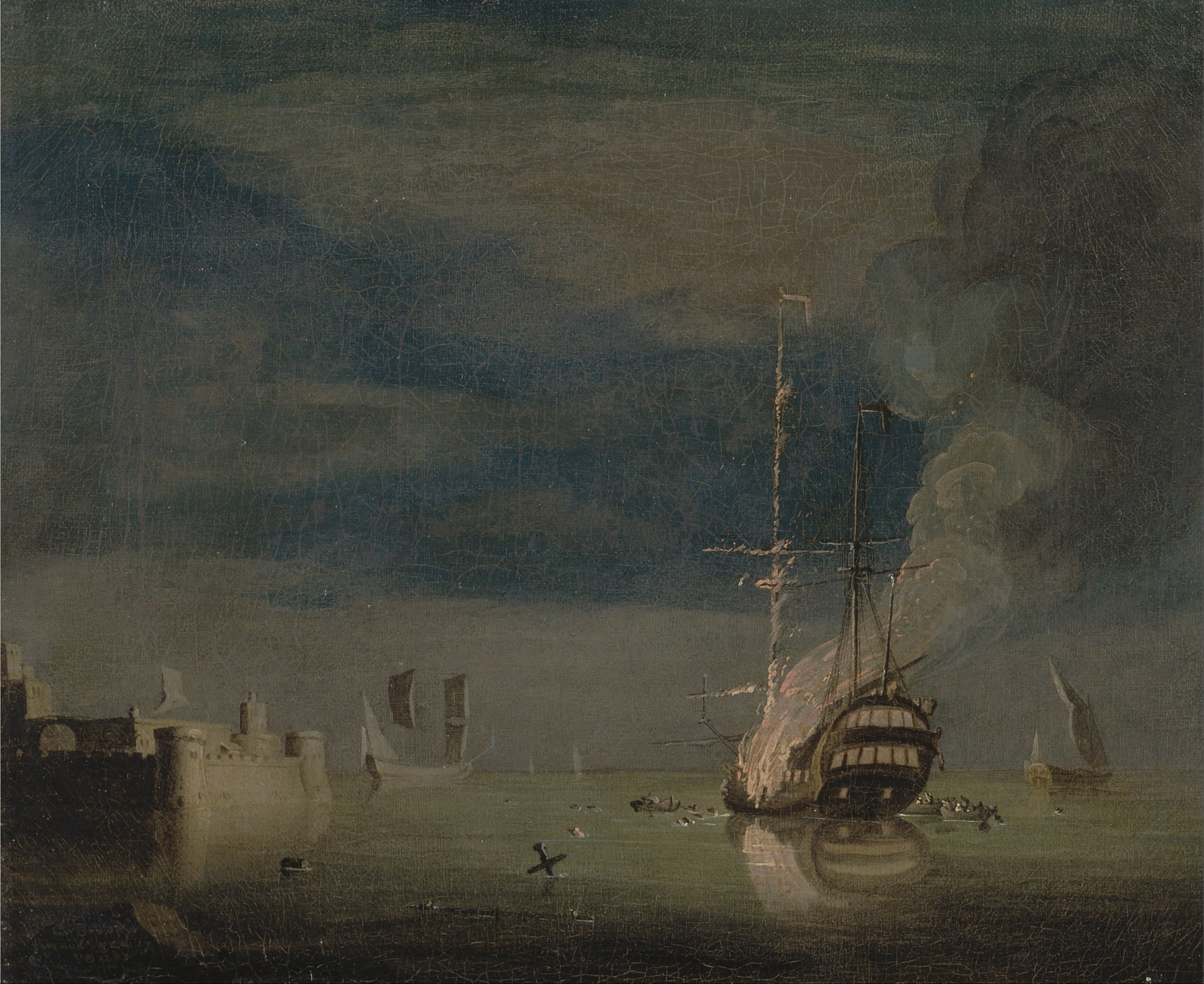
“The canvas doesn’t lie — it simply waits.” In the stillness of the ocean, where time stretches thin like a whisper, the weight of mortality hangs suspended above the waves. Each brushstroke captures a fleeting moment, a reminder of the ephemeral nature of life and the relentless march of time. Look to the left at the bold strokes of cerulean and emerald that form the tumultuous sea, where whitecaps curl like the fingers of fate. Notice how the distant ships slice through the water, their sails filled with an unseen breath, every detail rendered with precision.
The composition draws the eye across the canvas, inviting contemplation of the vastness beyond the horizon while grounding us in the immediacy of the scene. In this maritime tableau, the contrast between man’s ambition and nature’s indifference is stark. The vessels, symbols of human ingenuity, are juxtaposed against the immensity of the ocean, which serves as a silent reminder of humanity's fragility. Each ship, battling the elements, embodies the struggle against mortality, while the endless expanse of water evokes the eternal cycle of life and death, questioning our place within this grand tableau.
Brooking painted this work during the late 18th century, a time when maritime power was a sign of national strength and trade. The artist, known for his detailed marine scenes, navigated a world that was rapidly changing due to exploration and commerce. As he created this piece, the age of sail was nearing its twilight, calling forth reflections on the transitory nature of existence amidst the backdrop of an evolving society.