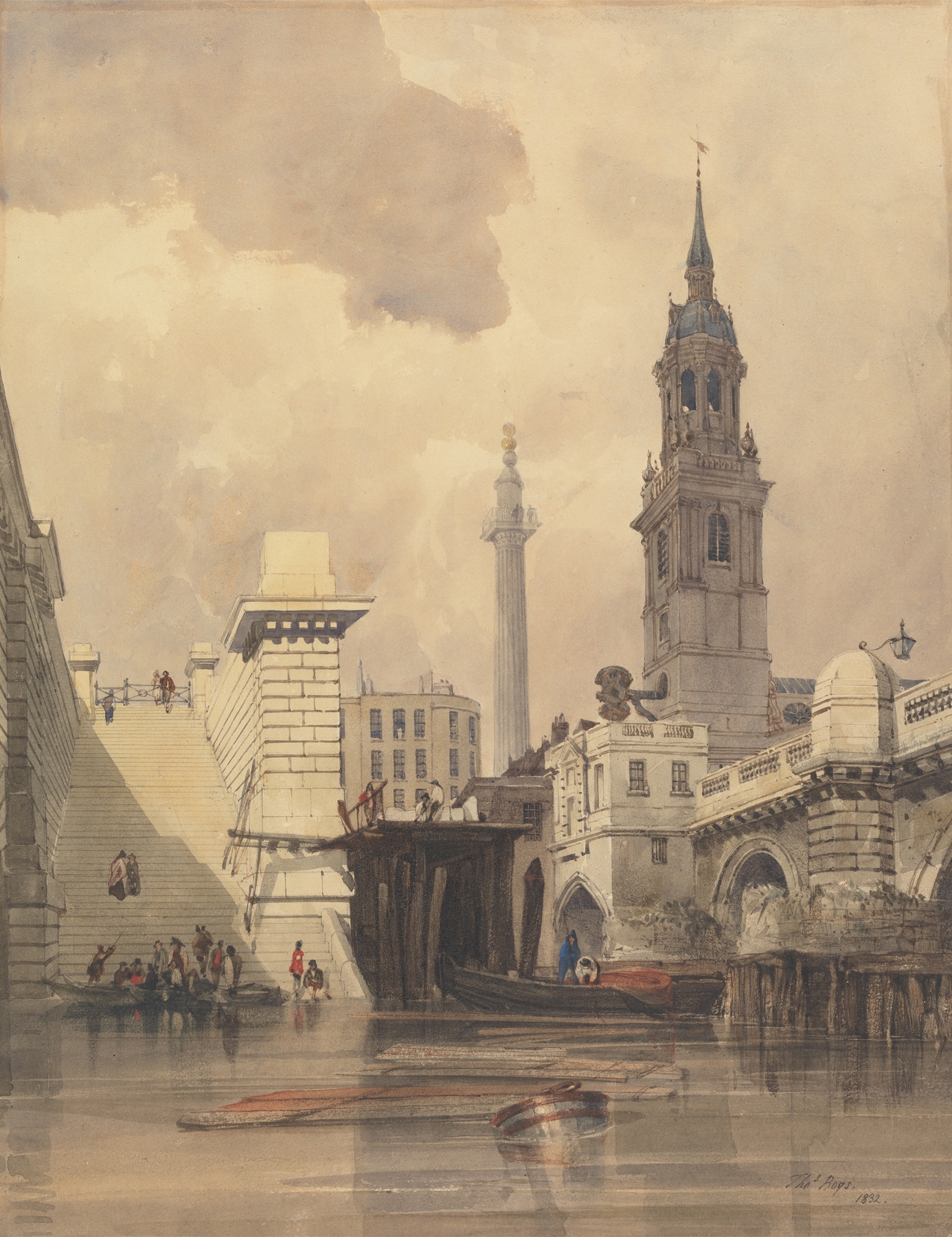
The Church of St. Magnus the Martyr, London Bridge, with the Monument in the Background — History & Analysis
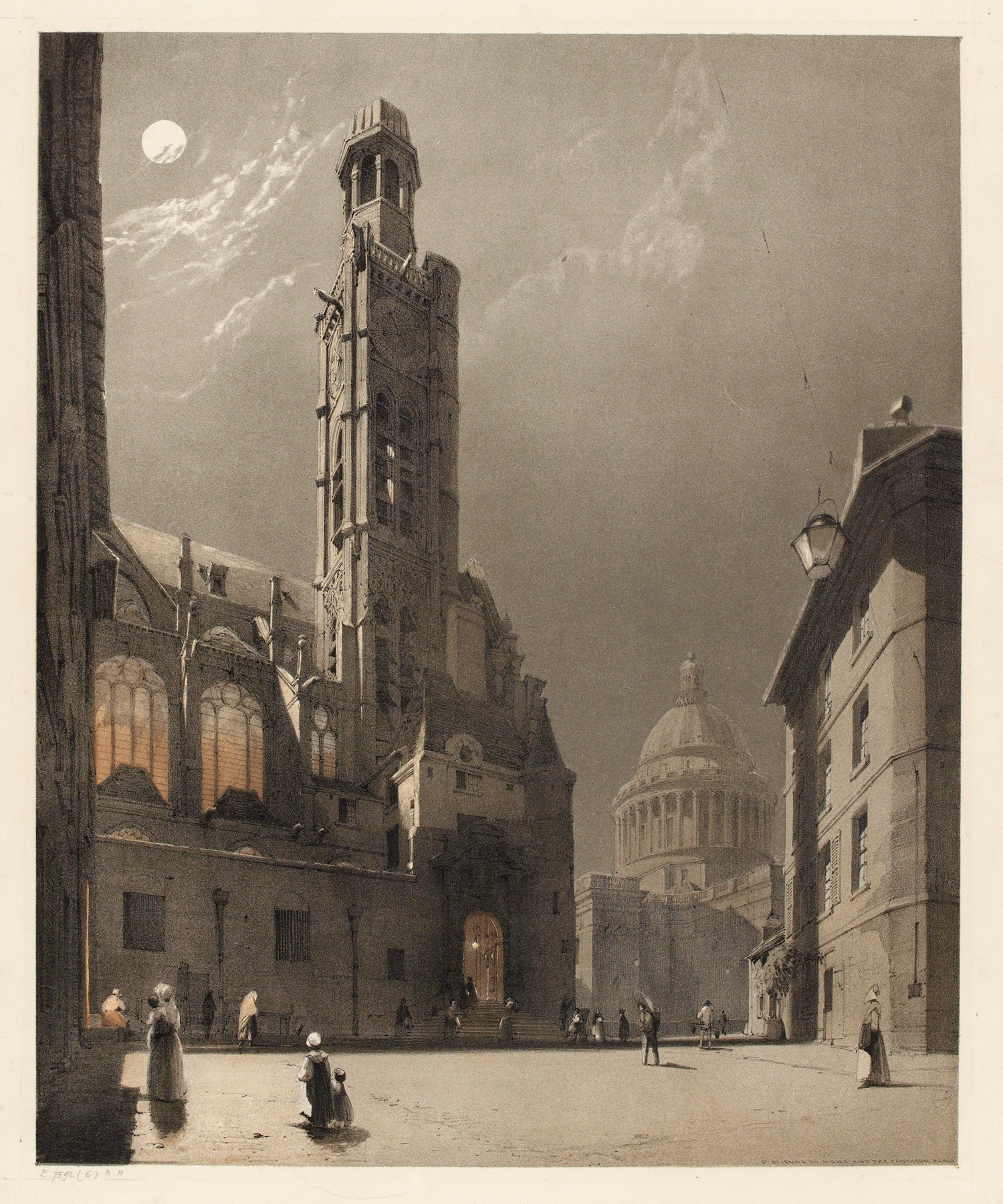
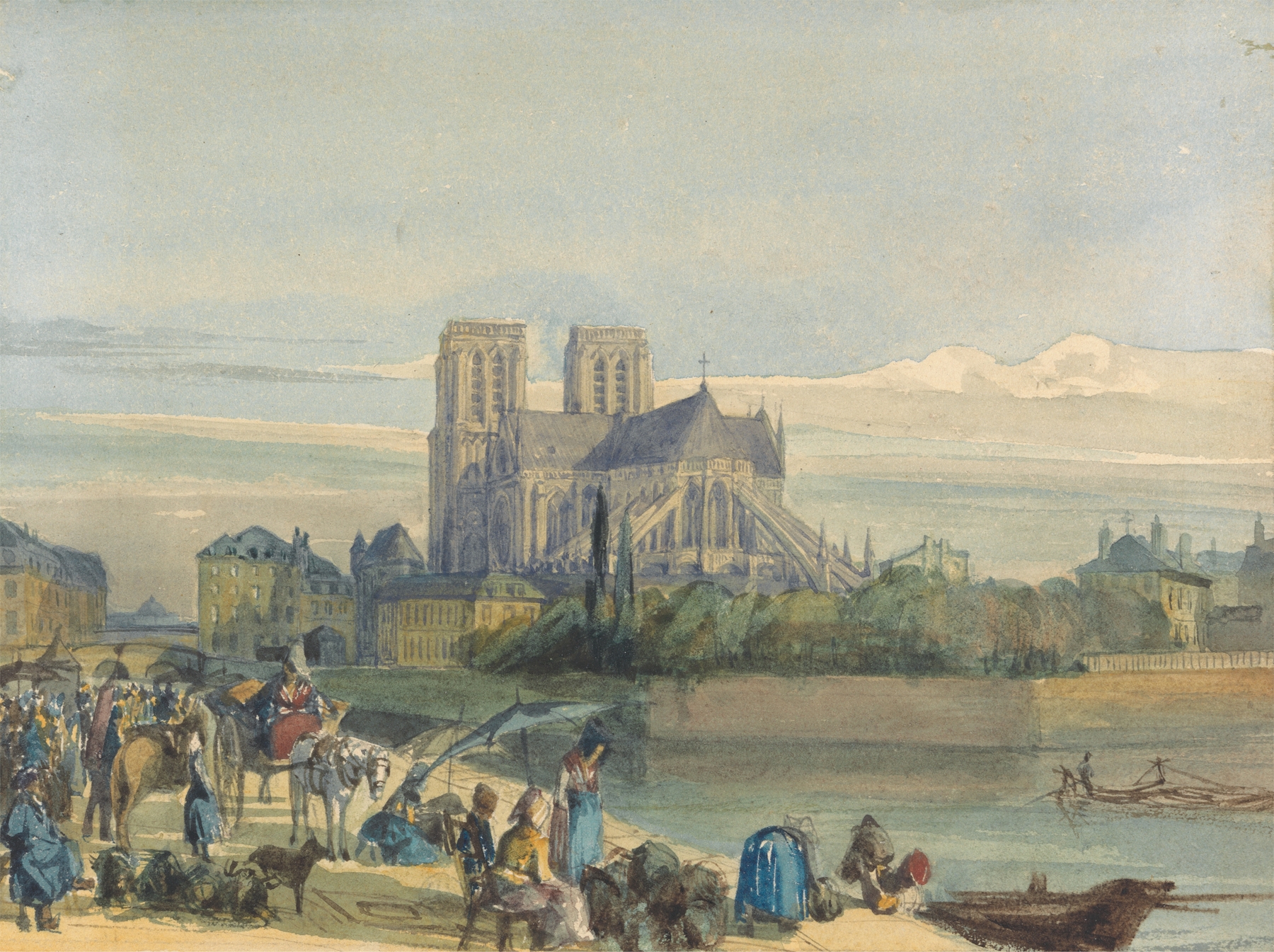
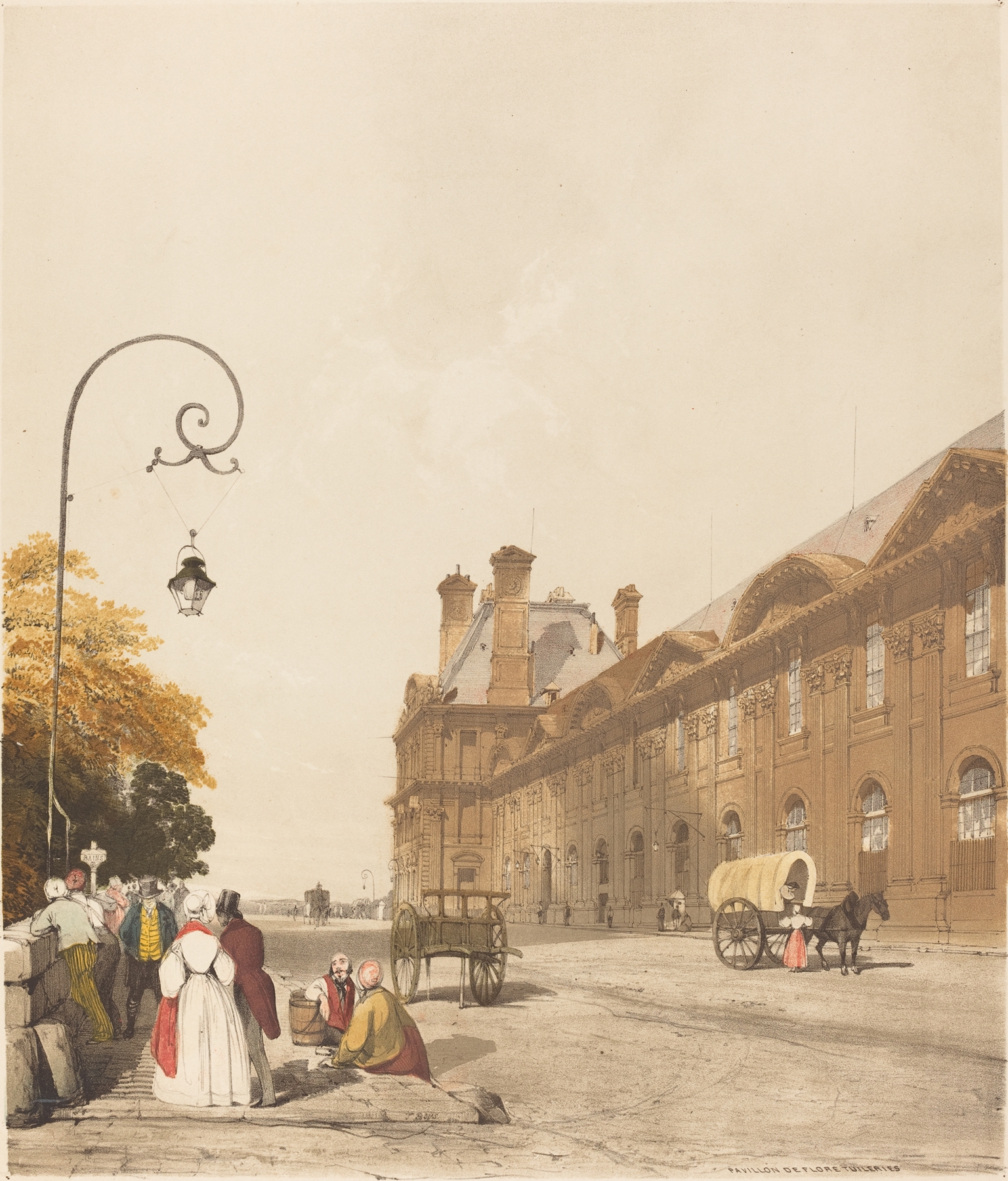
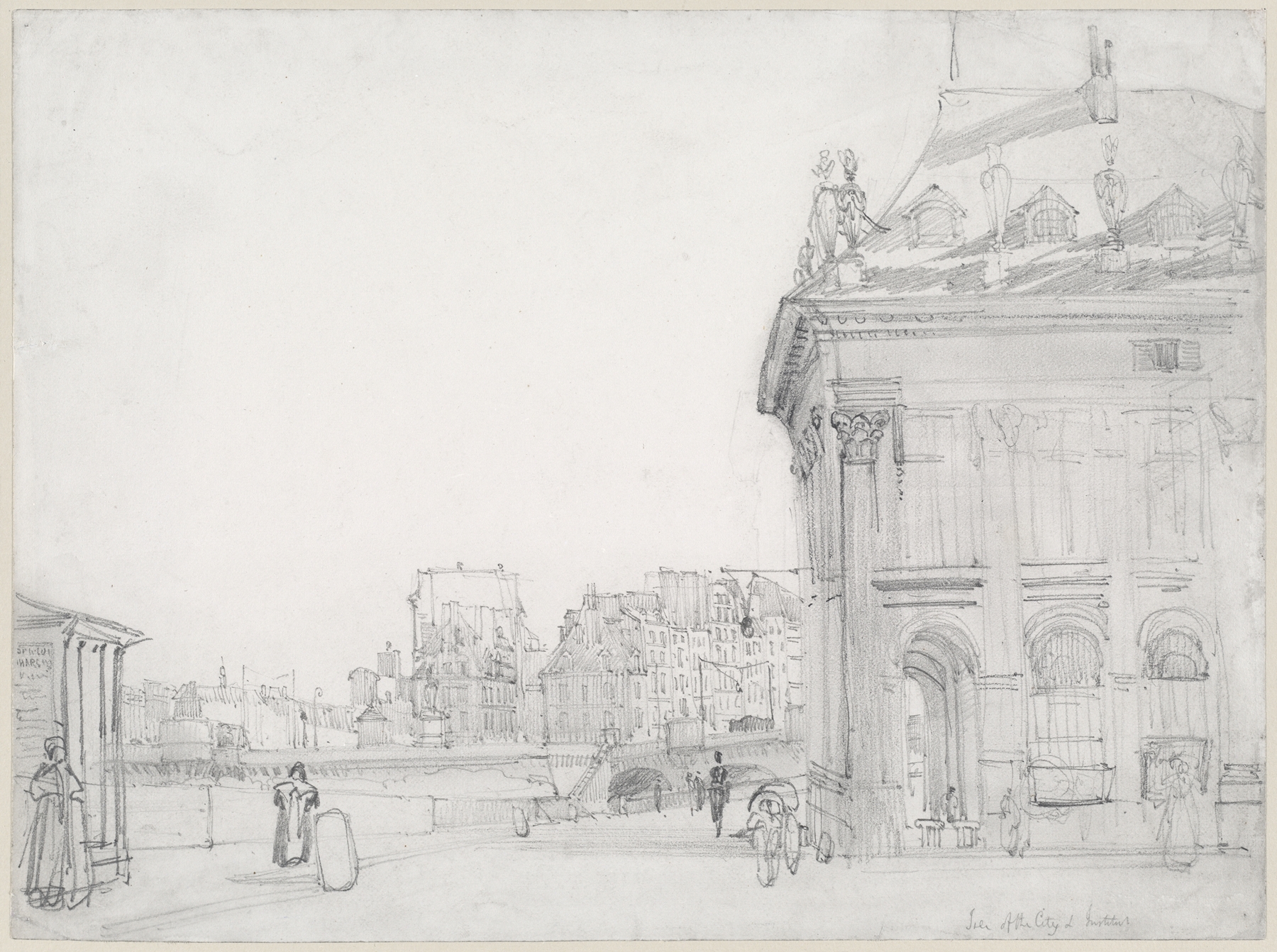
“Between color and silence, truth hides.” In a world often defined by the loudness of existence, the subtle presence of loneliness emerges as a powerful force in art, beckoning us to explore the depths of solitude. Look to the left at the delicate spire of St. Magnus the Martyr, piercing through a muted London sky, demanding attention yet evoking a sense of isolation. Notice how the soft brushstrokes of gray and blue seamlessly blend, creating an atmosphere that feels both melancholic and contemplative. The towering Monument stands sentinel in the background, a silent witness to the passage of time, rendered in a gentle palette that contrasts with the sharpness of its form. The composition draws the eye upward, but the muted tones draw us inward, inviting reflection. Delve deeper into the scene, and you’ll find a juxtaposition between the architectural grandeur and the pervasive emptiness around it. The delicate play of light upon the church’s façade reveals intricate details that hint at forgotten stories, while the absence of bustling figures enhances the feeling of desolation. Each brushstroke seems to echo the weight of history and the solitude of a space that, though grand, remains achingly quiet, suggesting a longing for connection amidst the solitude. In 1832, the artist captured this moment while immersed in the changing art landscape of Victorian England, a period marked by industrial growth and urban expansion. Shotter Boys, known for his detailed architectural renderings, sought to document the essence of place, often reflecting the cultural shifts around him. This particular work emerges from a time when the conversation around urban loneliness began to take hold, highlighting the duality of beauty and isolation that defines much of the human experience.