The Connecticut Valley — History & Analysis
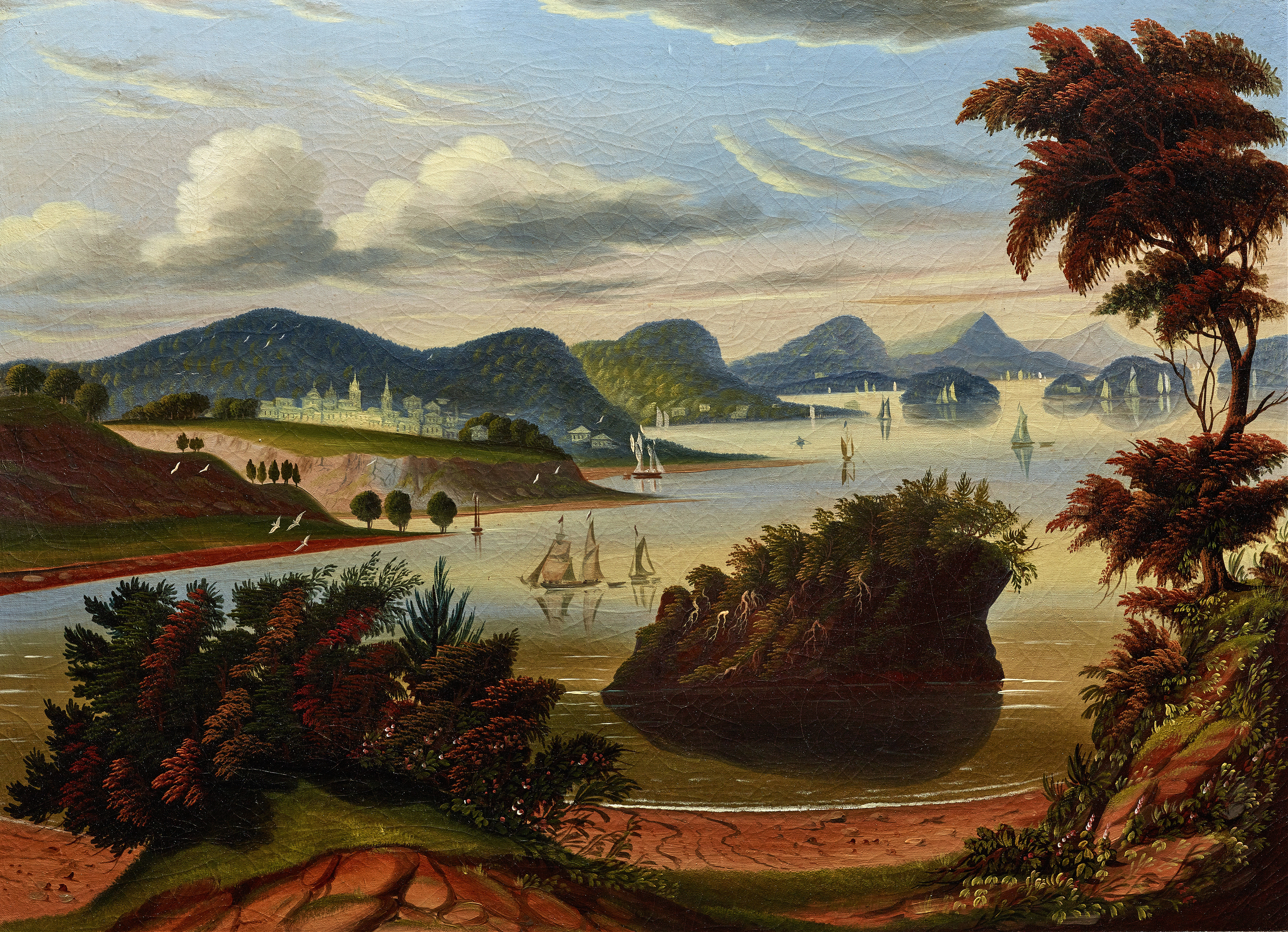
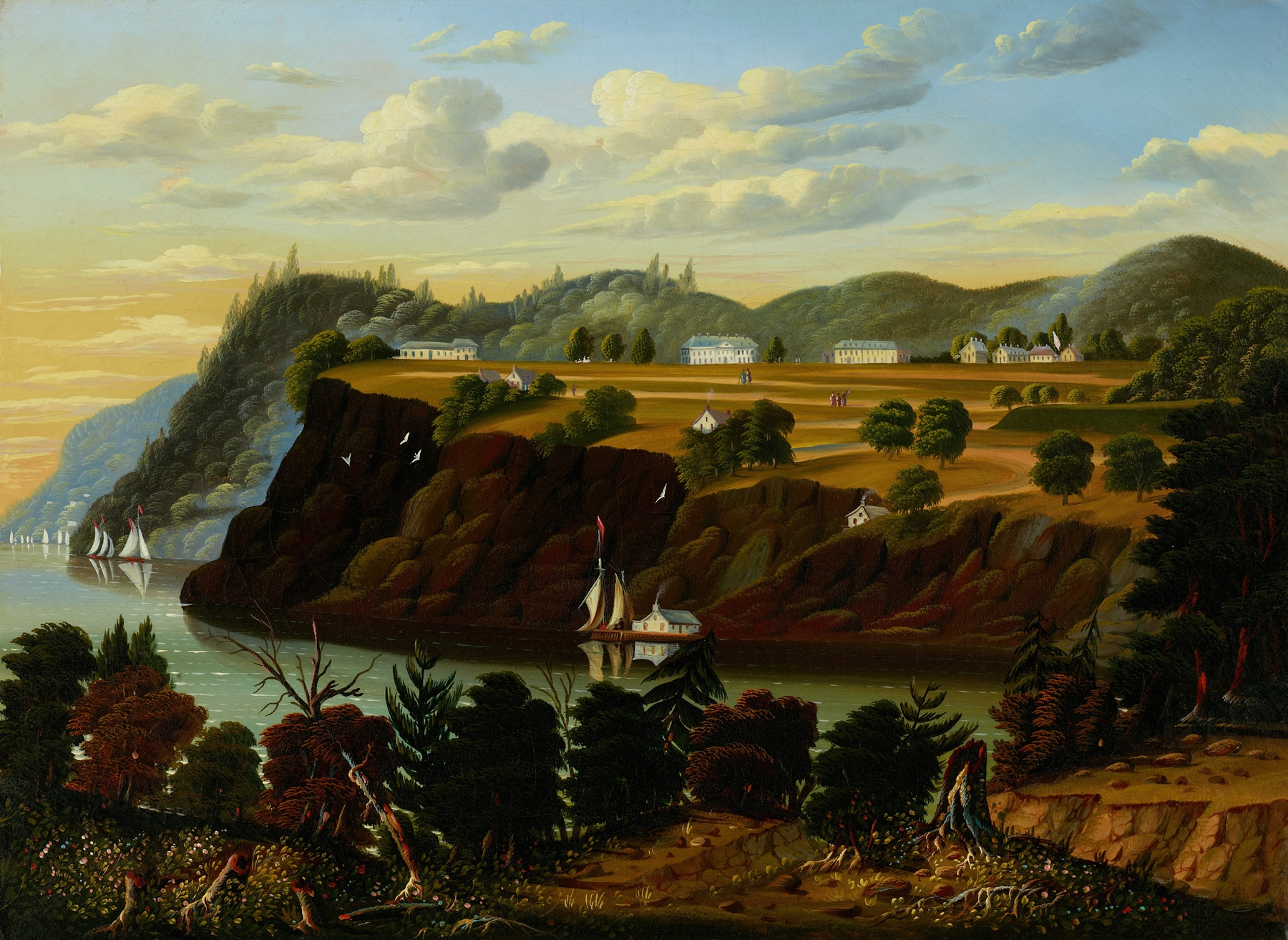
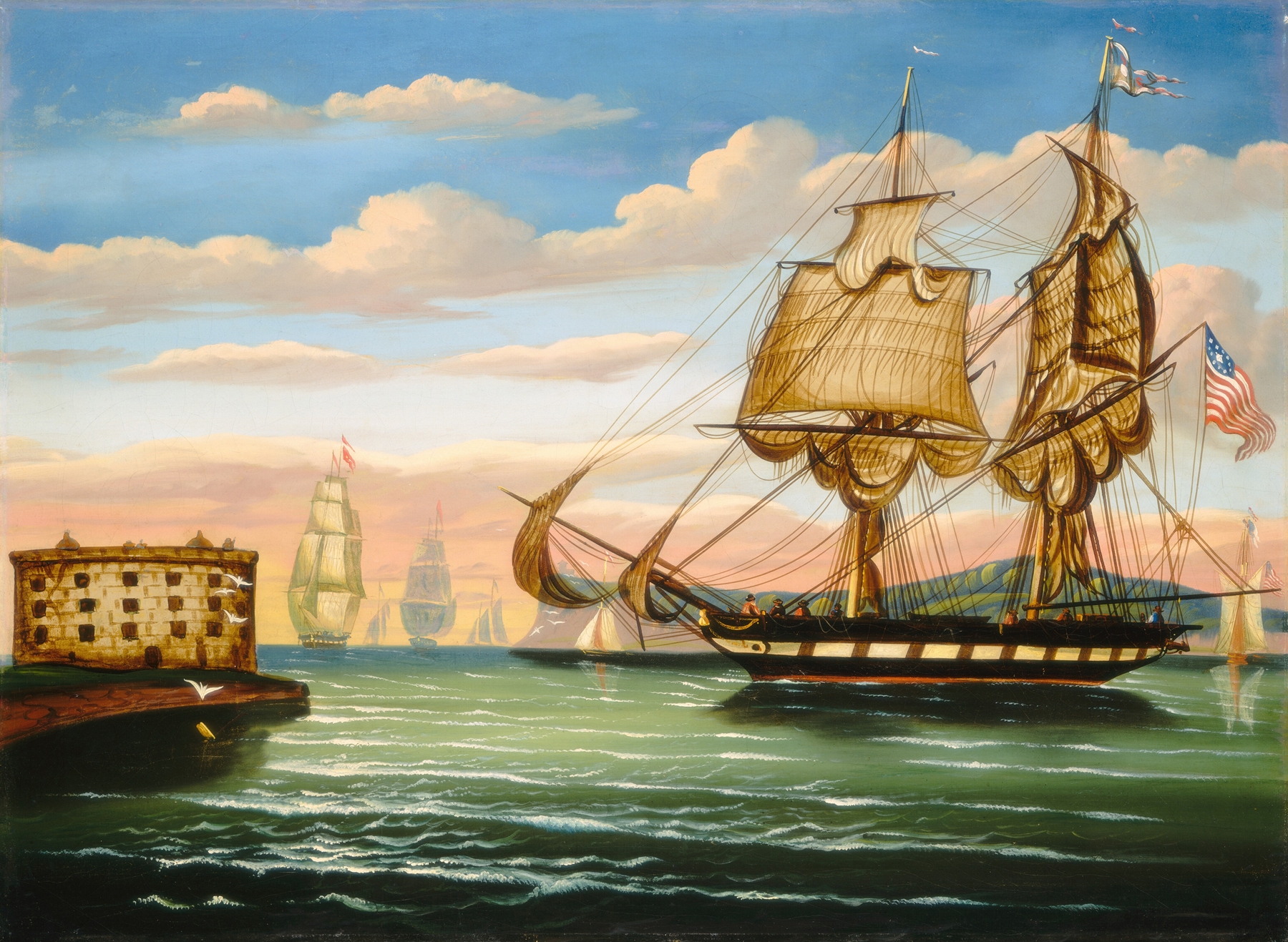
What if silence could speak through light? In The Connecticut Valley, a profound emptiness emerges, echoing the quietude of a landscape untouched by noise or haste. Look to the center of the canvas, where a serene river snakes through the valley, its reflective surface shimmering under a soft, diffused glow. Notice how the artist employs muted greens and blues, evoking a tranquil palette that calms the senses.
The gentle undulation of hills on either side frames the water, guiding the viewer's gaze deeper into an inviting yet elusive distance, while the distant horizon blurs subtly, suggesting infinity. Amidst the vast expanses, one can almost feel the tension between solitude and the allure of nature. The sparse trees lining the riverbanks stand like sentinels, their stillness emphasizing the emptiness that resonates throughout the composition. Every brushstroke invites contemplation, urging one to consider the silence that comes with isolation and the beauty in what is left unsaid.
Thomas Chambers created this landscape in the mid-19th century while residing in New York. During this period, American art was evolving, moving away from European influences and embracing the natural beauty of its own wilderness. Chambers, part of the Hudson River School movement, sought to convey the sublime in nature, merging realism with romantic idealism, and The Connecticut Valley stands as a testament to his exploration of the tranquil yet profound essence of the American landscape.