The Cornfield — History & Analysis
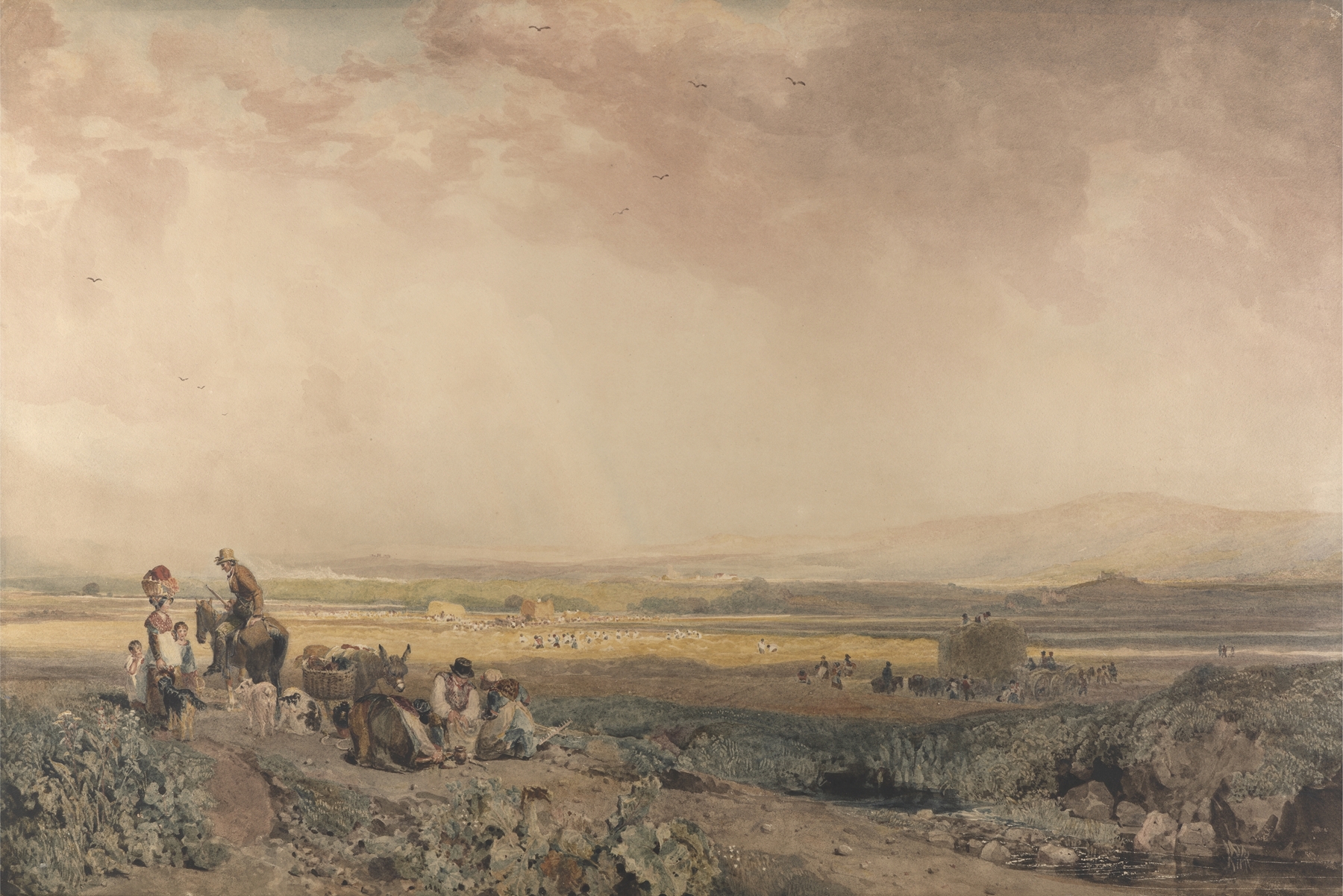
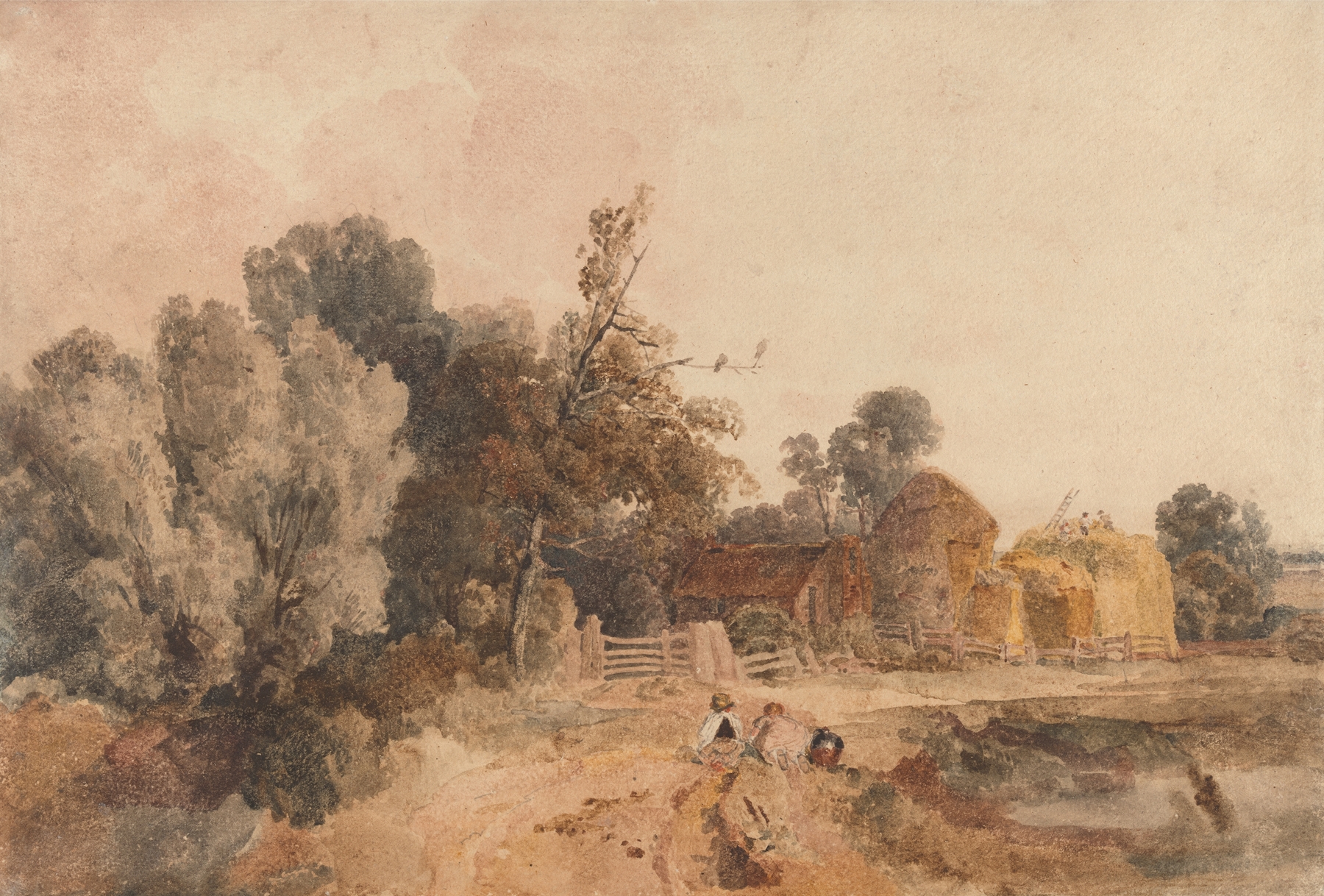
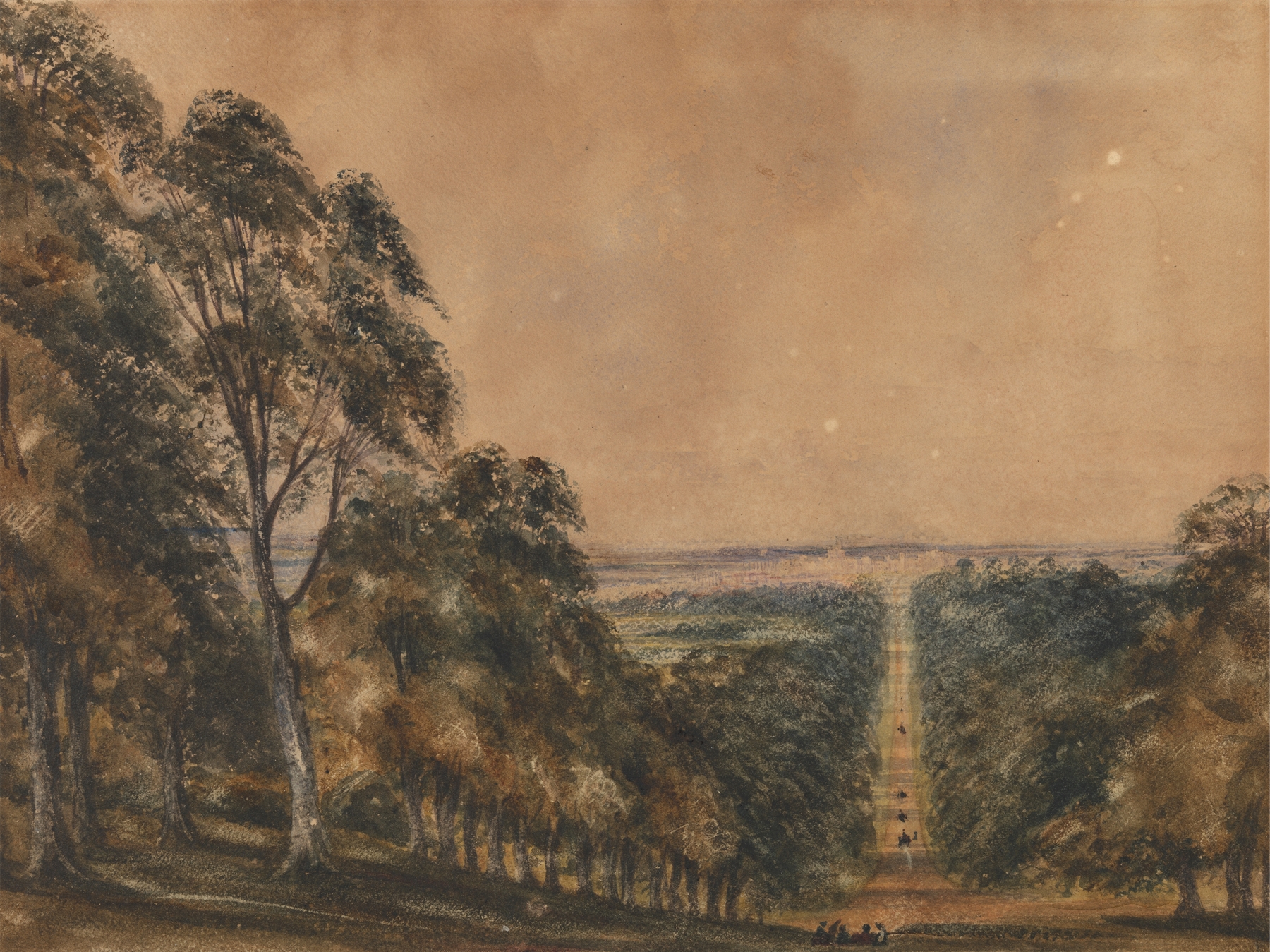
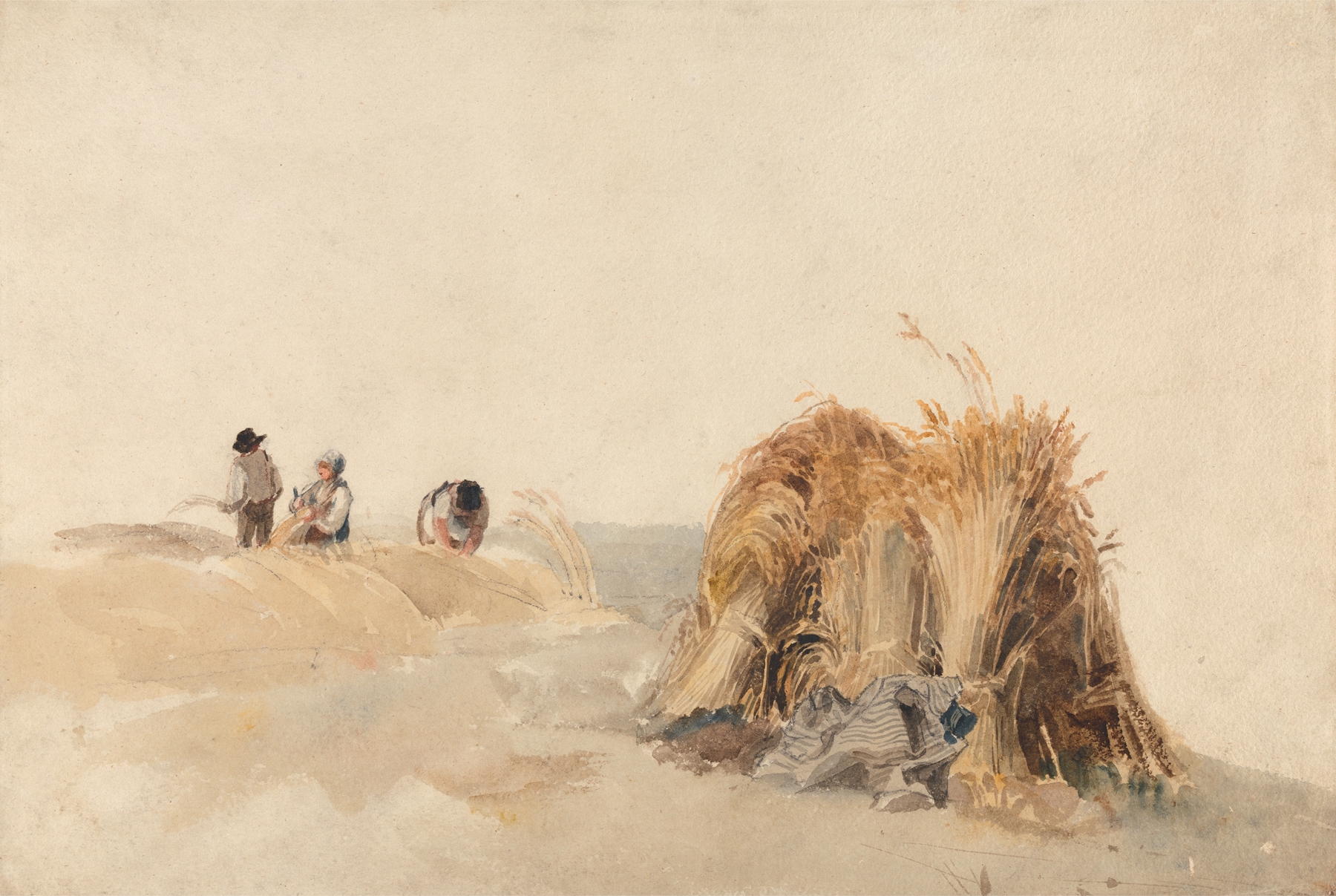
What if beauty was never meant to be finished? In the fleeting moments of existence, art captures a revelation, inviting us to explore the unfinished edges of our souls. Look closely at the textured strokes that dance across the canvas, leading your gaze to the golden expanse of a ripened cornfield. The earthiness of green and ochre envelops the scene, while soft, wispy clouds hover above, suggesting a serene day suspended between time and eternity.
Notice how the light gently bathes the field, casting shadows that ignite the vibrancy of nature, yet leaving a quiet sense of longing for something just beyond reach. In this work, each brushstroke mirrors the cycle of growth and decay, evoking a tension between abundance and transience. The horizon, while inviting, remains elusive, embodying the idea that beauty is not merely an endpoint but a journey filled with revelation. Look for subtle hints of human presence—the delicate traces of a path or the distant silhouette of trees—reminding us that our connection to nature is both profound and ephemeral.
During the time The Cornfield was painted, Peter DeWint was deeply immersed in the Romantic movement, capturing British landscapes that celebrated nature's majesty. While the exact date remains uncertain, he was active in the early 19th century, a period marked by a growing appreciation for the sublime beauty of the natural world, contrasting the industrial changes of his time. This work reflects his commitment to rendering the essence of the land, suggesting that beauty, like a cornfield at harvest, is a cycle that remains perpetually unfinished.