The Courtyard at Kongsvoll — History & Analysis
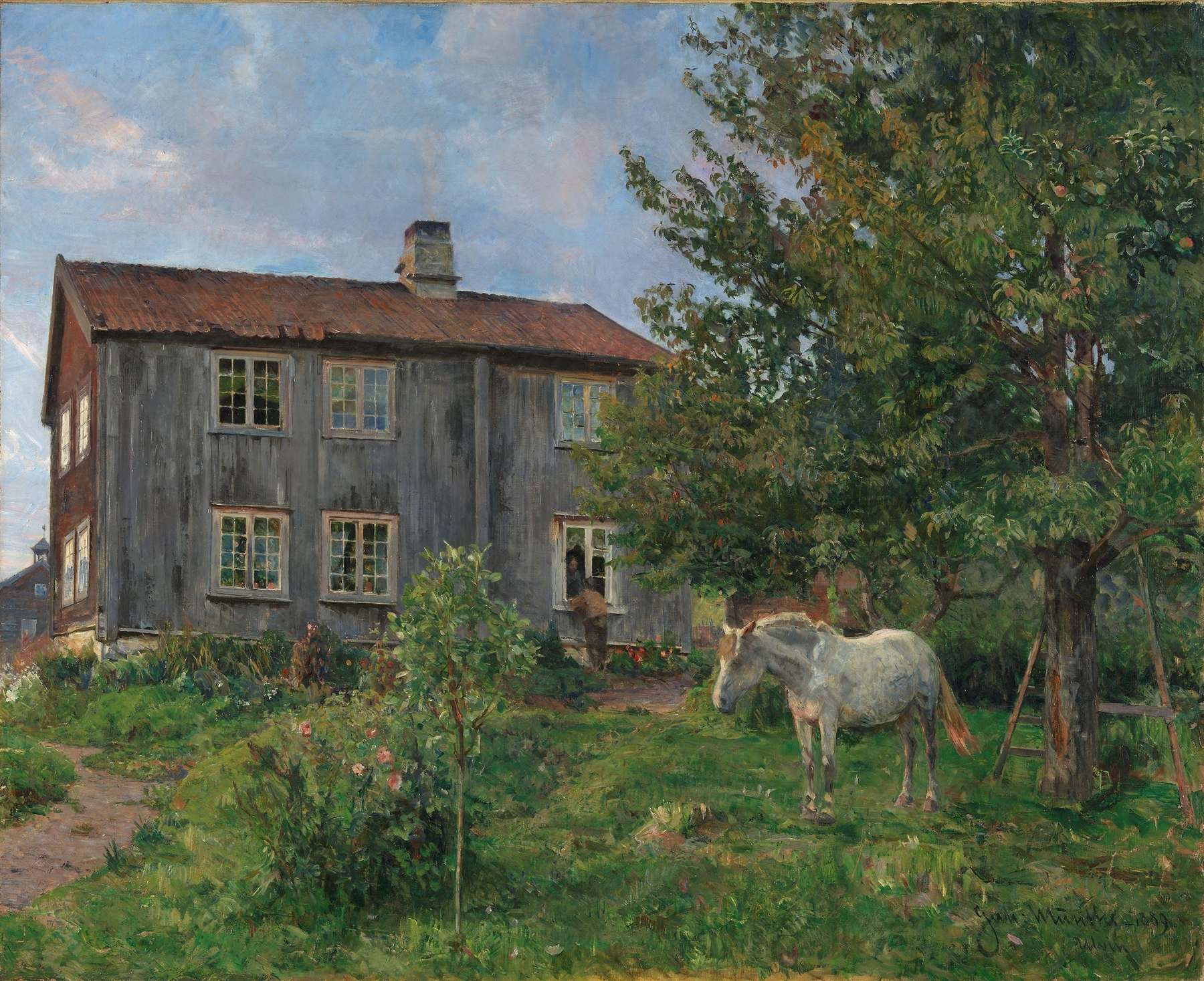
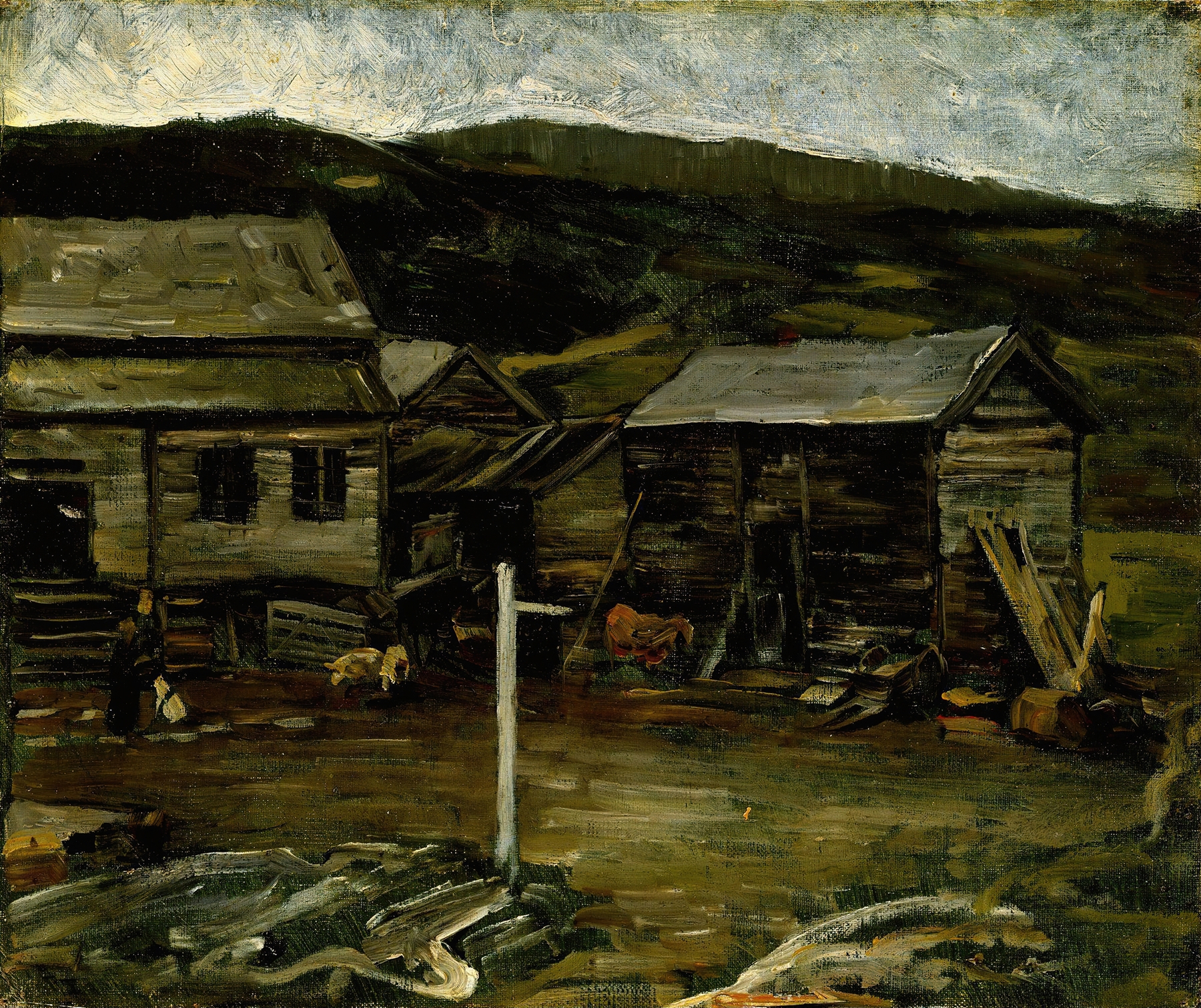
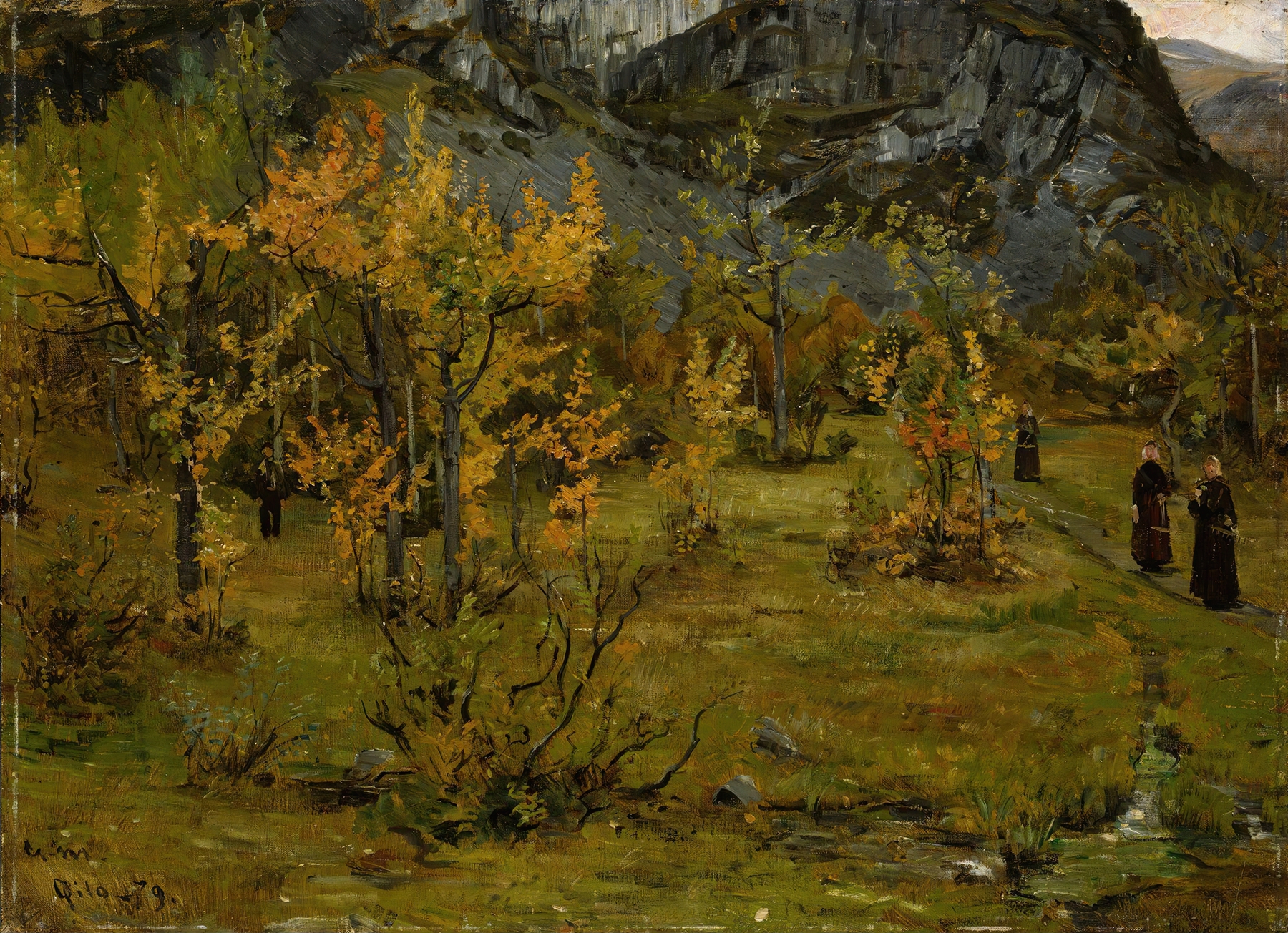
Could a single brushstroke hold eternity? In The Courtyard at Kongsvoll, the fleeting essence of longing lingers, captured within a tranquil moment that invites deeper contemplation. Look to the left at the intricate architecture of the surrounding structures, where soft pastels mingle with the fading light of dusk. Notice how the delicate brushwork creates a sense of warmth that envelops the viewer, while the shadows loom gently, hinting at stories untold.
The composition is anchored by a path that leads toward the courtyard’s heart, drawing the eye inward with a promise of exploration, like an invitation to step into another realm. Within this serene courtyard lies a tension between the vibrant life of nature and the stillness of human absence. The flowers, blooming with exuberance, contrast sharply with the empty spaces, evoking a sense of yearning for companionship or connection. Each stroke conveys not just the beauty of the scene, but the melancholy that accompanies solitude, allowing the viewer to feel a bittersweet resonance that transcends time.
Gerhard Munthe created this captivating work in 1895, during a period marked by a burgeoning interest in national identity within Norwegian art. Residing in Norway, he sought to blend folk motifs with modern expressionism, reflecting both a personal and collective longing for cultural roots. This painting emerges from that context, encapsulating a moment where art becomes a bridge between the past and the present, inviting us to linger in the emotional landscapes of our own lives.