The Crescent — History & Analysis
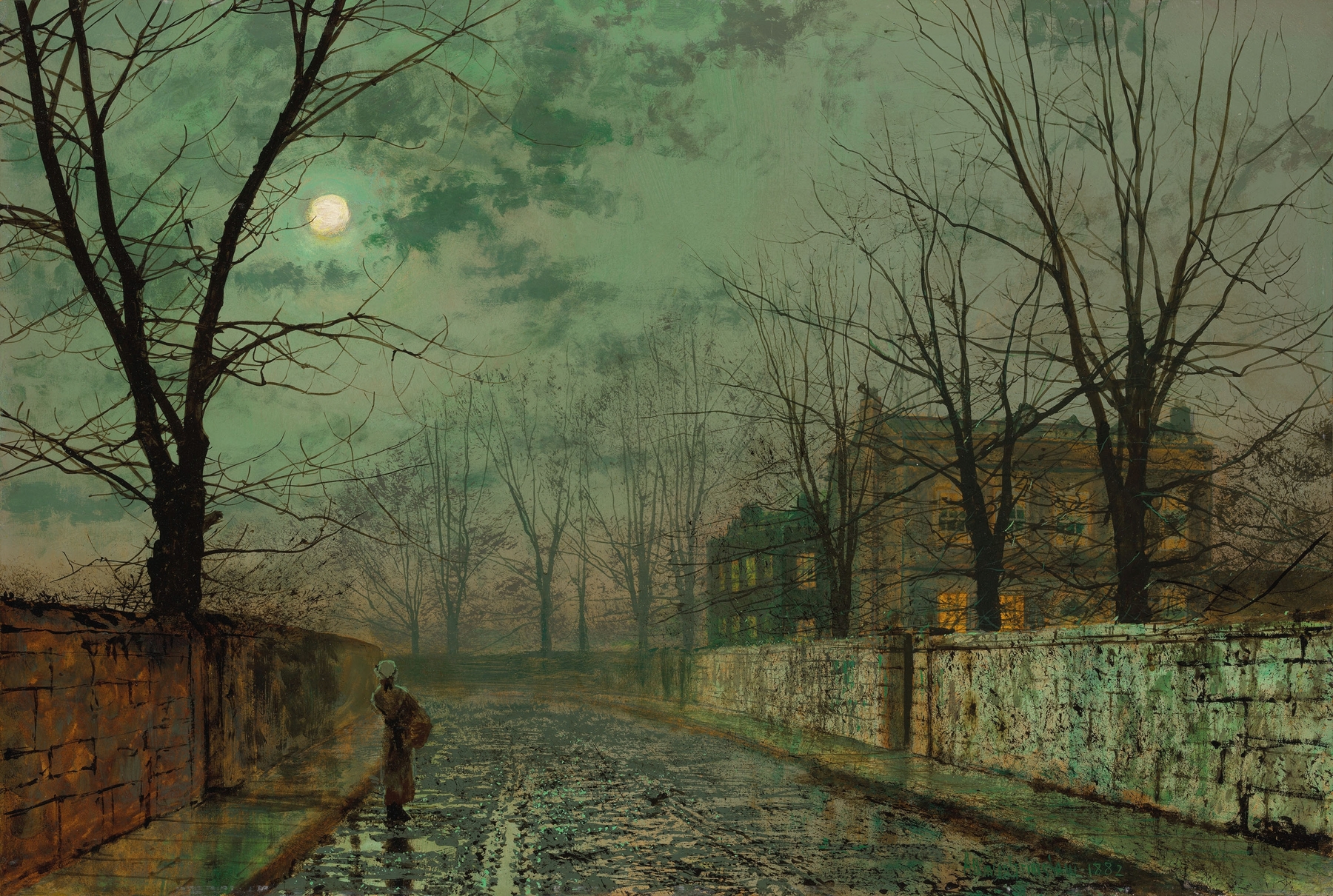
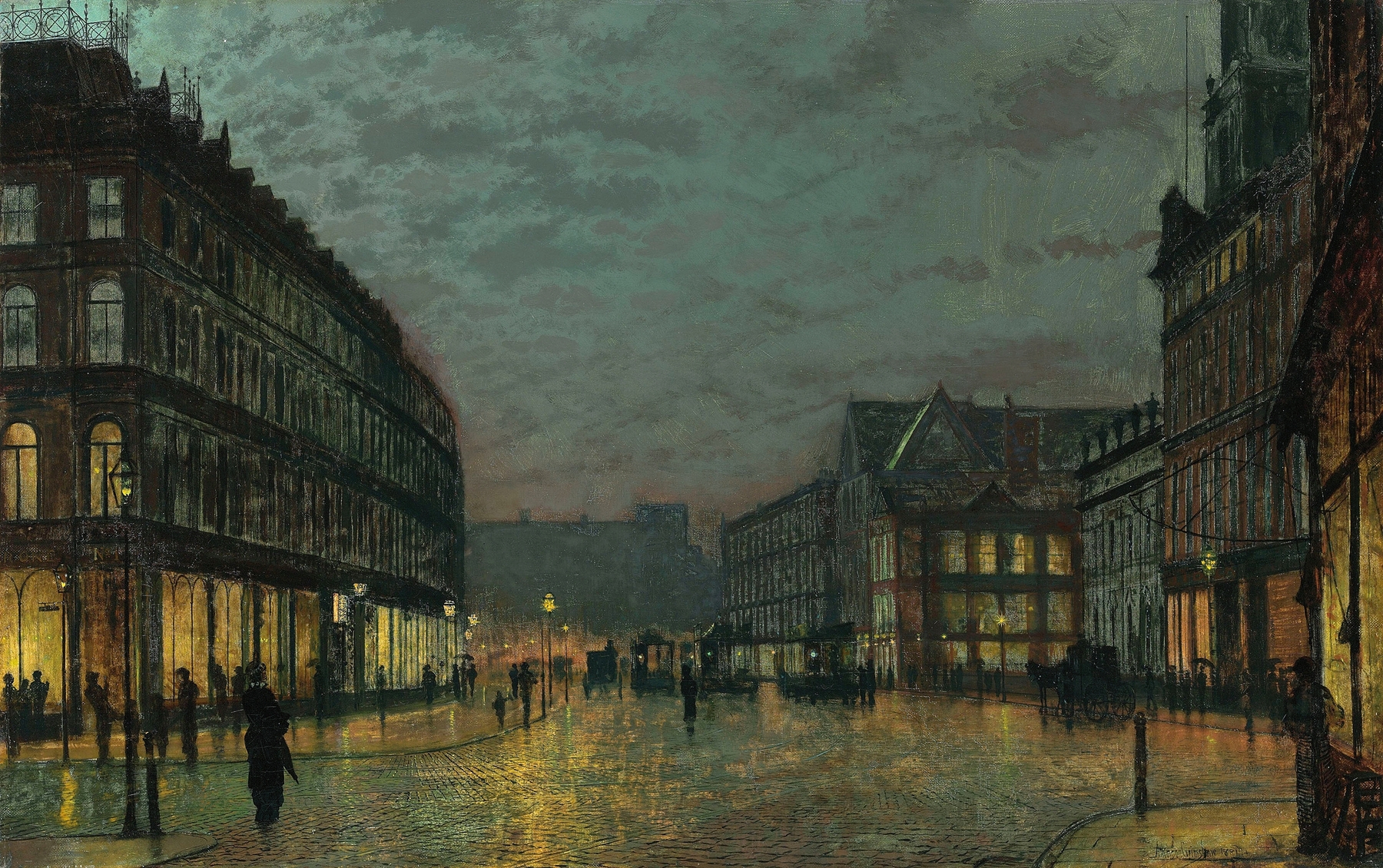
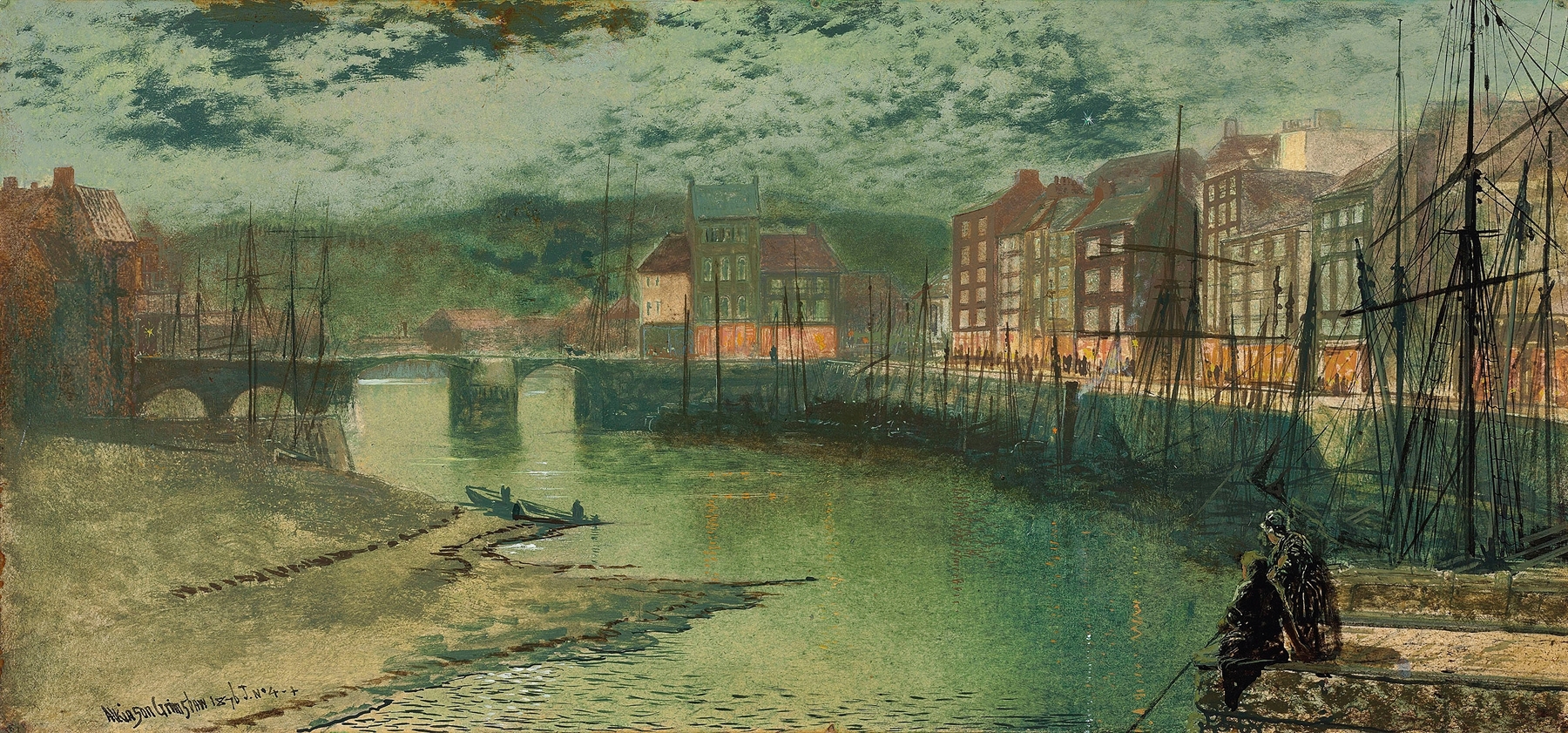
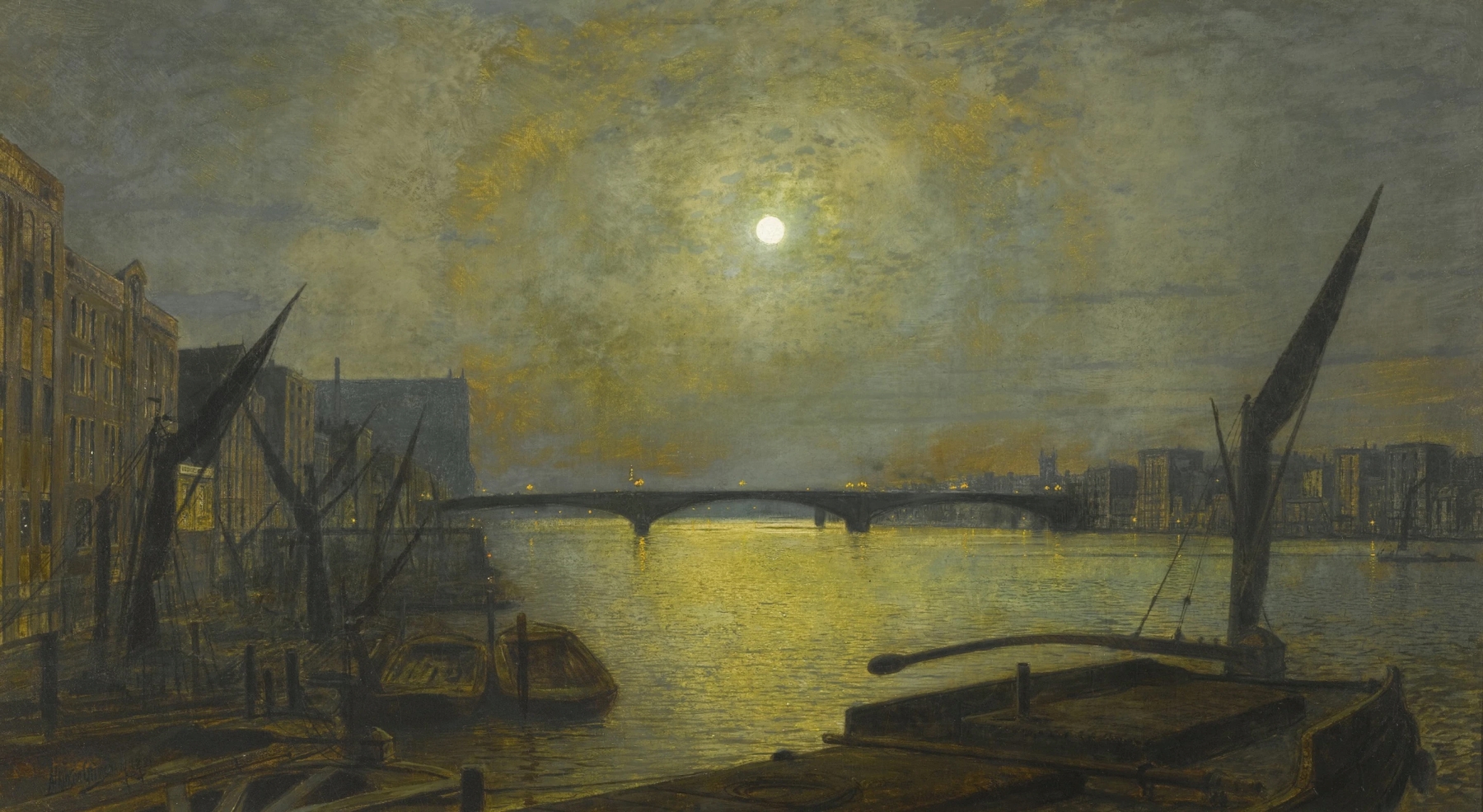
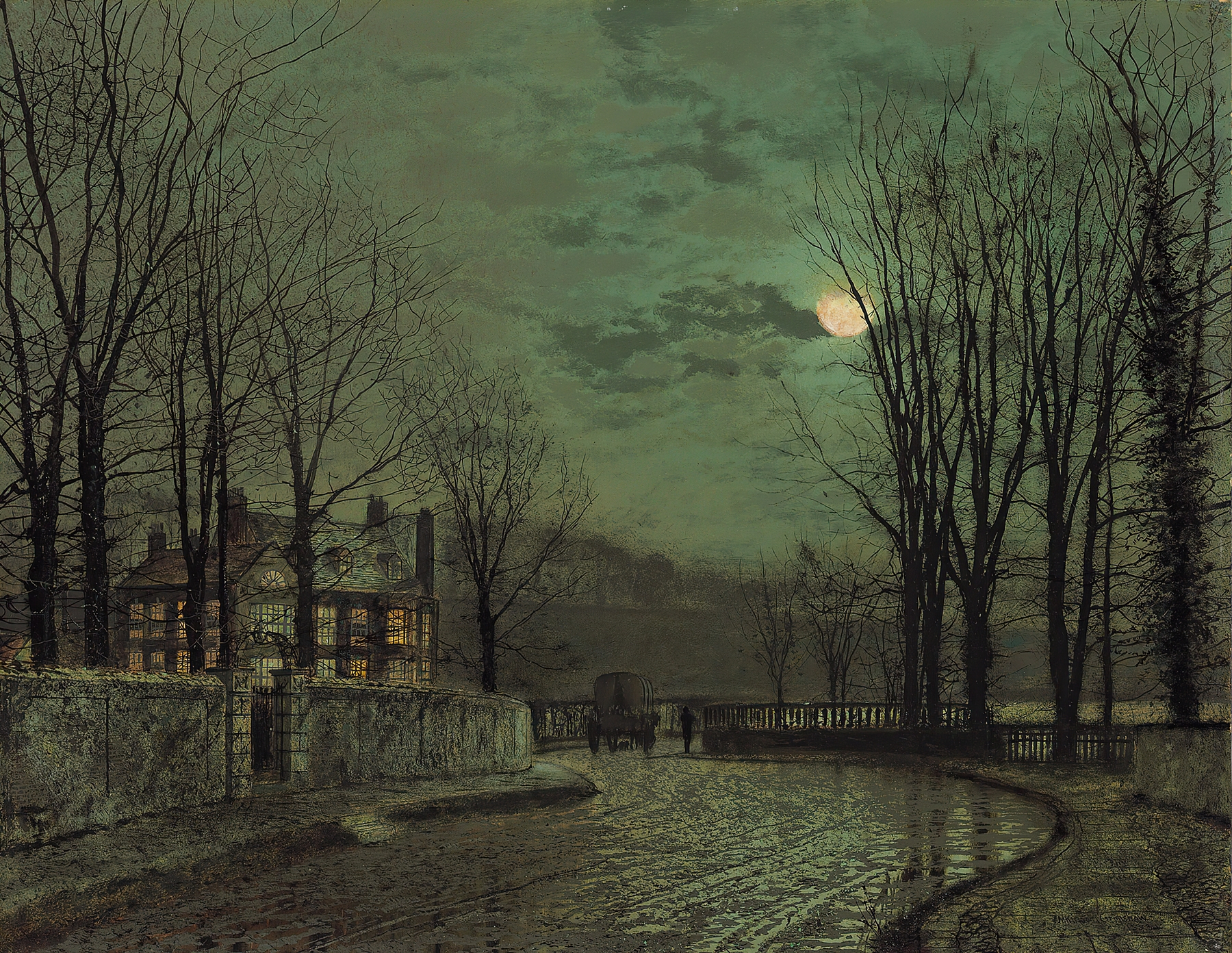
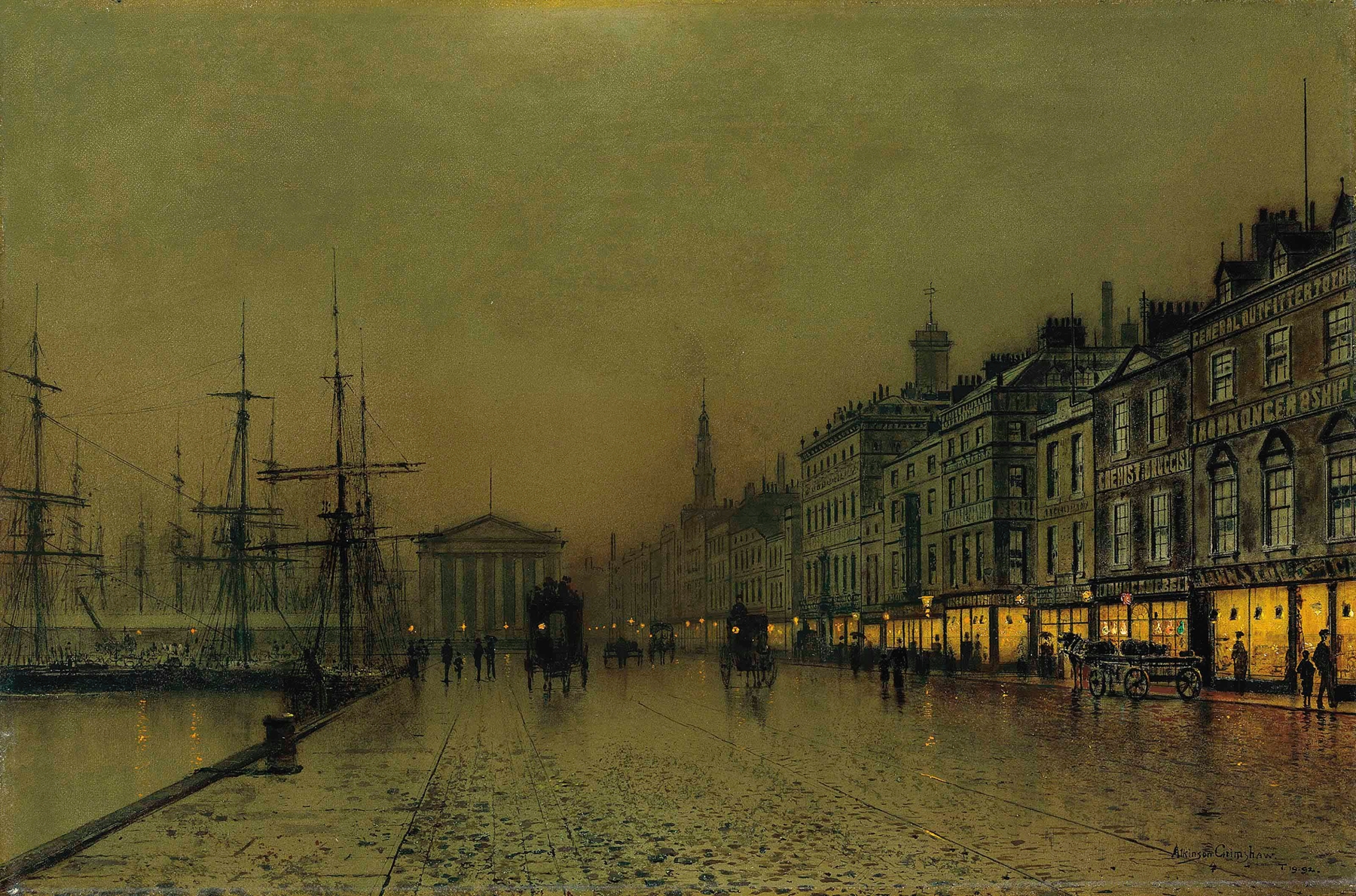
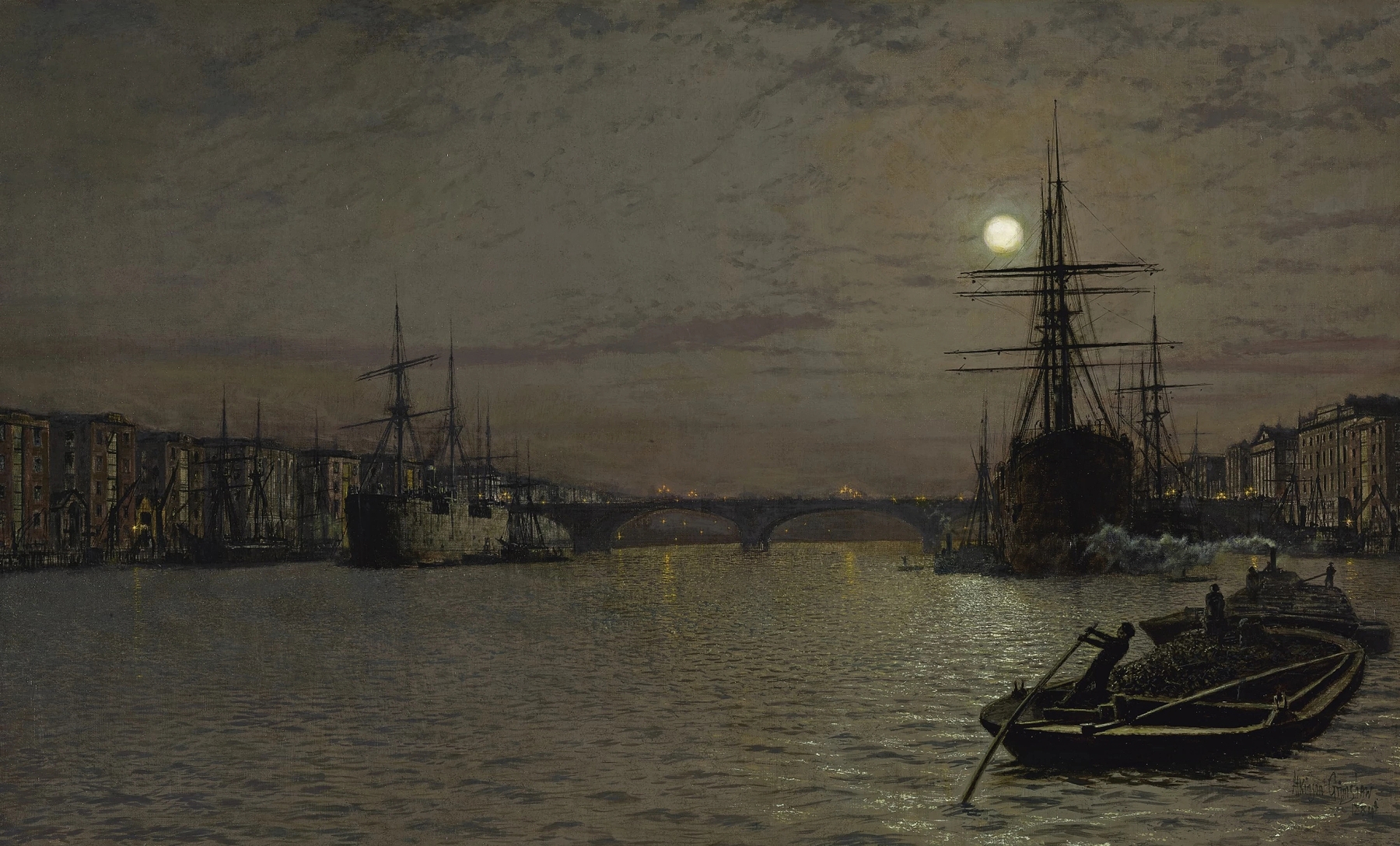
“To paint is to remember what time wants us to forget.” Shadows dance as twilight descends, enveloping the familiar yet elusive landscape, murmuring stories of what once was. In this moment, the world balances delicately on the cusp of night, where the ethereal blend of light and dark hints at the transient nature of existence. Look to the left at the crescent moon, its silver glow casting a delicate luminance across the serene water. The blend of deep blues and inky blacks creates a haunting atmosphere, while the silhouettes of trees stretch like whispered secrets against the soft, fading light.
Subtle brushstrokes evoke shimmering reflections on the surface, inviting your gaze to linger as the shadows deepen, revealing the interplay between illumination and obscurity. In this work, the tension between light and shadow stands as a metaphor for memory and the passage of time. The moonlight, calming yet eerie, illuminates the tranquil scene while simultaneously hinting at what lies in the darkness beyond. This duality reflects the artist's exploration of human experience, gently reminding viewers of the beauty found in both clarity and obscurity.
The silhouettes of the trees stand as sentinels, their dark forms echoing the quiet of solitude and introspection. John Atkinson Grimshaw created The Crescent in 1871, a period marked by a fascination with nocturnal landscapes and natural beauty. Living in Leeds, he was a prominent figure in the Aesthetic Movement, blending realism with romanticism. His work during this time often focused on capturing atmospheric effects and the mysterious allure of twilight, a reflection of both his personal contemplations and the artistic currents of his era.