The Drawbridge — History & Analysis
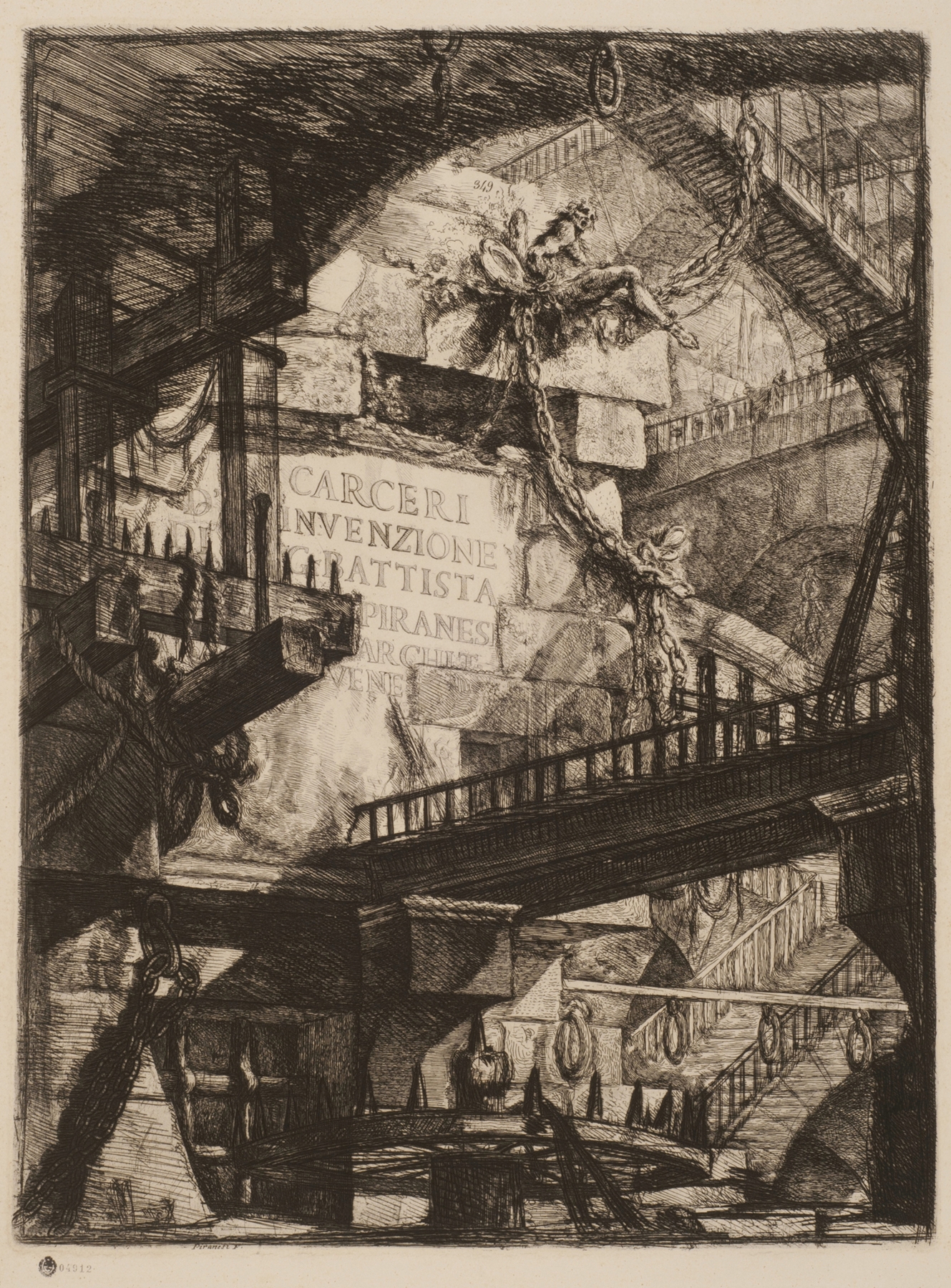
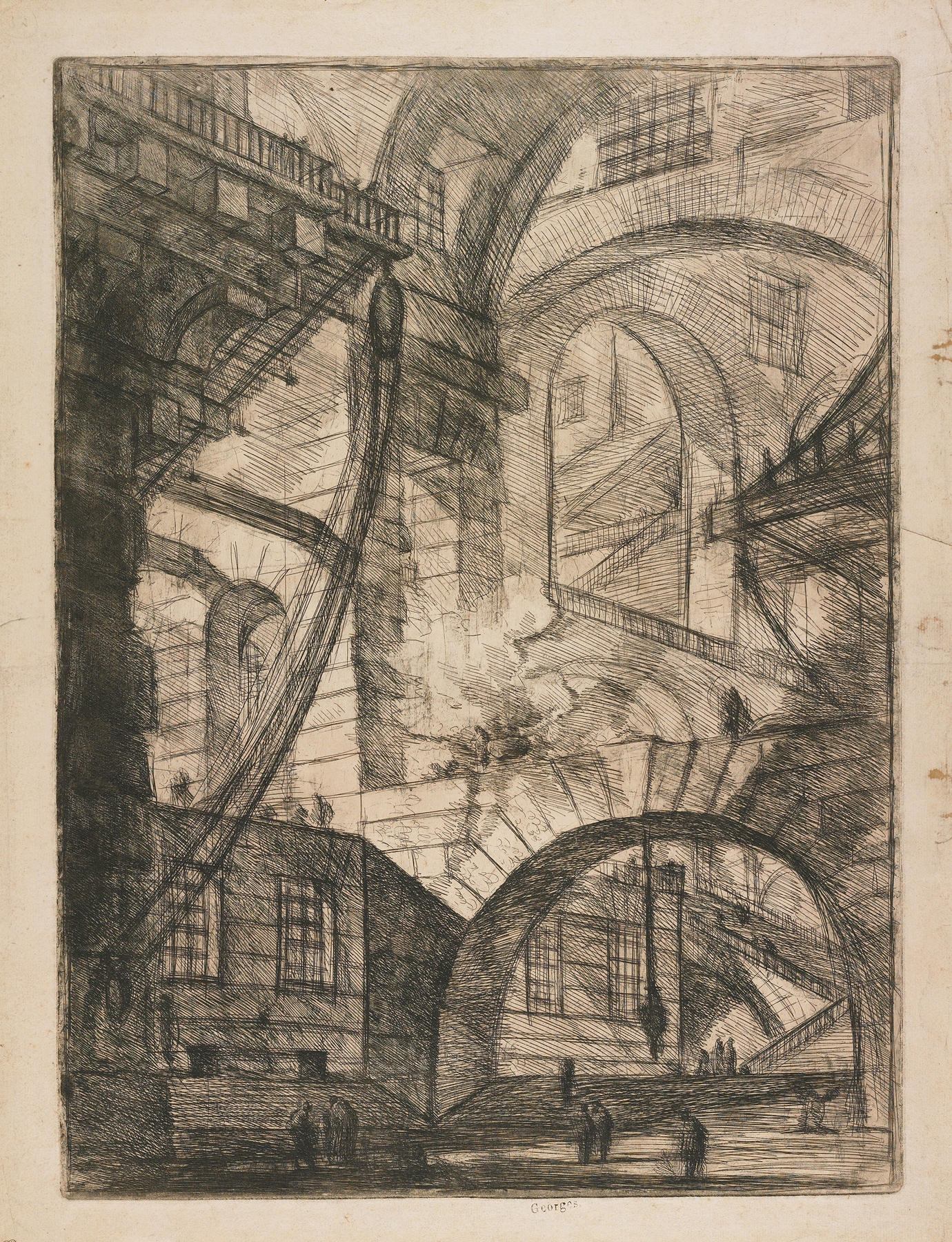
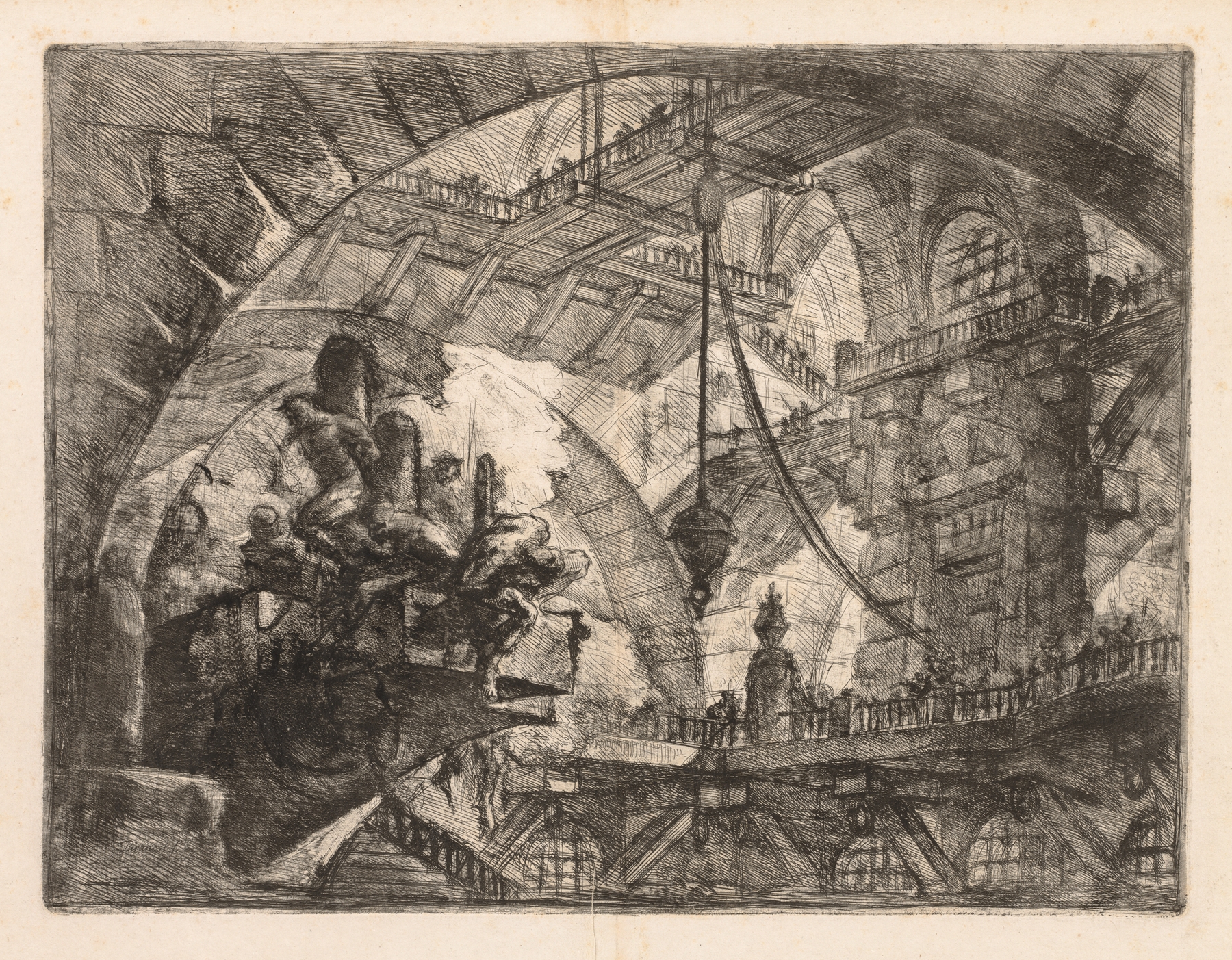
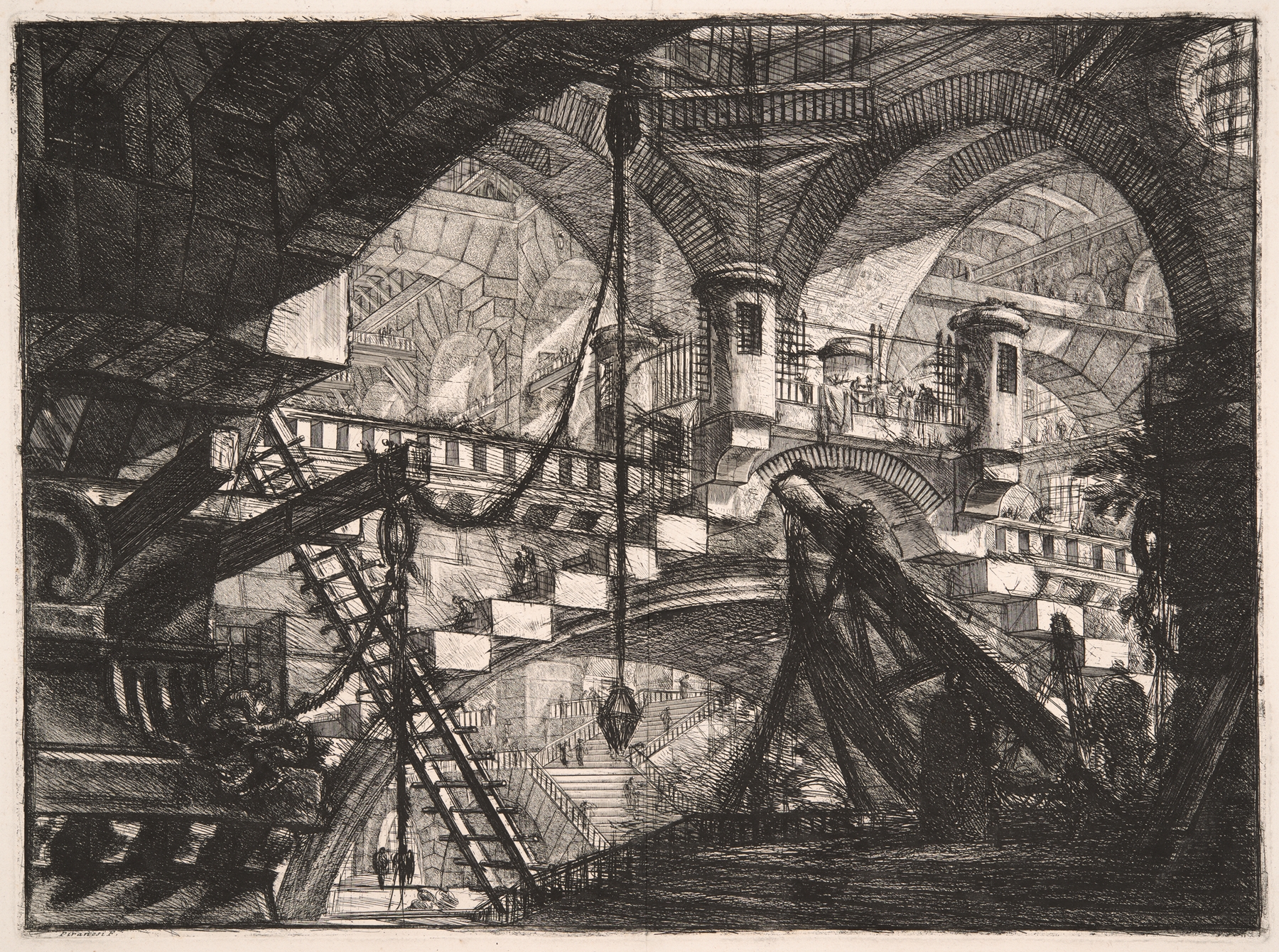
Can beauty exist without sorrow? In The Drawbridge, Giovanni Battista Piranesi invites us to explore the edges of obsession, where grandeur and despair coexist in an intricate dance. Look to the center of the composition, where the drawbridge stretches across a deep chasm. The architectural details demand attention – notice the delicate arches and the crumbling stone that speak of both human ambition and decay.
Shadows cast by an unseen sun play across the surfaces, enhancing the sense of depth and inviting you to ponder the weight of history. The meticulous etching technique draws you into this enigmatic world, where every line carries the weight of time. Intricately woven into this landscape are emotional tensions, such as the duality of progress and ruin. The drawbridge itself symbolizes a passage: a connection between two worlds, yet also a reminder of fragility, hinting at how dreams of grandeur may ultimately lead to collapse.
The silence of the scene evokes a sense of nostalgia, perhaps even fear, as one contemplates what lies beyond the bridge. The contrast between light and dark not only highlights the physical structure but also underscores the emotional landscape of longing and dread. Piranesi created this masterwork between 1749 and 1750 in Rome, during a period when he was deeply engaged with the exploration of classical ruins and the interplay of architecture and emotion in his art. This was a time of artistic fervor as Neoclassicism began to take shape, with Piranesi at the forefront, capturing the spirit of a city steeped in history while also grappling with his own obsessions in capturing its essence.