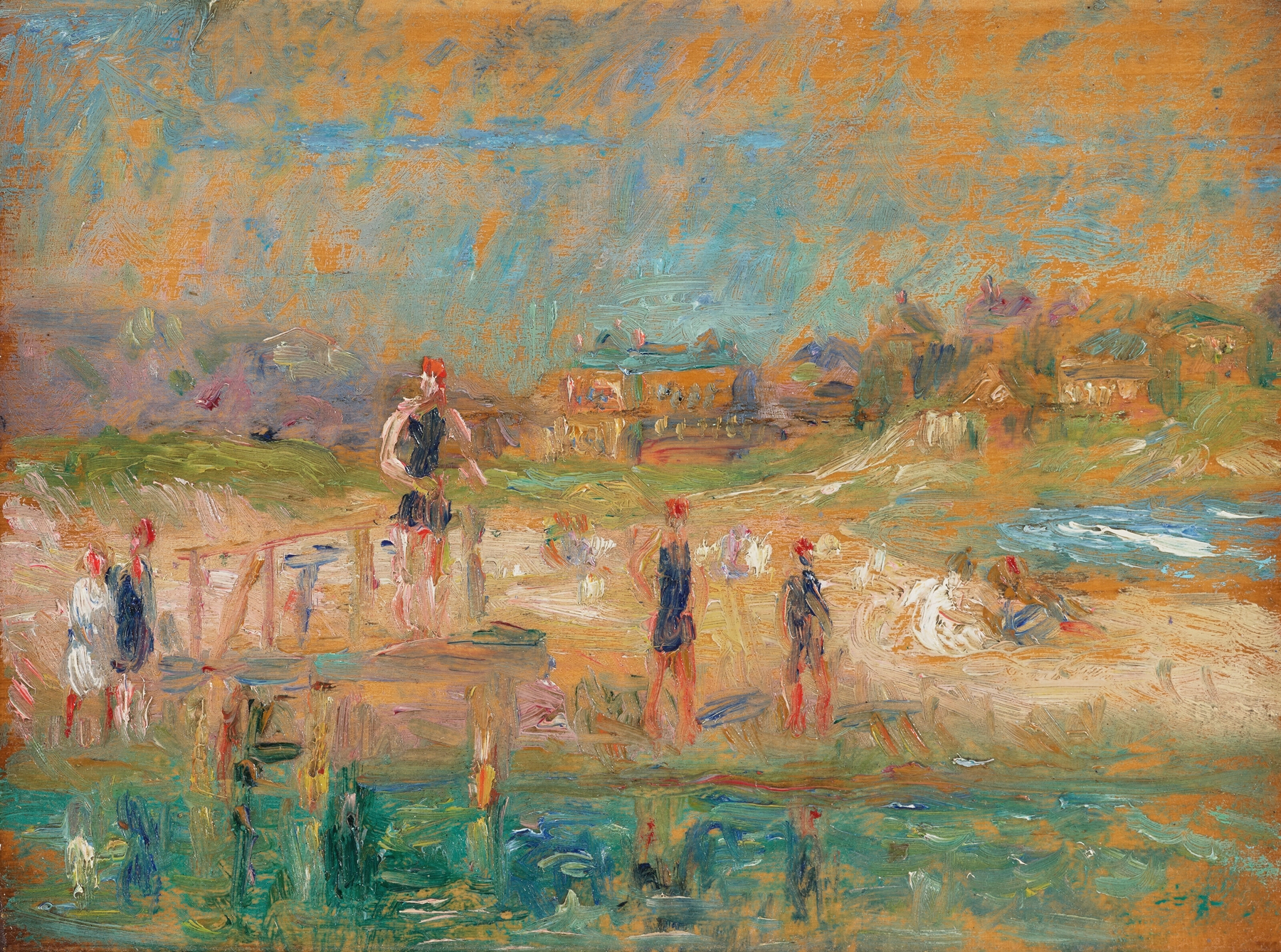
The Drive, Central Park — History & Analysis
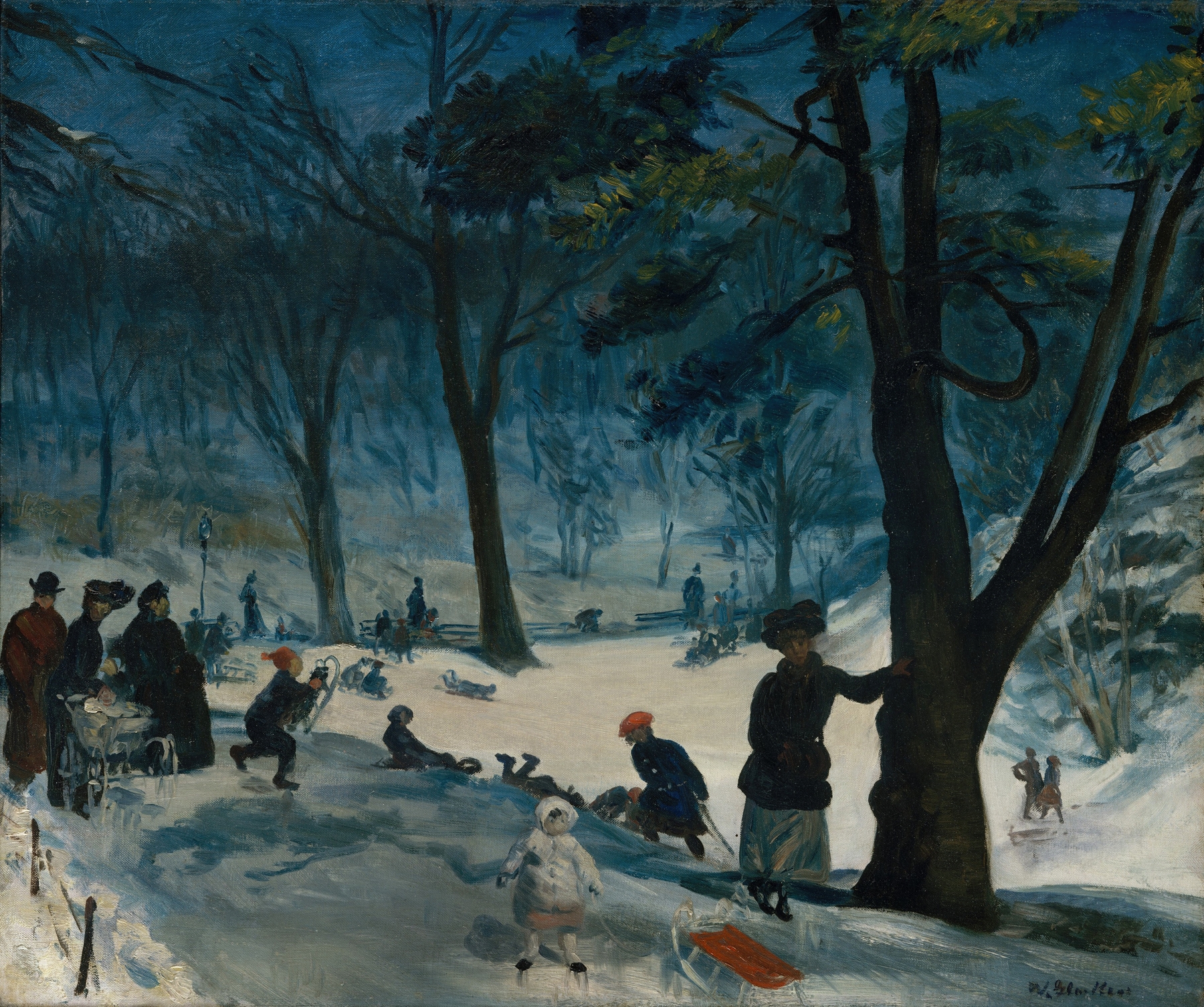
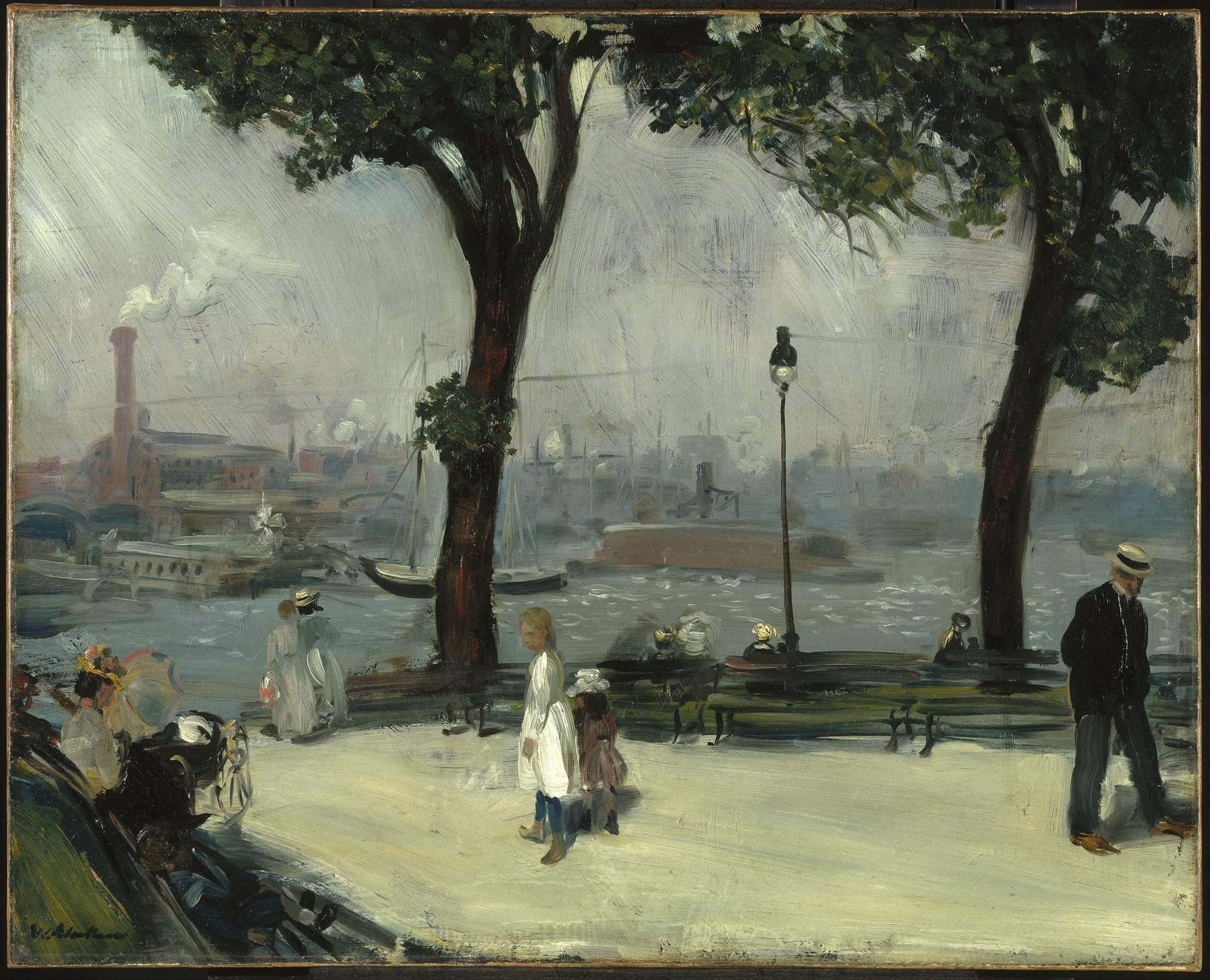
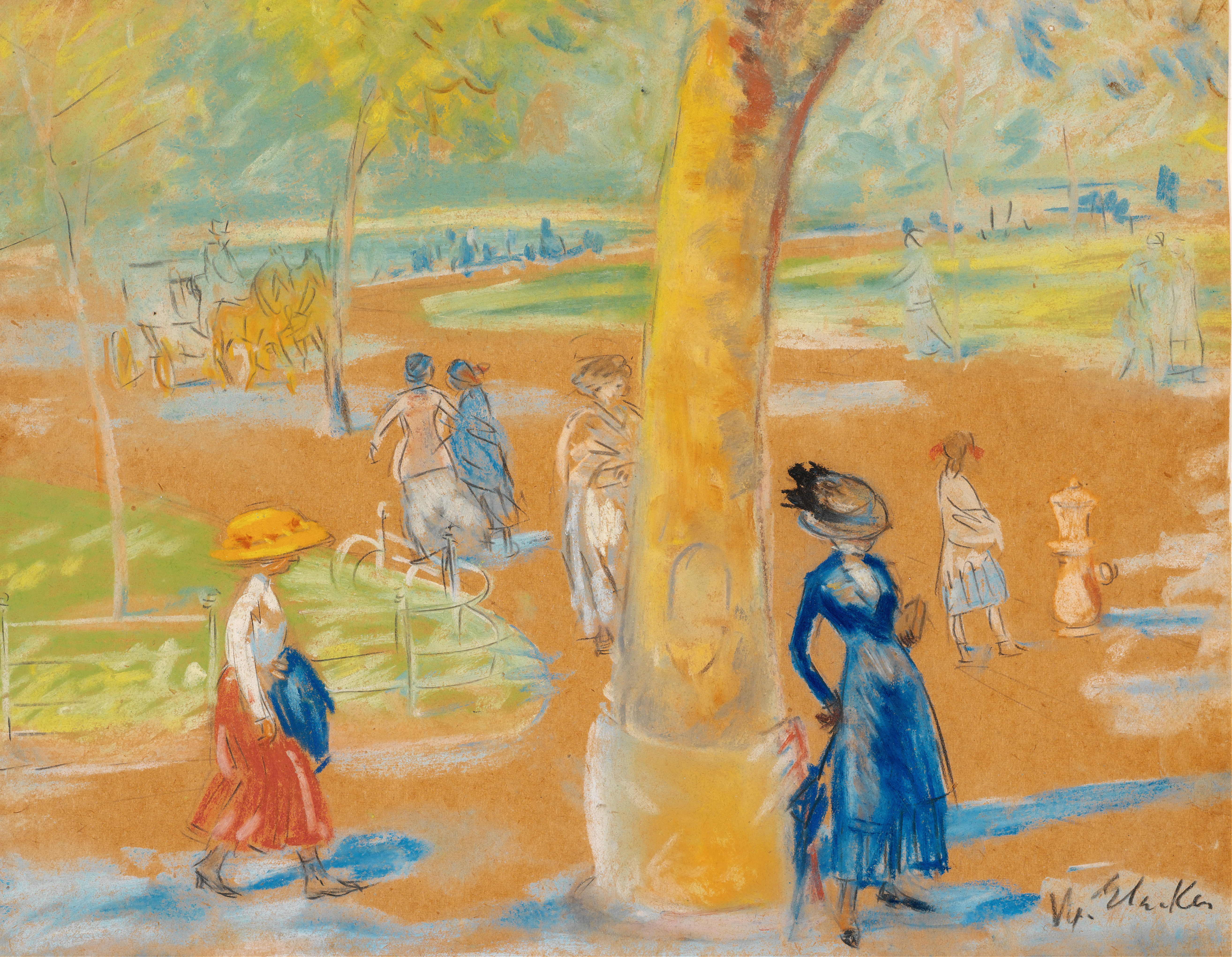
When did color learn to lie? In a world where hues can mask truths and emotions, we find ourselves drawn into a vibrant tapestry of life, where every brushstroke conveys a story of rebirth. Look to the bottom left, where figures emerge from the canvas, their lively expressions echoing the pulse of a sunlit afternoon in Central Park. The composition invites your gaze to glide through lush greens and playful splashes of blue, transforming the mundane into the extraordinary.
Notice how the artist captures the essence of movement; swirling skirts and the gleam of sunlight on the polished surfaces evoke the joy of a fleeting moment, while the carefully constructed shadows lend depth and contrast. Delve deeper and you’ll uncover the subtleties of social interaction and the vibrancy of urban life. The juxtaposition of nature and society speaks to a yearning for connection amidst the chaotic energy of modernity. Each figure, seemingly lost in their own world, carries an undertone of transitional longing, representing both the thrill of new beginnings and the shadow of isolation often felt in a crowd.
Created around 1905 in New York City, this piece reflects William James Glackens’s immersion in the Ashcan School, where he championed scenes of everyday life with a refreshing and dynamic flair. At this time, America was experiencing a cultural shift, embracing modernism while grappling with the complexities of urban existence. Glackens’ work captured this transformative era, showcasing a vibrant interplay between life and art that continues to resonate today.