East River Park — History & Analysis
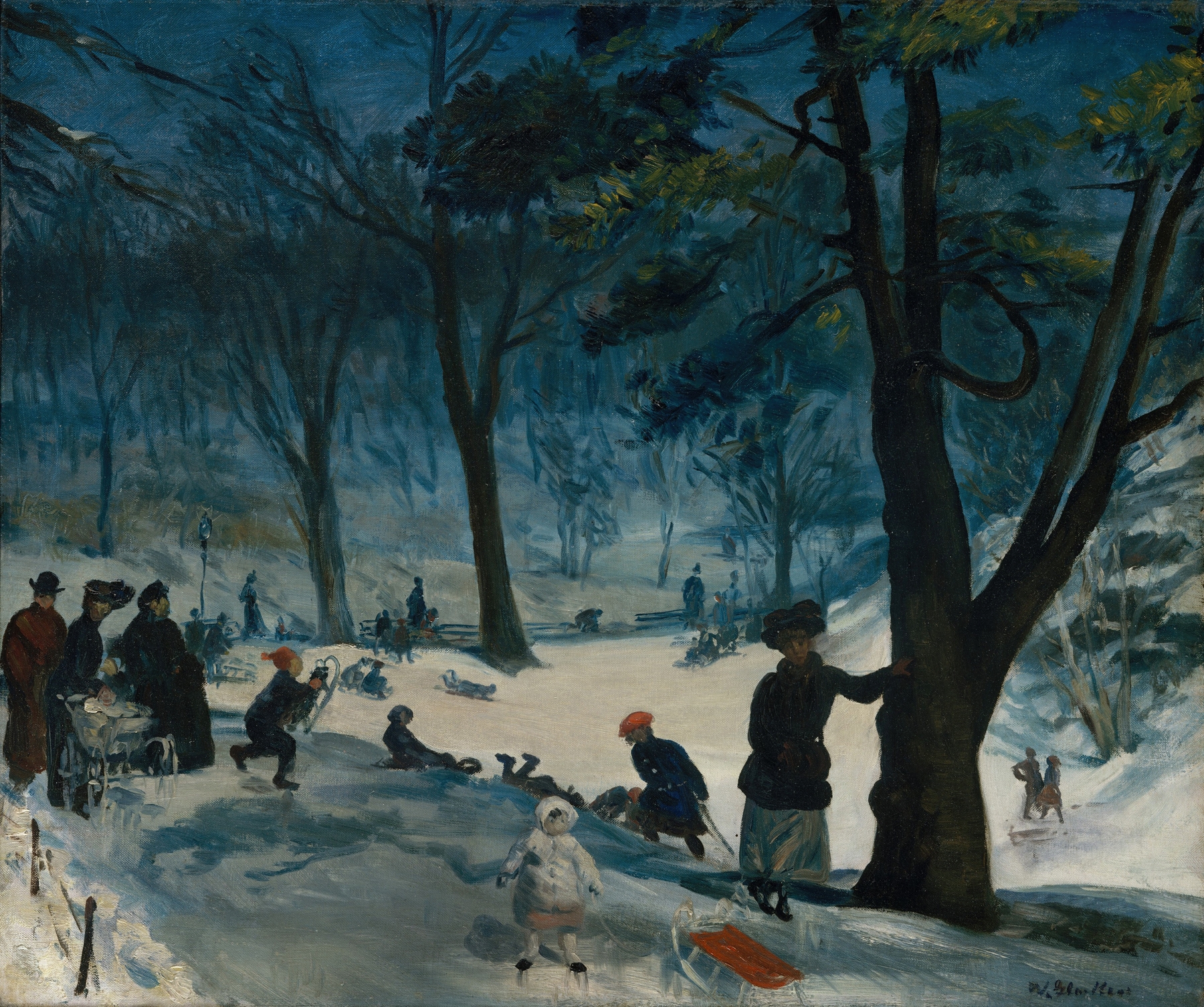
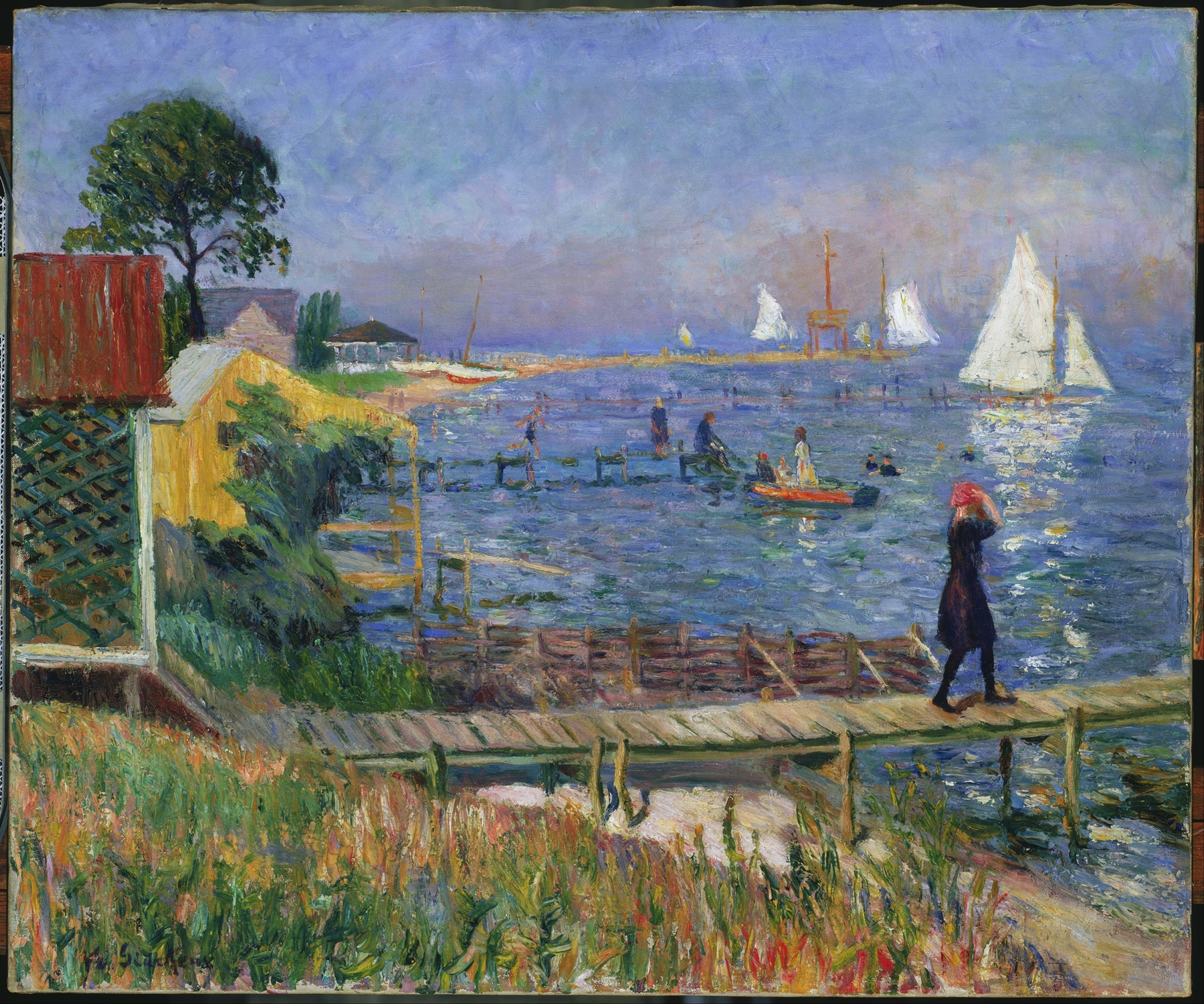
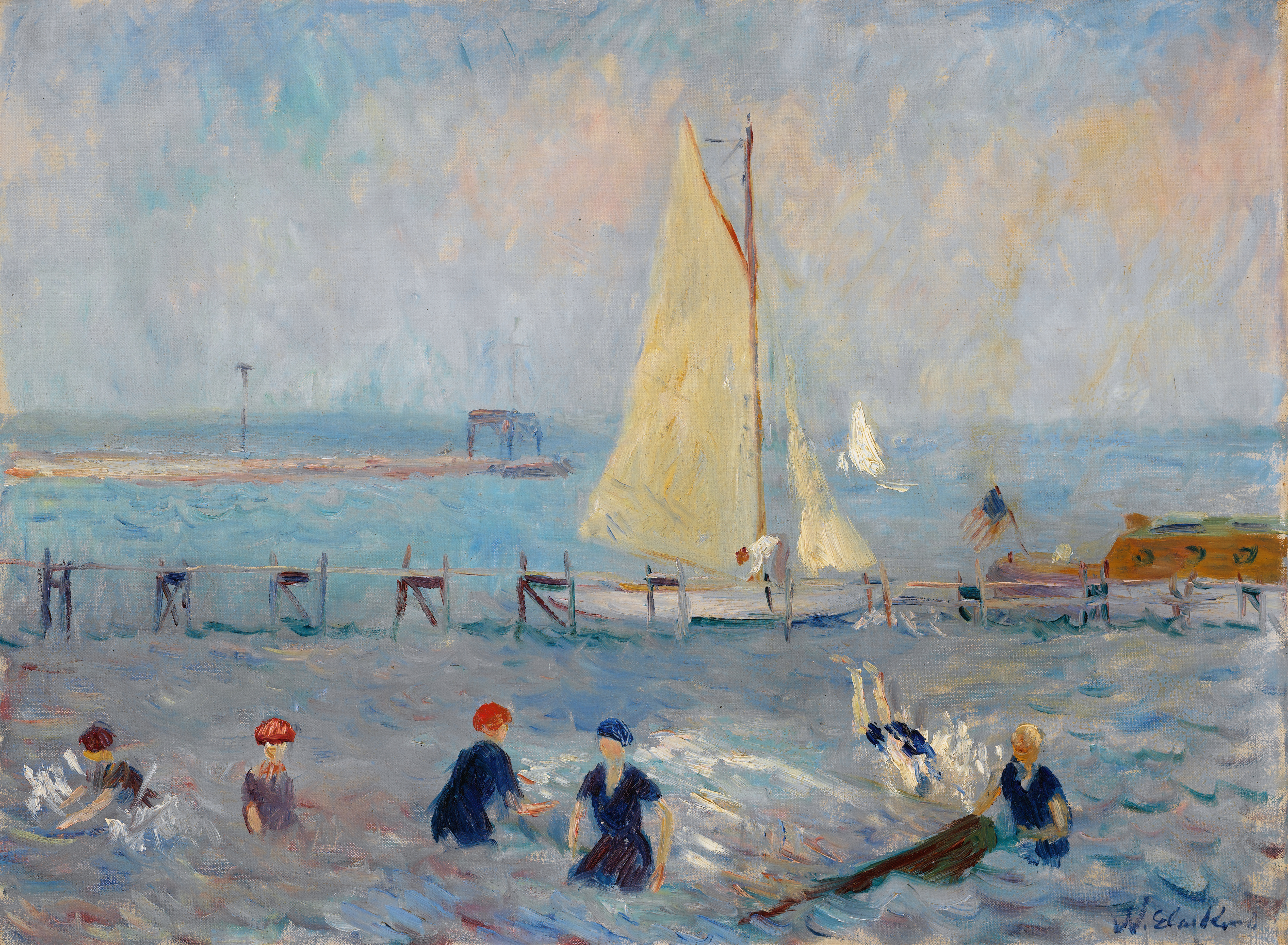
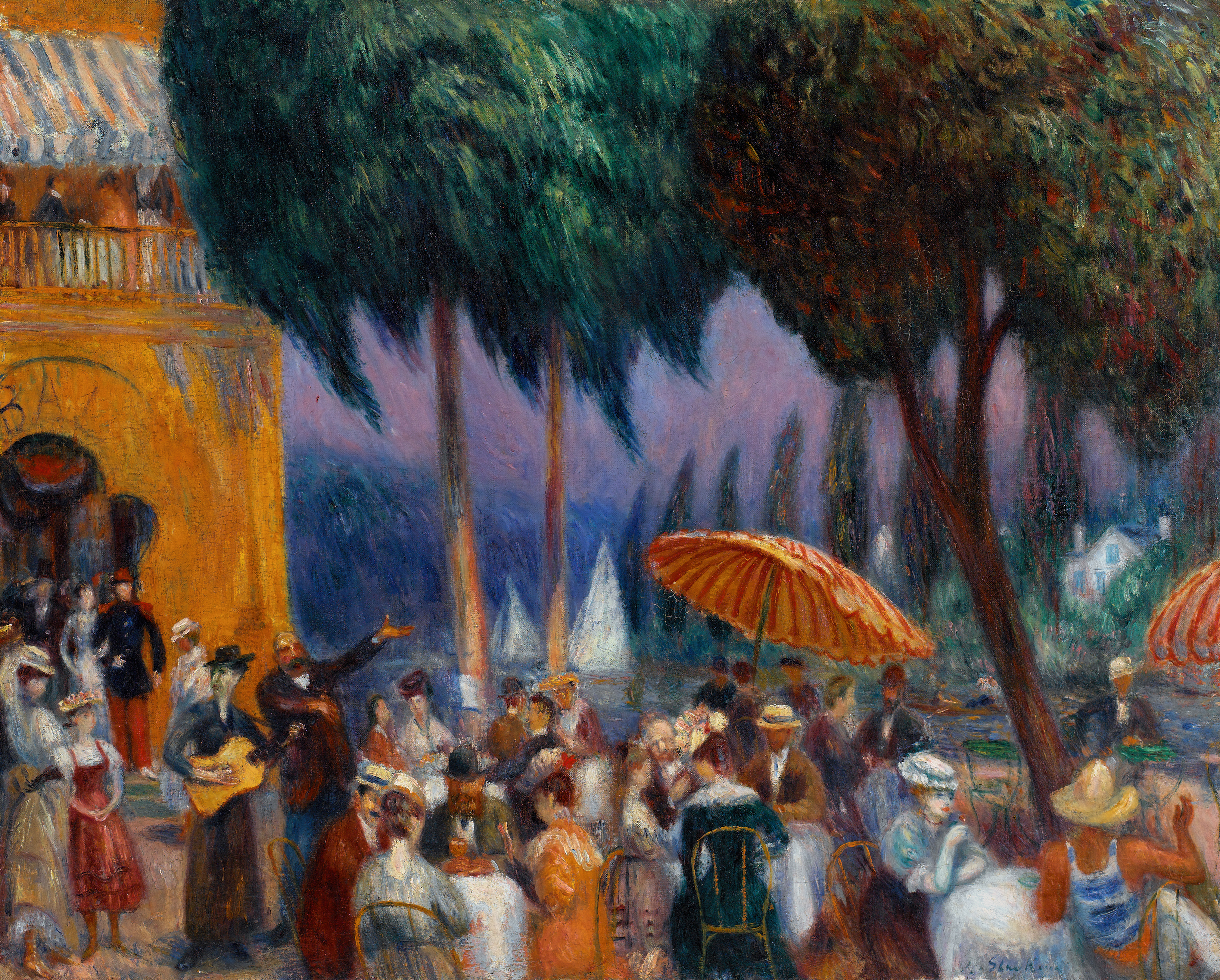
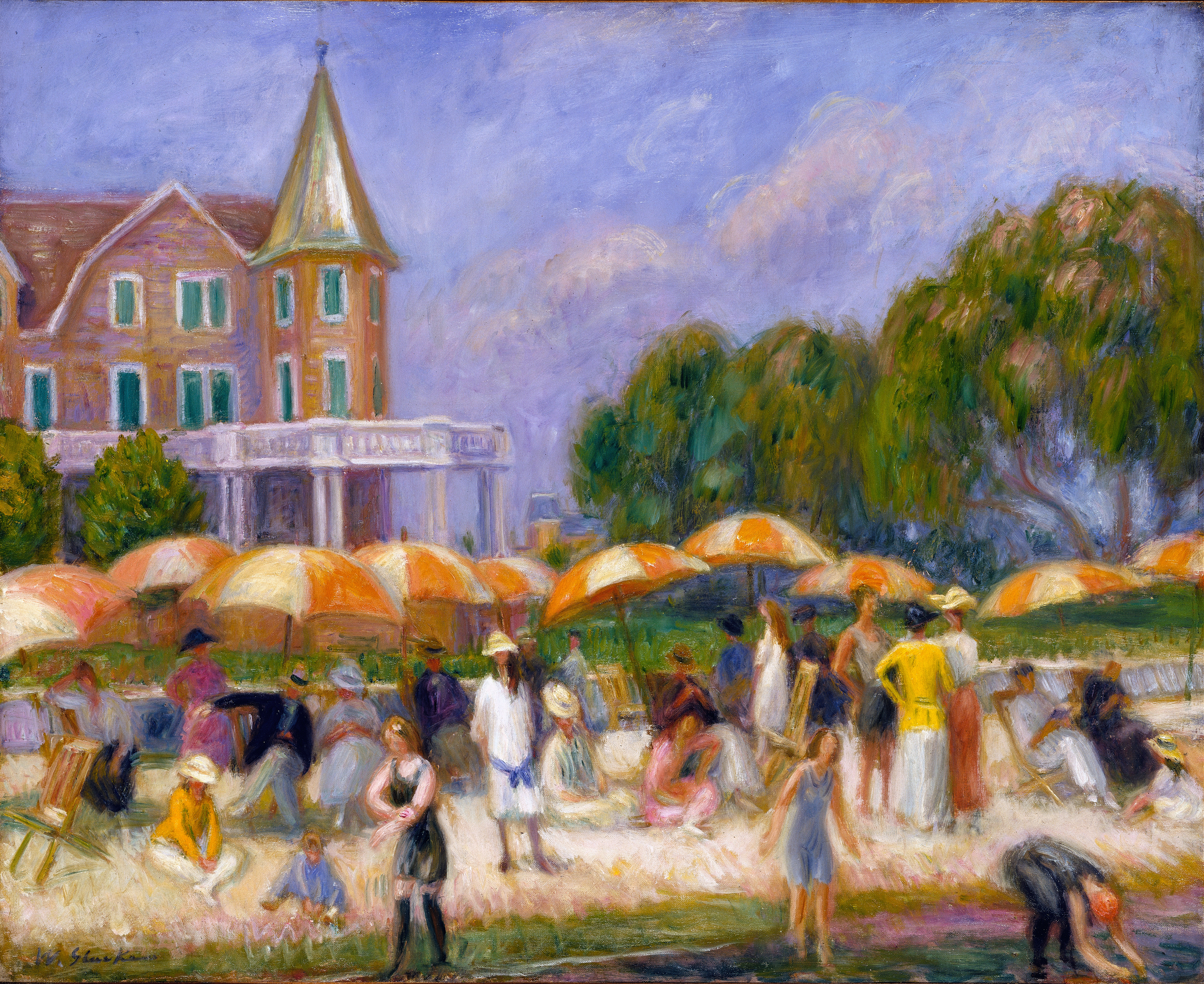
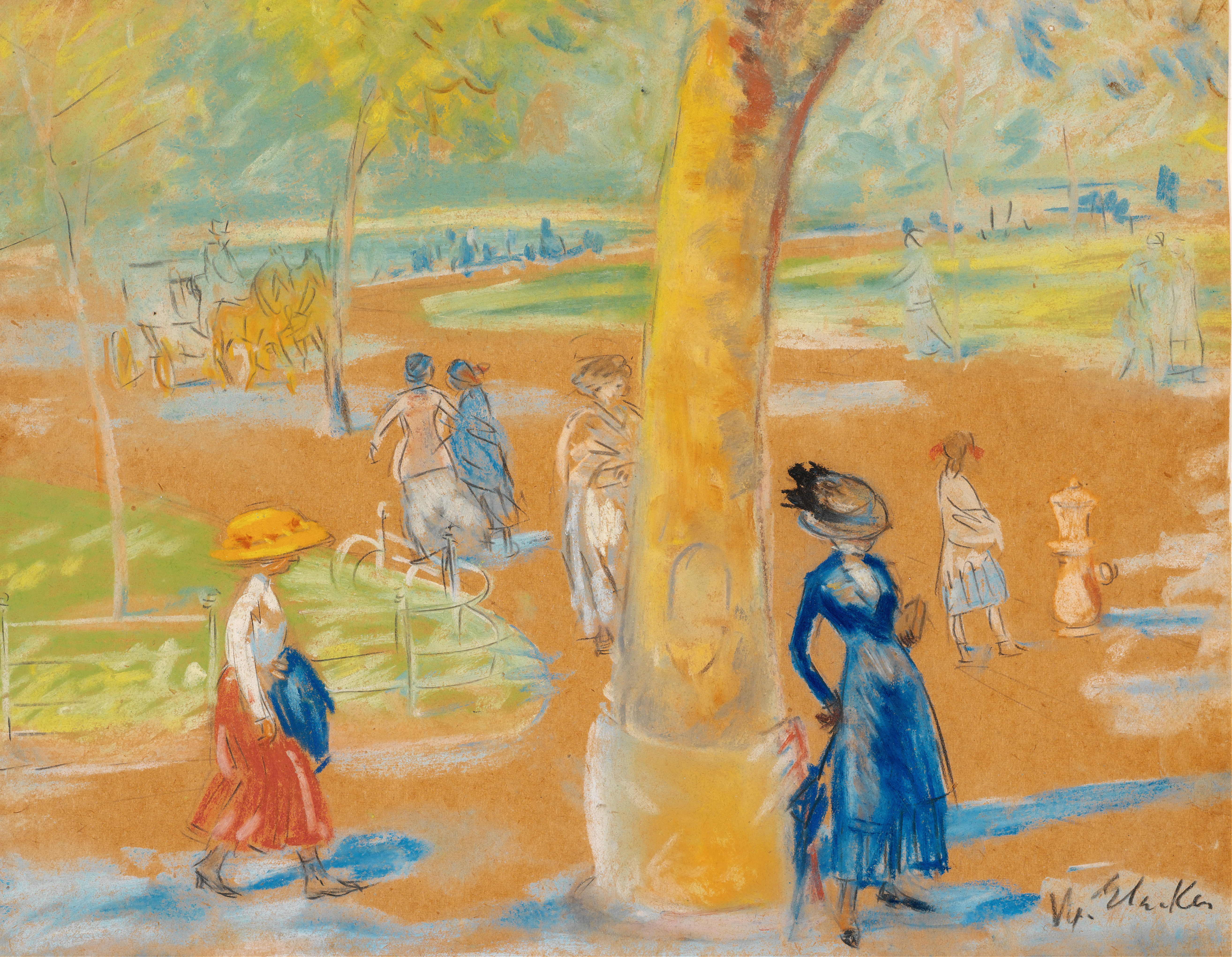
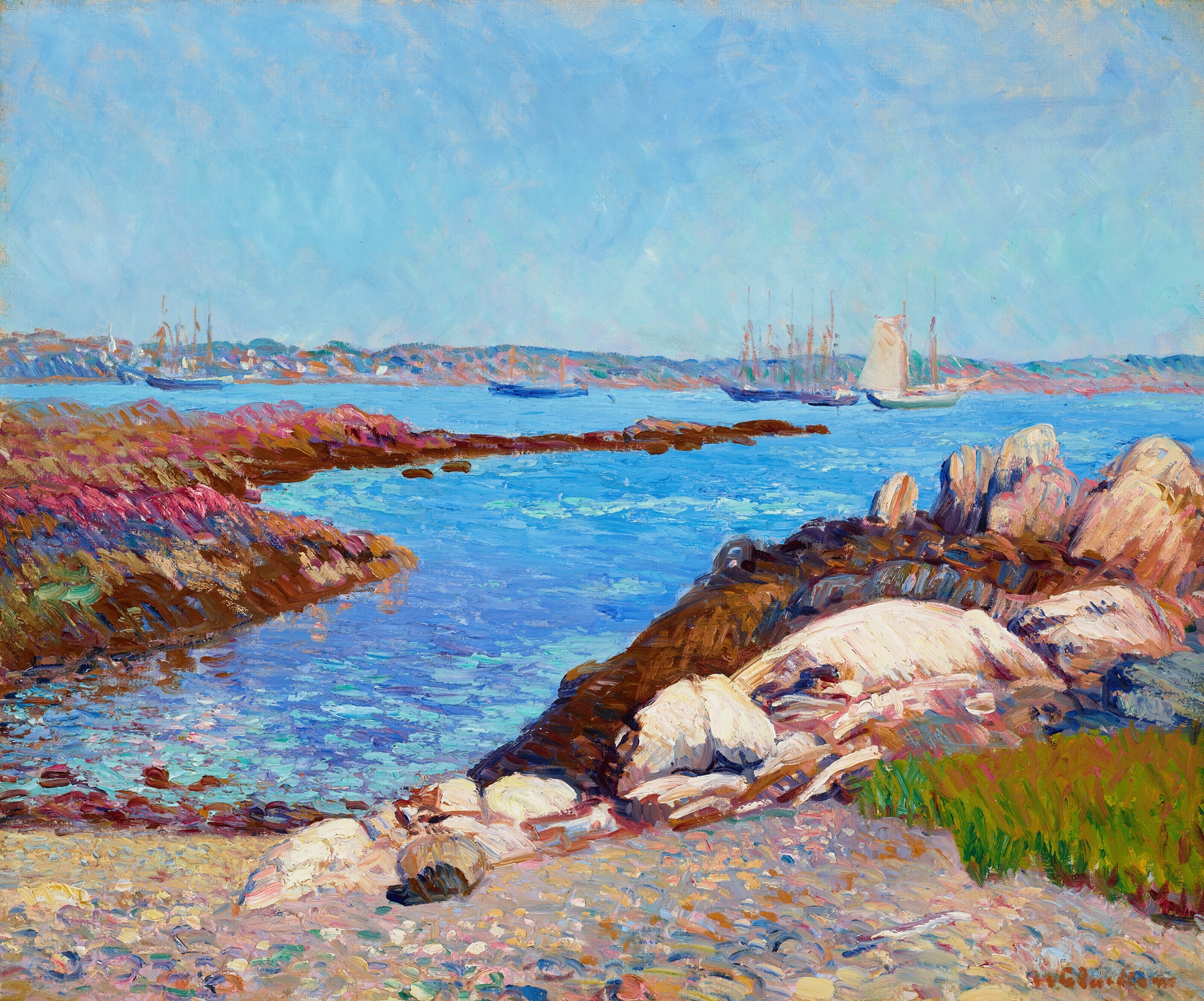
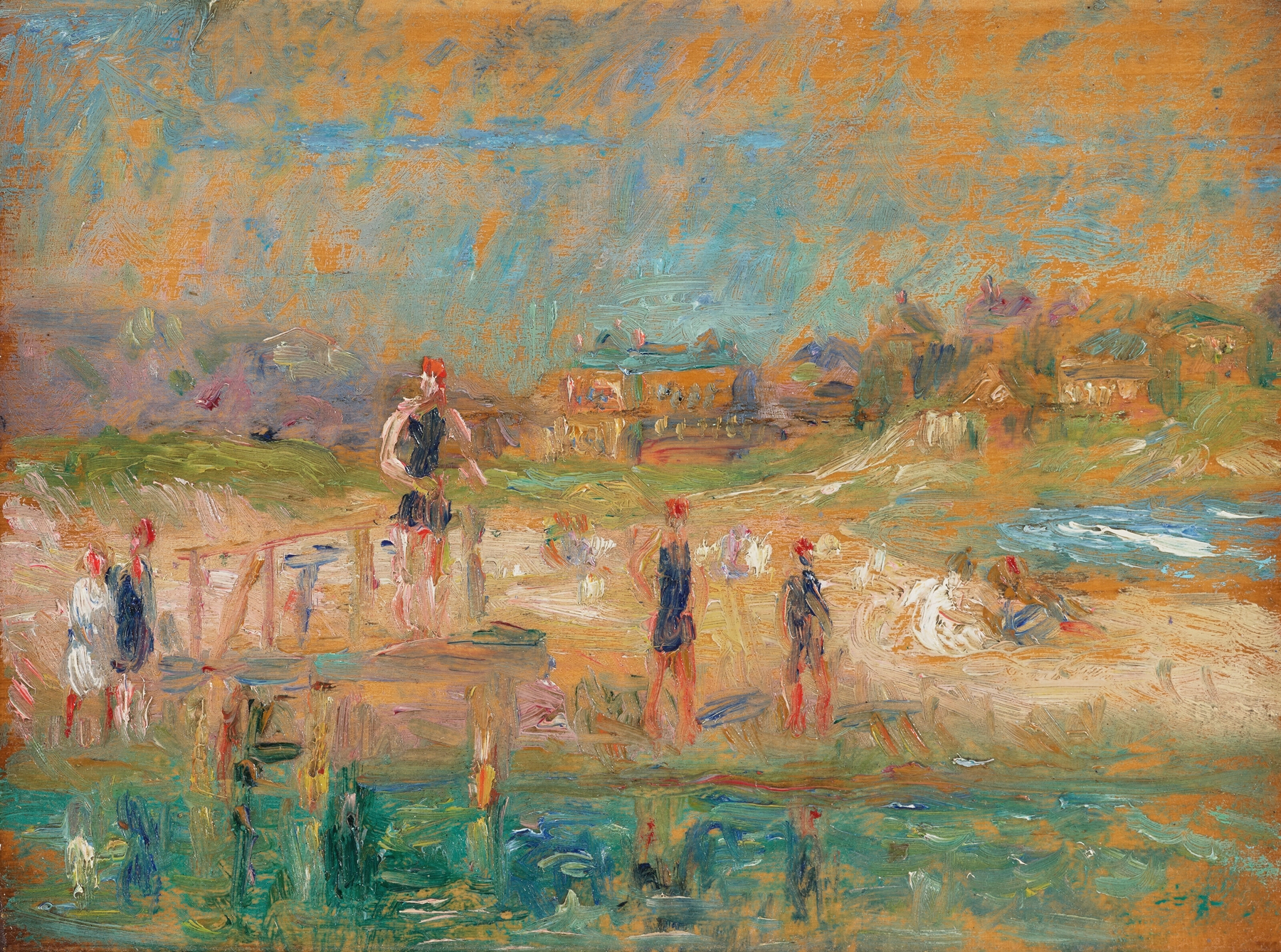
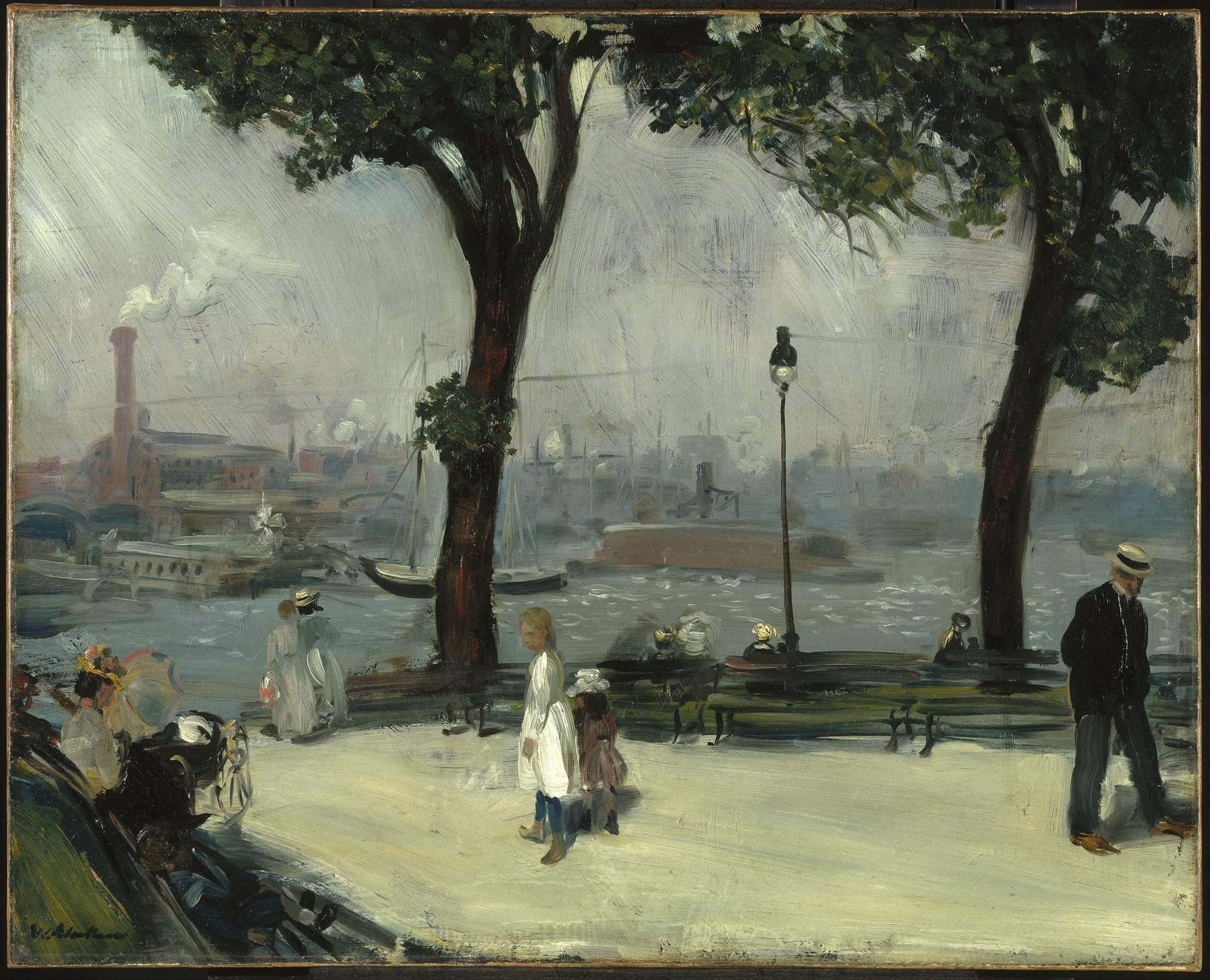
Can beauty exist without sorrow? In the quiet embrace of nature, we ponder the delicate dance between joy and melancholy, a balance that shapes our very destiny. Look to the lower left, where the gentle sweep of the river’s edge leads the eye toward lush greenery. Notice how the vibrant greens and rich blues are punctuated by dappled sunlight filtering through the leaves, illuminating the scene with a warm, inviting glow.
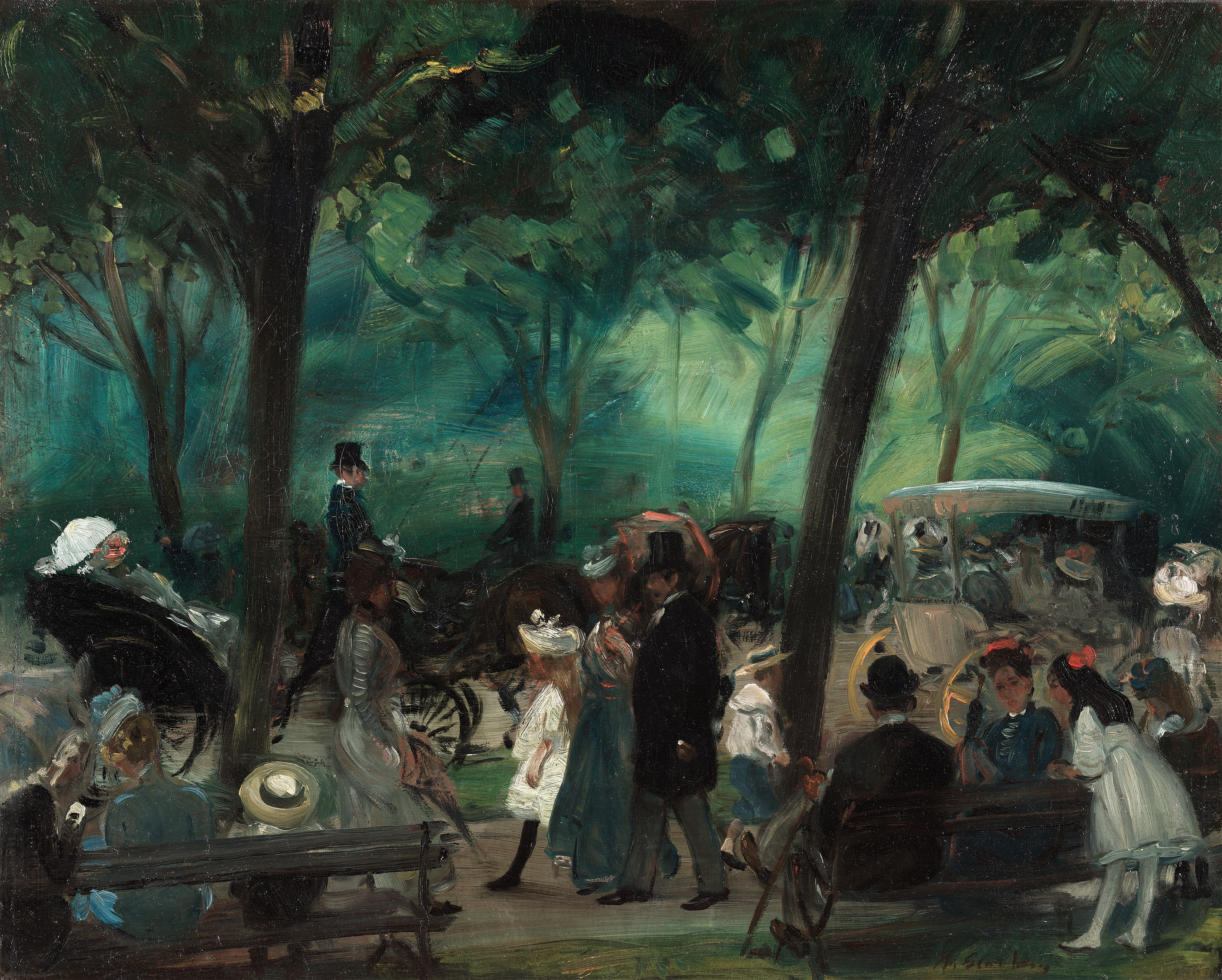
The brushwork is both loose and intentional, suggesting movement while retaining the essence of a serene moment. The ripples in the water mirror the vitality of the surrounding park, creating a harmony that draws viewers into this picturesque world. Yet, within that tranquility lies a tension — a whisper of longing that beckons one to contemplate the passage of time. The park, alive with splashes of color, serves as a reminder of fleeting moments, the laughter of children echoing softly against the backdrop of the city’s distant hum.
Shadows cast by towering trees hint at the inevitability of change, inviting introspection about what lies beyond the frame and the story that unfolds beyond this stillness. William James Glackens created this piece during a transformative period in American art, around the turn of the 20th century. At this time, he was part of the Ashcan School, focusing on urban life and the experiences of everyday people. His work reflects an evolving perspective on modernity, capturing both the vibrancy of urban parks and the deeper human emotions tied to them.