Sunday on the Marne — History & Analysis
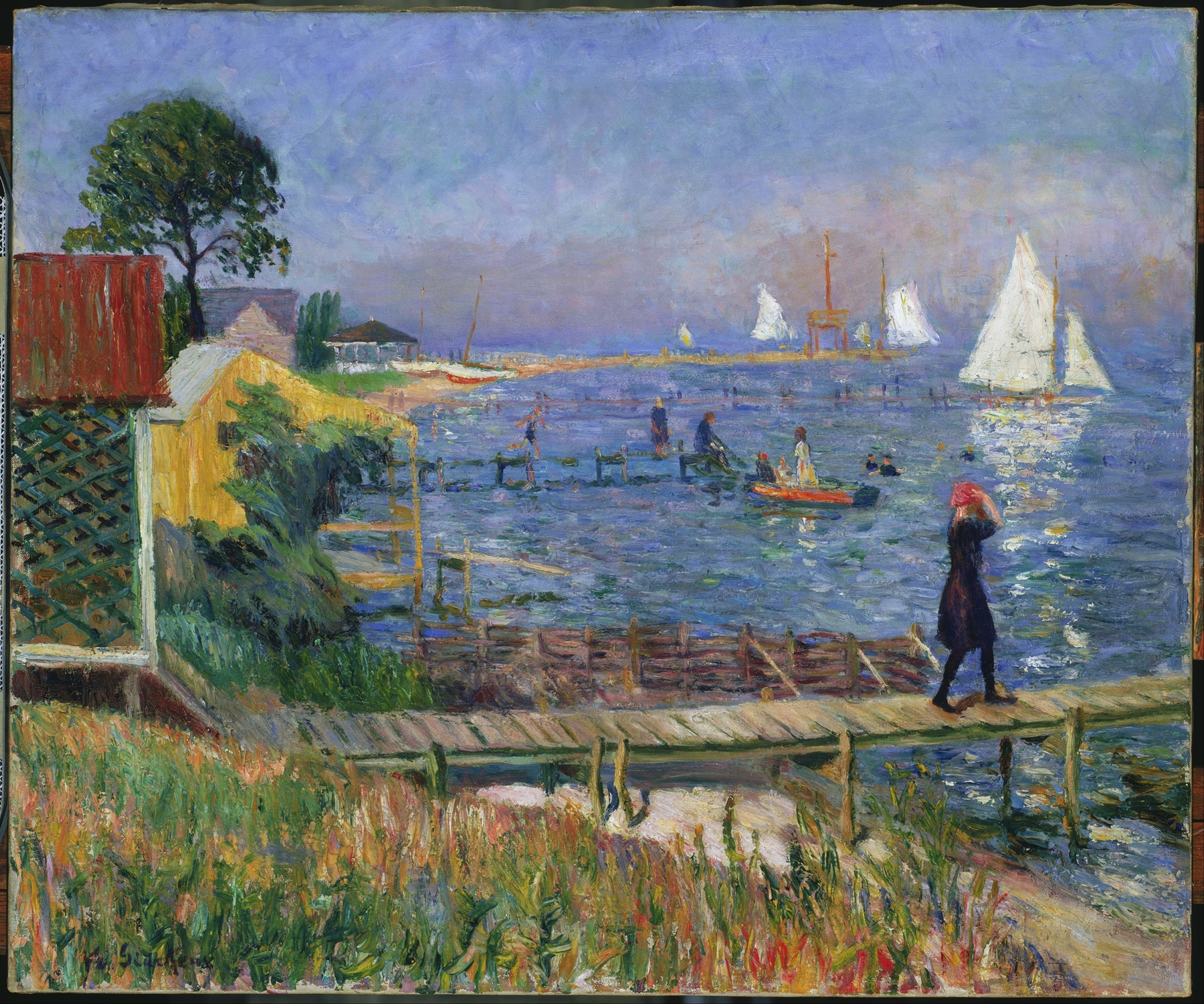
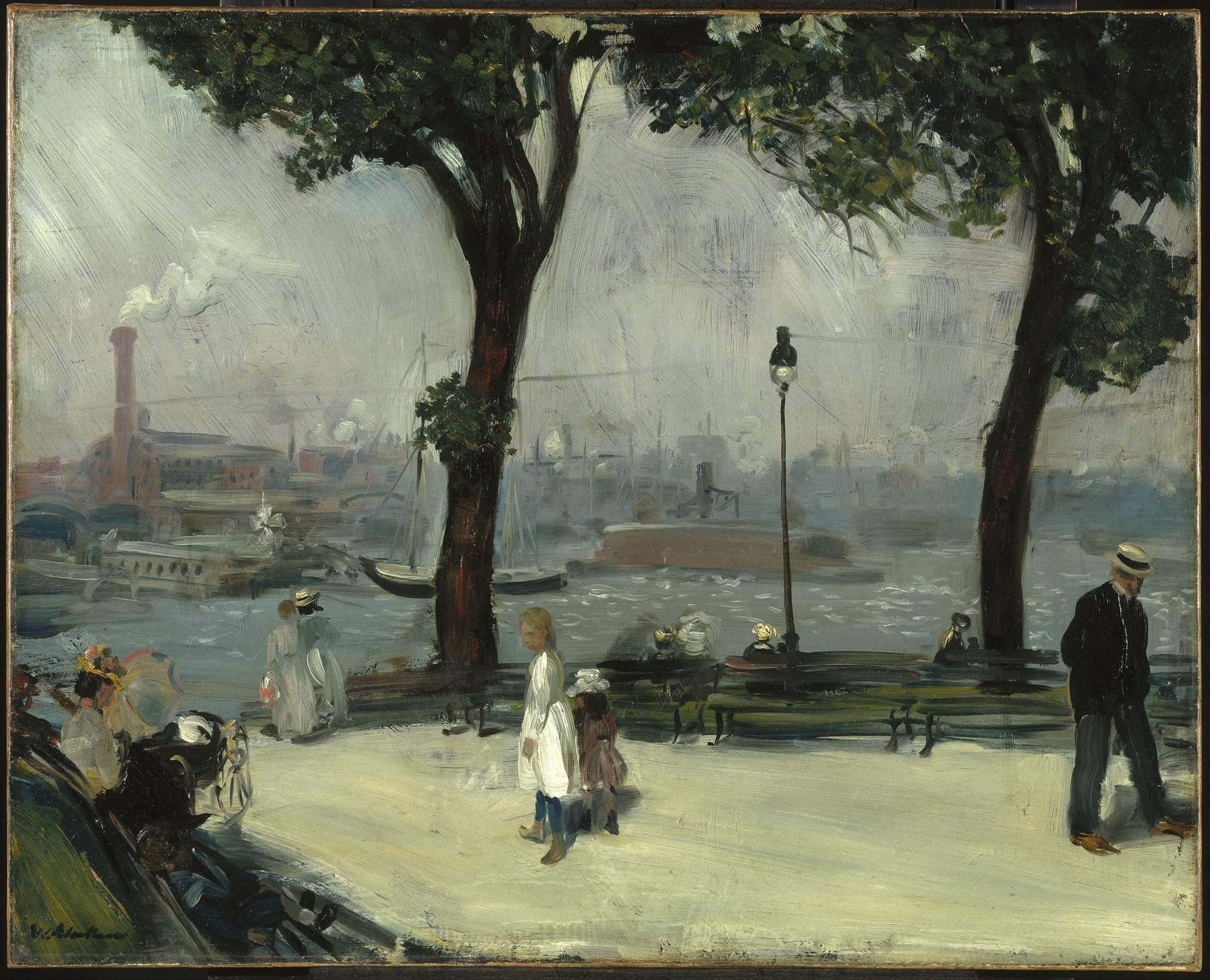
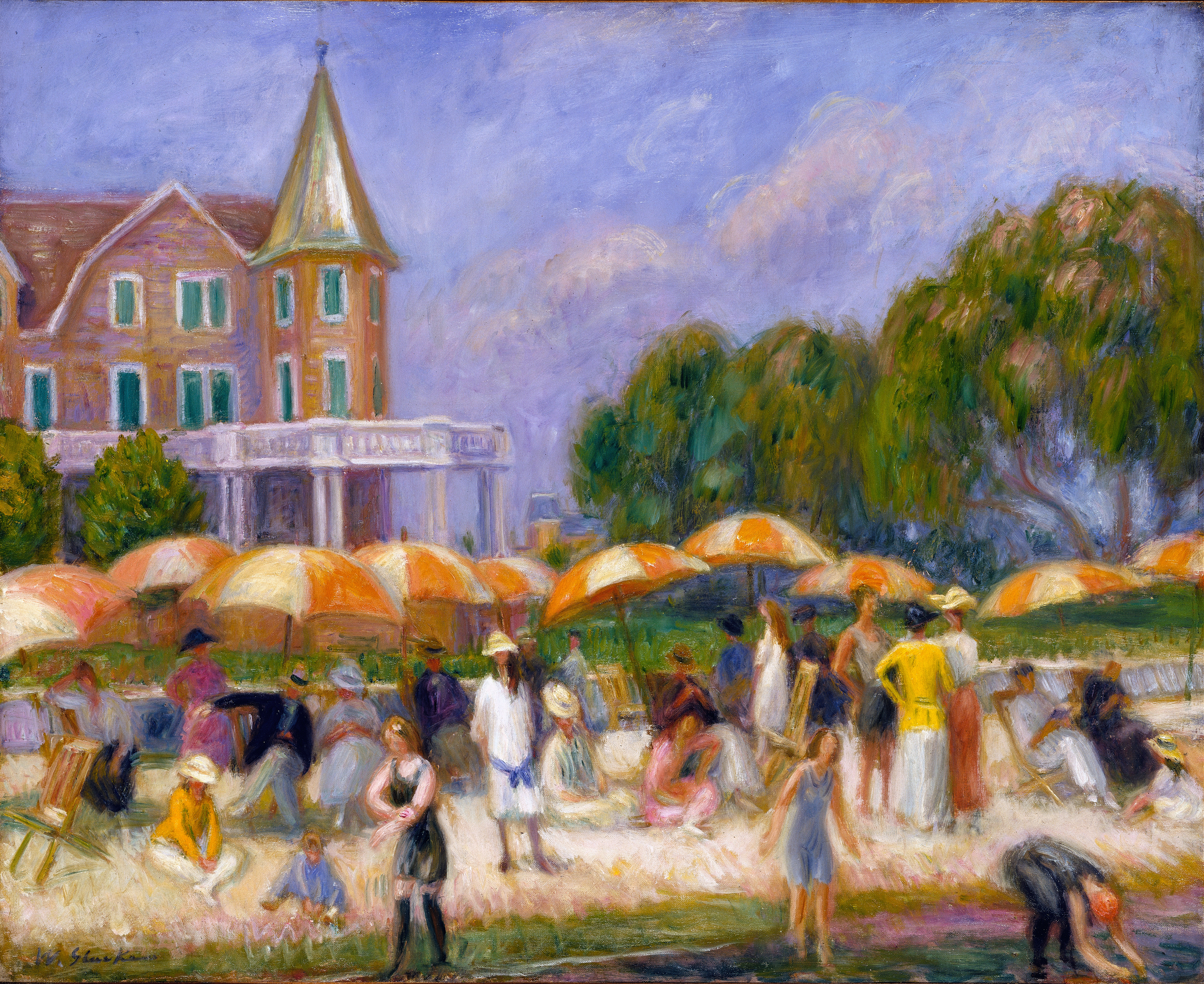
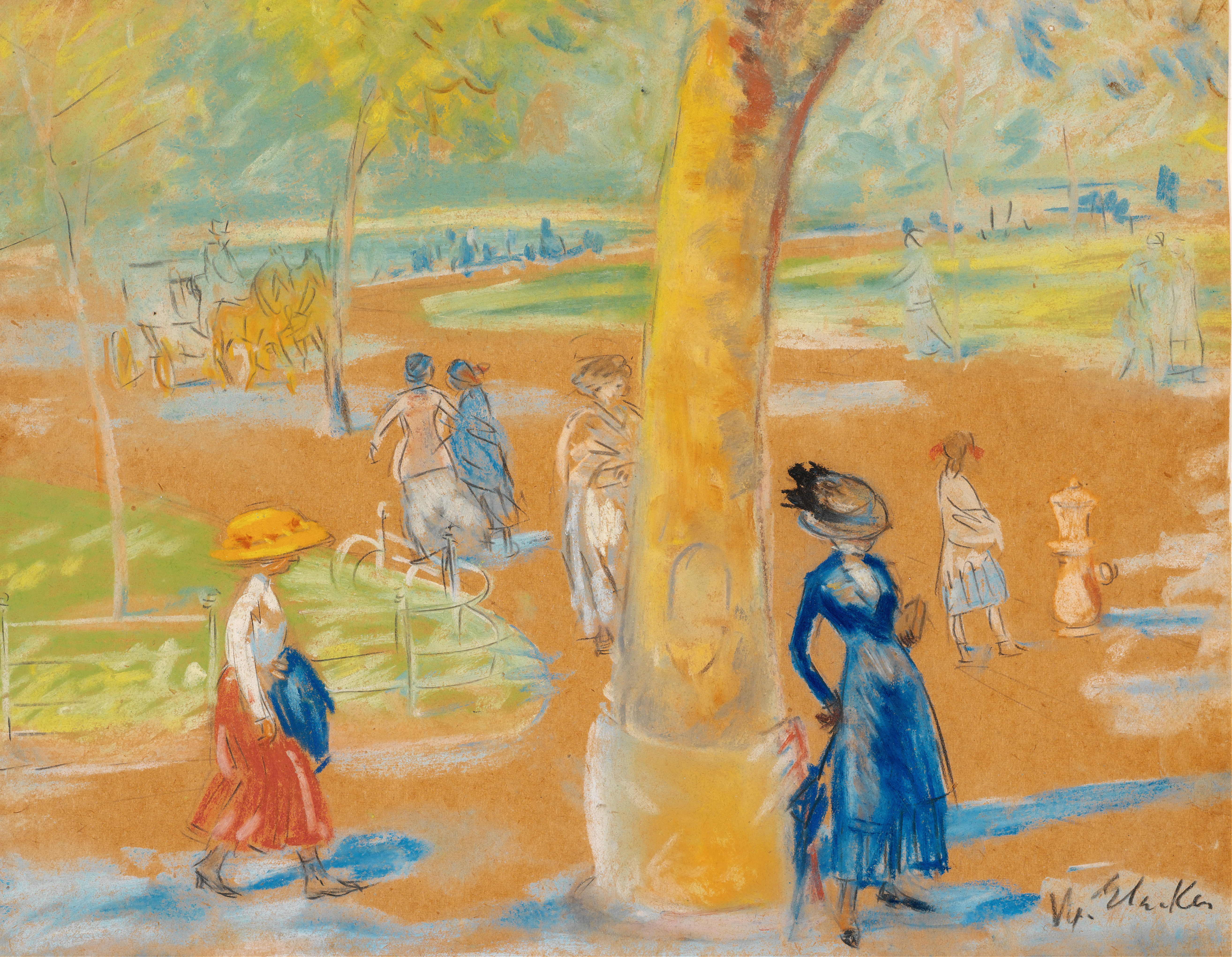
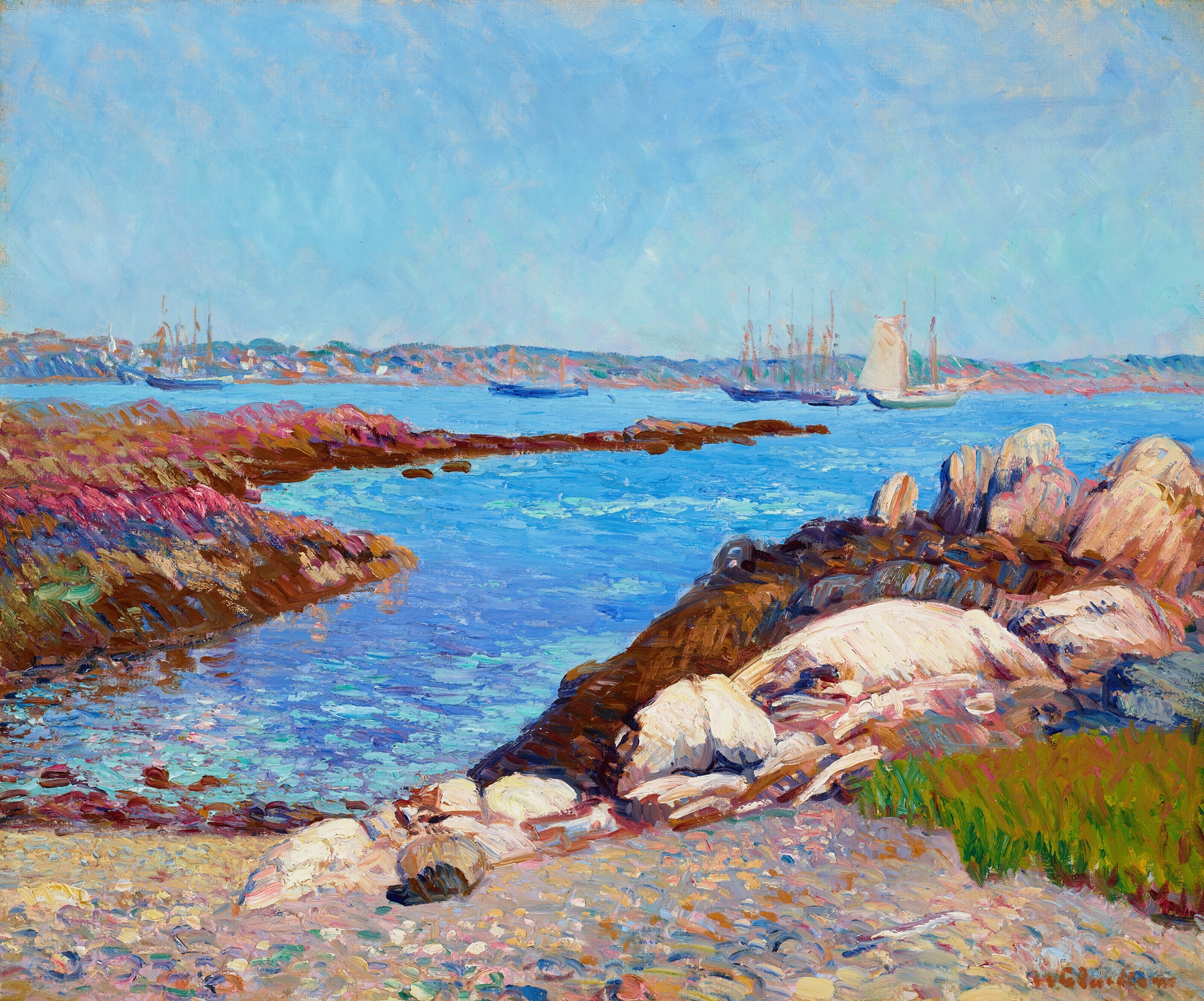
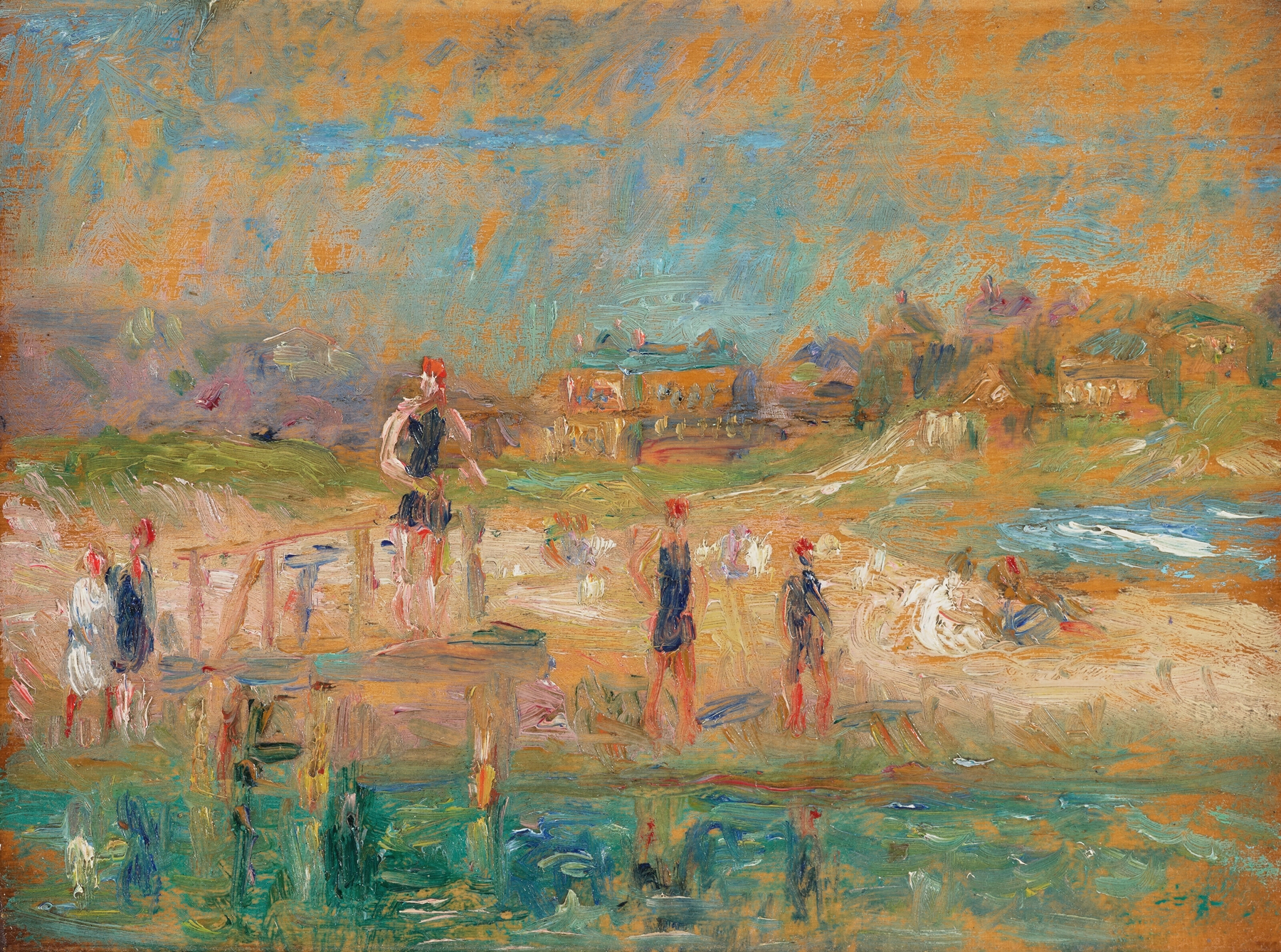
Is this a mirror — or a memory? In Sunday on the Marne, an ordinary moment dances with the extraordinary beauty of human connection, revealing the delicate interplay of light, leisure, and life. Look to the right at the gentle curve of the riverbank, where sunlight breaks through the verdant trees, casting dappled patterns on the water’s surface. Notice the groups of picnickers, their figures intermingling with the landscape, painted in soft, impressionistic strokes that evoke both movement and stillness.
The vibrant blues and greens breathe life into the scene, inviting viewers to step into the idyllic day, while a warm palette of ochre and soft pastels suggests a nostalgia that permeates the air. Within this serene tableau lies a subtle tension: the juxtaposition of leisure against the looming shadows of the world outside, hinting at the turbulence of the time. The seemingly carefree laughter of the figures contrasts with the inevitable march of history, echoing the global unrest of World War I. Details such as the abandoned fishing rod and the scattered picnic remnants invite contemplation of fleeting moments, evoking both the joy of togetherness and the fragility of peace.
William James Glackens painted this work around 1915–1916, during a period marked by significant social change and the looming specter of war. At that time, he was part of the Ashcan School, a movement that sought to capture the authentic experiences of everyday life. While the world was in turmoil, Glackens found inspiration in the beauty of simple pleasures, using his brush to immortalize the fleeting joys of a Sunday afternoon by the Marne.