Portsmouth Harbor, New Hampshire — History & Analysis
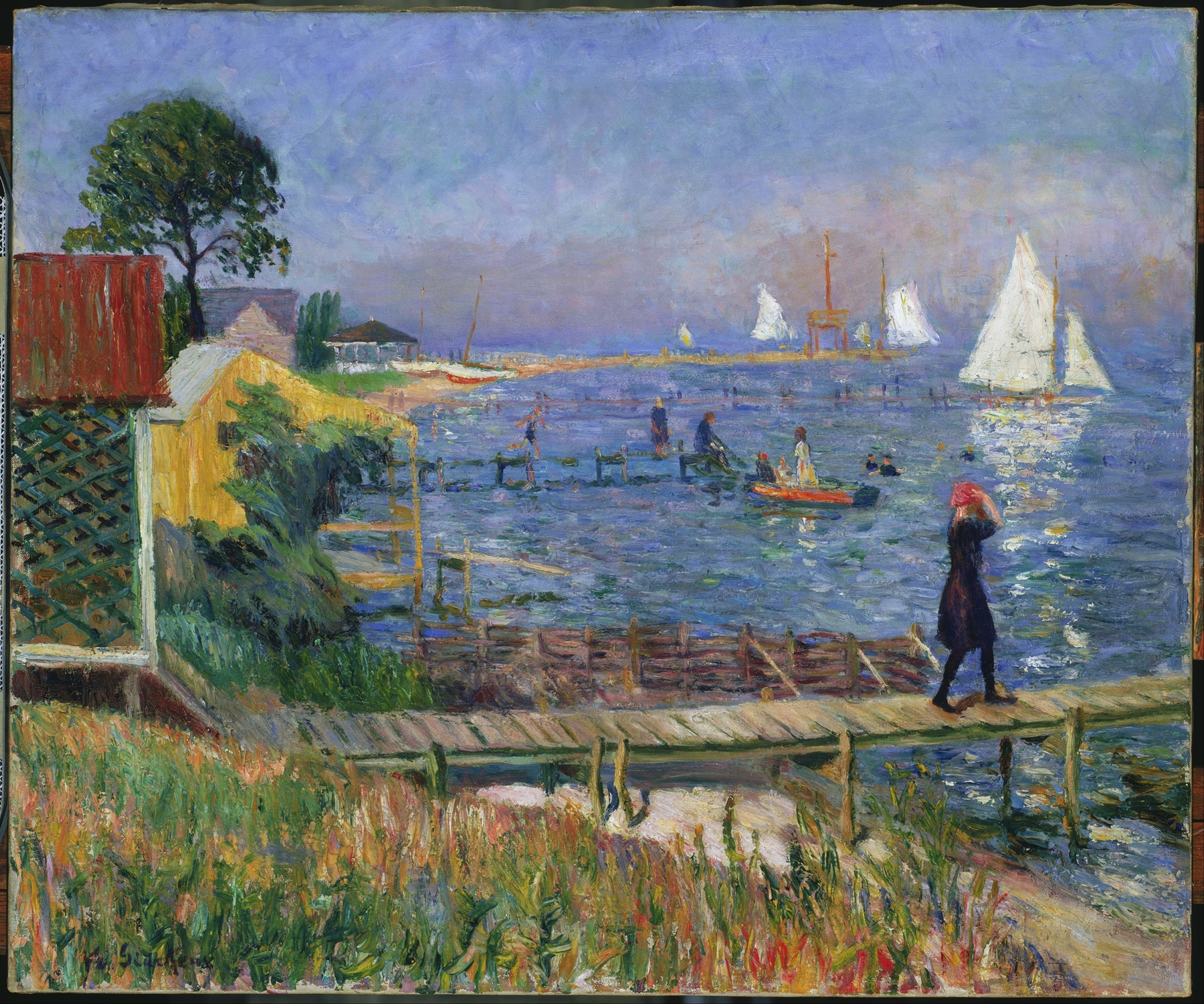
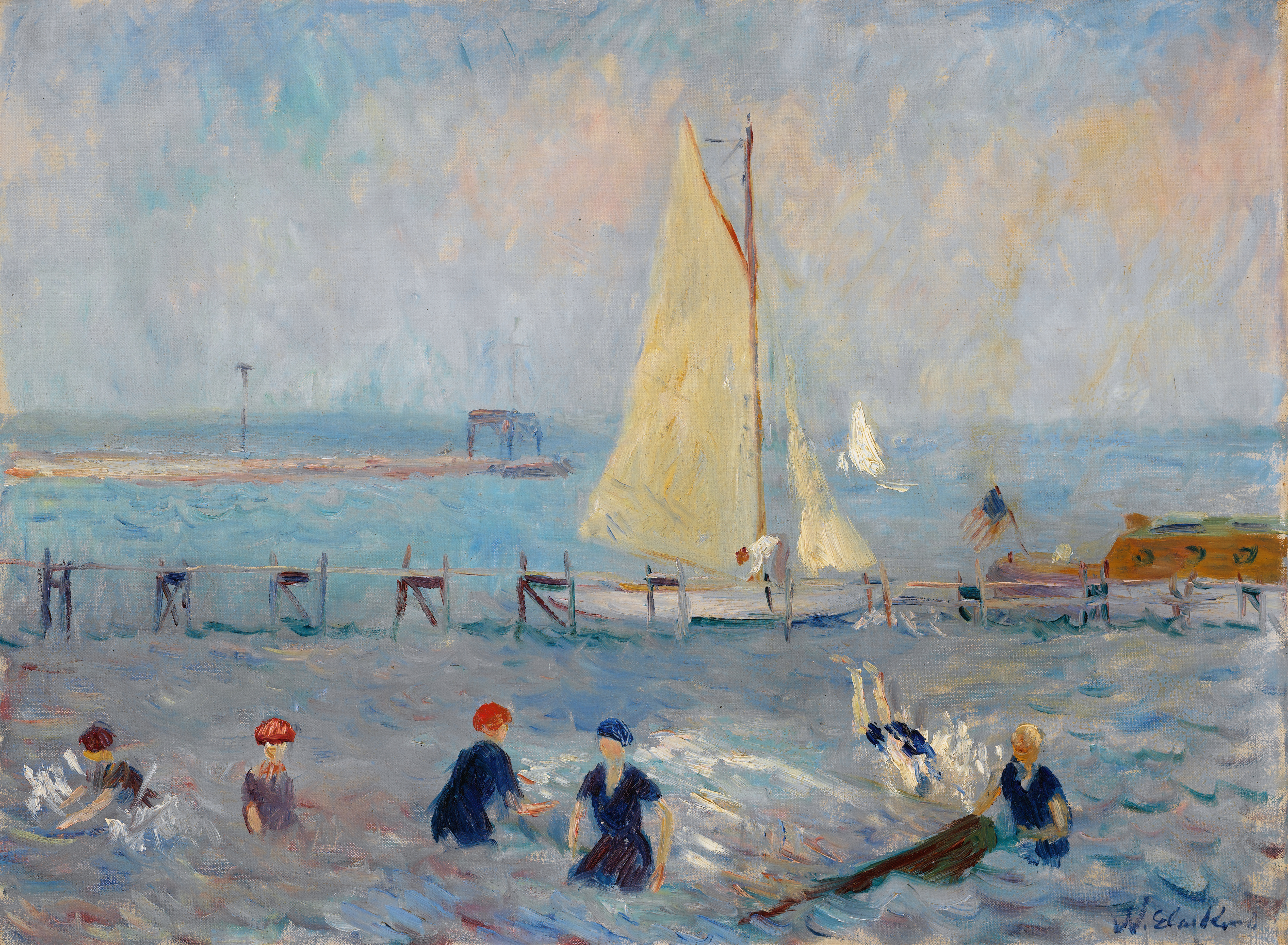
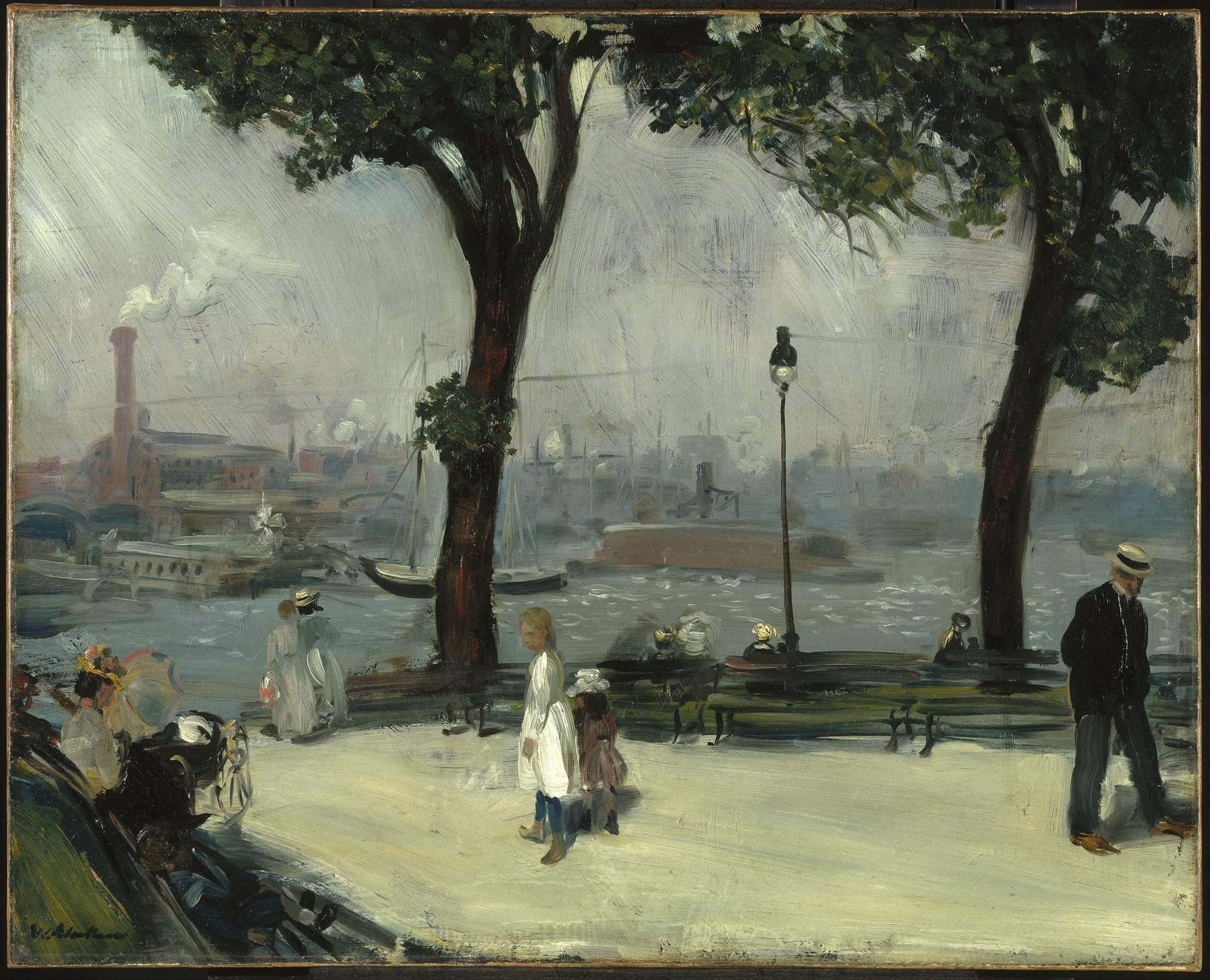
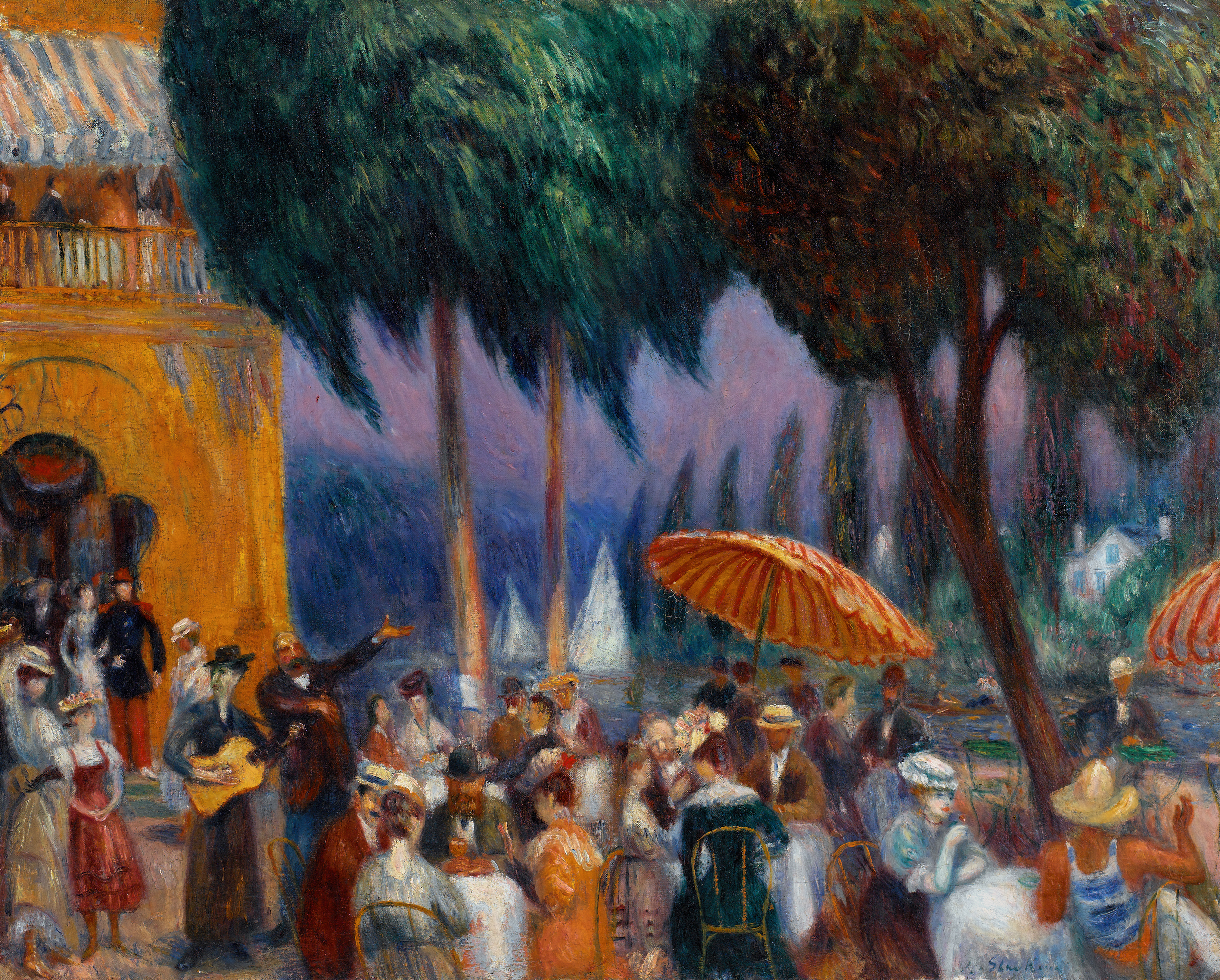
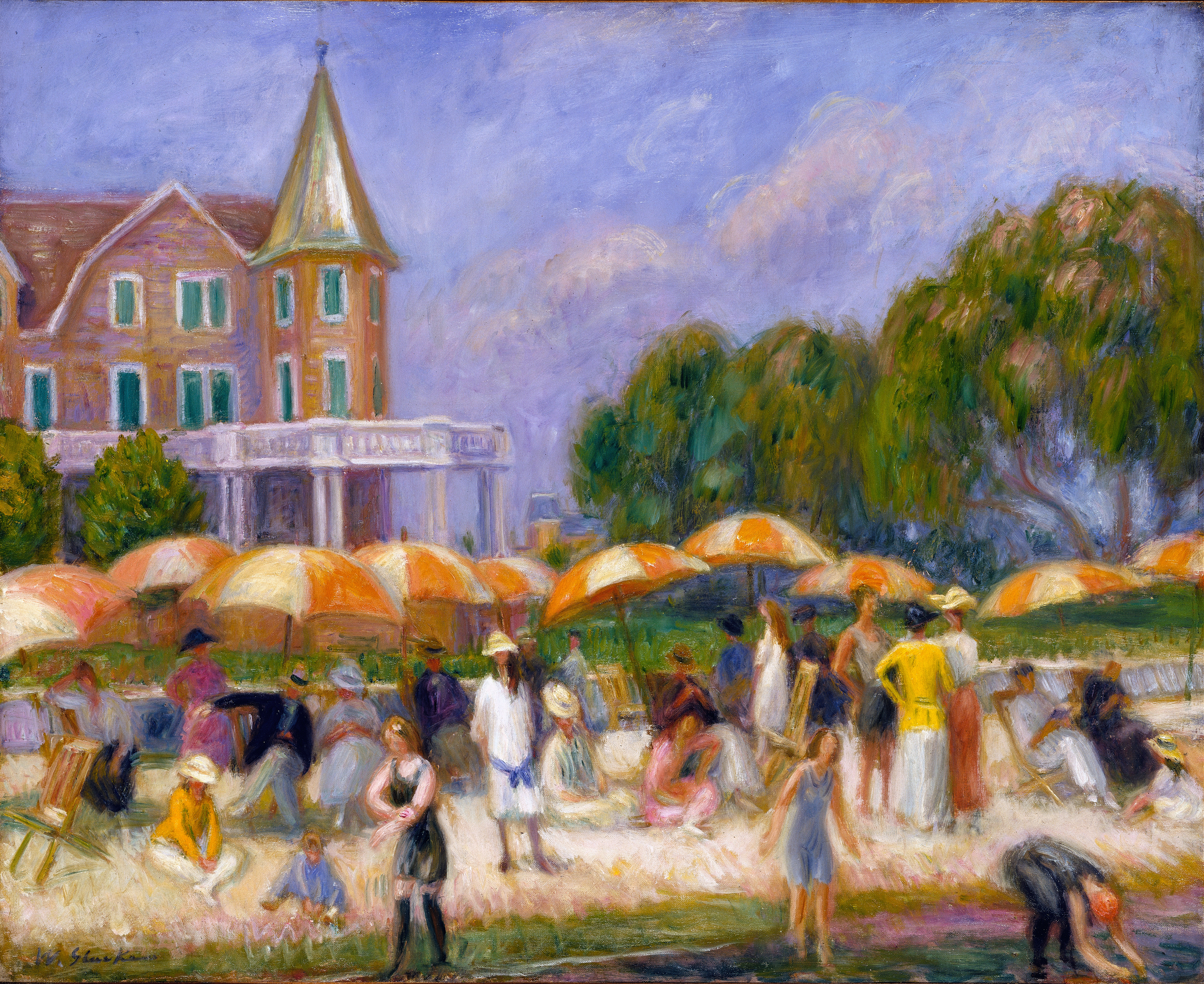
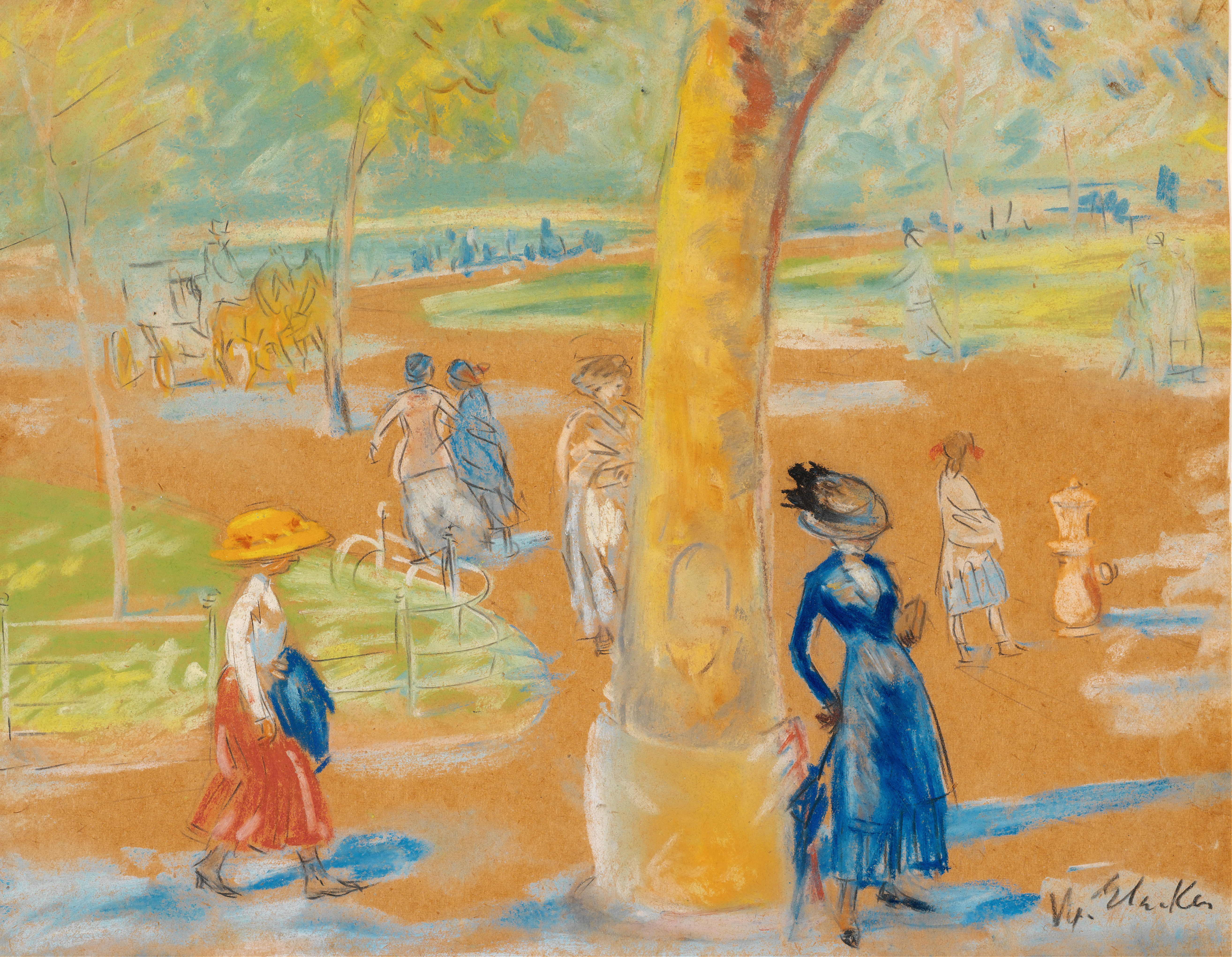
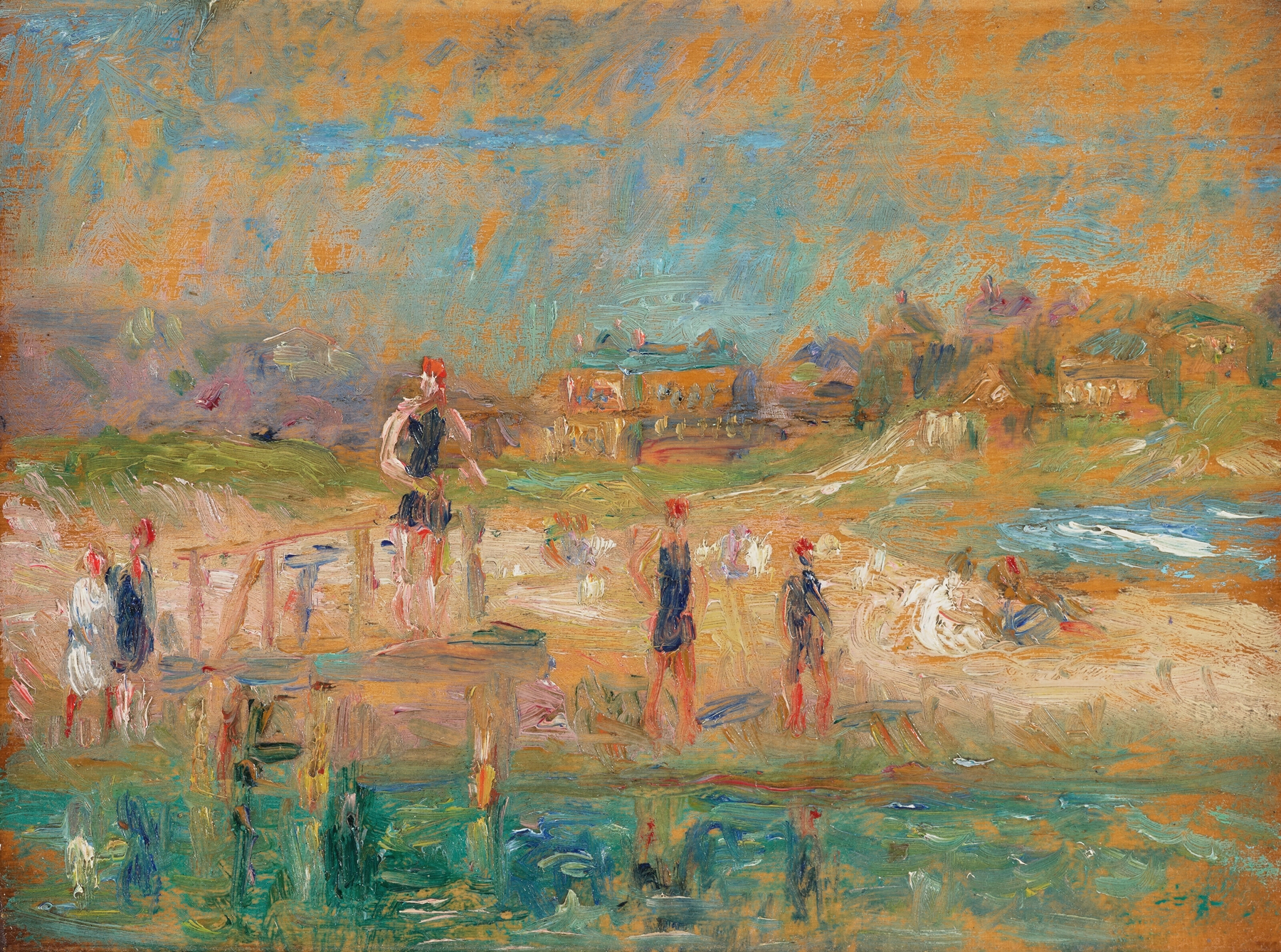
When did color learn to lie? Each hue speaks a truth beneath the calm facade, whispering secrets of serenity that beckon the observer to linger. Look to the left at the gentle curves of the shoreline, where the soft blues of the water blend seamlessly with the warm pastels of the sky. Notice how Glackens captures the fleeting moments of twilight, illuminating the scene with delicate brushwork that creates a shimmering effect on the surface of the harbor.
The vibrant yet tranquil colors evoke a sense of peace, inviting you to breathe in the salty air while observing the boats lazily floating, their sails a gentle pink against the fading light. There is a palpable contrast between the stillness of the water and the distant activity suggested by the boats. The interplay of light and shadow reveals an intimacy within the vastness, hinting at the isolation one can feel even amidst a bustling harbor. Each stroke seems deliberate, portraying a world where time stands still—an invitation to contemplate life's simplicity and beauty.
In 1909, Glackens was immersed in the American art scene, advocating for a blend of Impressionism and Realism. Created while he was living in New York, this piece reflects the artist’s desire to capture the essence of everyday life in a way that resonates with viewers. During this period, he was exploring color and form, fostering a palette that would continue to influence American art, marking a step toward modern expressionism.