The Edge of the Woods at Monts-Girard, Fontainebleau Forest — History & Analysis
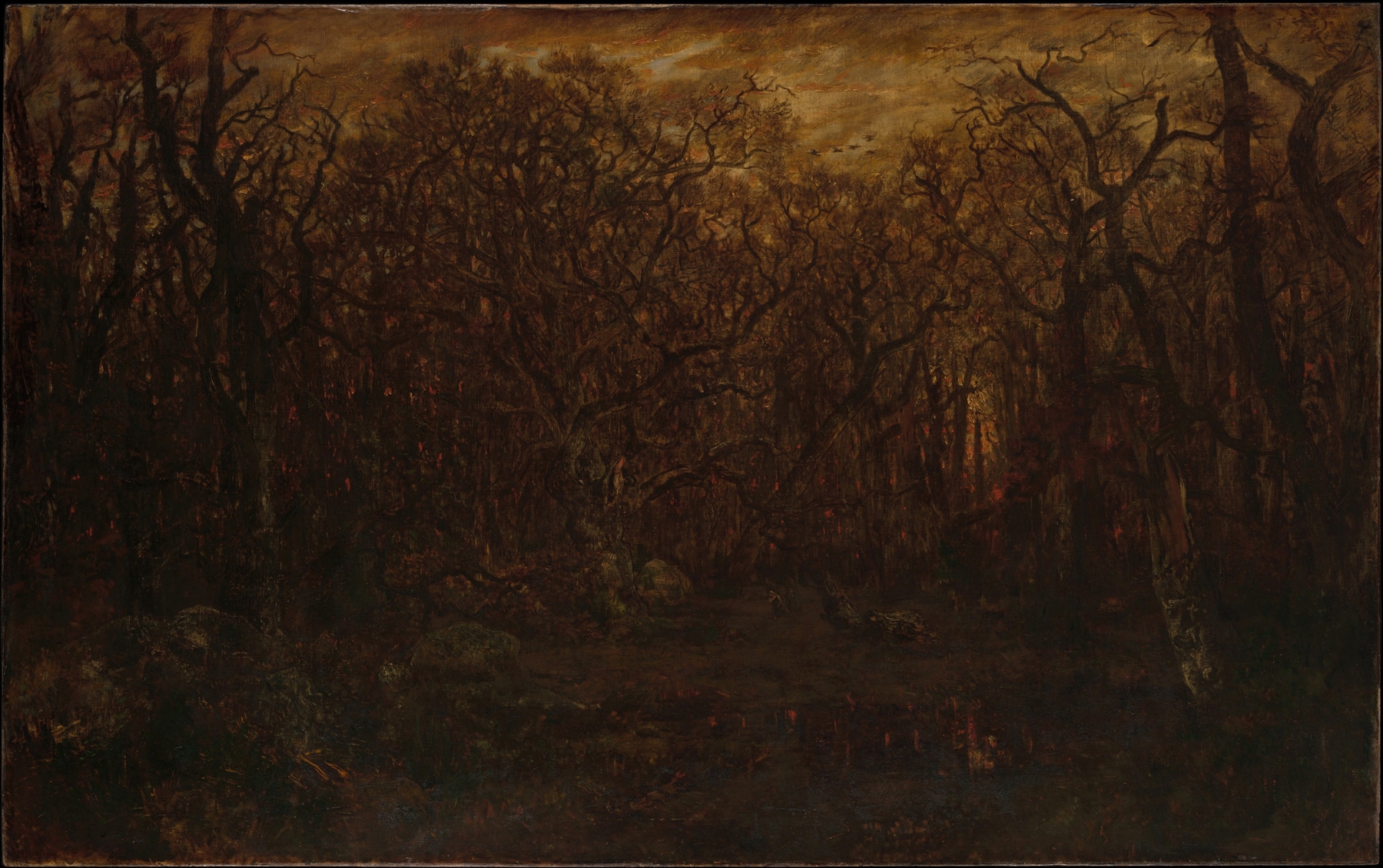
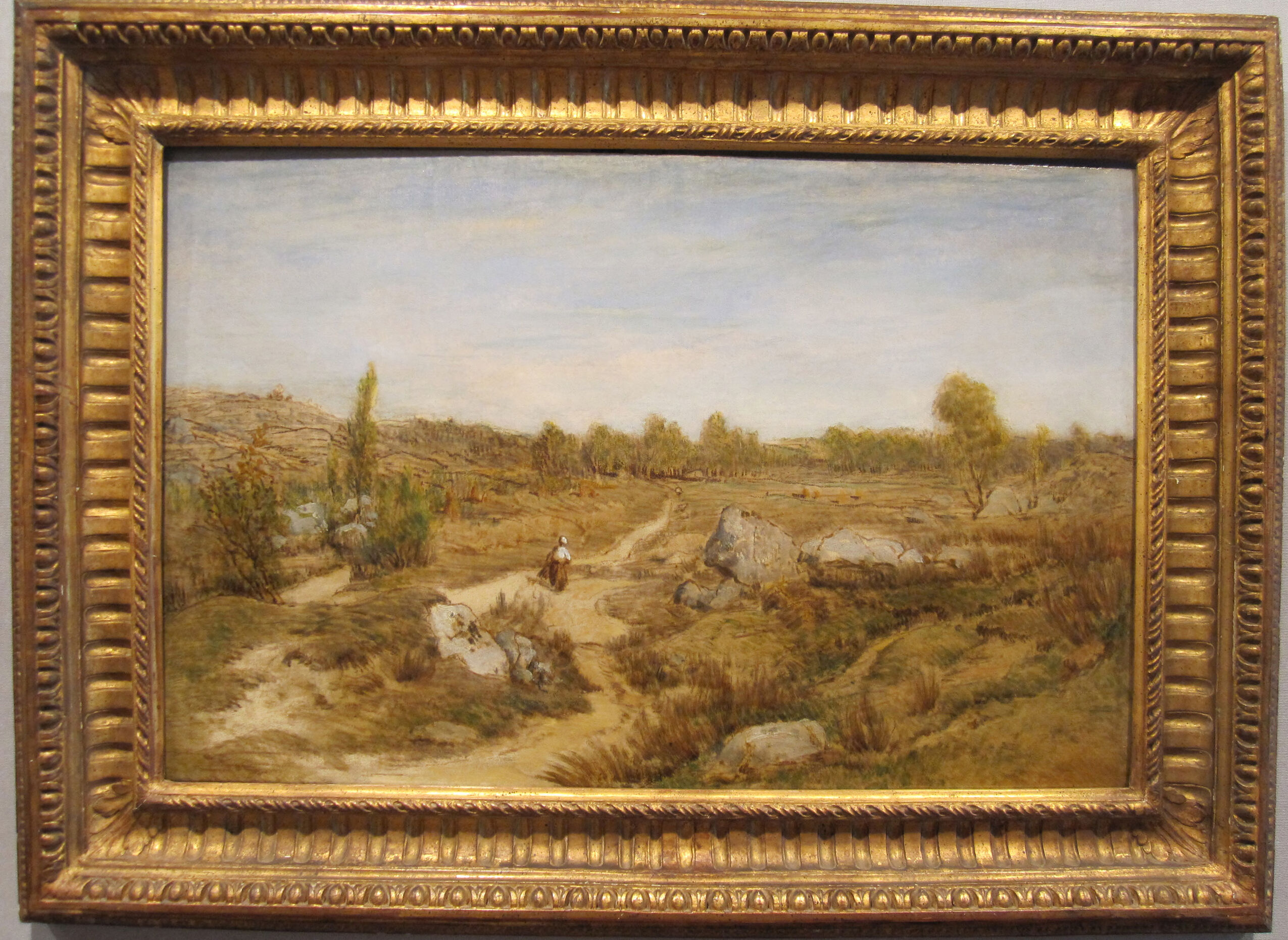
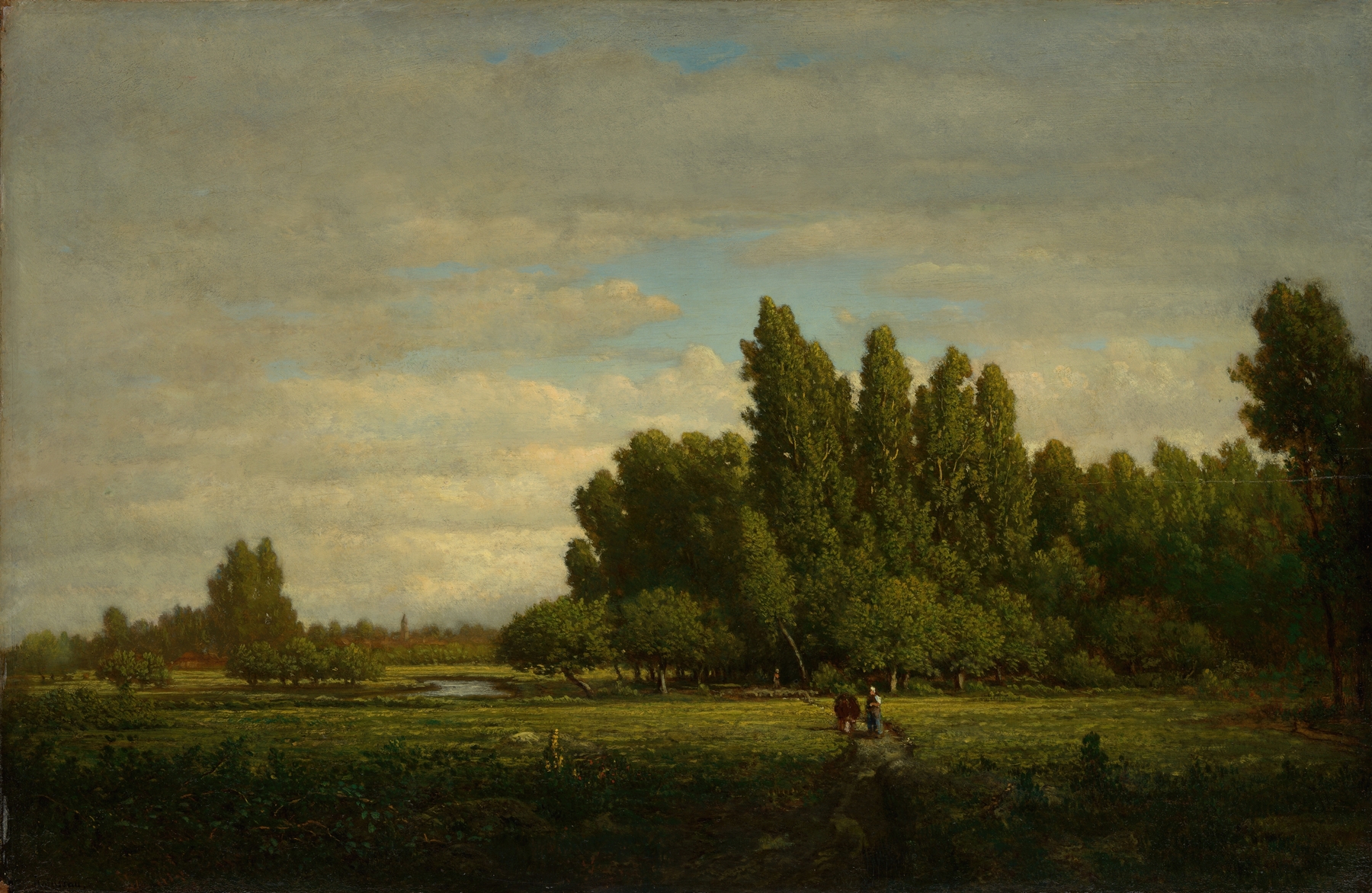
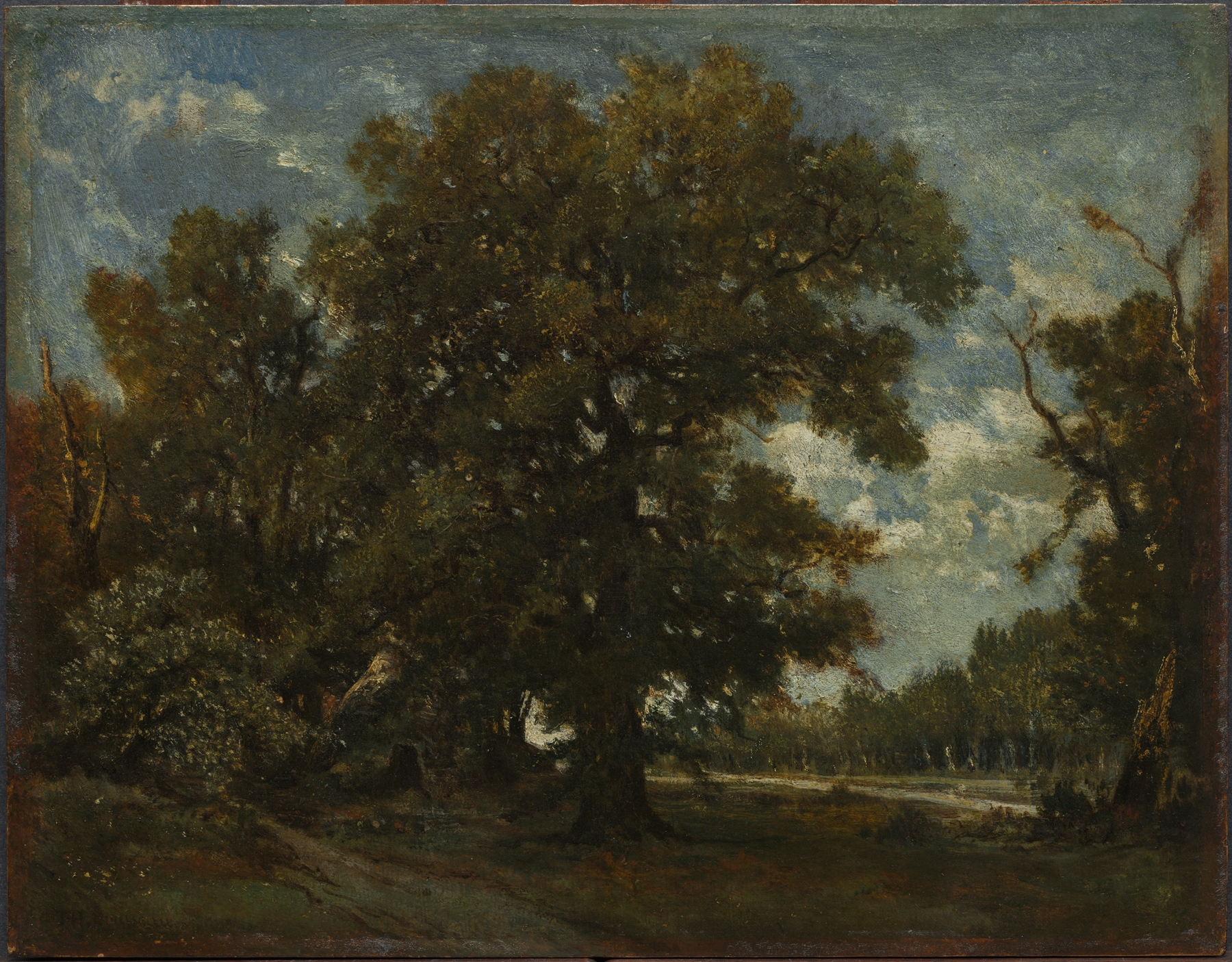
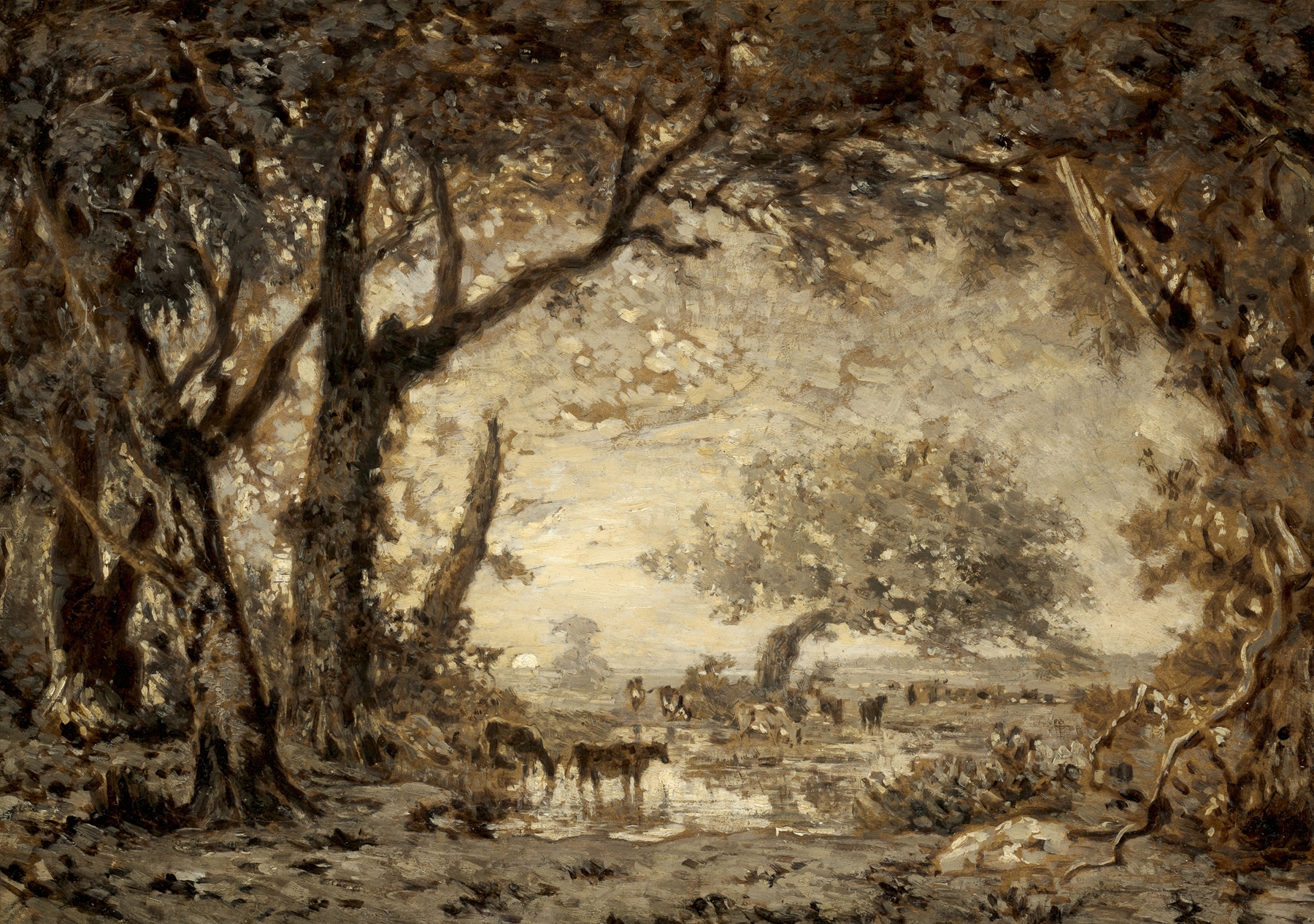
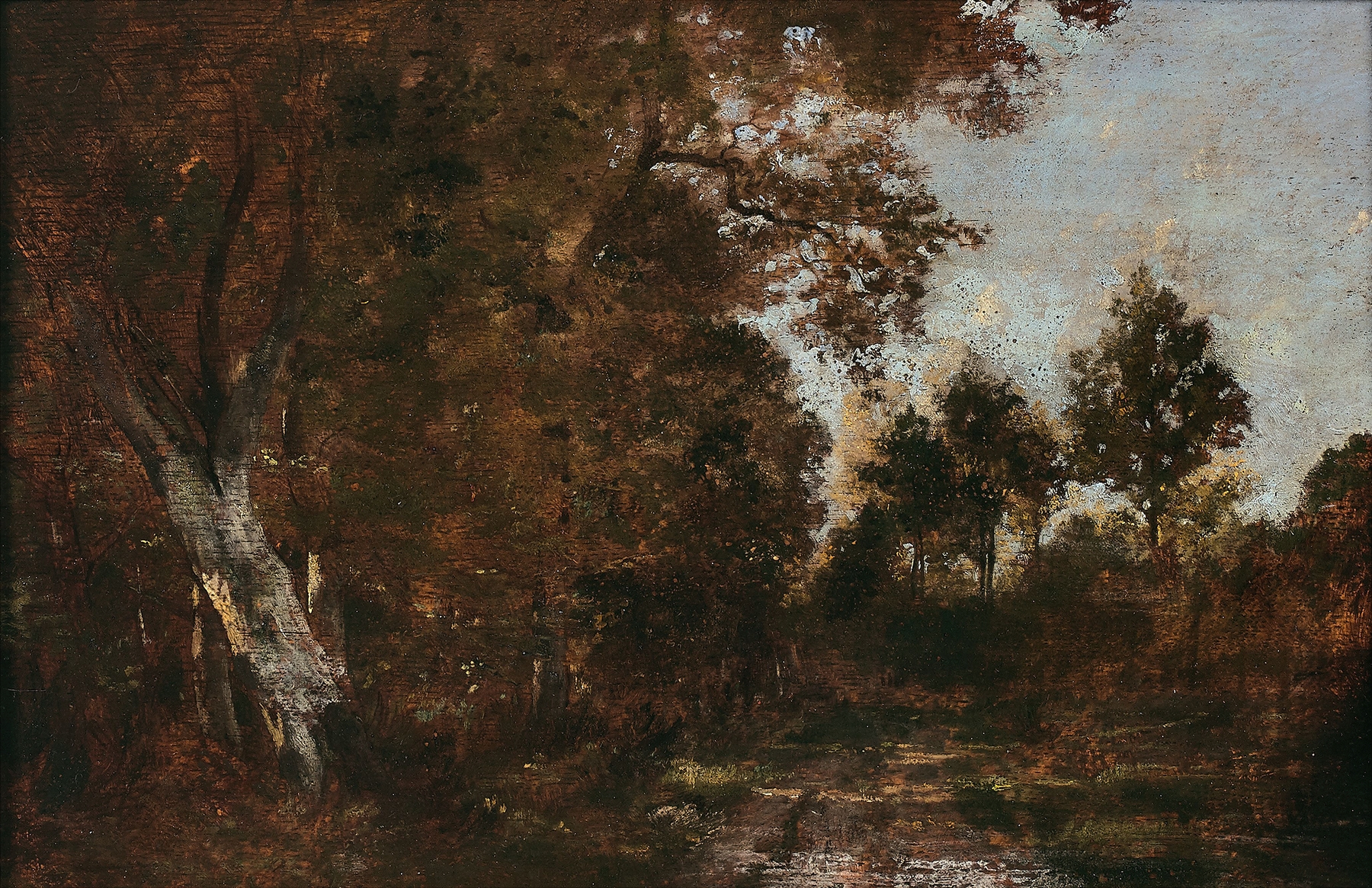
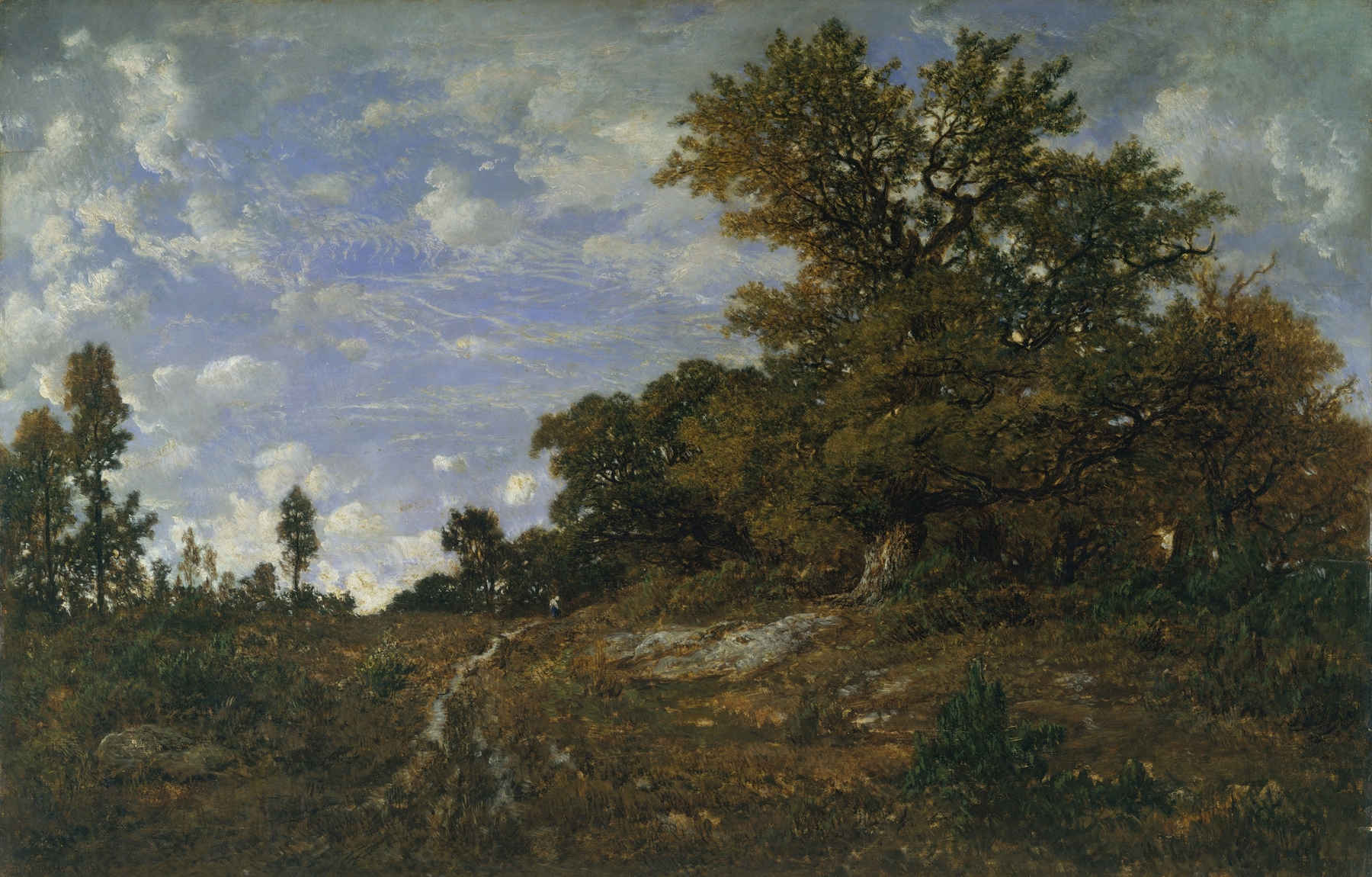
Can beauty exist without sorrow? In *The Edge of the Woods at Monts-Girard*, the haunting essence of nature becomes a mirror to our own introspections, where every tree stands as a sentinel of time, silently bearing witness to the interplay of light and shadow. Look to the left, where the dense foliage converges into a tapestry of greens and browns. The trees, in their towering majesty, lead your gaze deeper into the forest, inviting you to explore their secrets. Notice how the dappled sunlight filters through the leaves, casting a warm glow on the forest floor and creating a serene yet mysterious atmosphere. The brushwork is both detailed and loose, embodying the delicate balance between realism and impressionism that Rousseau masterfully captured. As you linger in this tranquil setting, consider the emotional weight of the scene. The edge of the woods teeters between light and dark, symbolizing a threshold between the known and the unknown. The contrast between the vibrant greens and the shadows evokes a sense of longing, reminding us of the hidden stories that lie just beyond our understanding. Every leaf and branch carries the weight of nature's beauty and the sorrow of its fleeting moments, challenging us to confront the complexities of existence. Created between 1852 and 1854, this work emerged during a pivotal moment in Rousseau's life as he navigated the evolving landscape of French art. Positioned within the Barbizon School, he embraced a deep appreciation for the natural world, a response to the industrialization encroaching upon rural landscapes. This painting not only reflects his personal struggles but also encapsulates a collective yearning for a connection to nature amidst societal change.