The Fallen Tree — History & Analysis
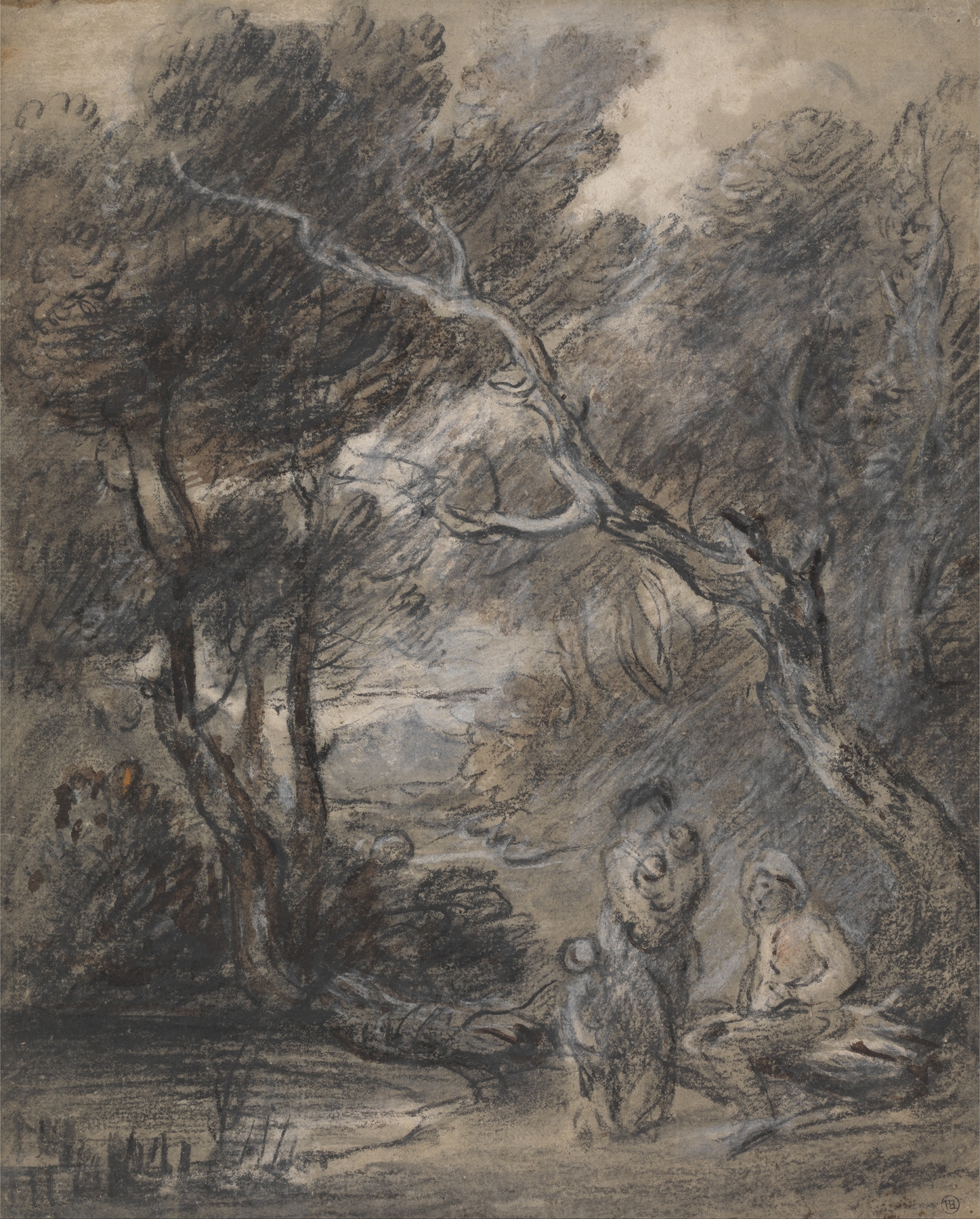
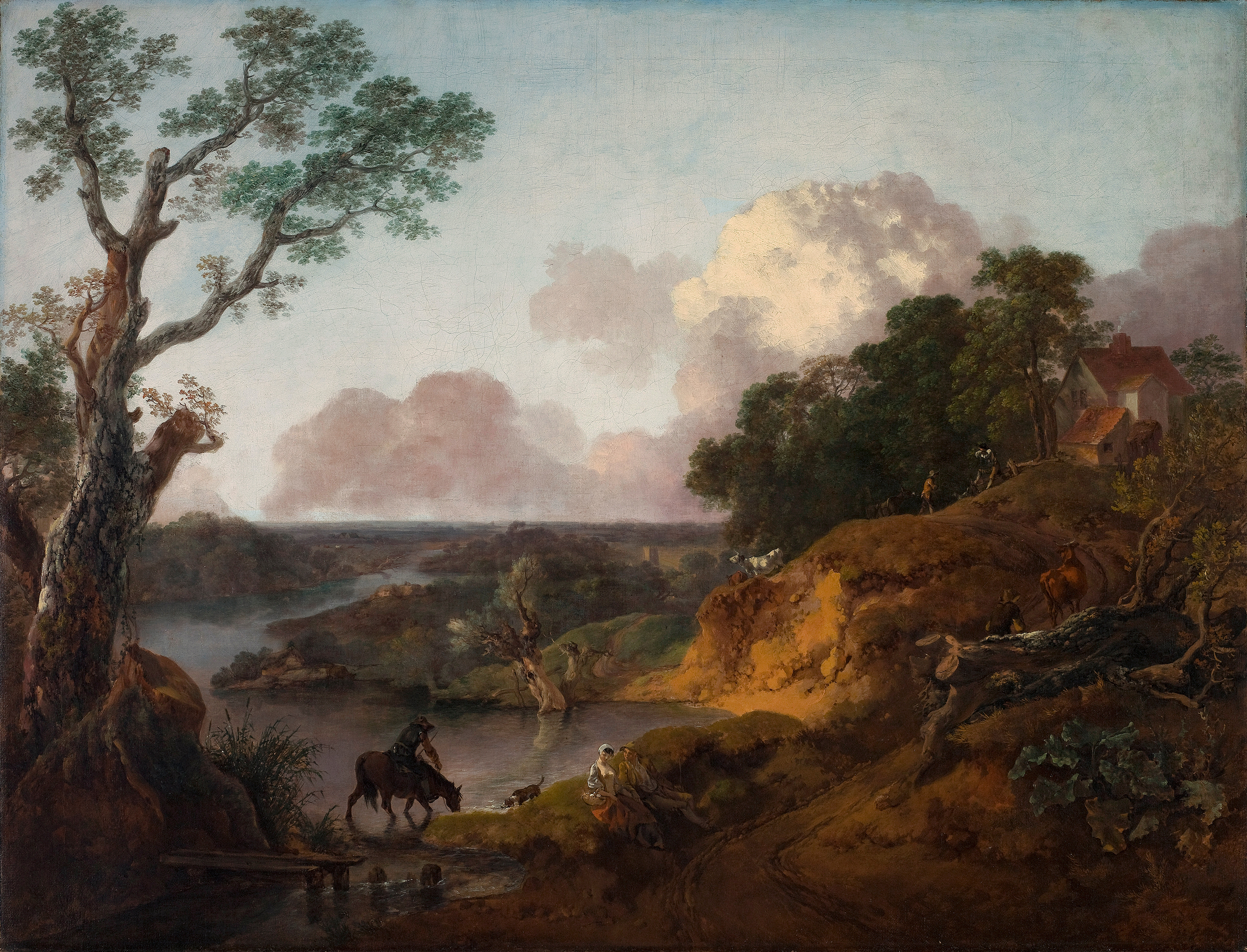
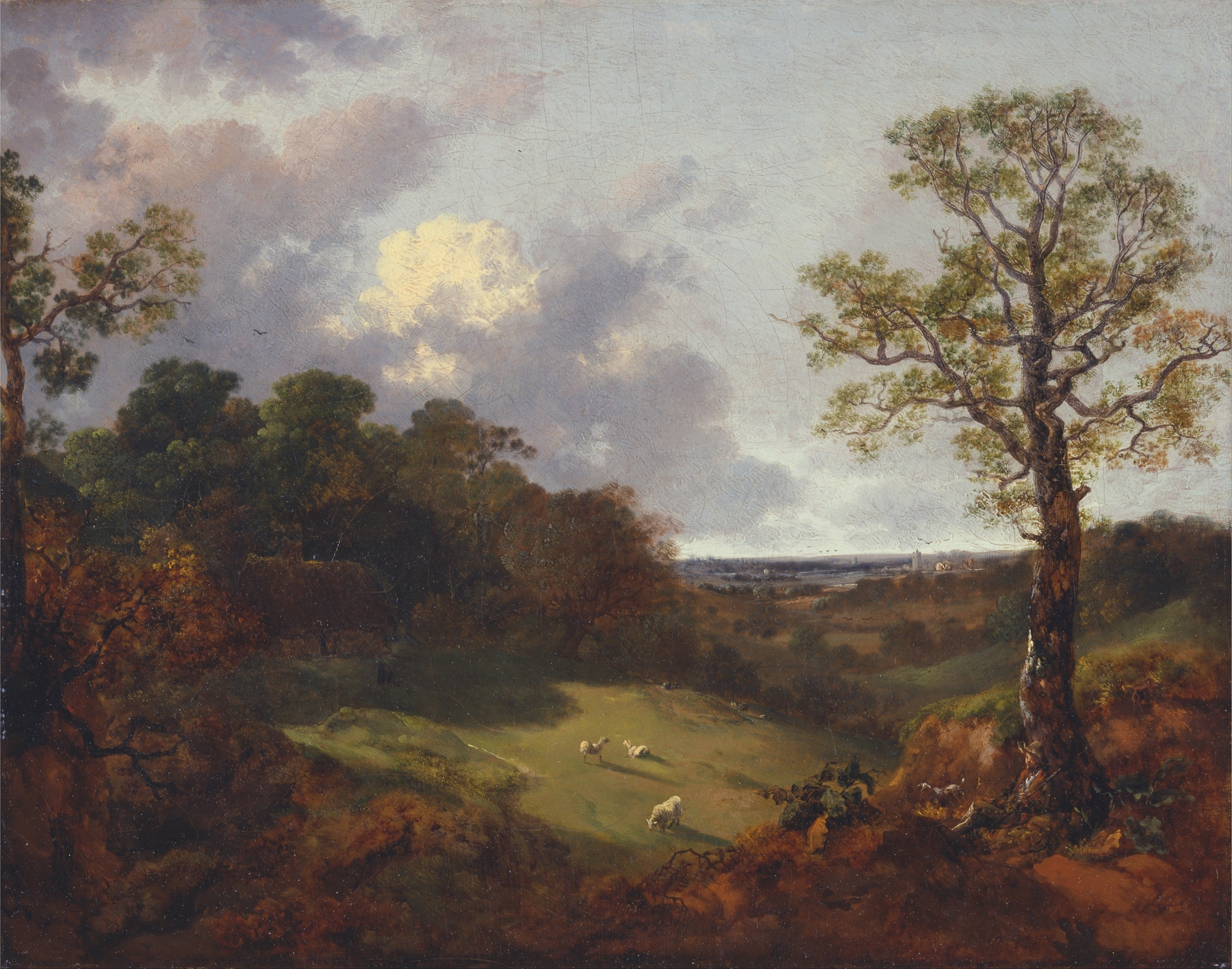
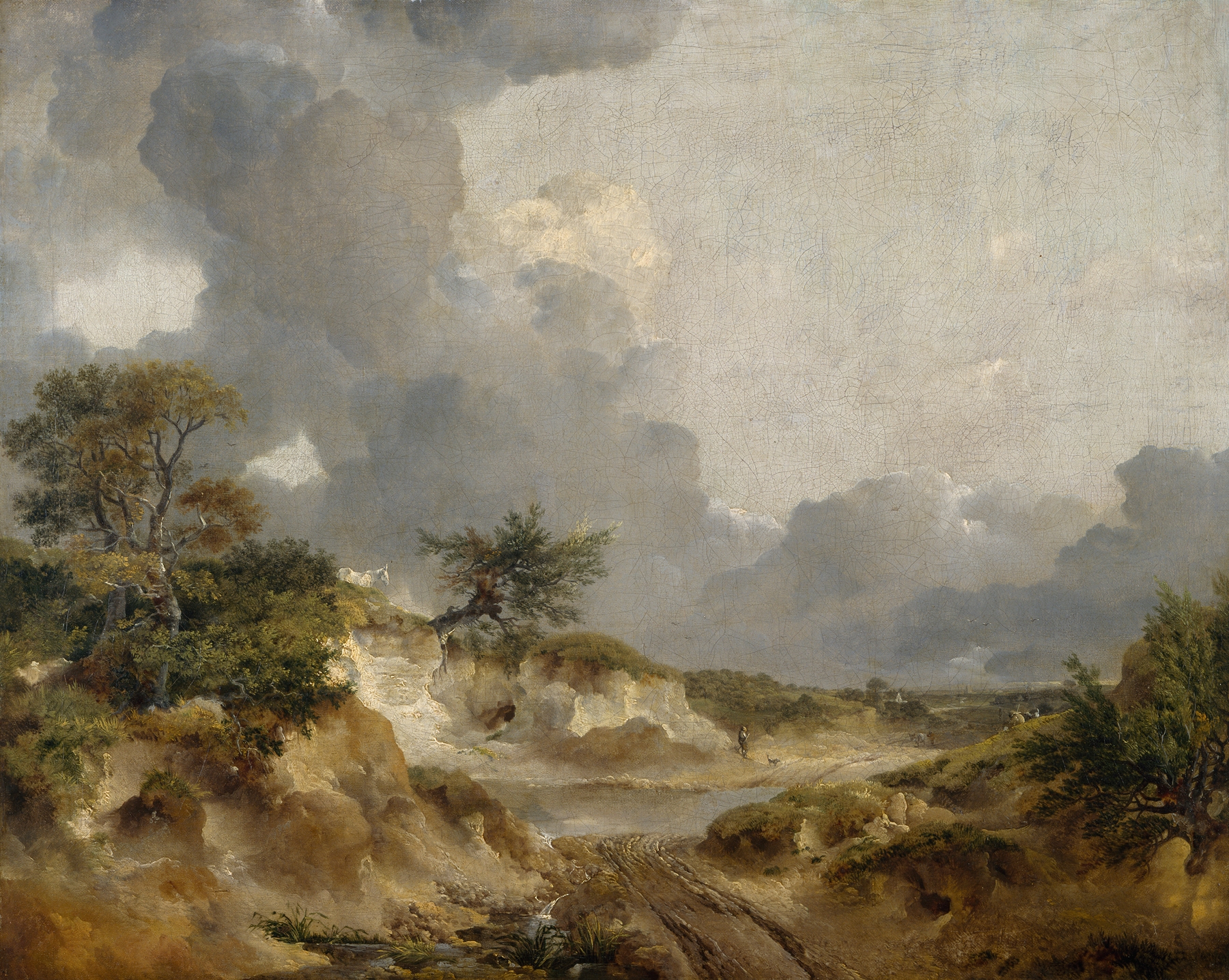
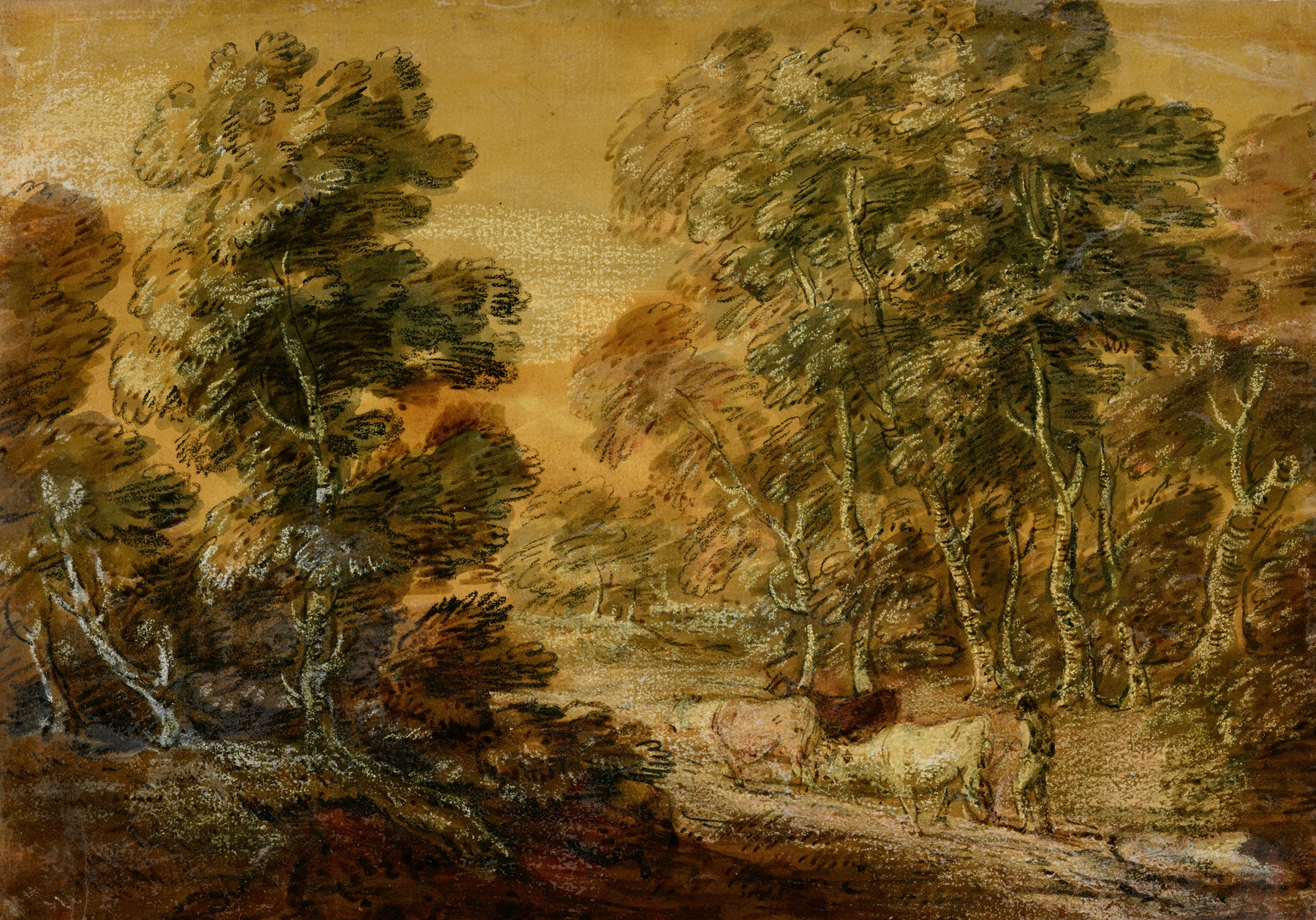
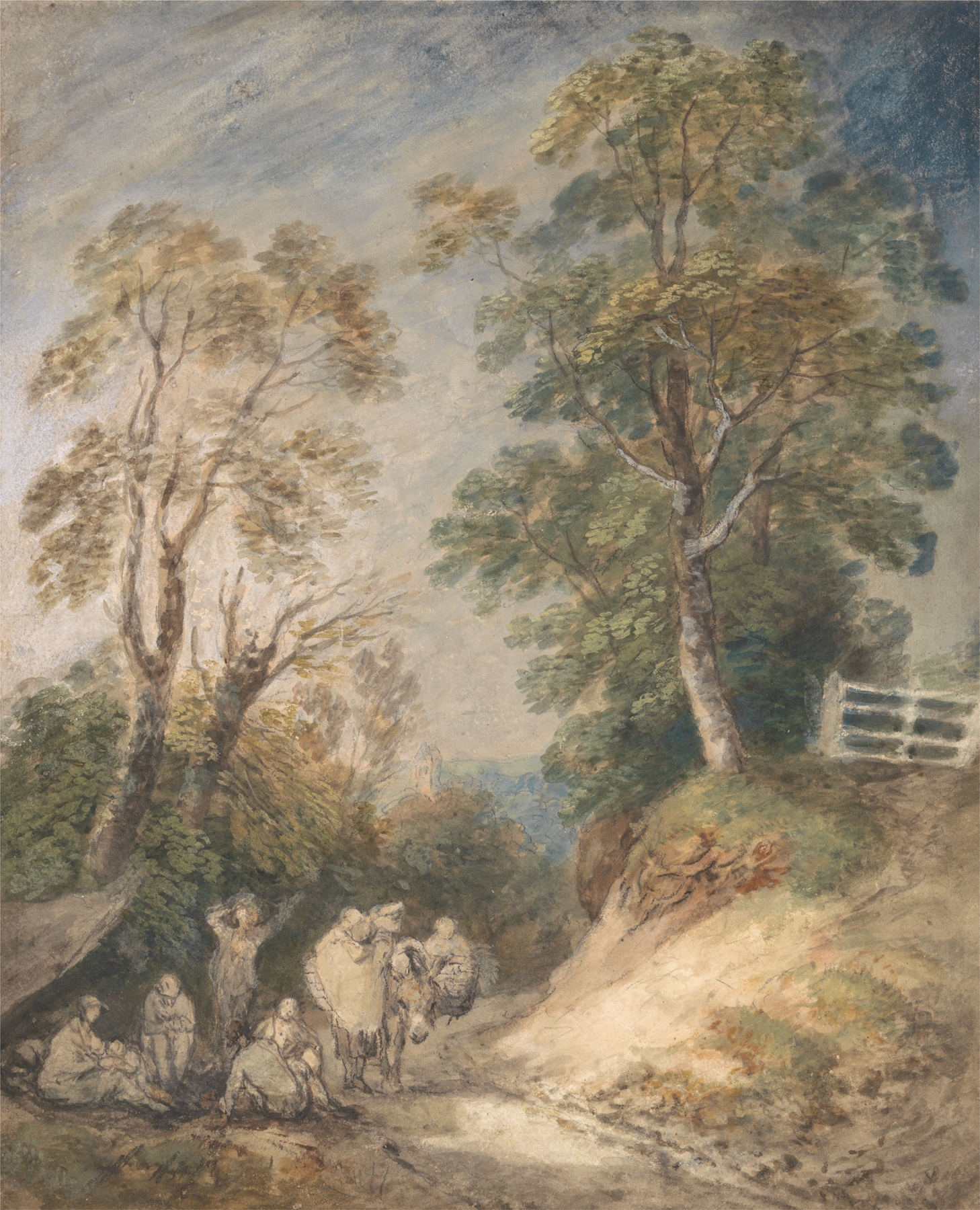
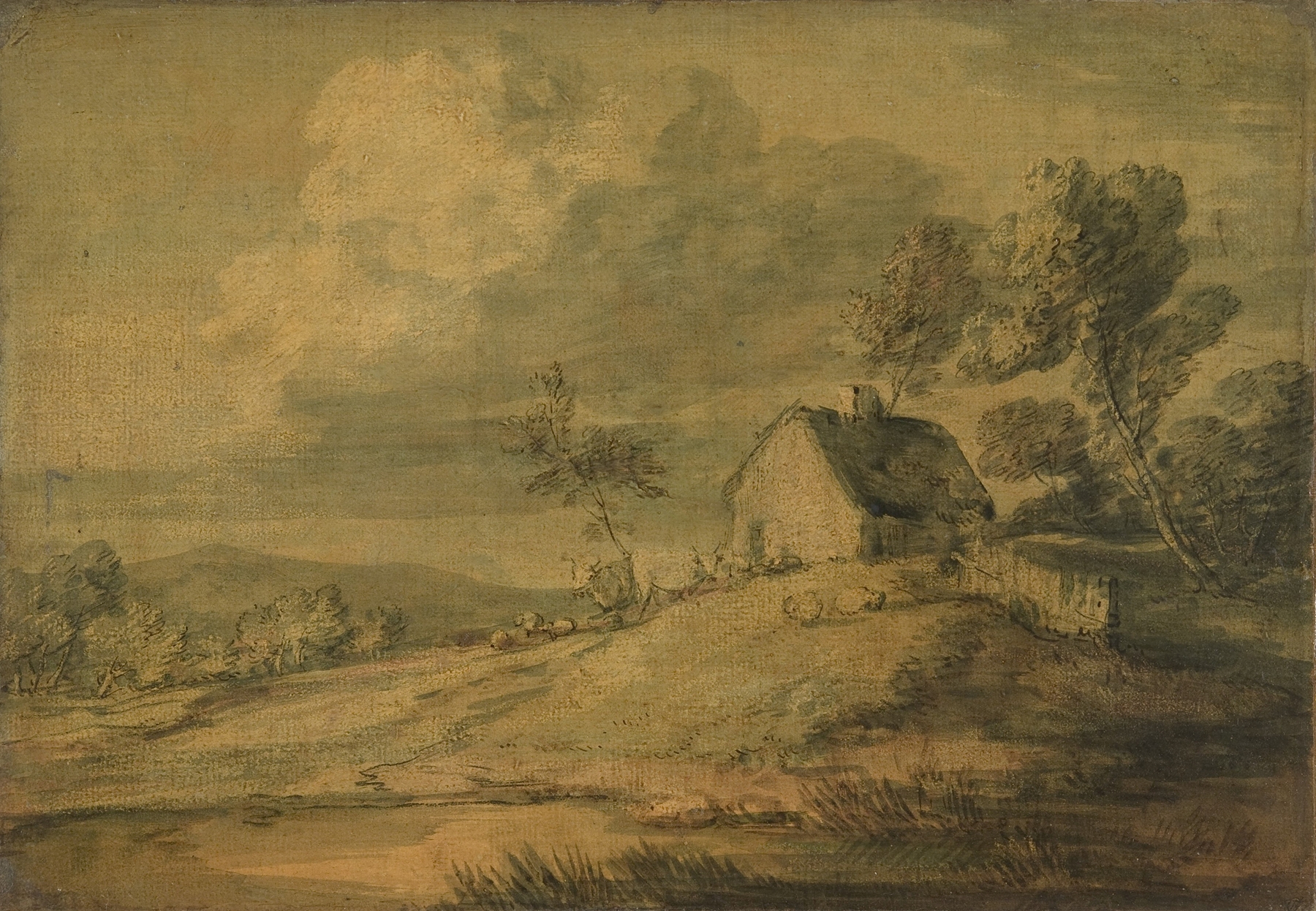
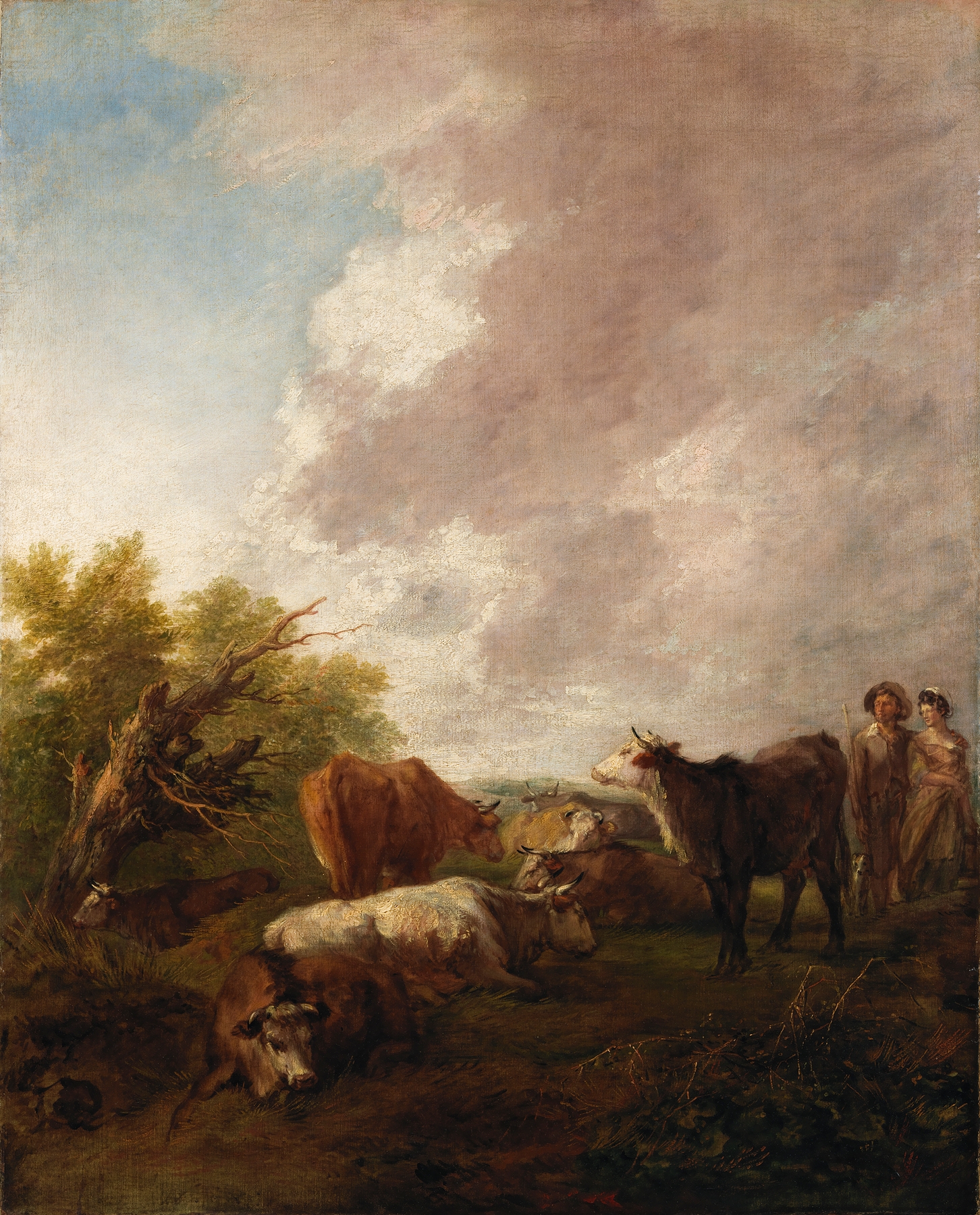
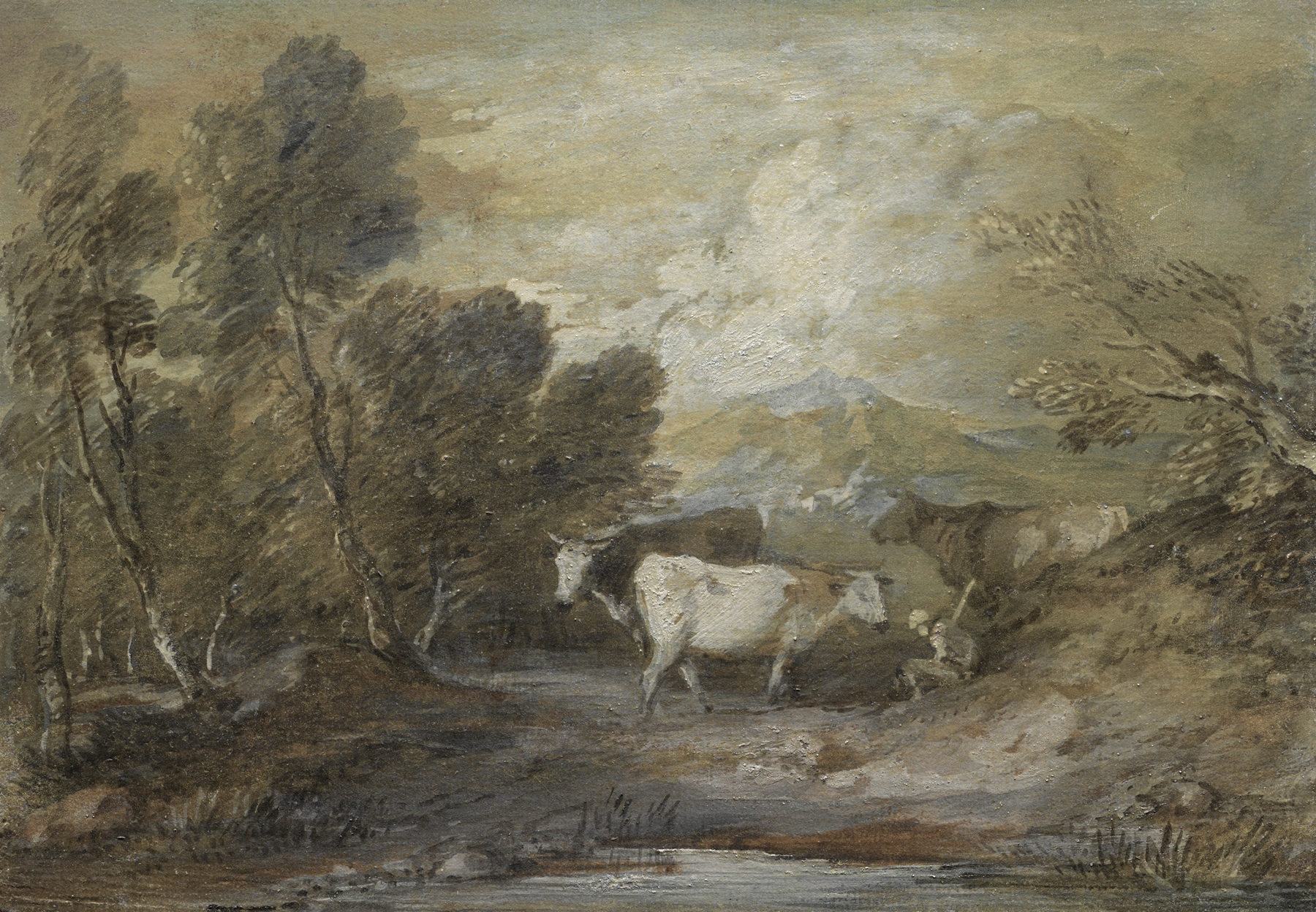
“Sometimes beauty is just pain, disguised in gold.” The interplay of light and shadow in this work reflects the duality of existence, suggesting that even the most serene landscapes can harbor untold stories of loss and transformation. Focus on the luminous play of sunlight cascading through the foliage, illuminating the fallen tree at the center of the canvas. The vibrant greens and earthy browns create a warm embrace, inviting the viewer to explore the natural environment surrounding this monumental figure. Notice how Gainsborough masterfully uses soft brushstrokes to convey texture, particularly on the tree’s bark, seamlessly blending it into the verdant undergrowth.
Yet, the fallen tree speaks of decay and change. Its proud form, now horizontal and vulnerable, contrasts starkly with the thriving life around it, evoking a sense of melancholy. The delicate flowers scattered at its base symbolize resilience and the beauty of rebirth, suggesting that even in defeat, nature has a way of healing and thriving anew. This duality of beauty and decay resonates deeply, encouraging reflection on the inevitable cycles of life.
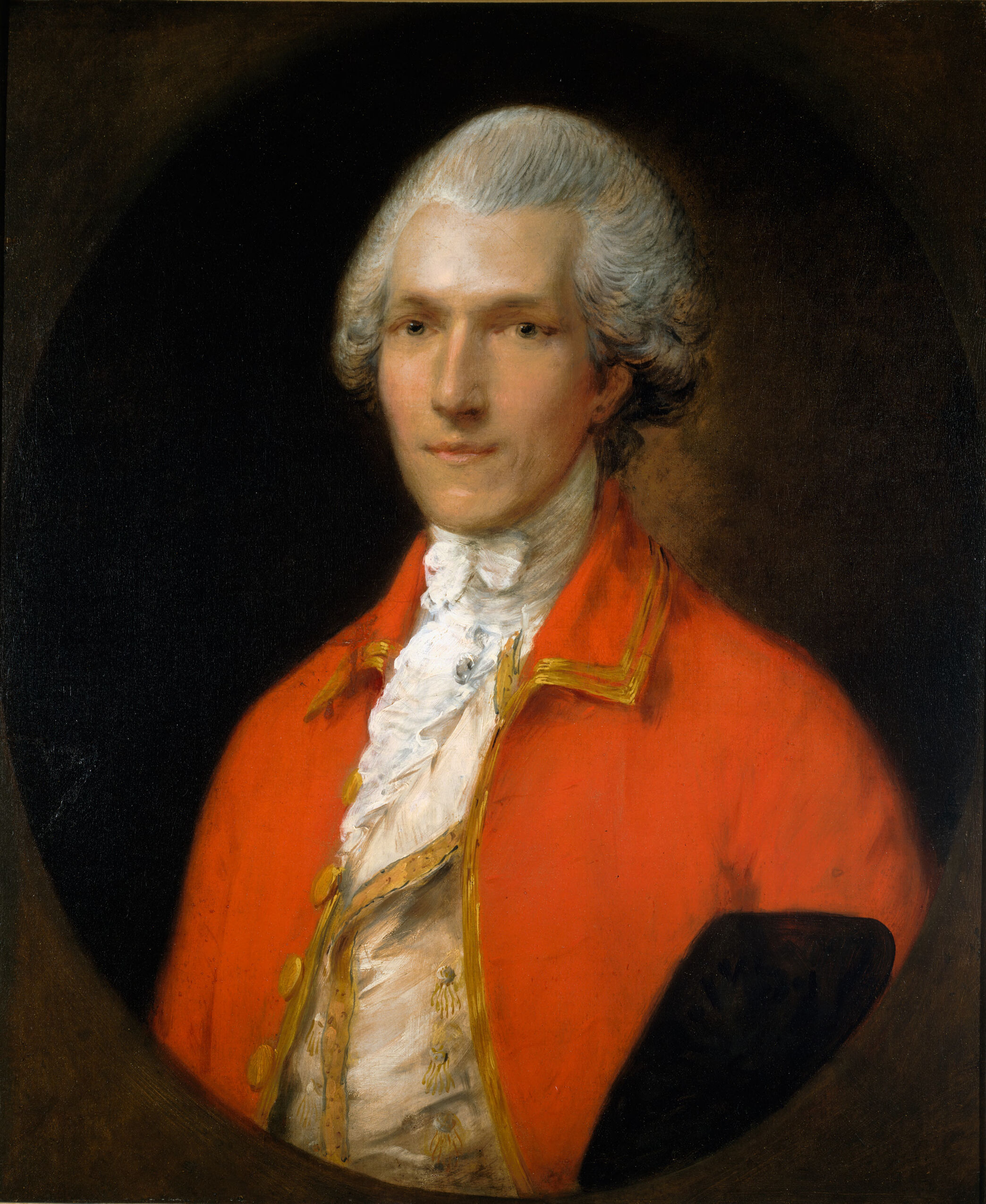
Created between 1750 and 1753, this piece marks a period of significant development for Gainsborough. Working in England during a time when the art scene was evolving, he was influenced by both the Rococo style and the emerging Romantic movement. His focus on nature and the emotional weight of ordinary scenes would later define his legacy, showcasing a keen ability to capture the essence of human experience through the lens of the natural world.