The Farmhouse — History & Analysis
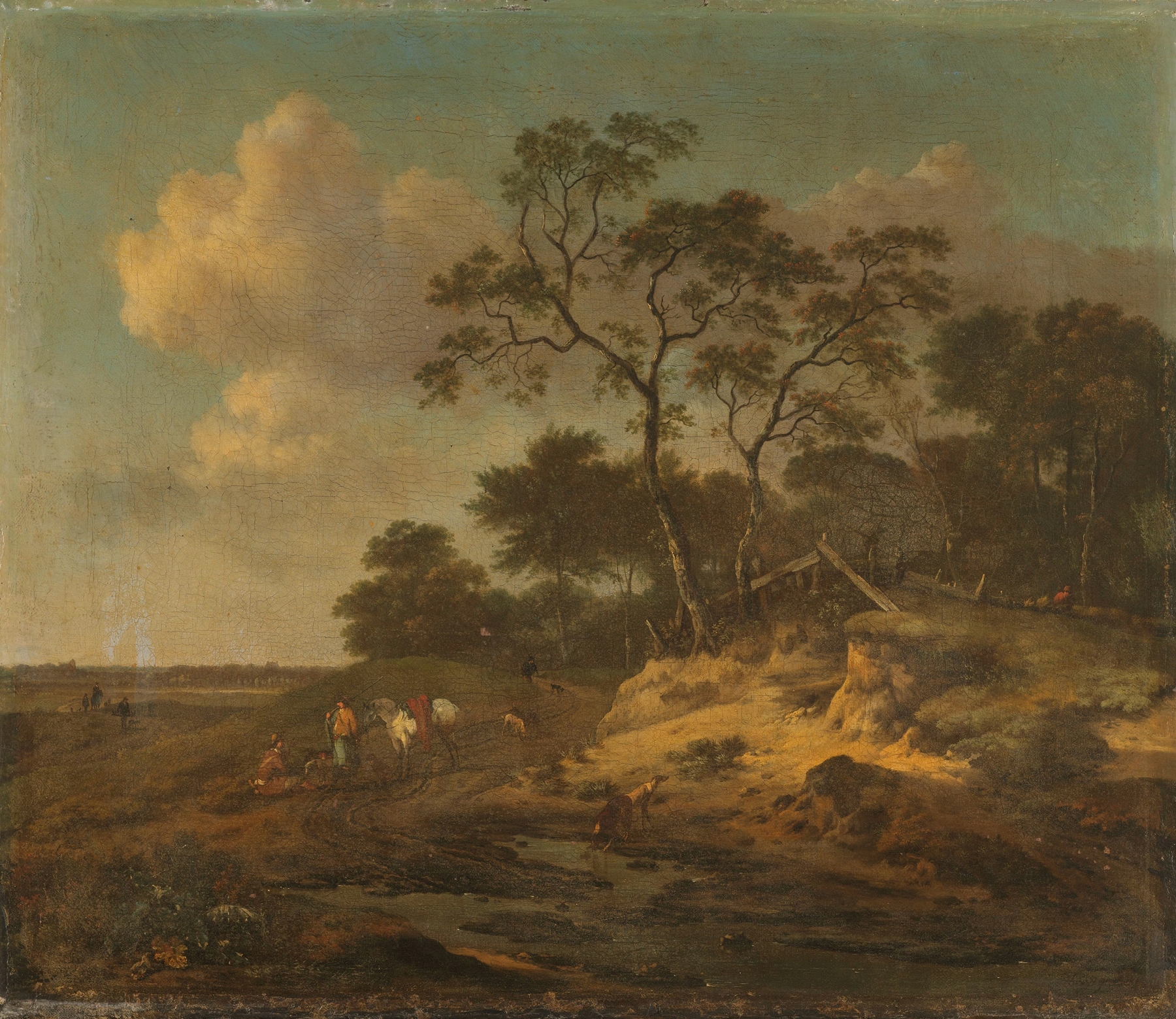
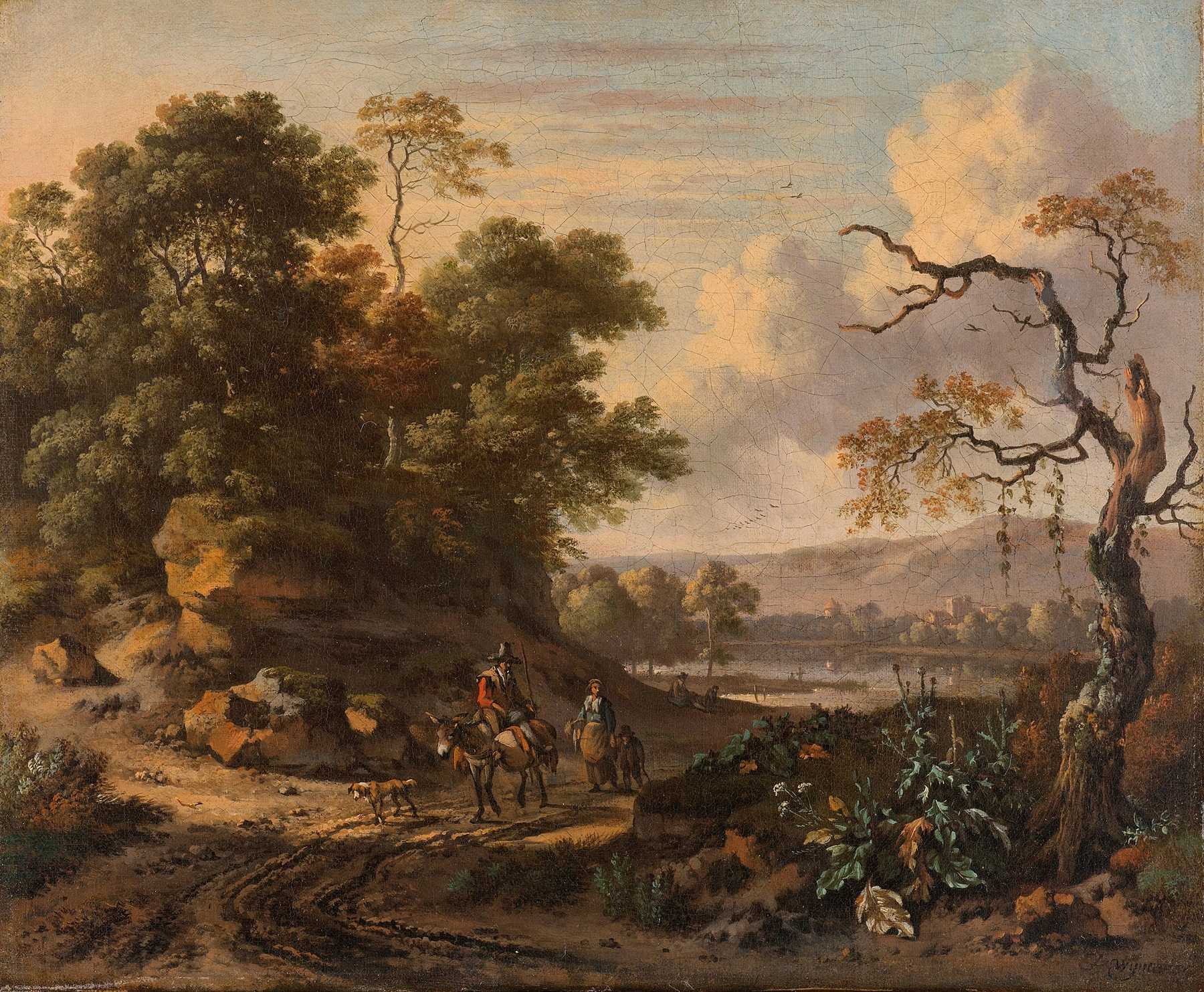
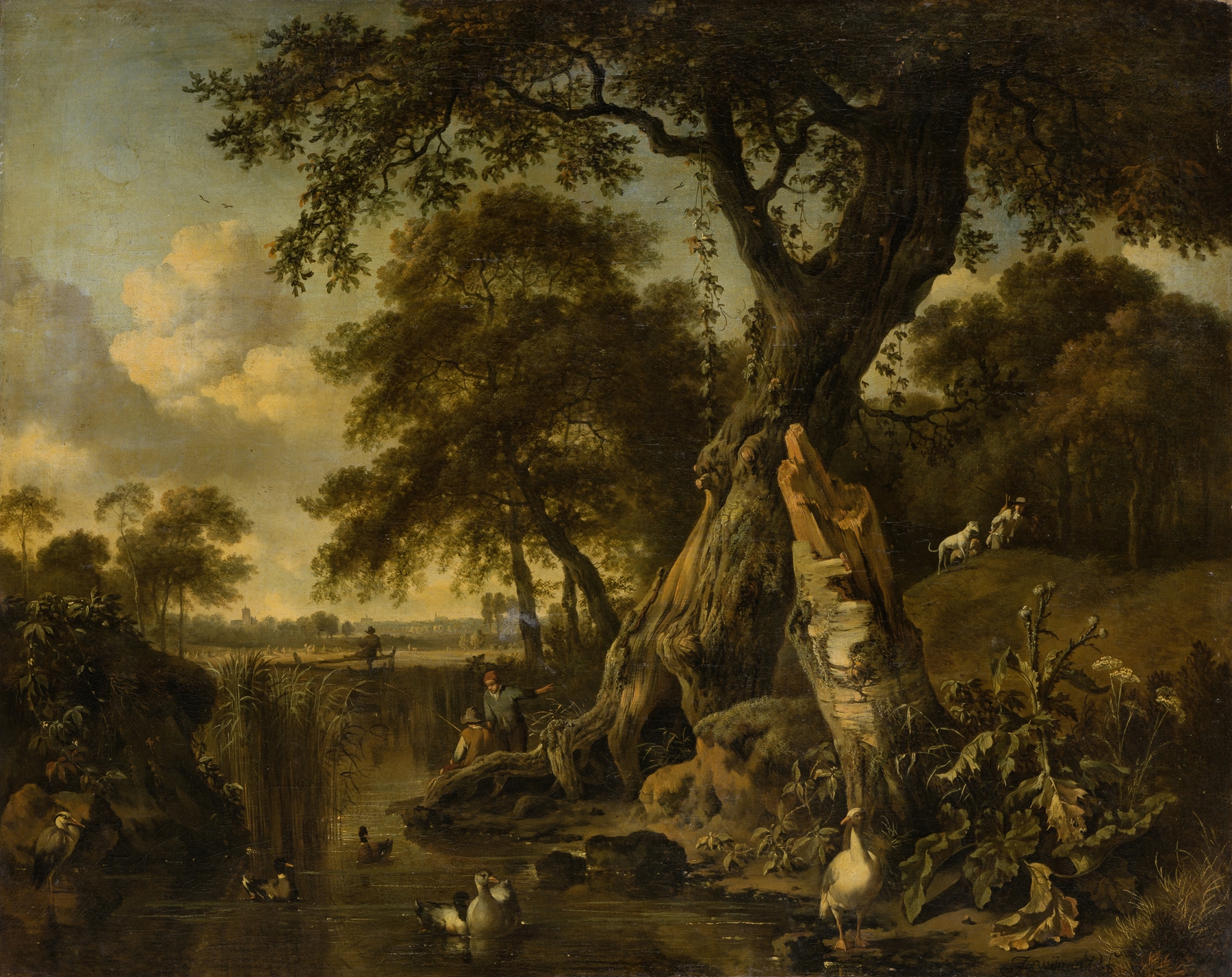
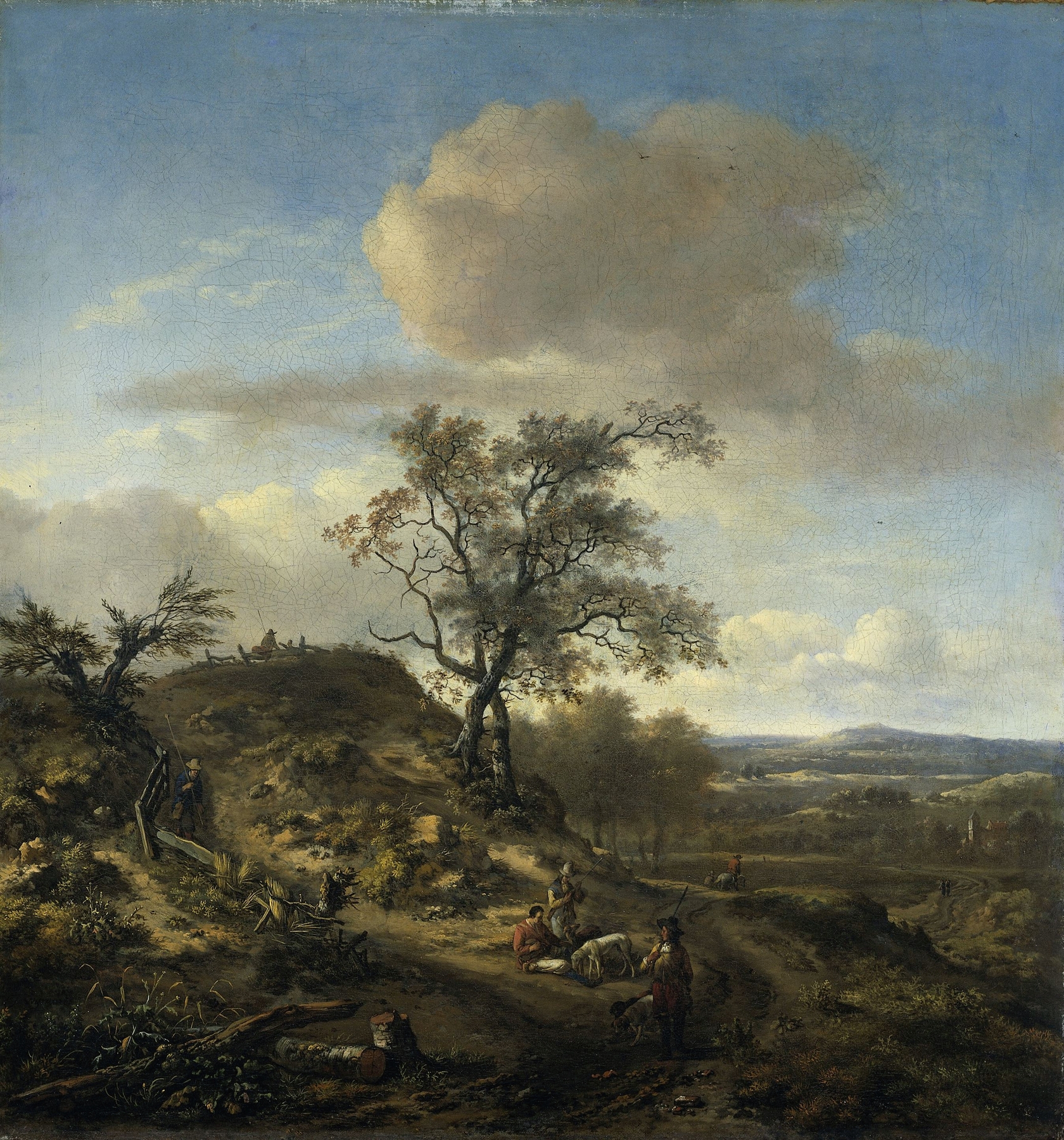
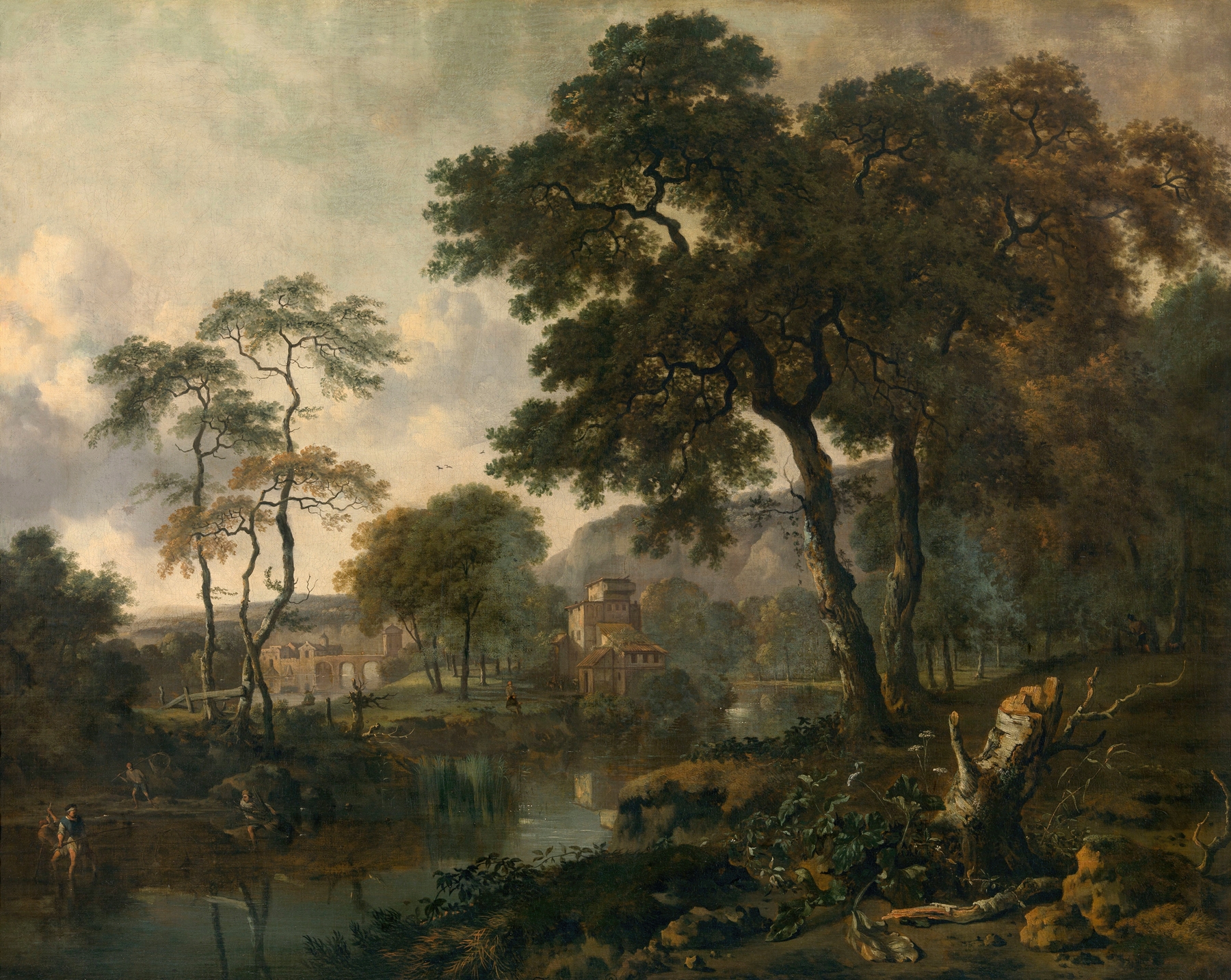
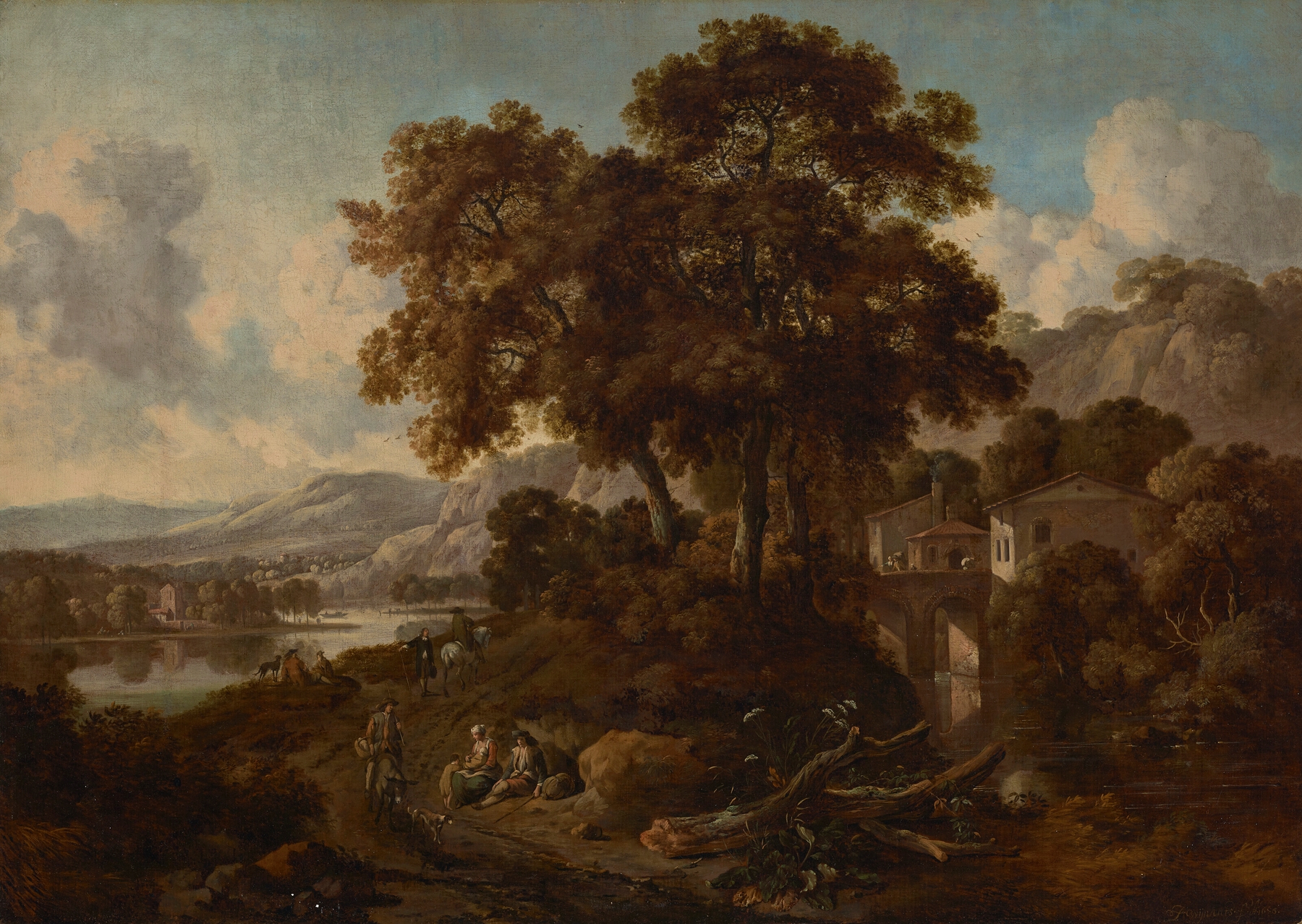
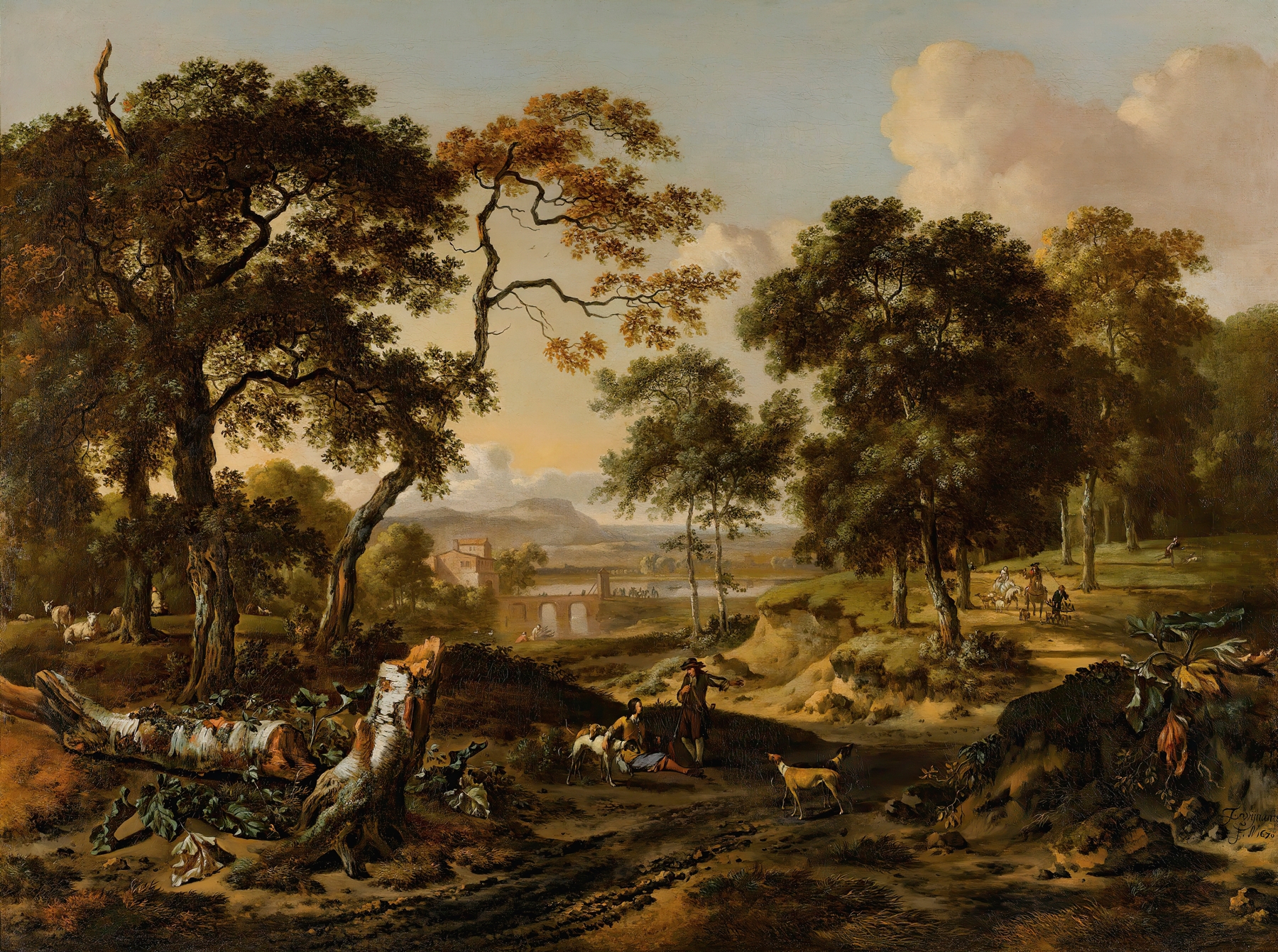
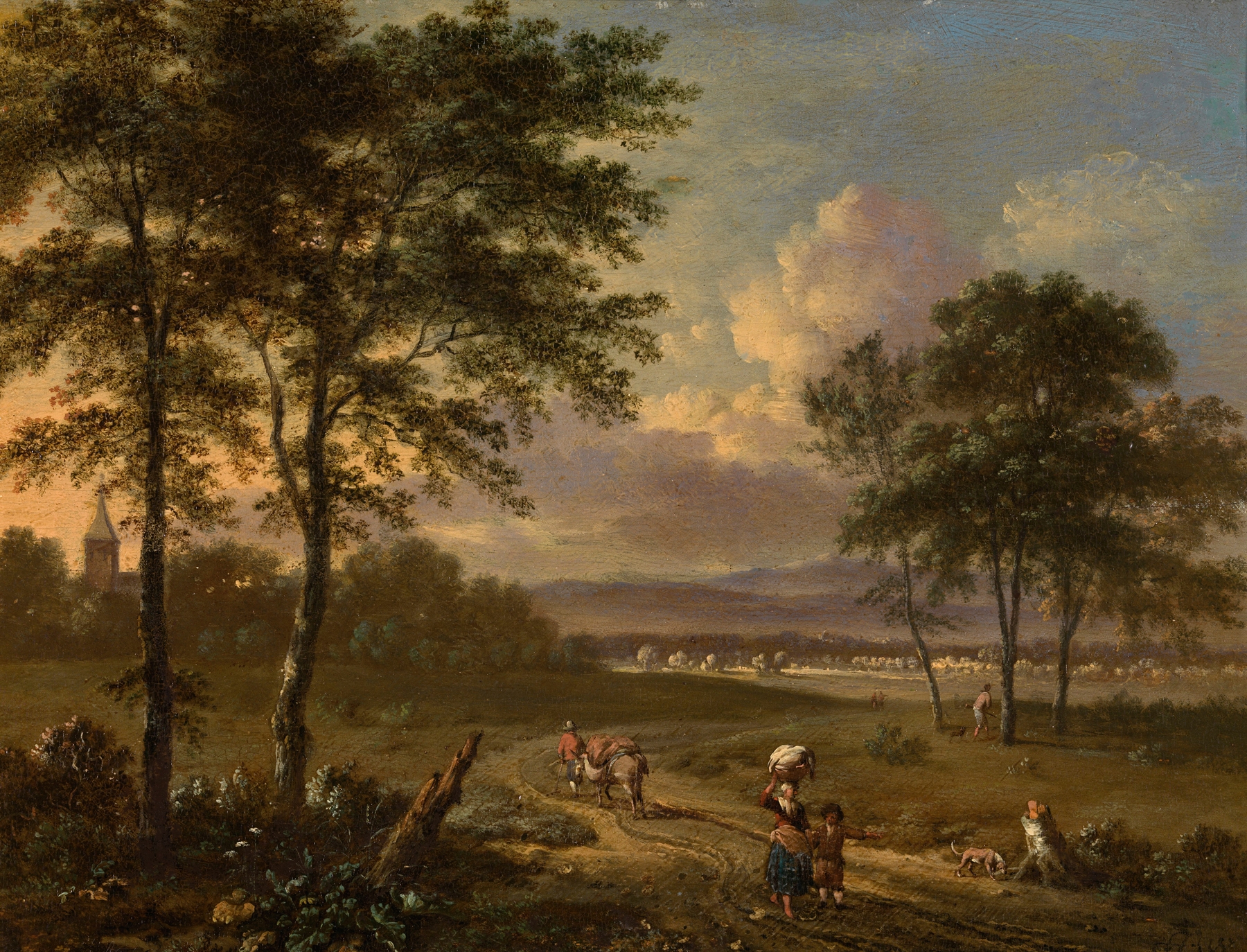
Did the painter know this moment would outlive them? In The Farmhouse, Jan Wijnants captures a slice of rural life, inviting us to ponder the legacy of simple moments, forever bound to canvas. Look to the left at the sturdy farmhouse, its walls painted in warm ochres that reflect the sun's embrace. The thatched roof, with its subtle earthy tones, softly merges with the surrounding landscape. Notice how the verdant green of the fields contrasts with the muted browns of the structure, crafting a balance that feels both serene and grounded.
The gentle flow of the composition draws our eyes across the scene, creating a sense of harmony and continuity, while dappled sunlight dances on the surfaces, suggesting the passage of time. Delve deeper into the painting's emotional undercurrents. The figures in the foreground, working diligently, evoke a blend of diligence and contentment, hinting at the cyclical nature of rural life. The lively clouds above seem to whisper of change, perhaps alluding to the inevitable march of time, yet the steadfastness of the farmhouse stands in stark contrast, symbolizing permanence amid the transient.
Each brushstroke reflects the artist's reverence for a life that is rich yet often unnoticed, weaving a narrative of legacy into the fabric of everyday existence. Painted between 1655 and 1684, Wijnants created this work during a period of shifting artistic influences in the Netherlands, which saw a growing appreciation for landscape painting and genre scenes. As the art world embraced realism, the artist experimented with light and texture, focusing on nature’s beauty and the harmony of rural life. This painting reflects both his personal journey and the broader societal fascination with capturing the essence of ordinary moments that resonate through time.