The flight into Egypt — History & Analysis
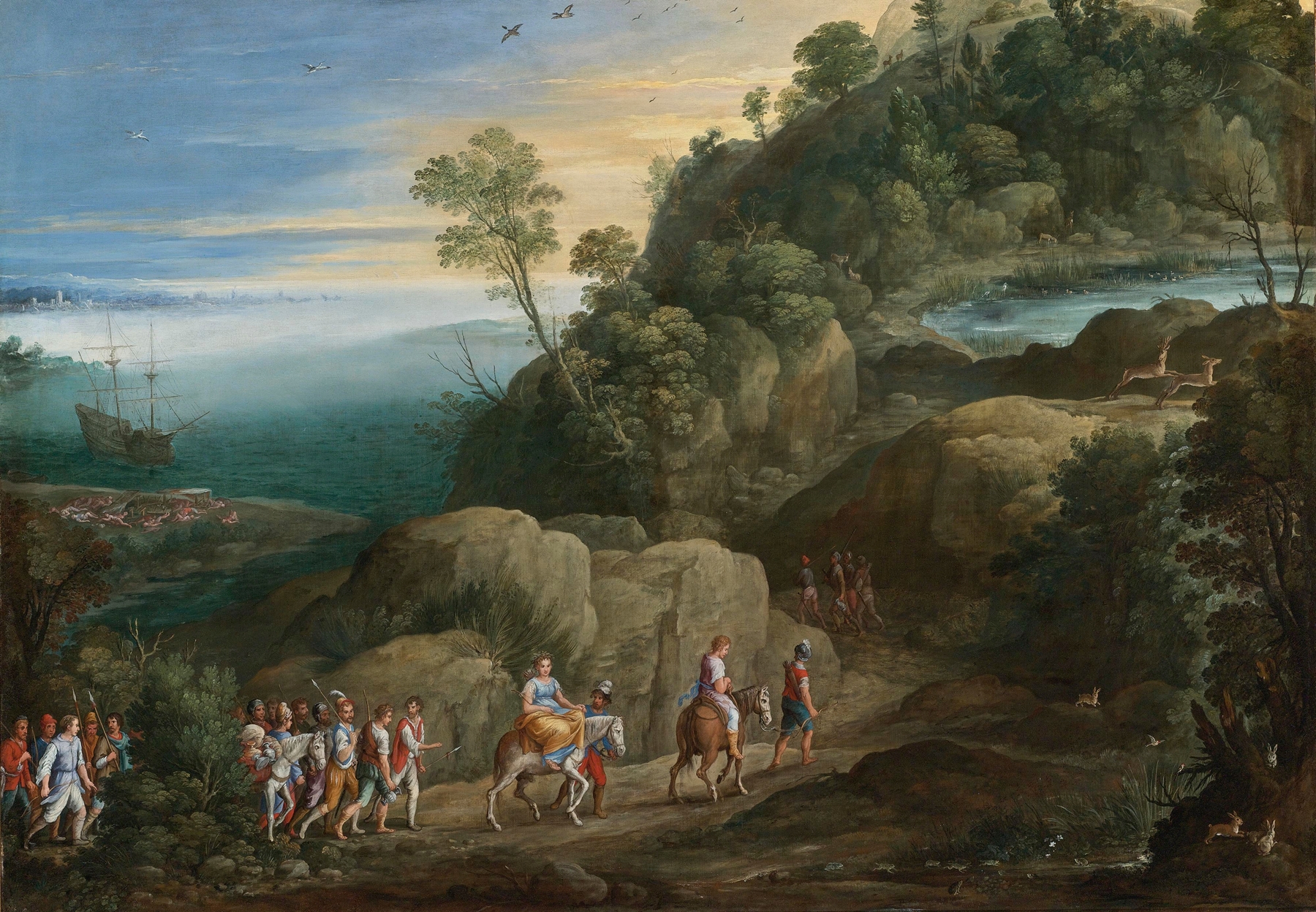
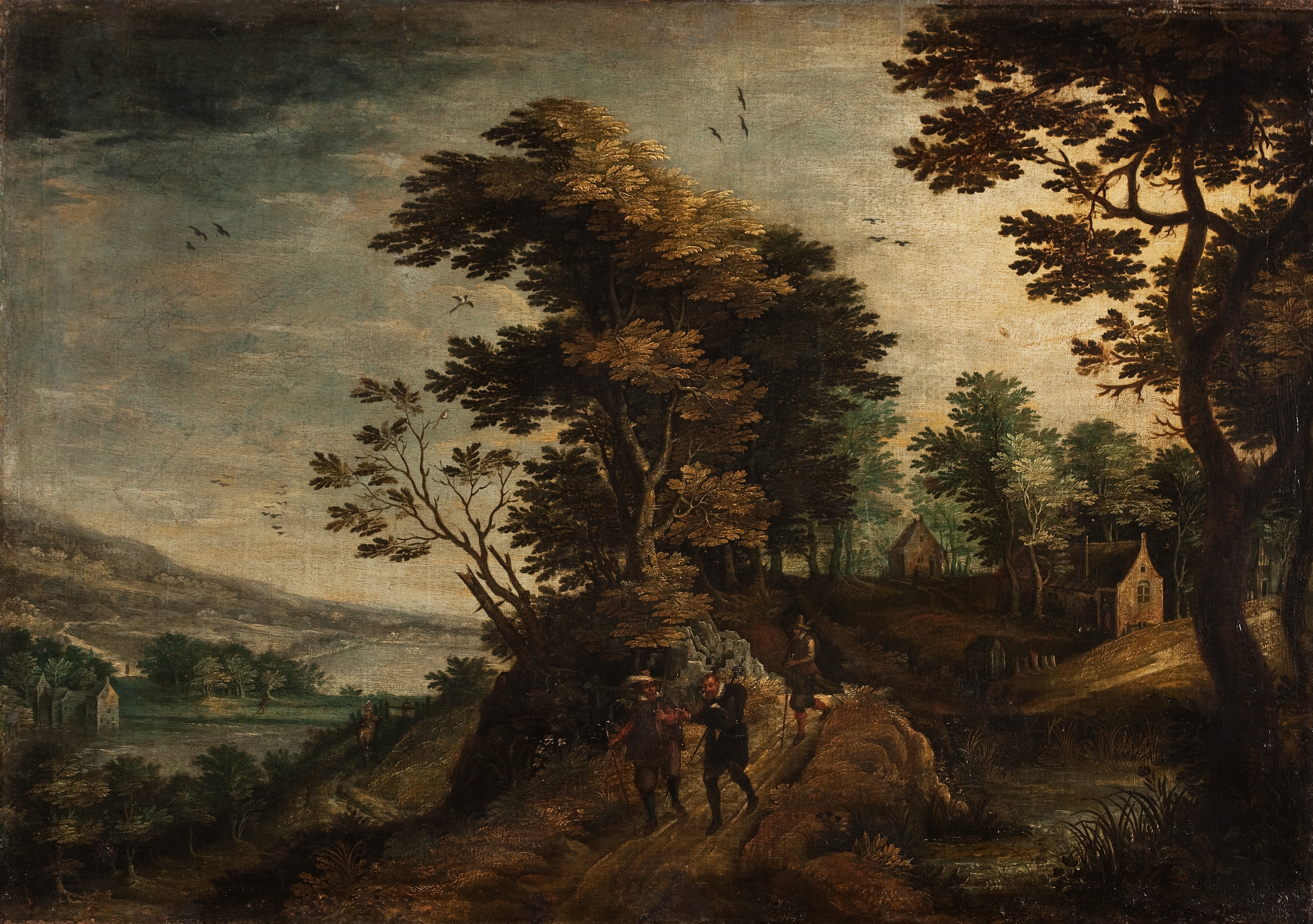
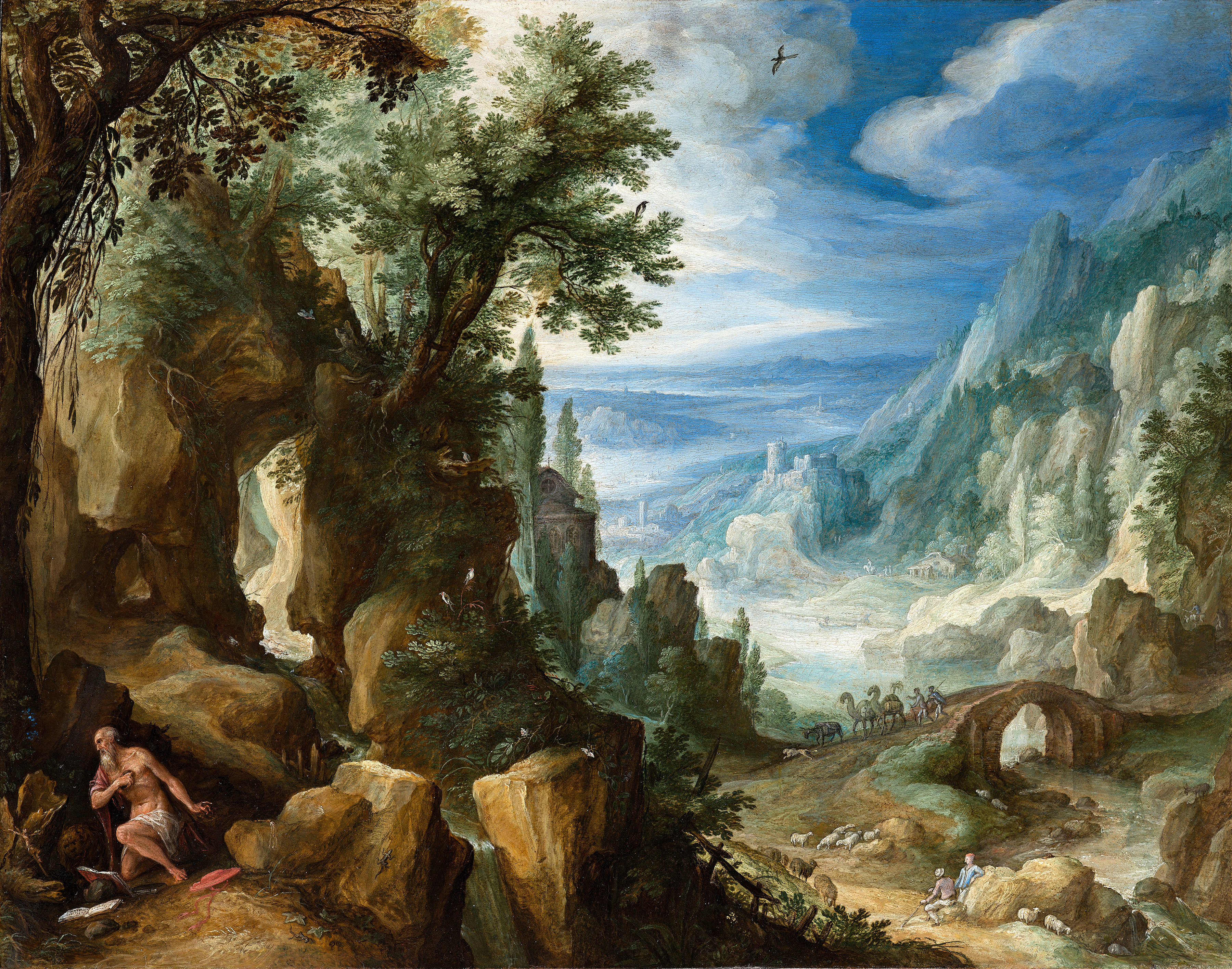
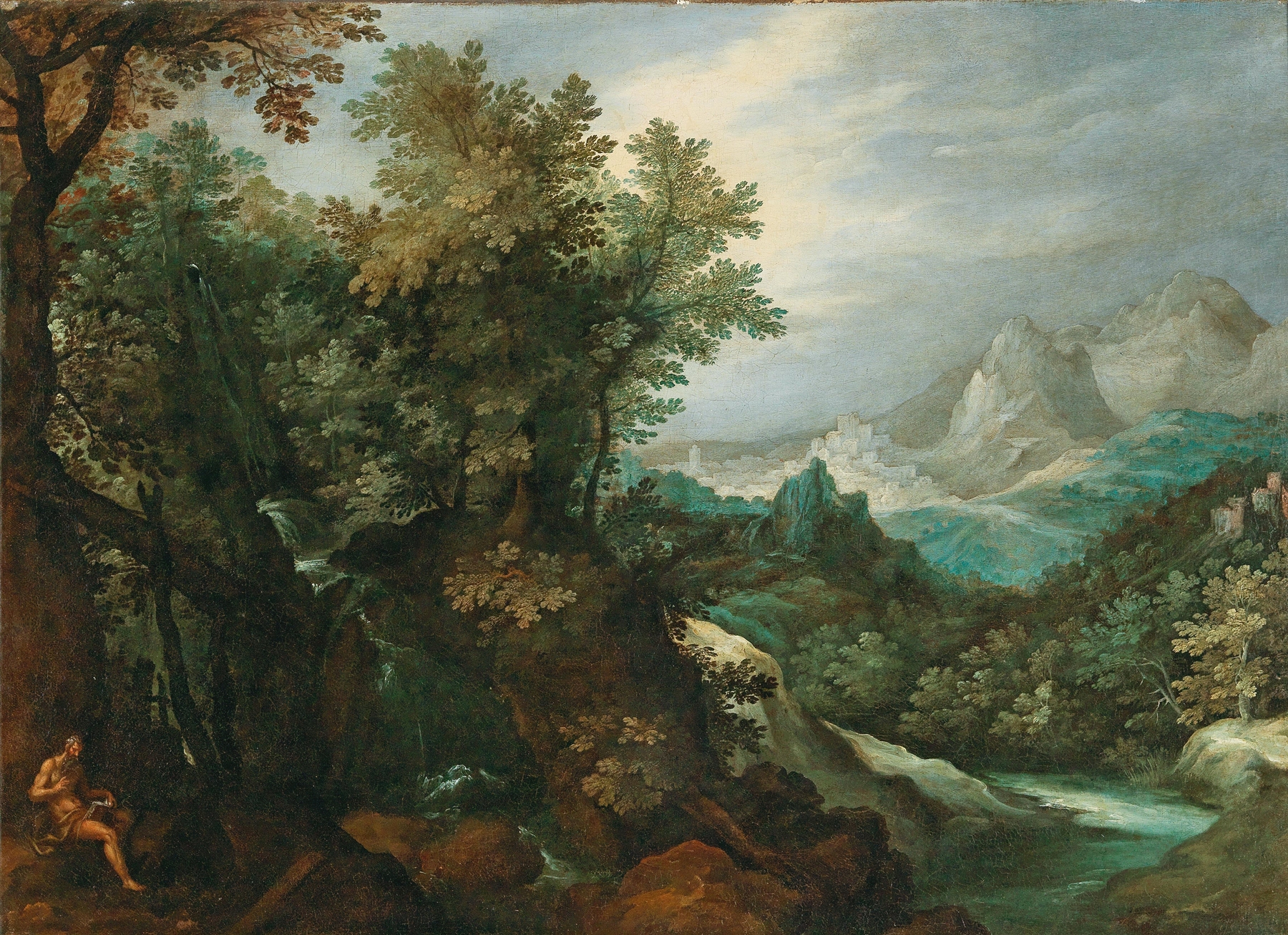
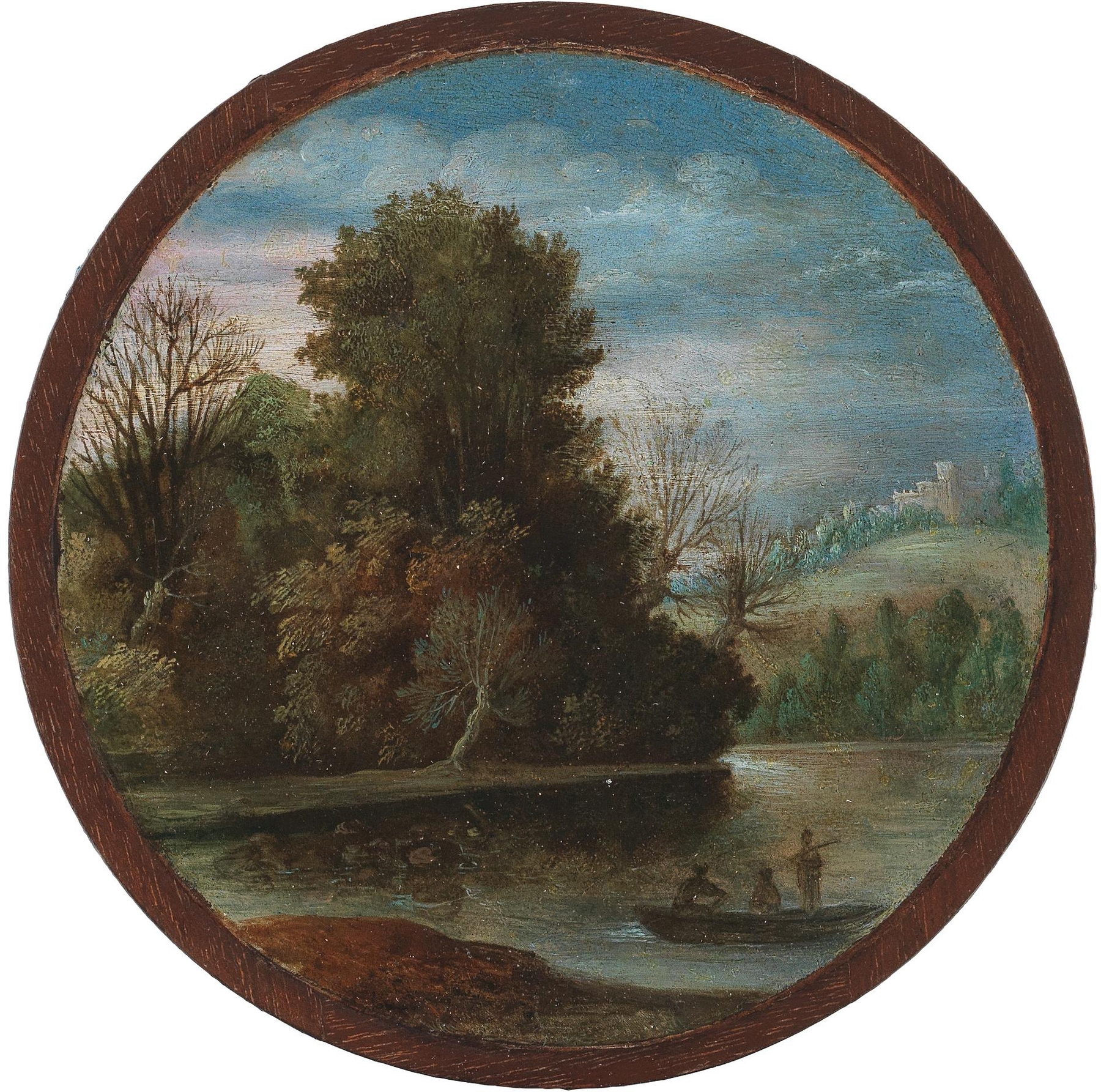
Is this a mirror — or a memory? The tranquil landscape captures a fleeting moment of serenity, inviting us to reflect on the interplay between nature and the divine. Look to the foreground where soft greens and gentle browns blend seamlessly, leading our gaze towards the winding pathway. Notice how the delicate brushstrokes depict the figures of Mary, Joseph, and the child, cradled within the embrace of a vibrant, verdant world.
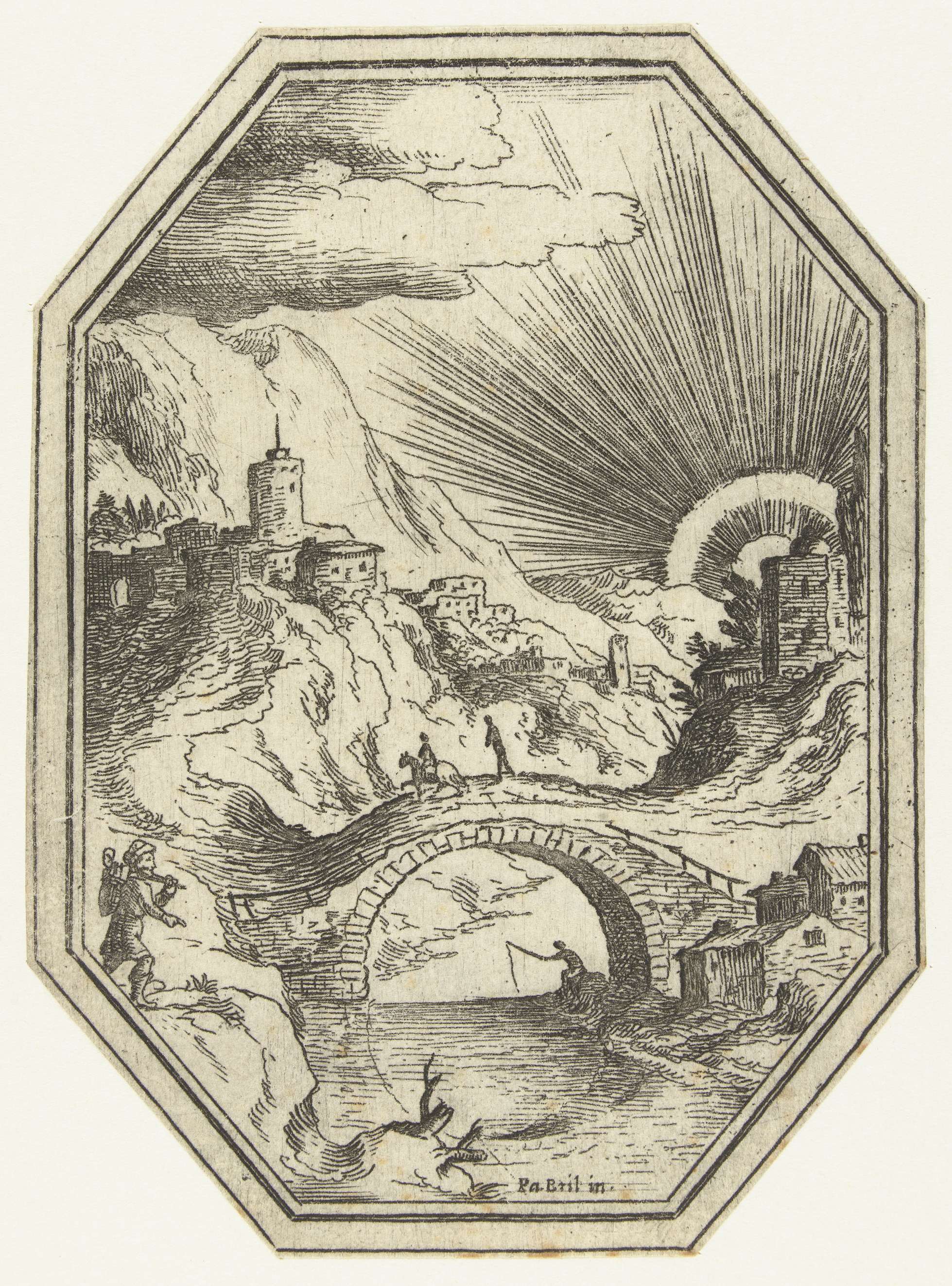
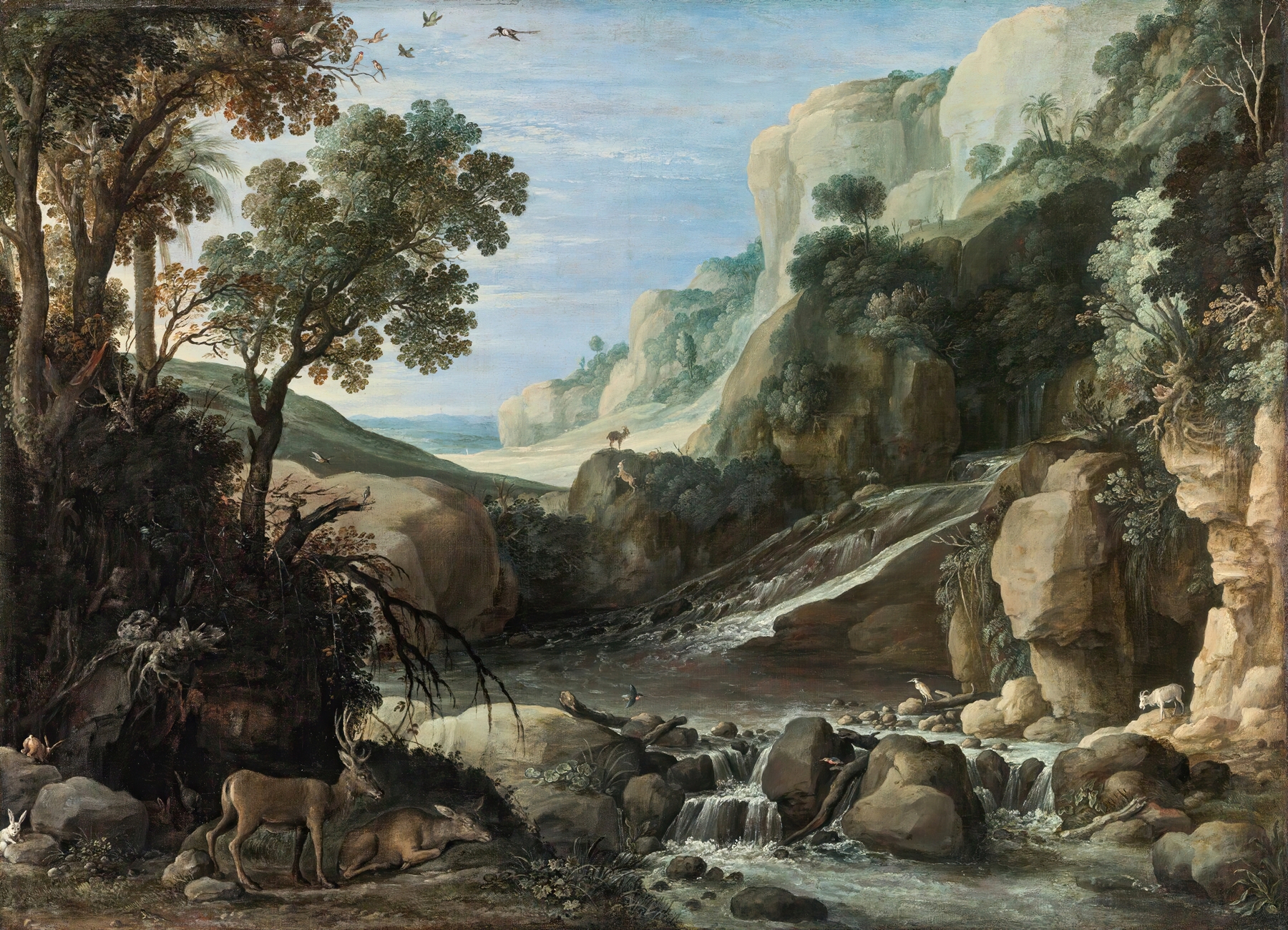
The play of light across the scene creates a warm atmosphere, illuminating the faces of the holy family while casting long, soft shadows that whisper of their journey. As we delve deeper, subtle contrasts emerge: the human struggle against the backdrop of a vast, open sky, which speaks to both vulnerability and hope. The serene waters along the path mirror the tranquility of their journey, yet ripple with the potential for change. The looming mountains embrace the travelers, reflecting the duality of protection and challenge, inviting the viewer to consider the burdens they carry and the faith that propels them forward.
In 1613, Paul Bril painted this masterpiece during a time of burgeoning artistic exploration in Flanders. Merging the realms of landscape and religious narrative, he found himself at the crossroads of tradition and innovation, capturing not only the beauty of the physical world but also the profound spiritual journey of his subjects. This period marked a growing interest in emotional resonance within art, a theme that Bril embraced with elegance and depth.