The Flight into Egypt — History & Analysis
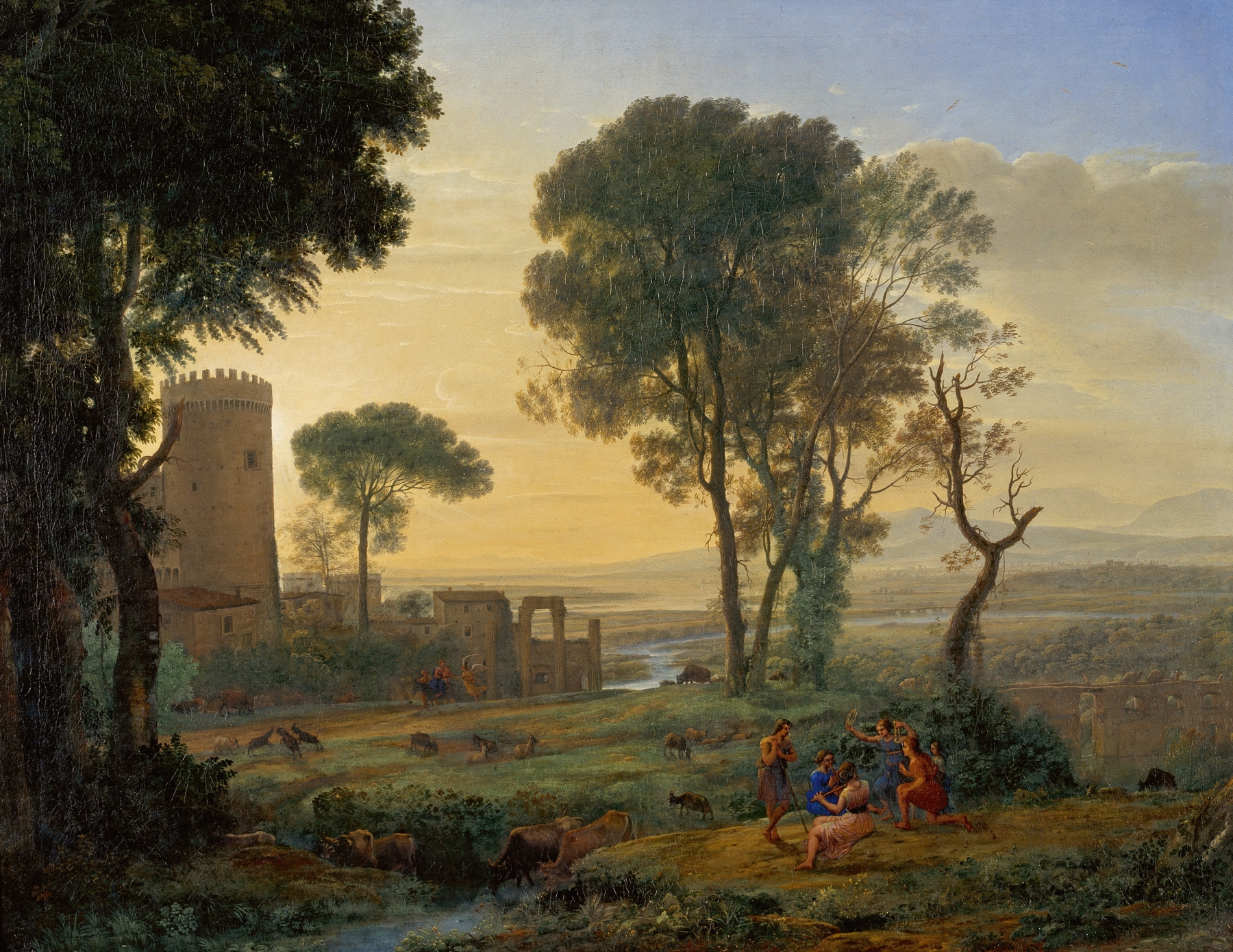
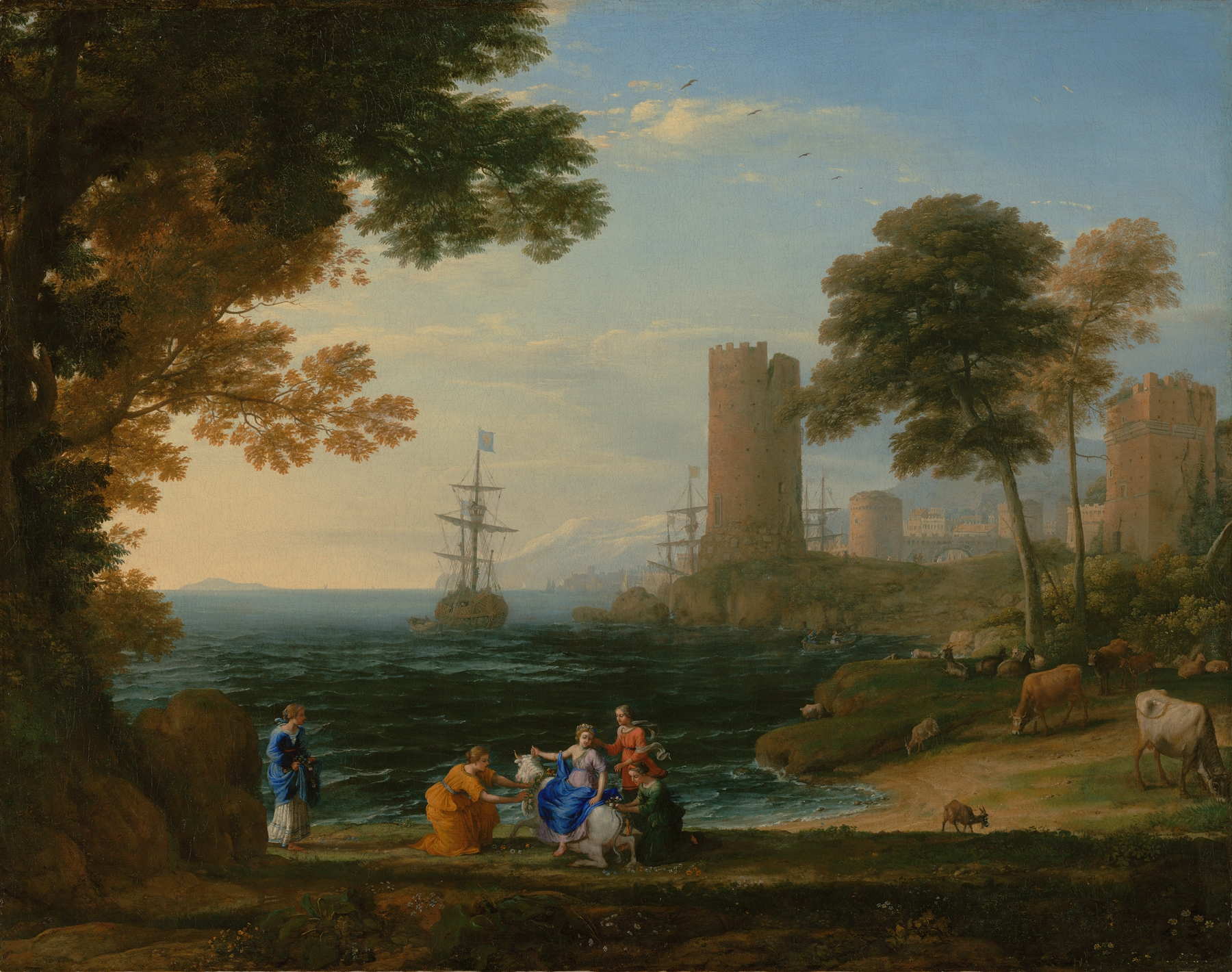
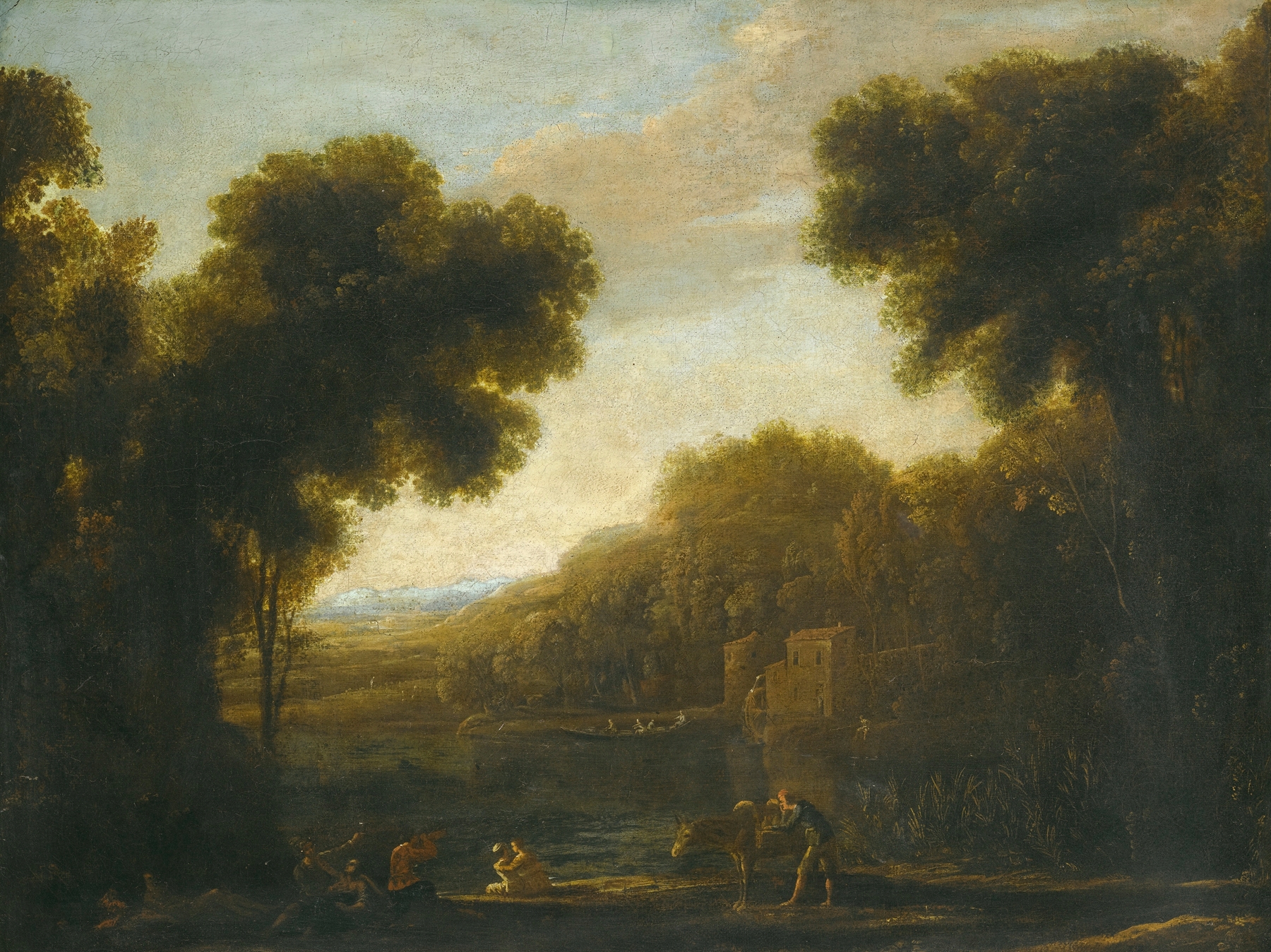
“Every brushstroke is a heartbeat remembered.” In the stillness of a moment, life’s movement is captured, echoing the journey of the soul. It speaks to the transient nature of existence, where each brushstroke vibrates with the pulse of time. Look to the center of the canvas, where gentle figures traverse a soft landscape, their forms blending seamlessly with the natural surroundings. The warm hues of ochre and gold illuminate the scene, drawing attention to the delicate light that bathes the travelers. Notice how the trees curve like protective sentinels around the path, their leaves whispering secrets of the journey.
This interplay of light and shadow not only sets the mood but also invites the viewer to explore the depth of the composition, where the horizon opens up to a promise of distant lands. Hidden within the tranquil movement lies a contrast between the serenity of nature and the turmoil of the travelers' plight. The gentle curves of the terrain suggest both refuge and peril, a duality that reflects the broader journey of life itself. Each figure embodies a unique narrative, their gestures conveying both hope and uncertainty, emphasizing the emotional weight of their escape.
The luminous sky above hints at divine protection, suggesting that even in adversity, there is a guiding light. Claude Lorrain painted this work in 1635, during a period when he was establishing his reputation in Rome as a master of landscape. The Baroque era was marked by a fascination with the natural world and dramatic storytelling through art. At this time, he was influenced by the classical ideals and the emerging Romantic sensibility, blending the majesty of nature with human experiences, a hallmark of his enduring legacy.