The flight into Egypt: small — History & Analysis
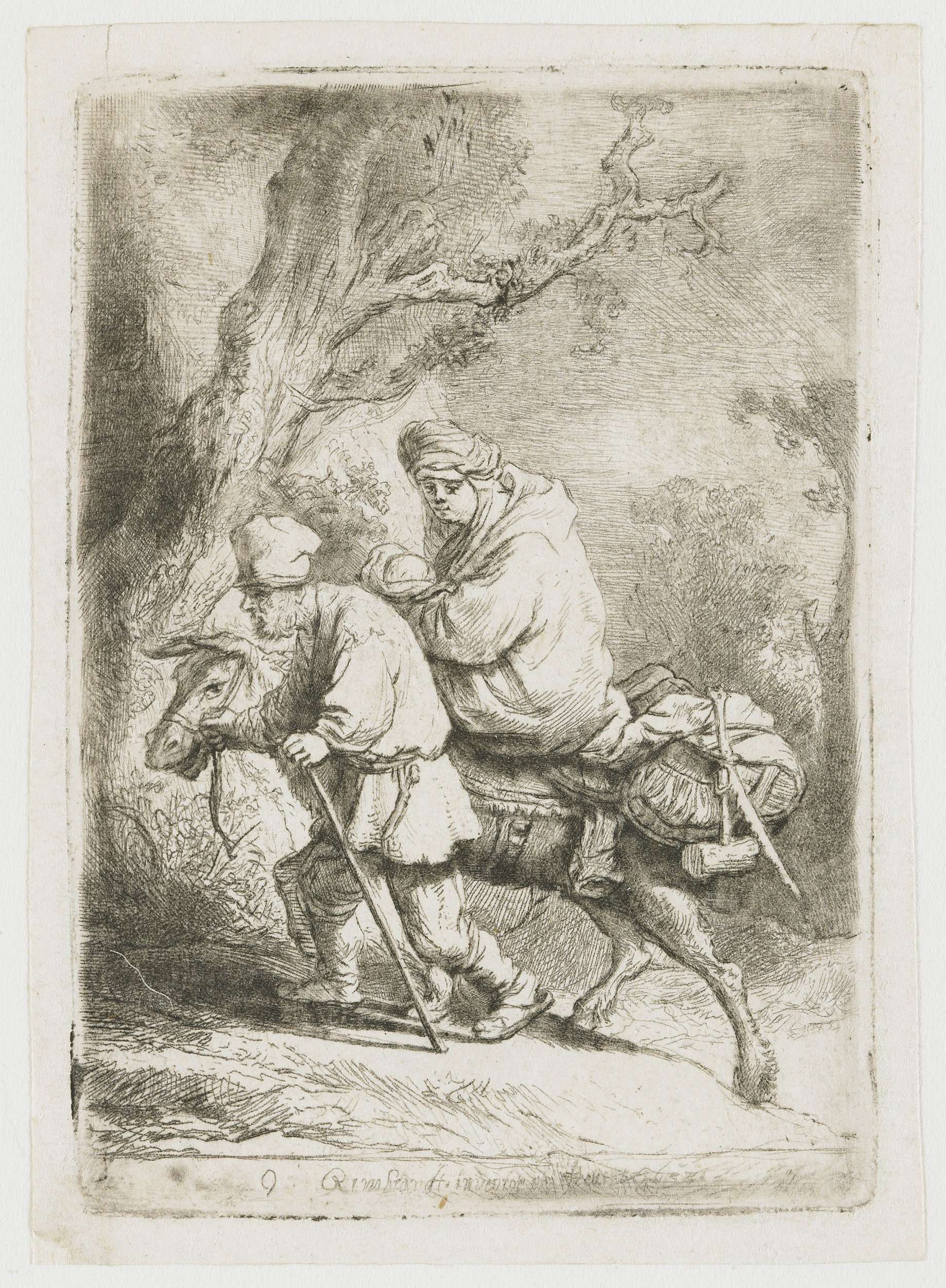
Could a single brushstroke hold eternity? In The Flight into Egypt: Small, faith transcends time and space, inviting the viewer into a moment of sacred pilgrimage. Look to the left at the gentle curve of Mary’s figure, cradling the child with tender reverence. The interplay of light and shadow dances across the canvas, illuminating the holy trio against a backdrop of muted earth tones. Notice how the warm golden light bathes them, suggesting divine presence, while the darkened edges of the surrounding landscape create a feeling of isolation and journey.
The composition pulls your gaze inward, forcing you to consider the intimate bond shared in this vulnerable moment. Beneath the surface, the contrasts in this work reveal deeper emotional currents. The serene expressions of Mary and the child stand in stark juxtaposition to the uncertainty of their flight, symbolizing hope amidst peril. The muted colors reflect the somber reality of their escape, while the ethereal light signifies the protective hand of faith guiding them.
Here, the brushstrokes weave together the sacred and the ordinary, portraying a profound narrative of survival and devotion. In 1633, the artist found himself in a pivotal phase of his career, thriving in Amsterdam amidst a burgeoning art market. This painting emerged during a time when he was exploring biblical themes, shaped by both his personal experiences and the wider cultural conversations surrounding faith. It marks a moment when the artist deftly combined technical mastery with deep emotional resonance, establishing a legacy that continues to speak to the human condition.