The Flume, Opalescent River, Adirondacks — History & Analysis
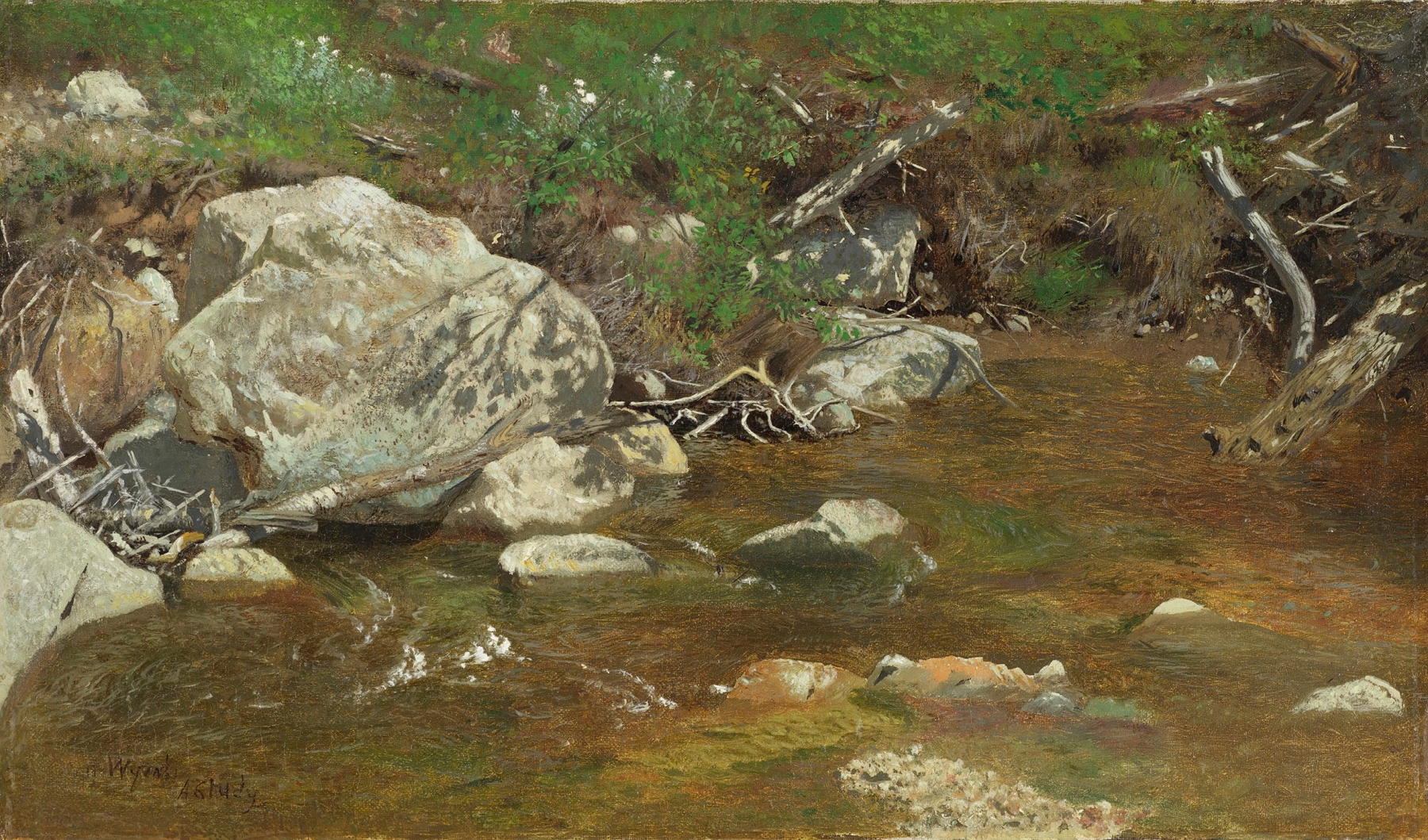
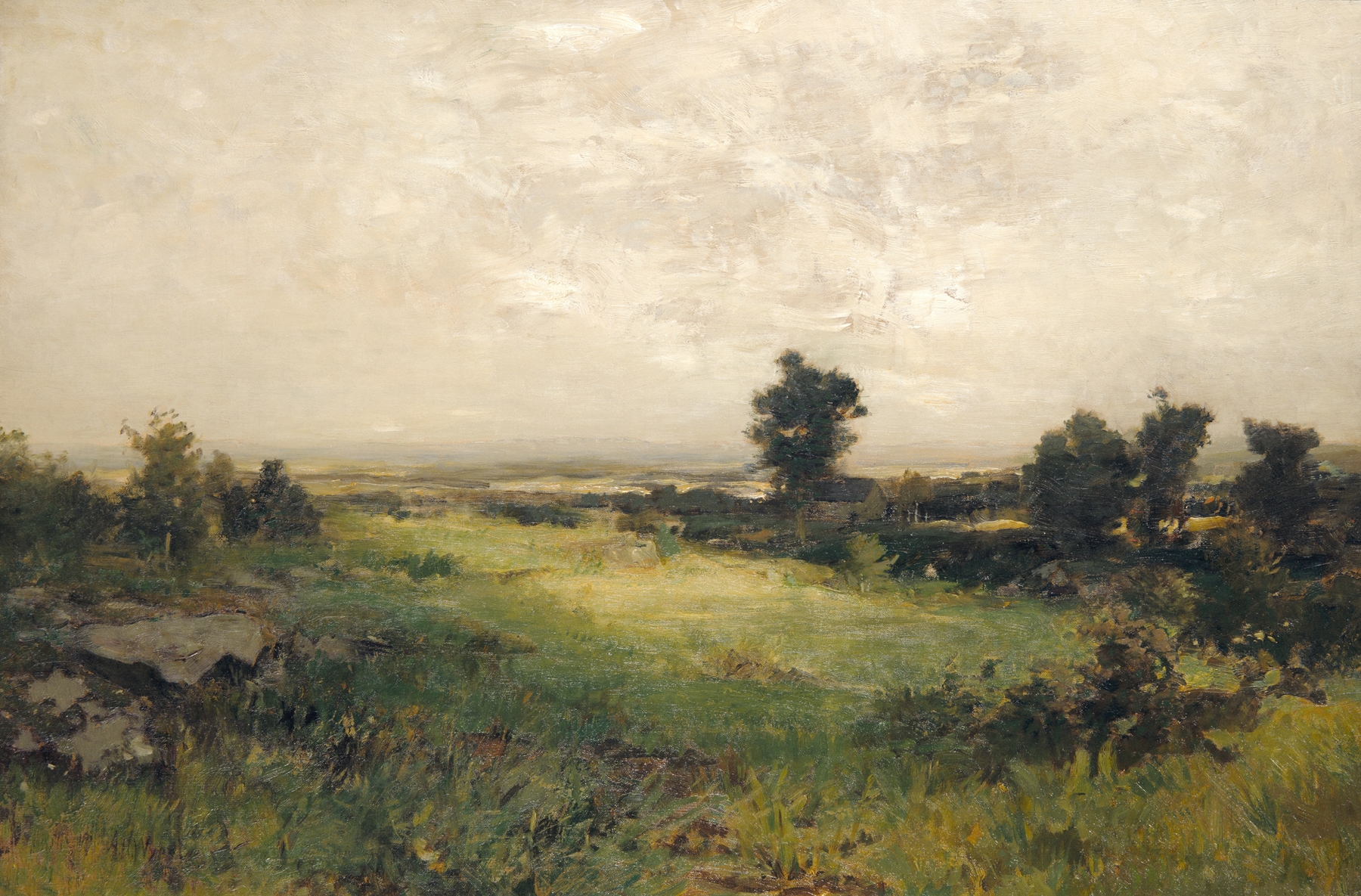
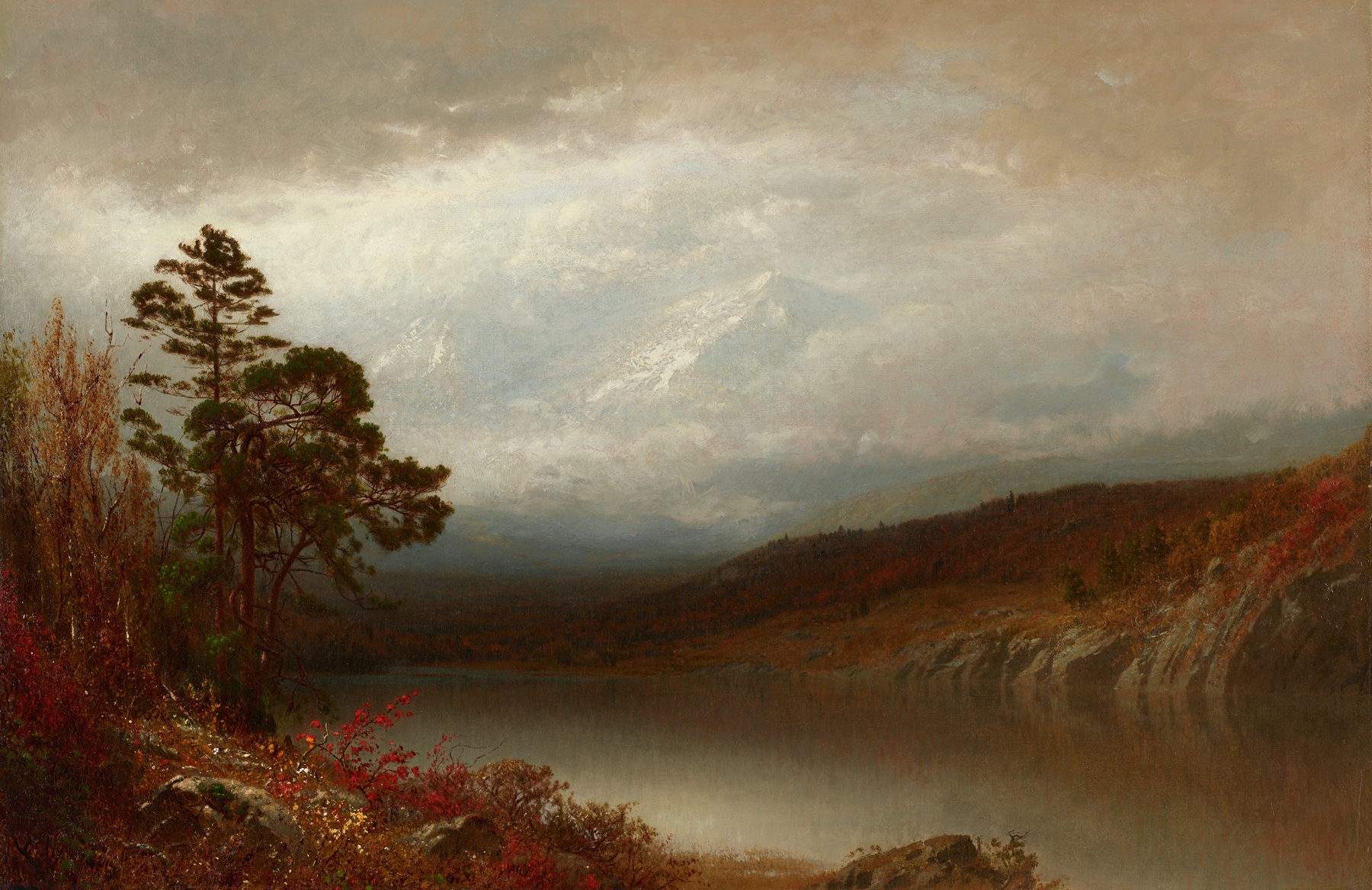
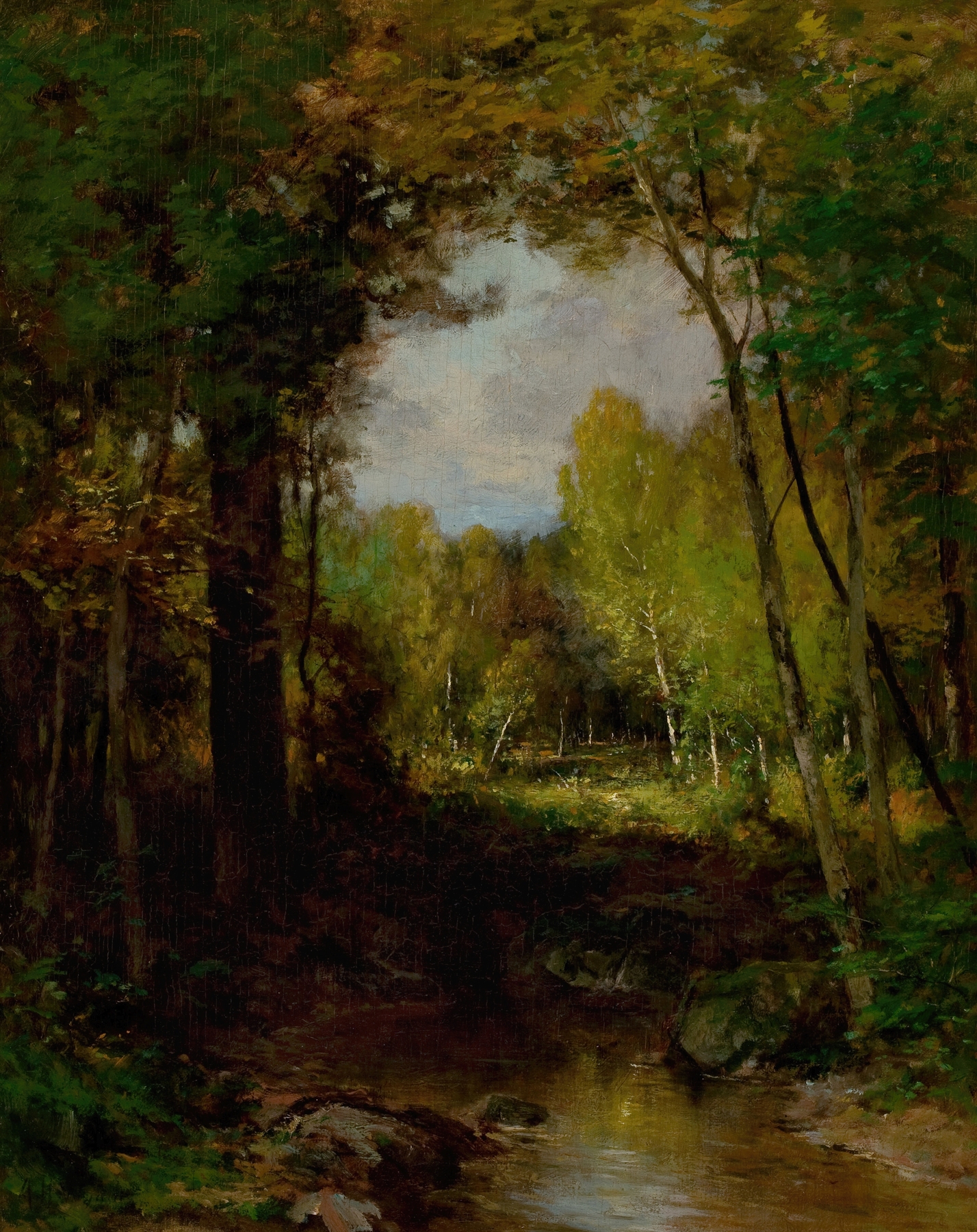
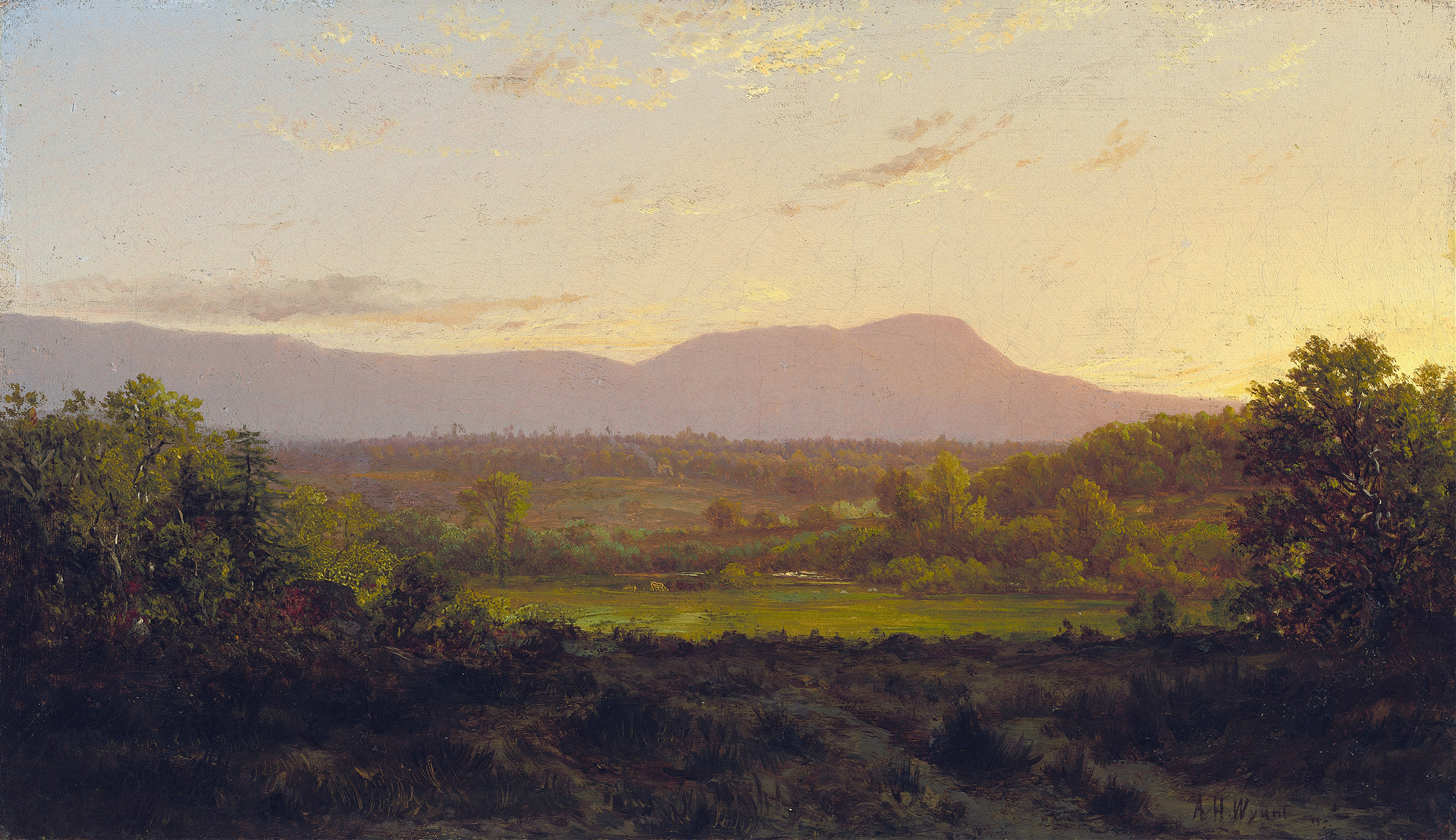
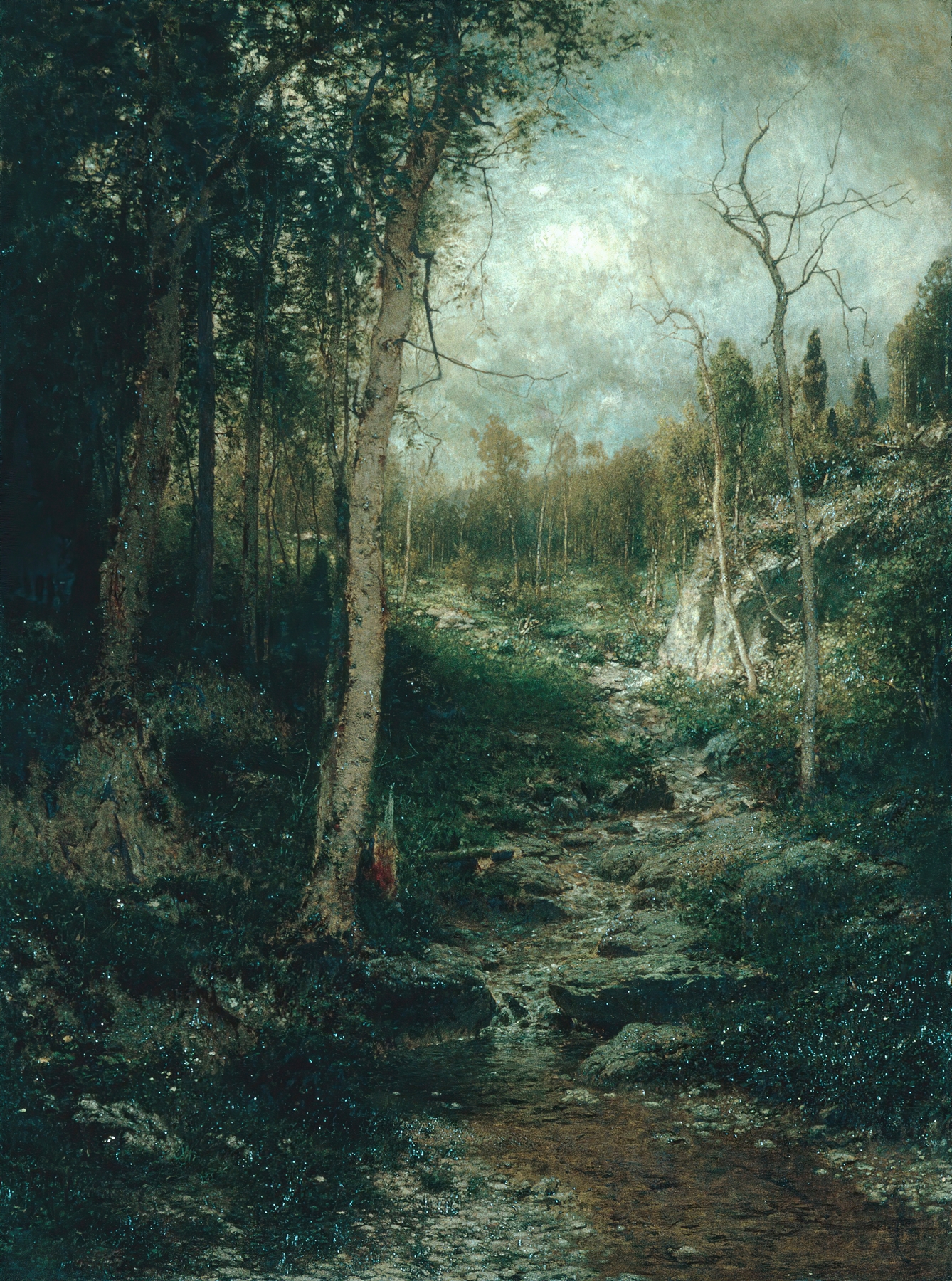
Could beauty survive in a century of chaos? In The Flume, Opalescent River, Adirondacks, the landscape resonates with a serene emptiness that invites contemplation and reflection. Look to the left at the gentle curve of the river, its surface shimmering with a kaleidoscope of opalescent colors. The viewer's gaze is drawn to the interplay of light filtering through the trees, casting dappled shadows on the water's edge.
Notice how the subtle brushstrokes create a soft, ethereal quality, allowing the surrounding wilderness to envelop the scene in a tranquil embrace. The composition balances the boldness of nature with the quietude of the flowing river, evoking a sense of peaceful solitude. In this artwork, contrasts abound—the vibrant hues of the foliage against the calm blues and yellows of the water evoke a tension between vibrancy and stillness. The absence of human presence amplifies the feeling of emptiness, as if the landscape is both timeless and untouched by the chaos of the outside world.
This juxtaposition invites viewers to ponder the fragility of beauty amidst an ever-changing landscape, urging them to contemplate their own experiences of solitude and connection to nature. Wyant created this piece in 1875 while residing in the Adirondacks, a time when the American art scene was beginning to embrace the allure of nature. As an artist influenced by both the Hudson River School and the nascent Impressionist movement, he sought to capture the essence of the American wilderness. This work reflects his preoccupation with light, color, and the emotional resonance of the natural world, set against the backdrop of a rapidly industrializing society.