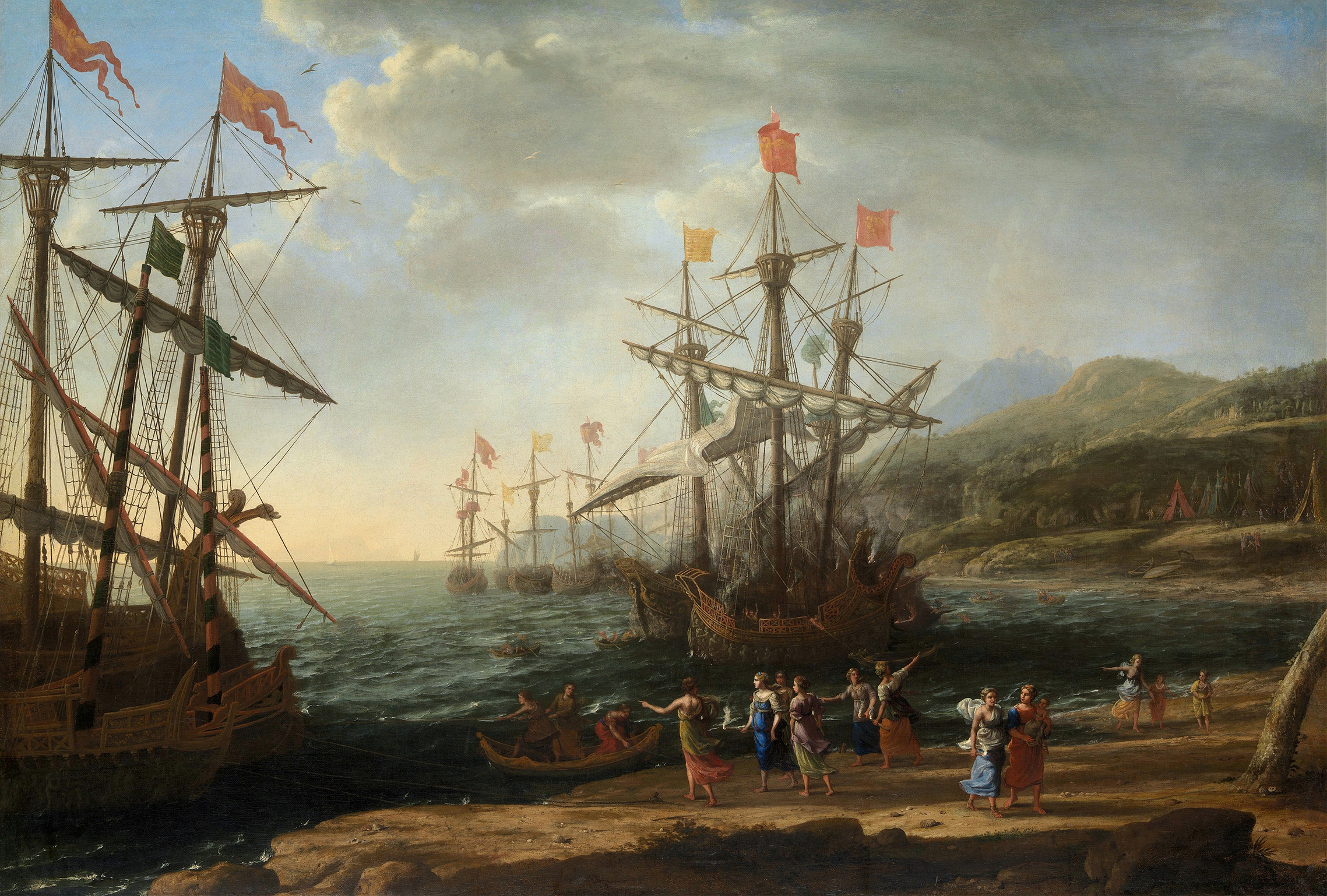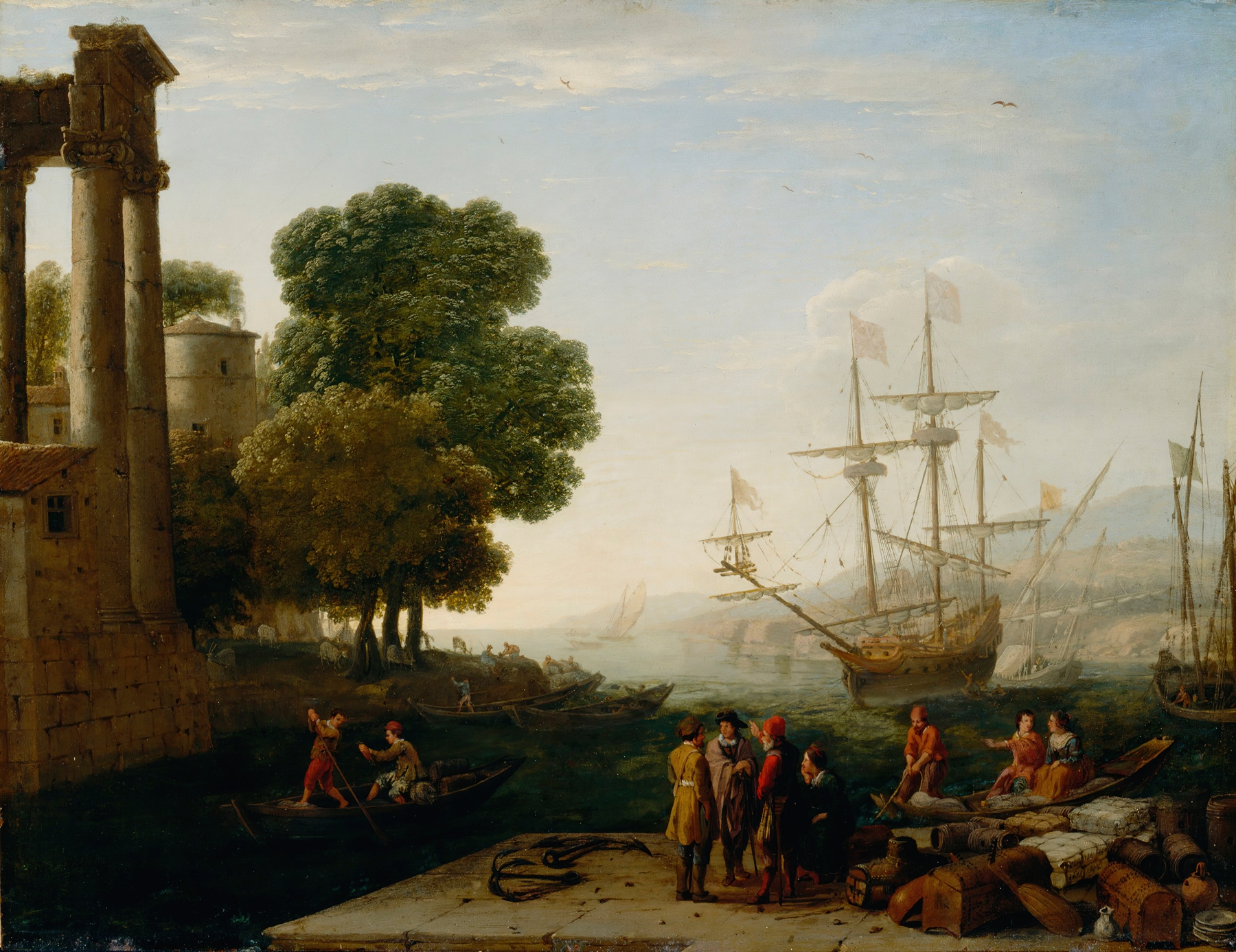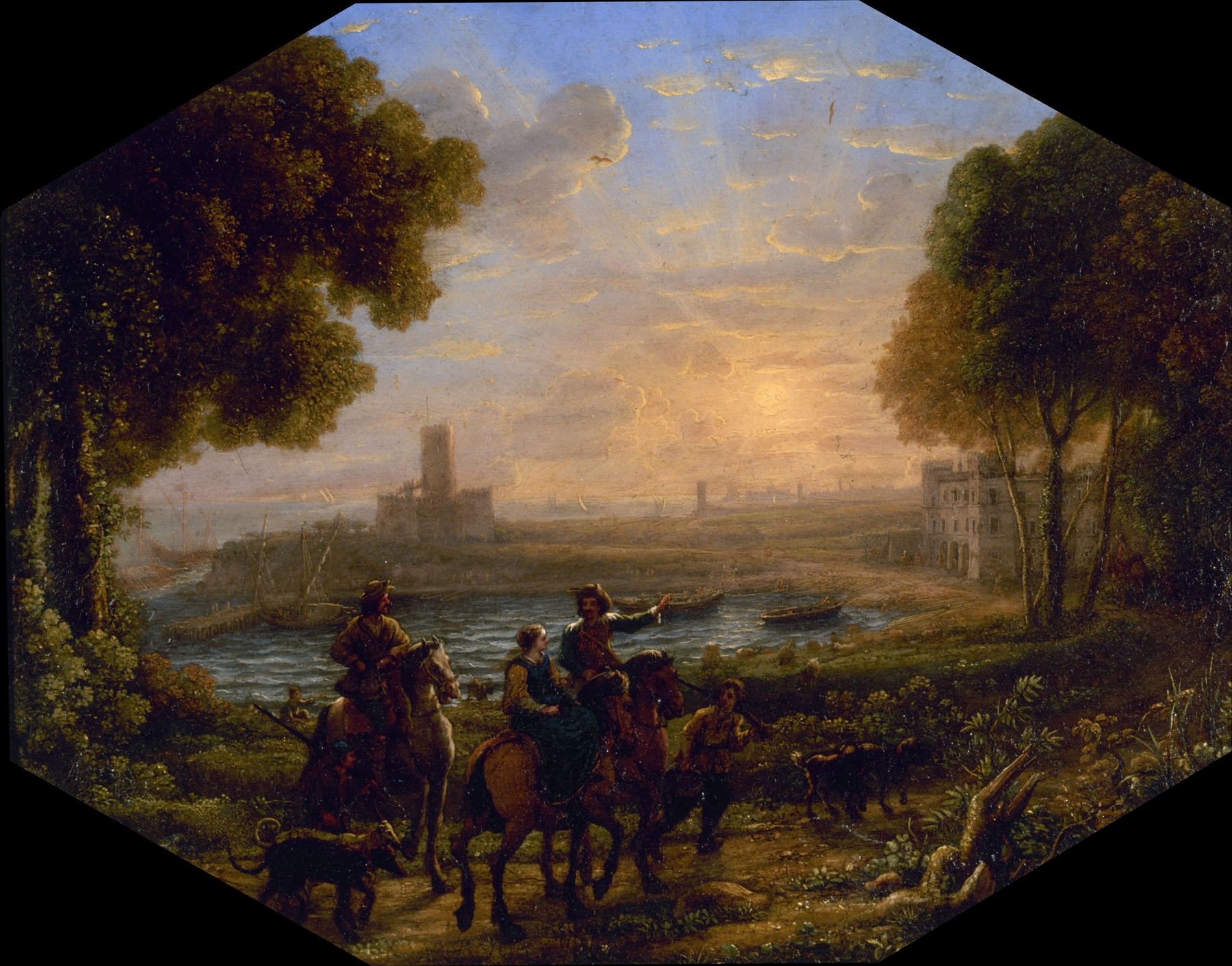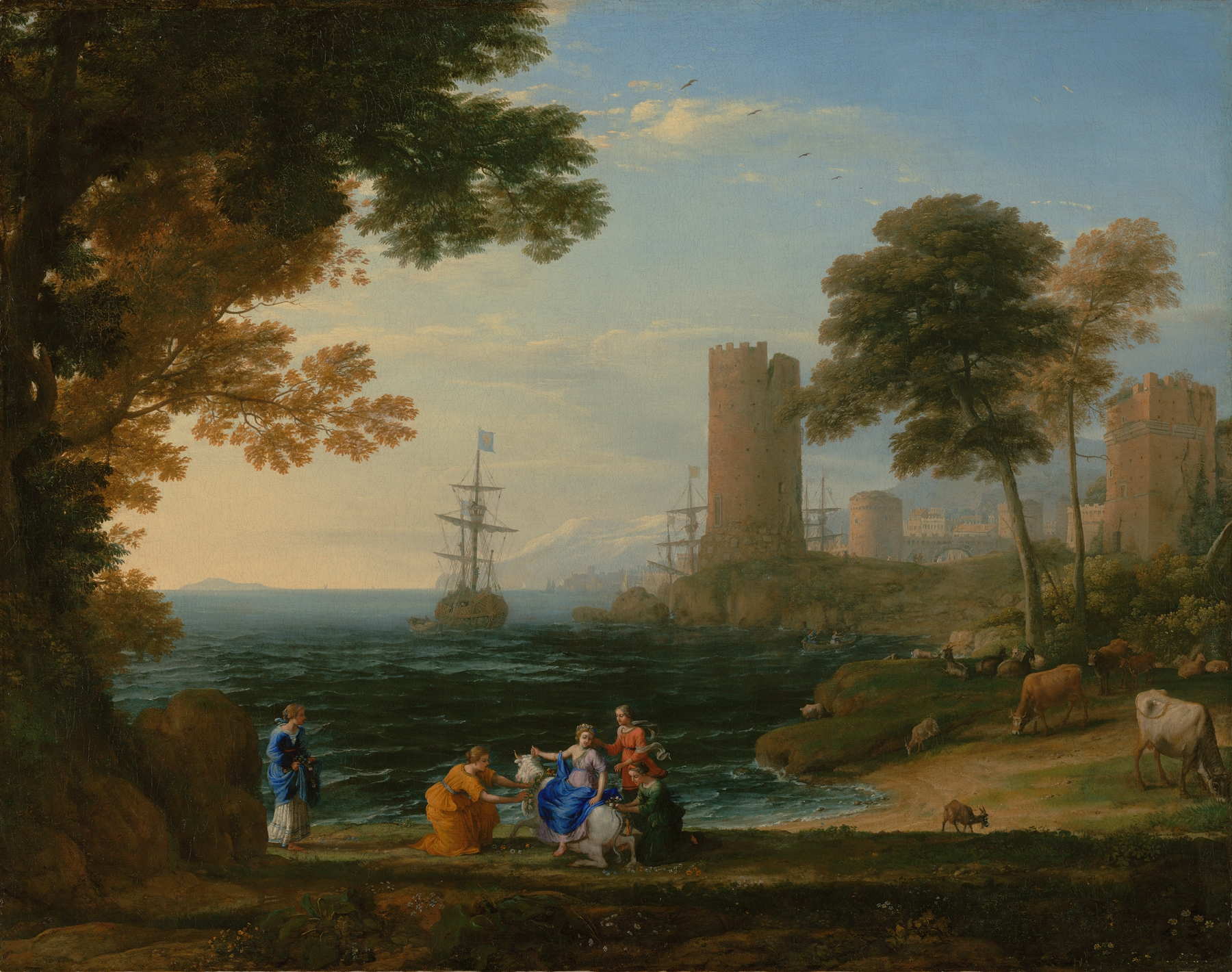
The Ford — History & Analysis
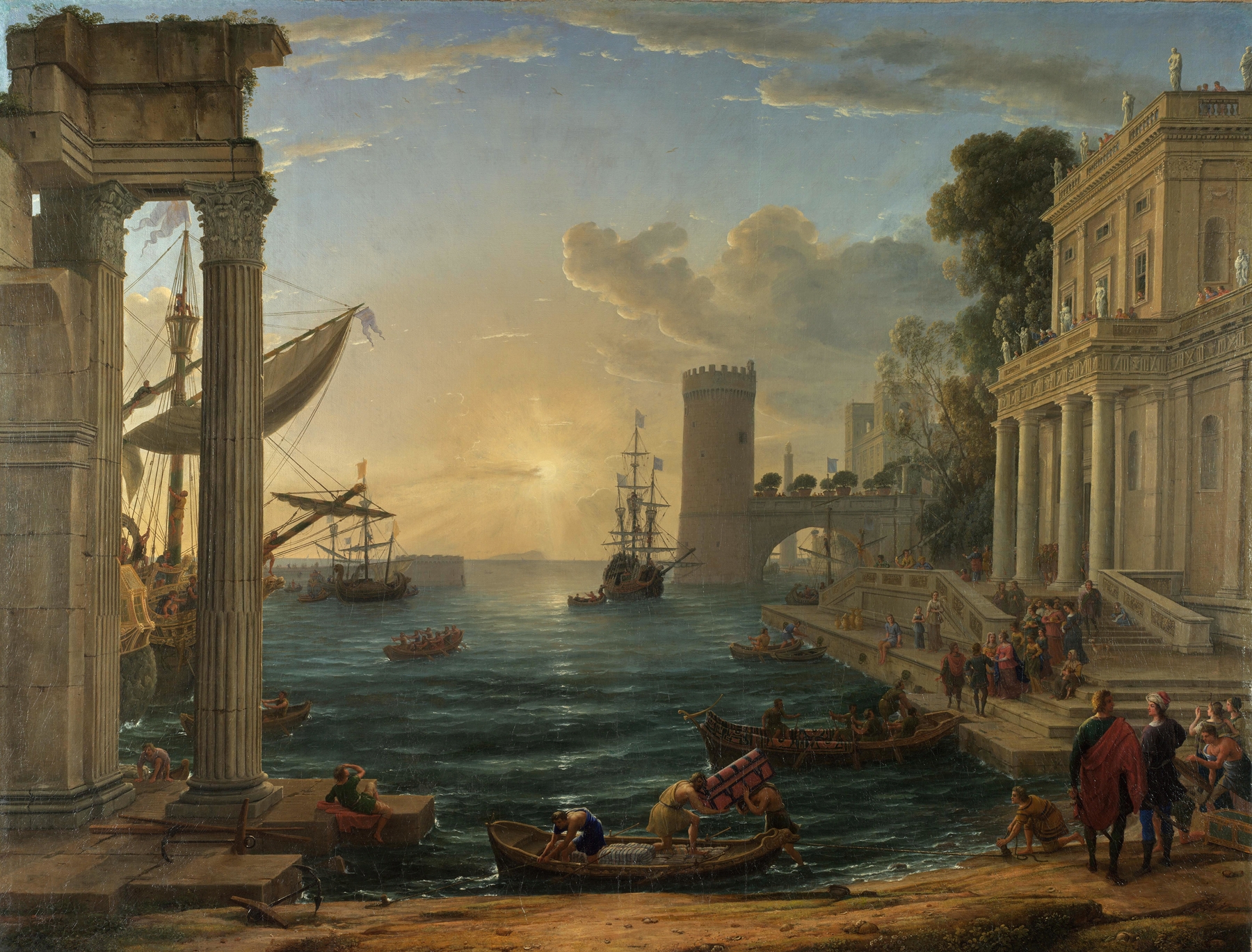
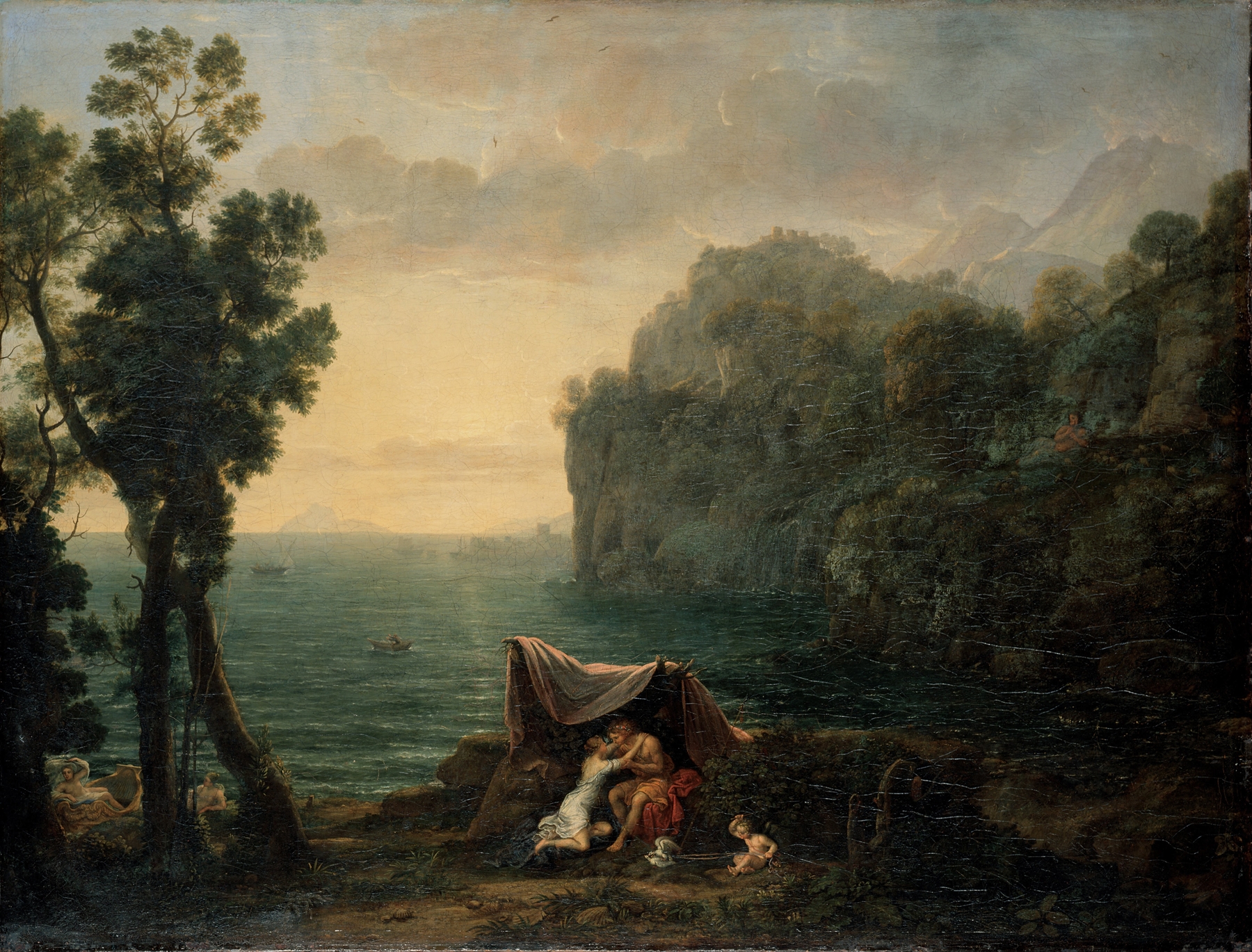
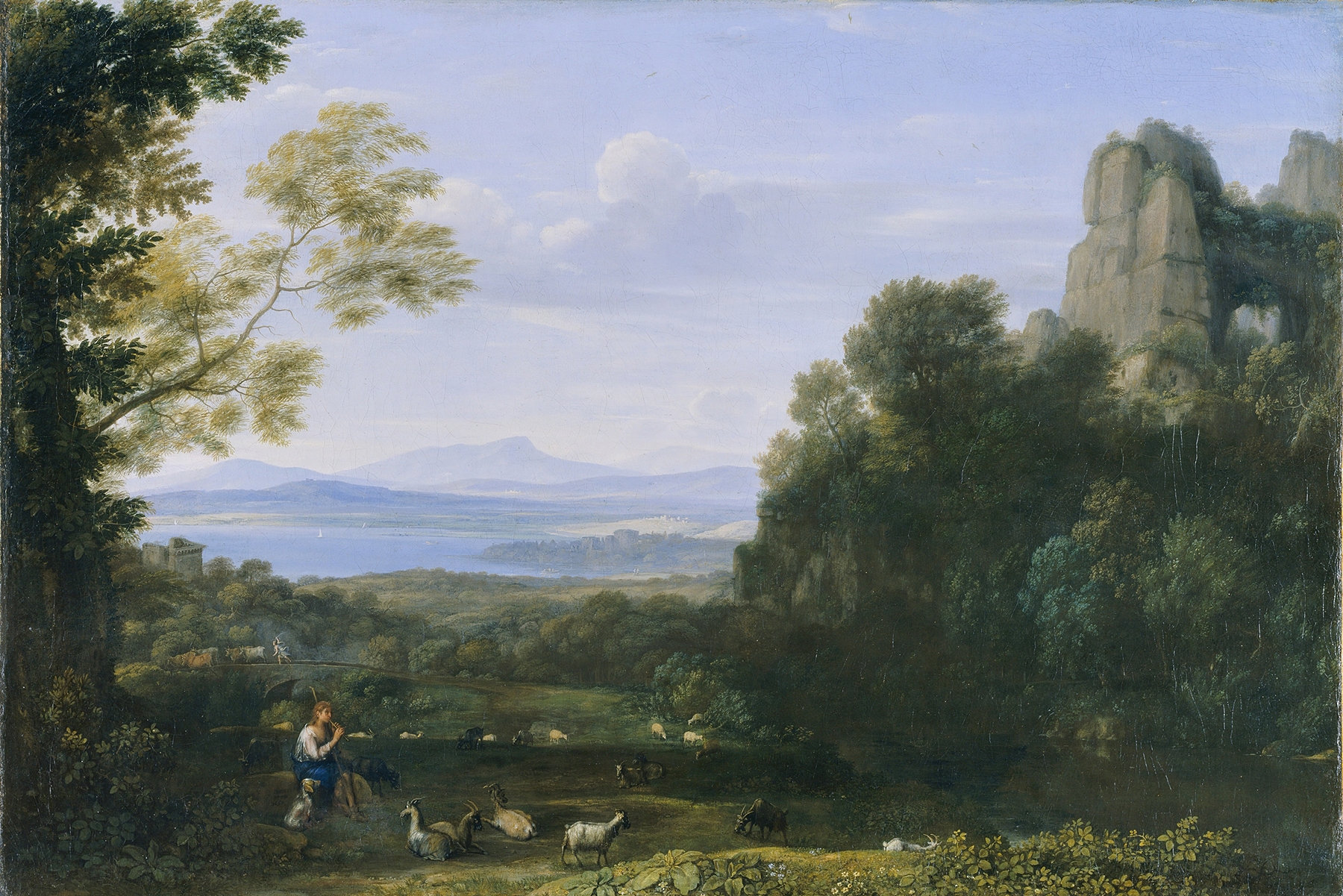
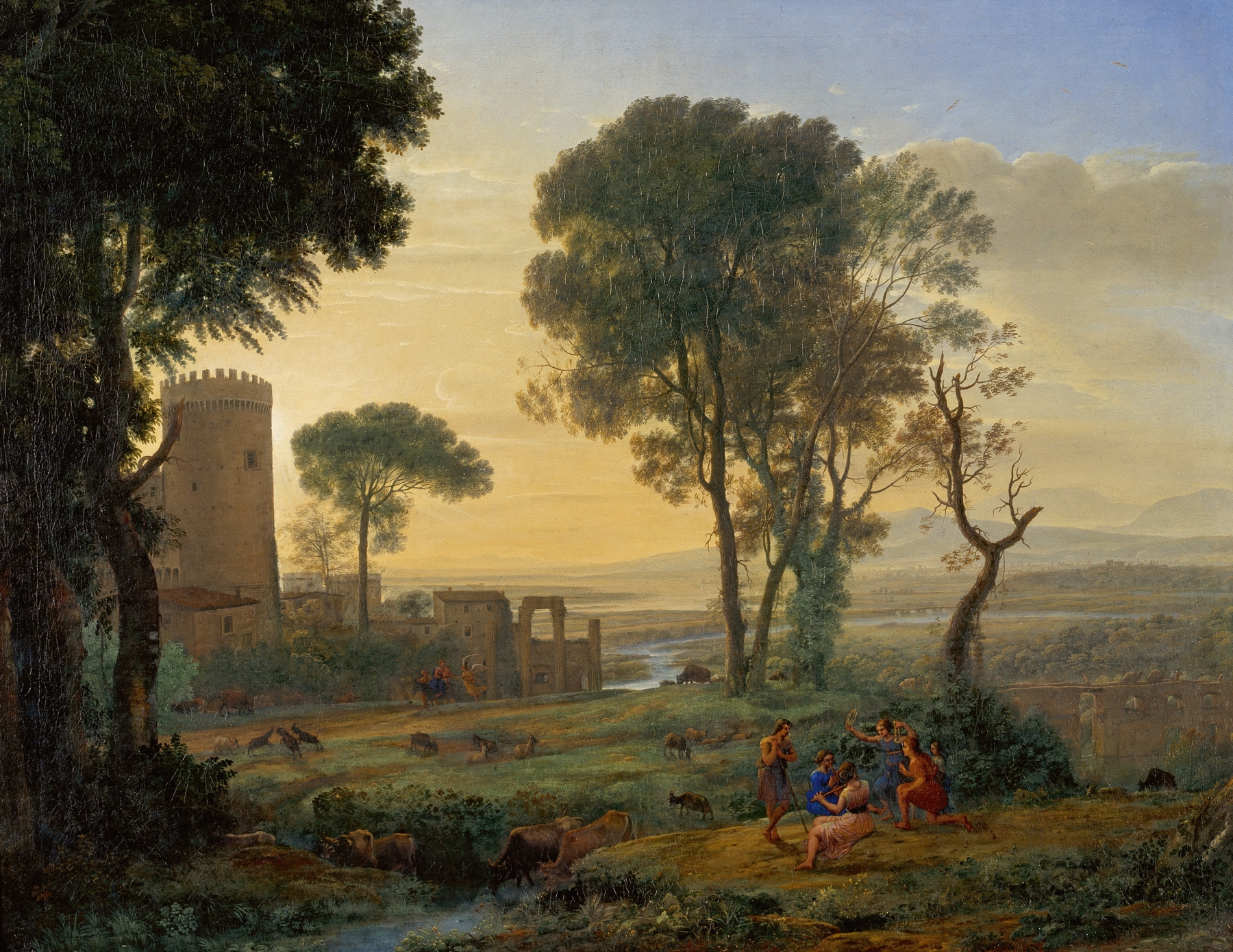
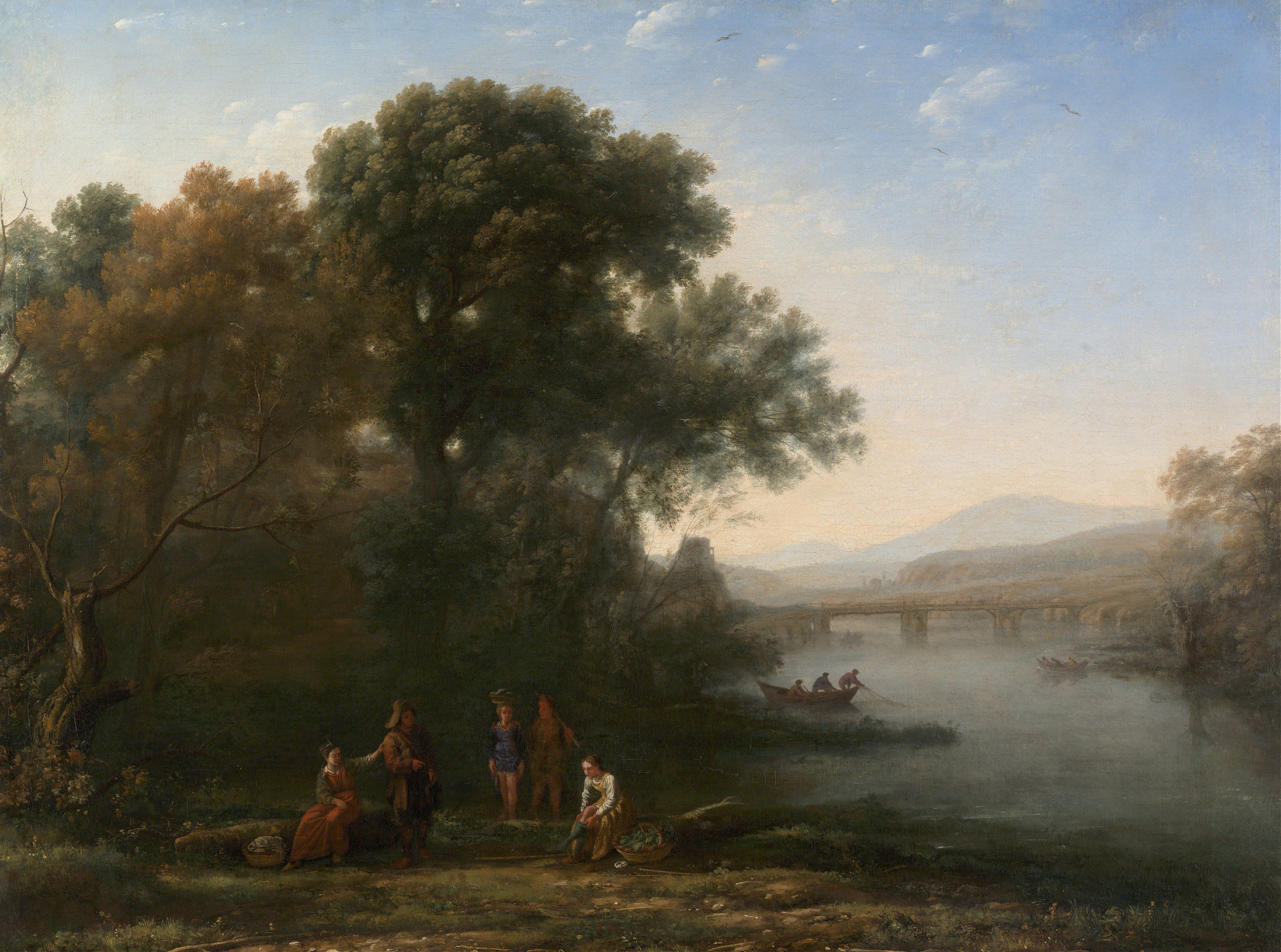
Is this a mirror — or a memory? In The Ford, reflections ripple through the water, blurring the lines between reality and the ephemeral nature of life. Focus on the shimmering surface of the river, where the light dances with every delicate stroke of the brush. The figures crossing the water draw your eye first; their postures are relaxed yet purposeful, suggesting a journey both literal and metaphorical.
The warm hues of ochre and gold give way to the cooler blues of the water, creating a vibrant contrast that invites contemplation on the transient moments captured in art. Through the lush landscape and tranquil waters, a palpable tension emerges. The serene scene hints at a deeper narrative — the passage of time and the inevitability of mortality loom beneath the surface. The juxtaposition of the idyllic setting against the figures who must eventually depart resonates with viewers, reminding us of our own fleeting experiences and memories.
Notice the careful attention to detail in the trees, their branches reaching out, perhaps grasping for permanence in an ever-changing world. In the mid-1630s, Claude Lorrain was immersed in the evolution of landscape painting in Rome, a period characterized by the shift from pure representation to evoking emotion through nature. Around this time, he sought to elevate the landscape genre, drawing inspiration from classical themes and the sublime beauty of the natural world. His works, including this piece, reflected a burgeoning trend among artists to explore the interplay of light and shadow, which would profoundly impact future generations.