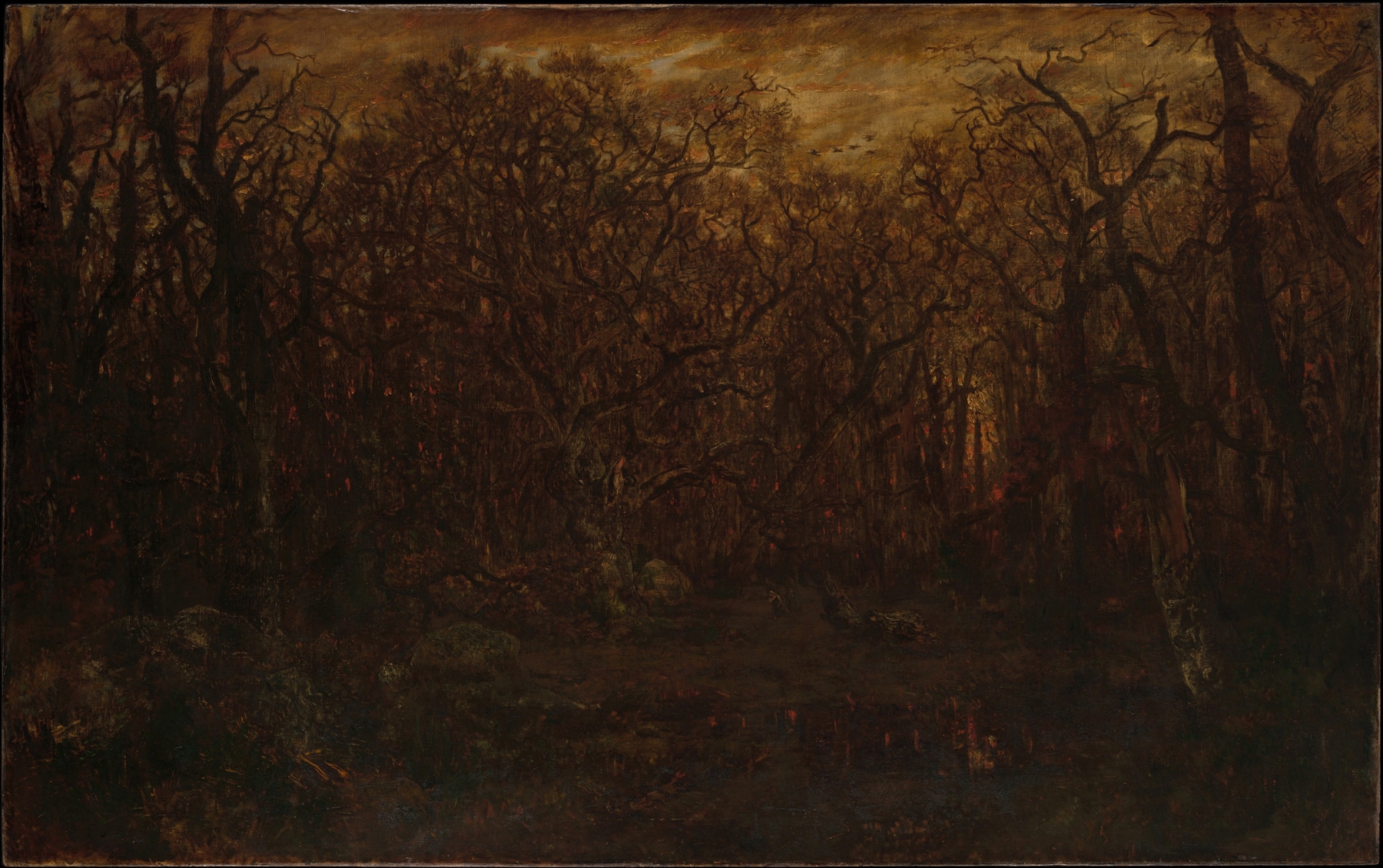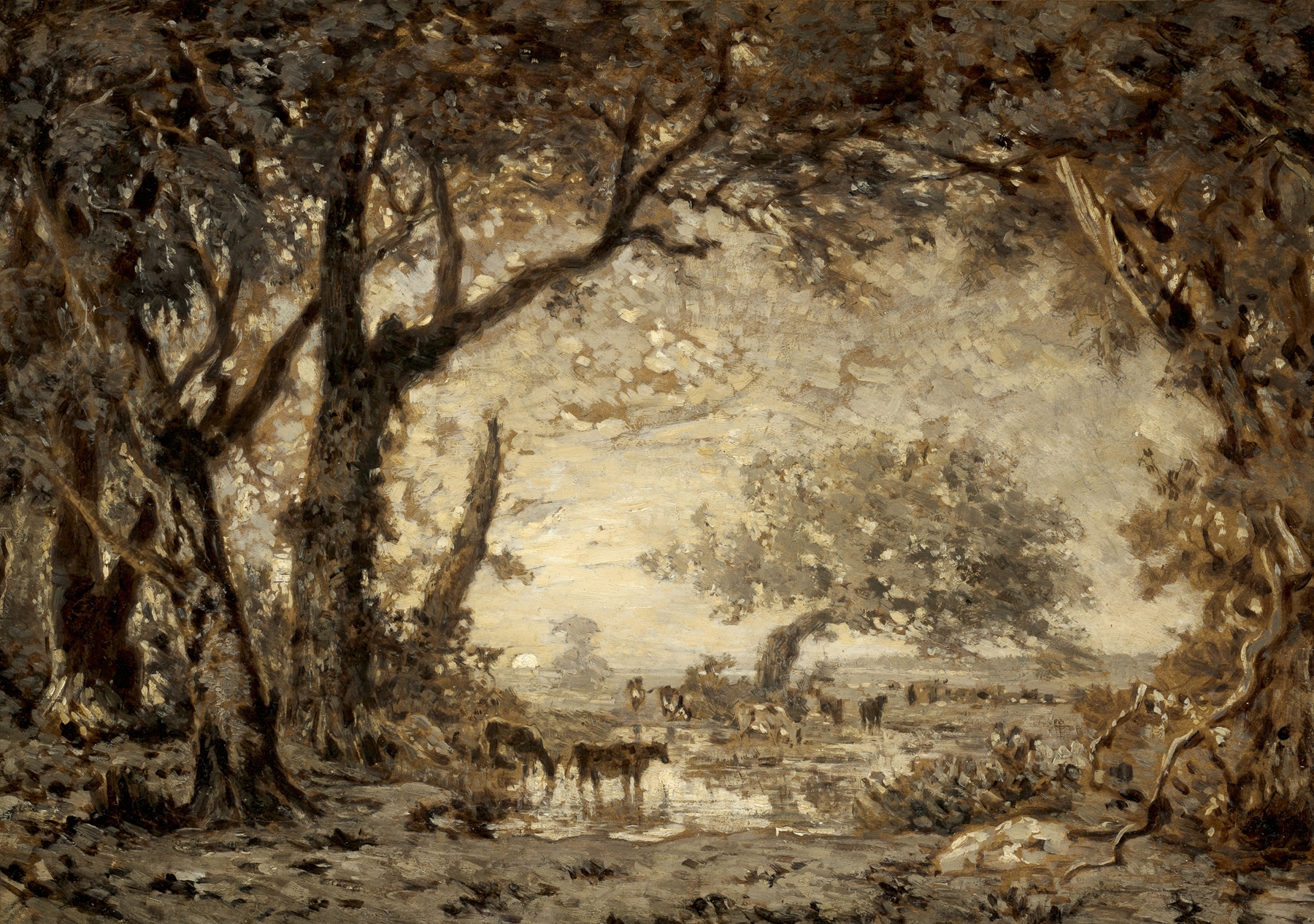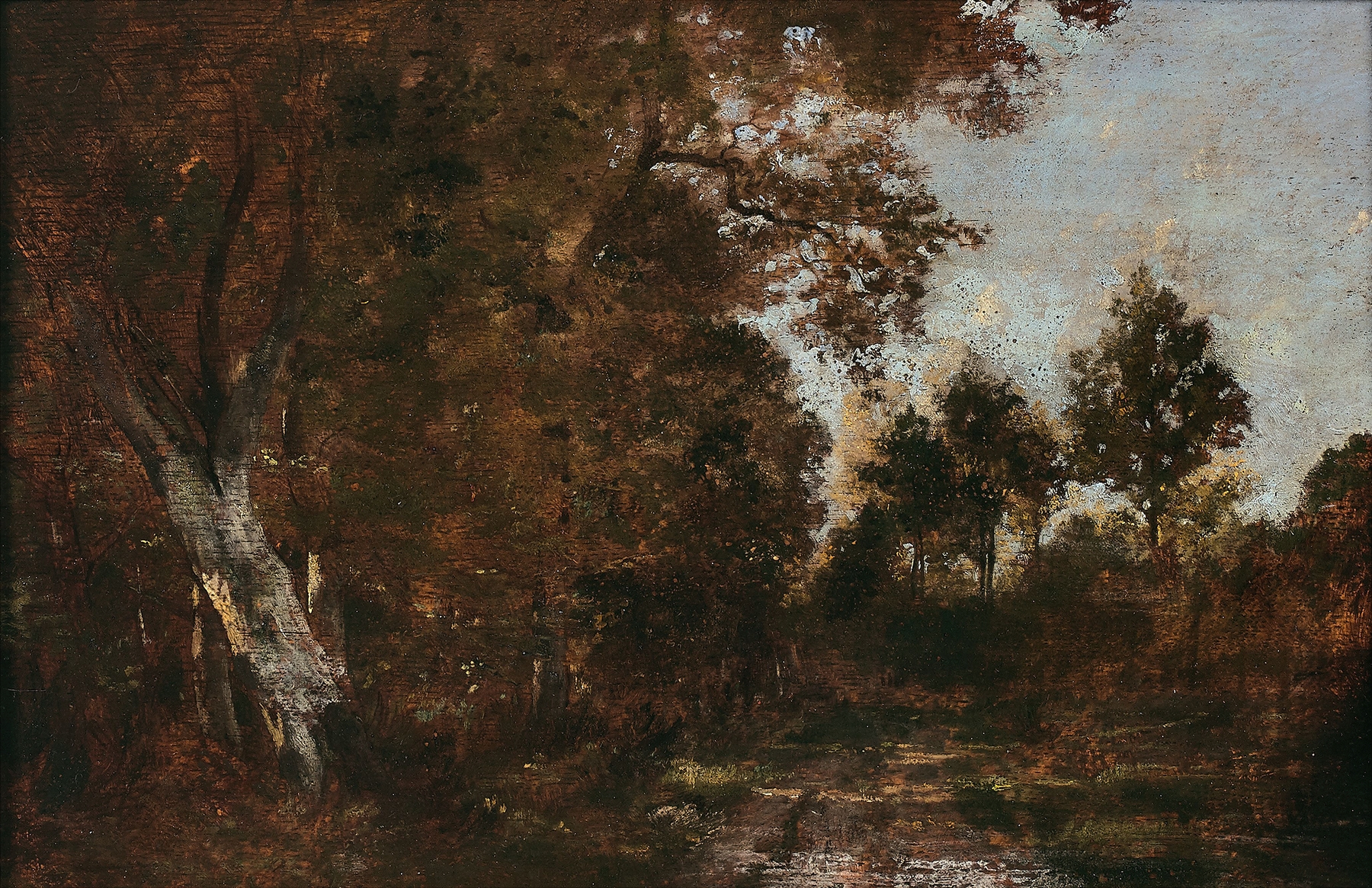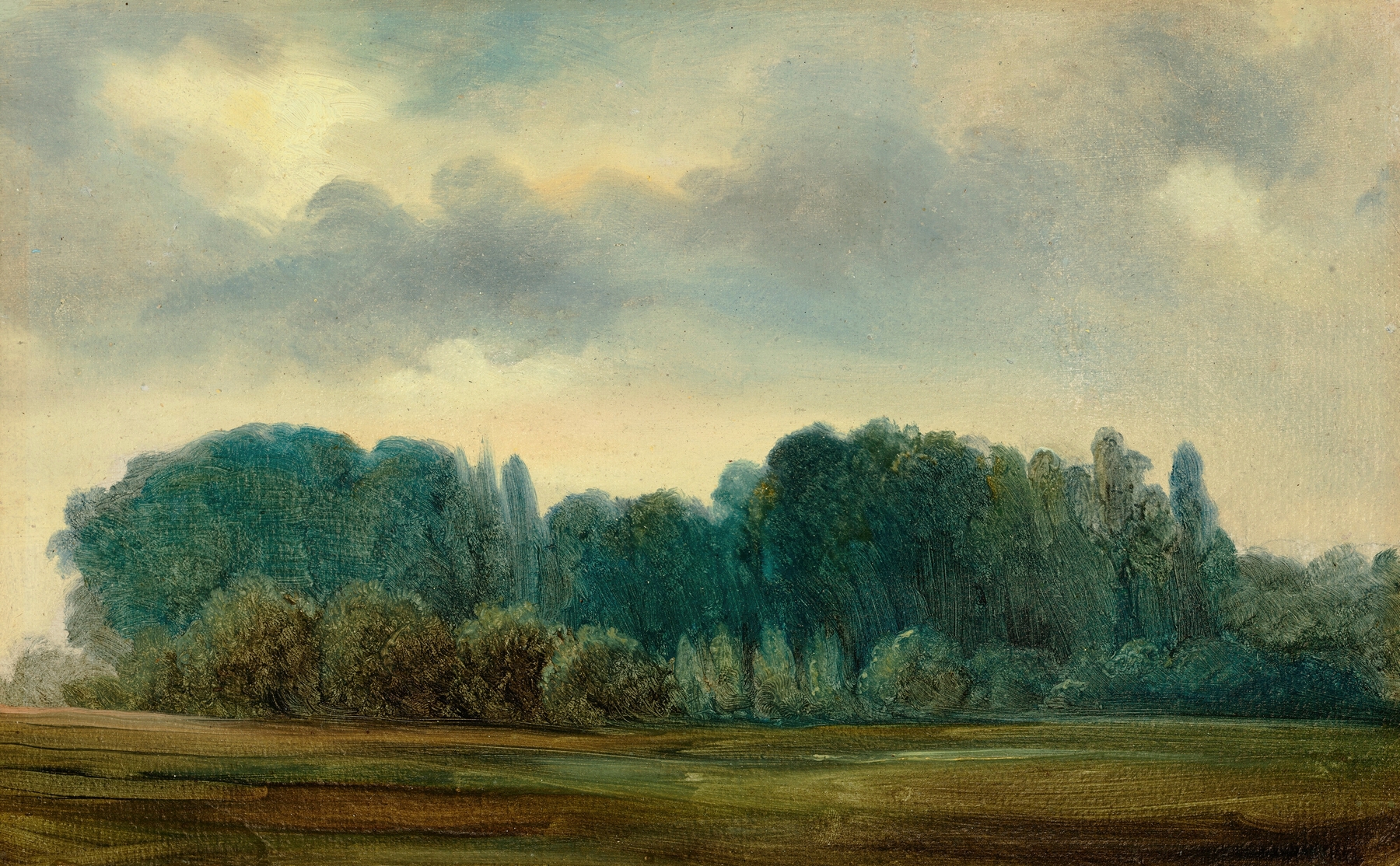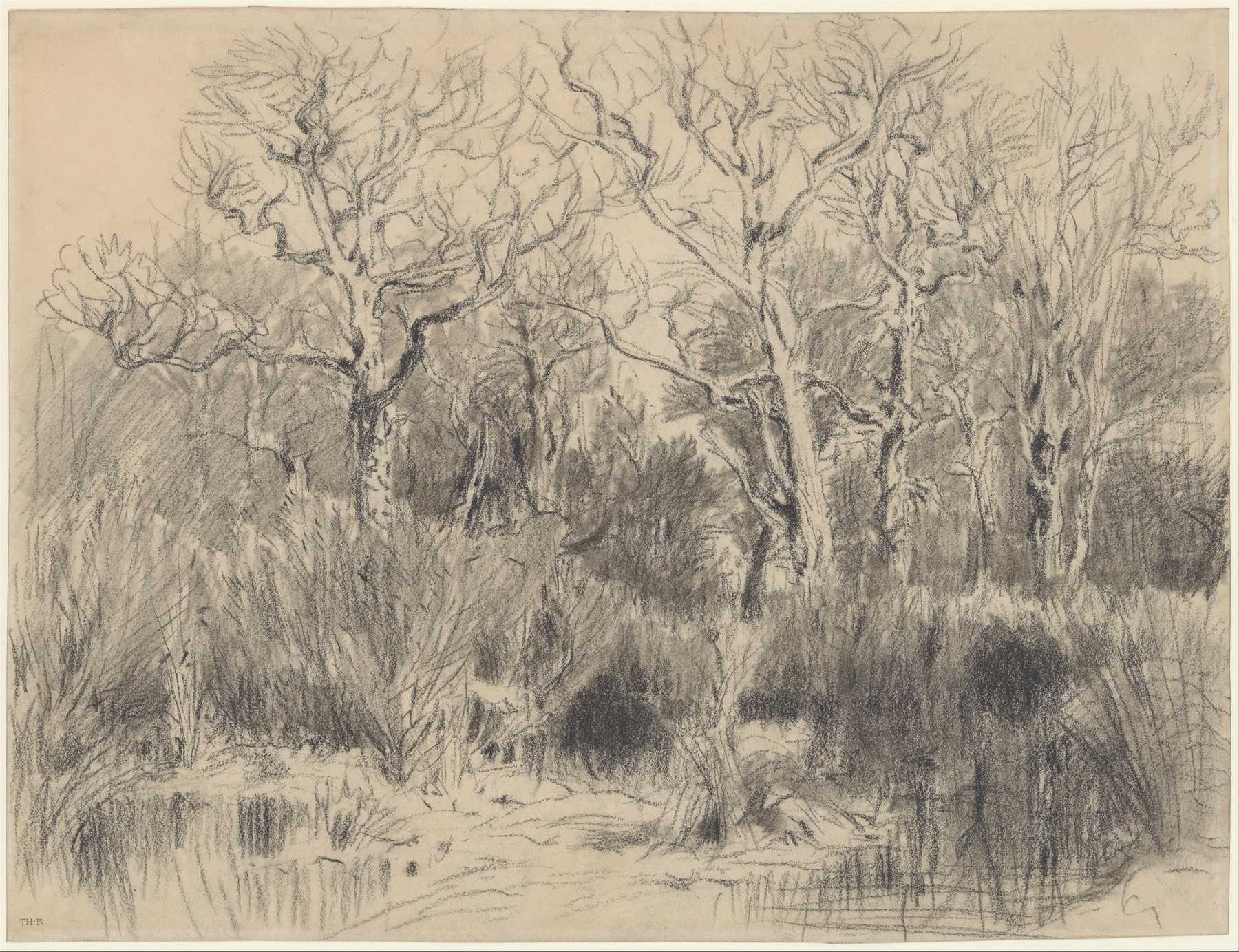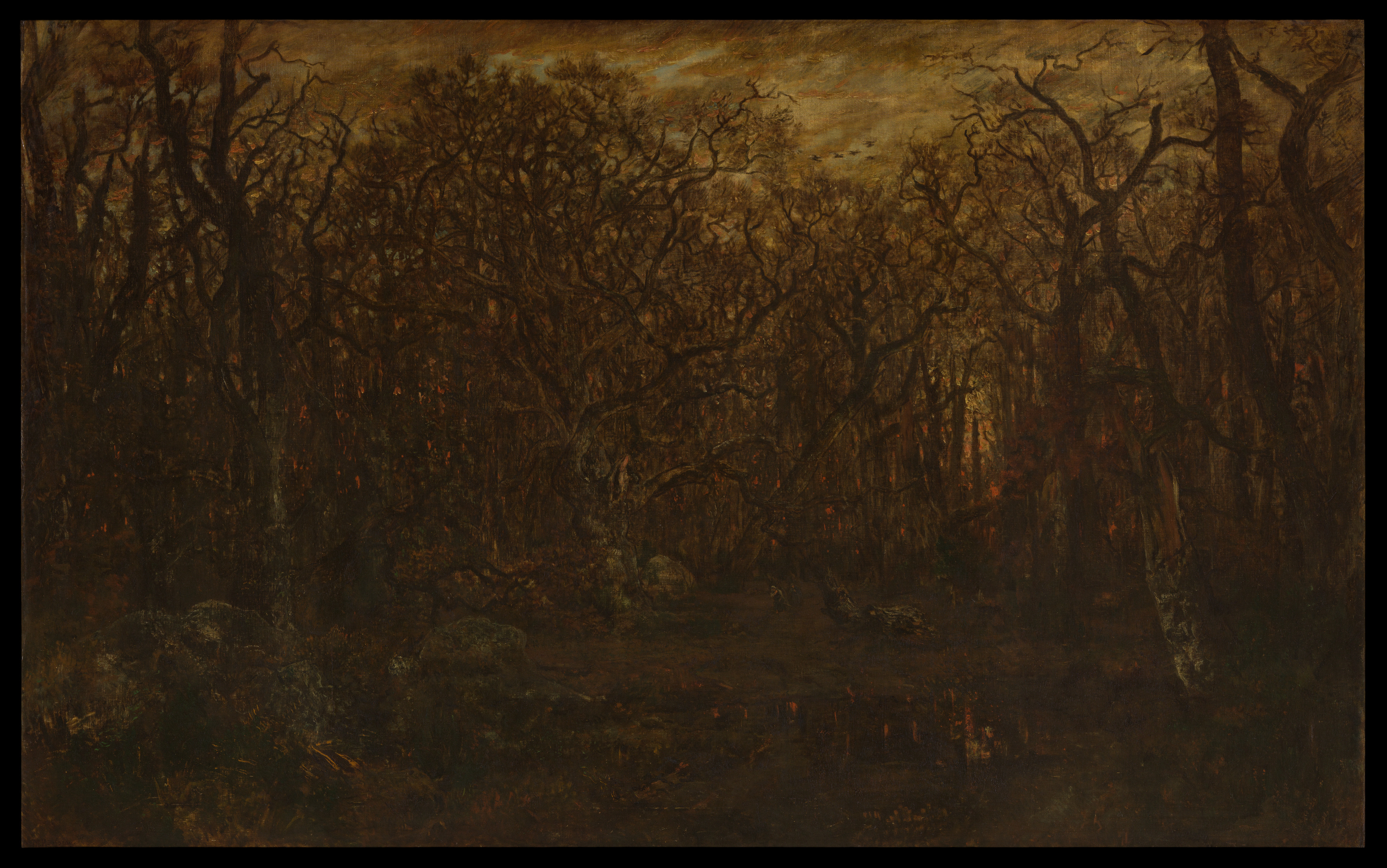
Where does light end, and longing begin? In a world where nature's beauty dances on the brink of decay, a moment of fragility emerges in stunning clarity. Focus your gaze on the horizon, where the sun dips low, splashing the winter forest with hues of amber and gold. Notice how the skeletal branches reach toward the fading light, creating a delicate lattice that both shelters and reveals. The cool blues of the shadows deepen the sense of quietude, drawing the viewer into a tranquil yet poignant atmosphere, a reminder of the inevitable passing of time. Each brushstroke reveals a masterful balance of warmth and chill, inviting contemplation. Beneath the surface of this tranquil scene lies a tension between life and dormancy. The light, a beacon of warmth, casts elongated shadows that evoke a sense of longing and introspection. Here, fragility reigns—the trees, stripped bare, seem to hold their breath as they await spring's embrace. In this painting, the interplay of light and shadow serves not just as a visual device, but as a metaphor for the transient beauty of existence, sparking reflections on mortality and renewal. Théodore Rousseau created *The Forest in Winter at Sunset* between 1846 and 1867, during a period of profound transformation in the world of art as the Barbizon School gained prominence. Working from the forest of Fontainebleau, he sought to capture the essence of nature in its purest form, breaking away from the constraints of academic tradition. This painting not only reflects his personal journey as an artist but also signifies a broader movement toward realism and a deep appreciation for the natural world.