The Garden of Palazzo Contarini dal Zaffo — History & Analysis
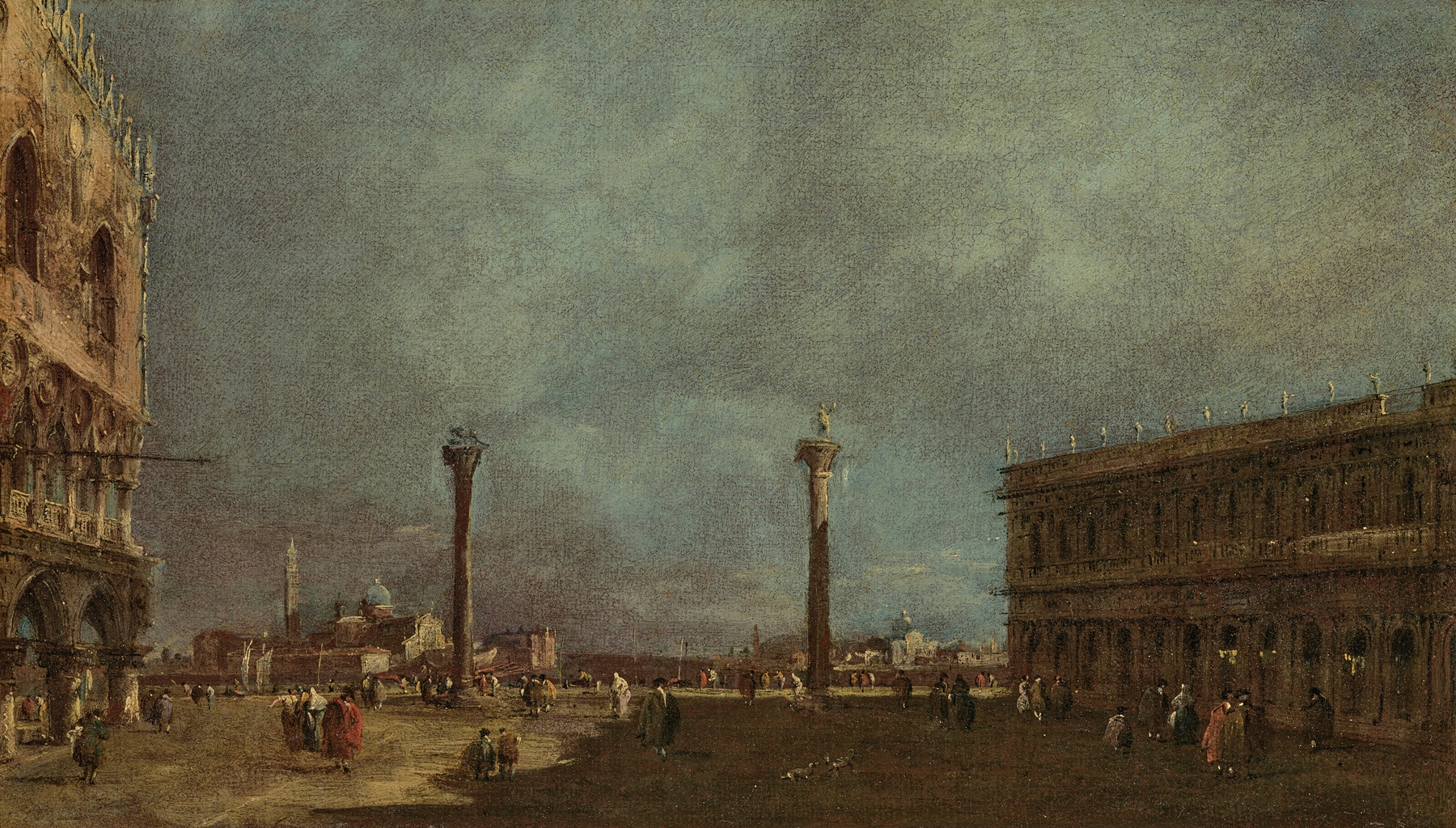
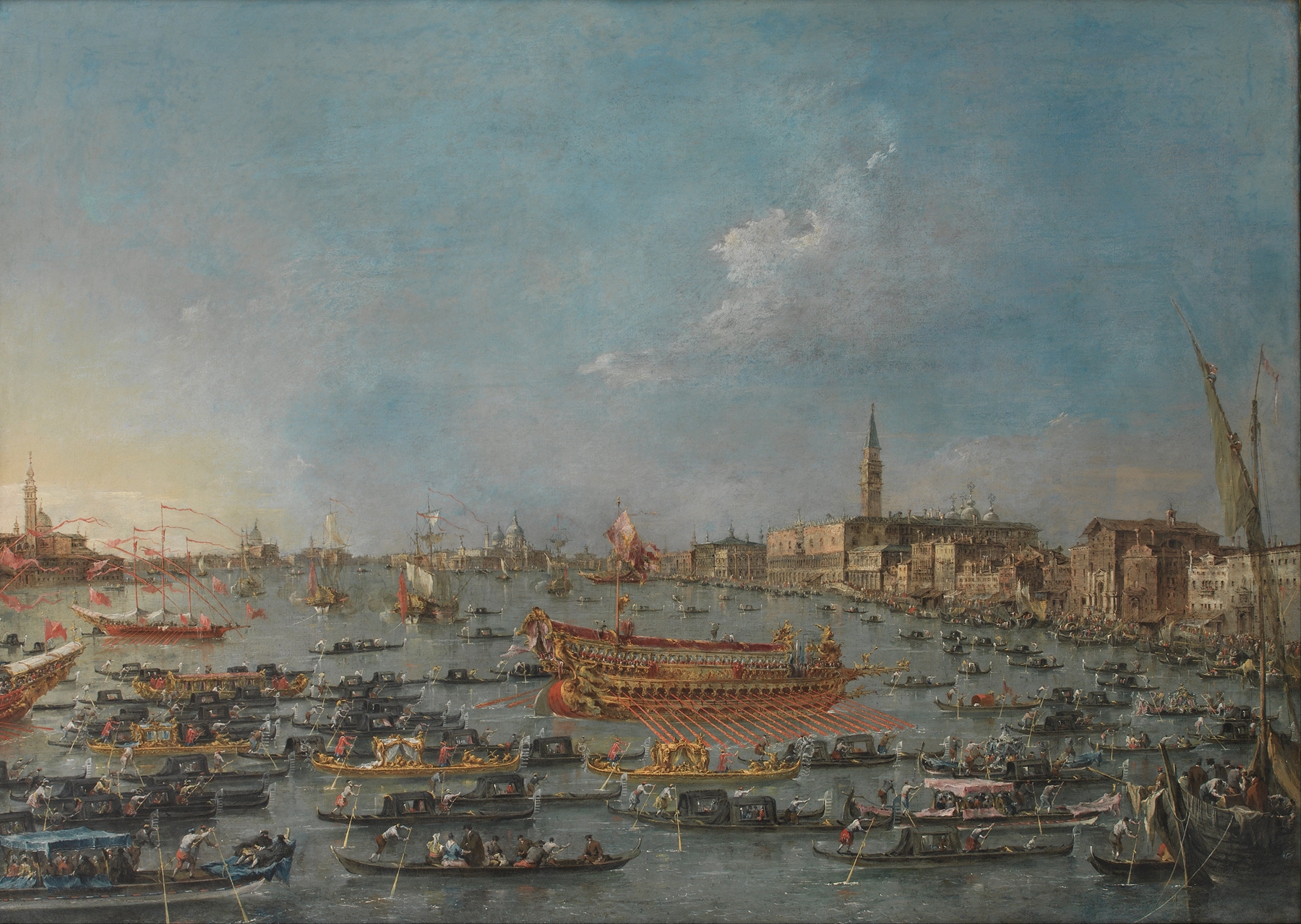
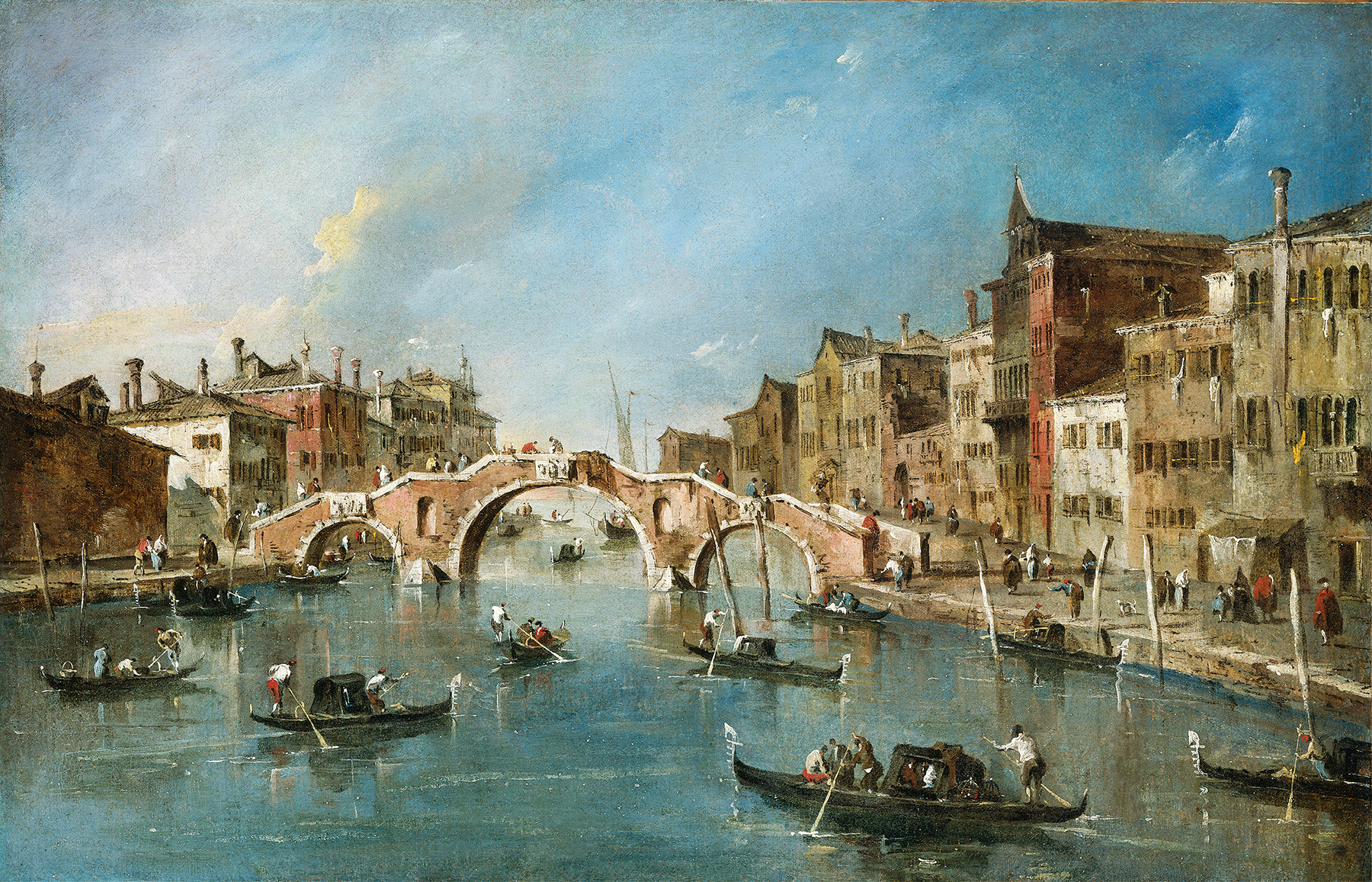
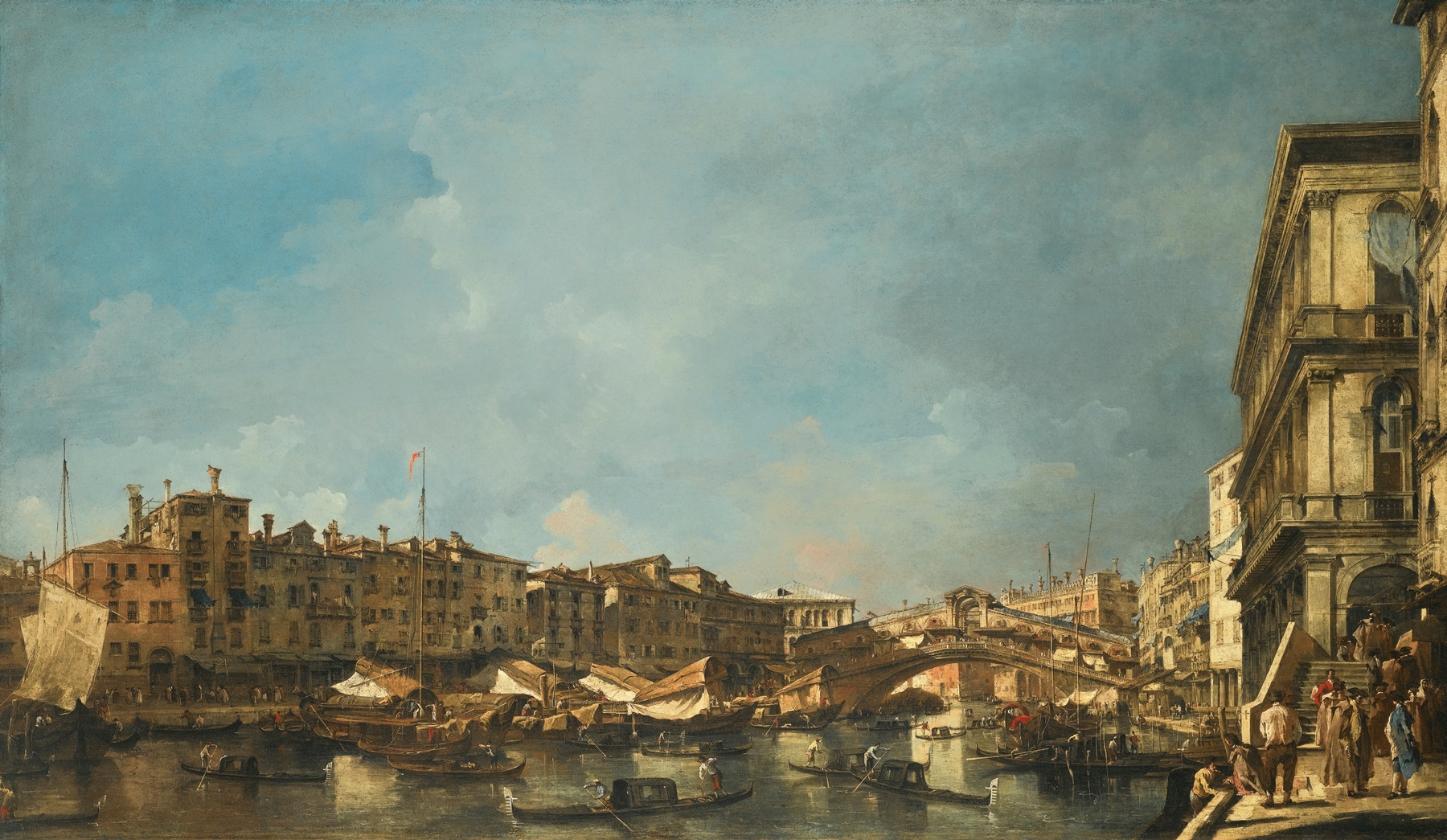
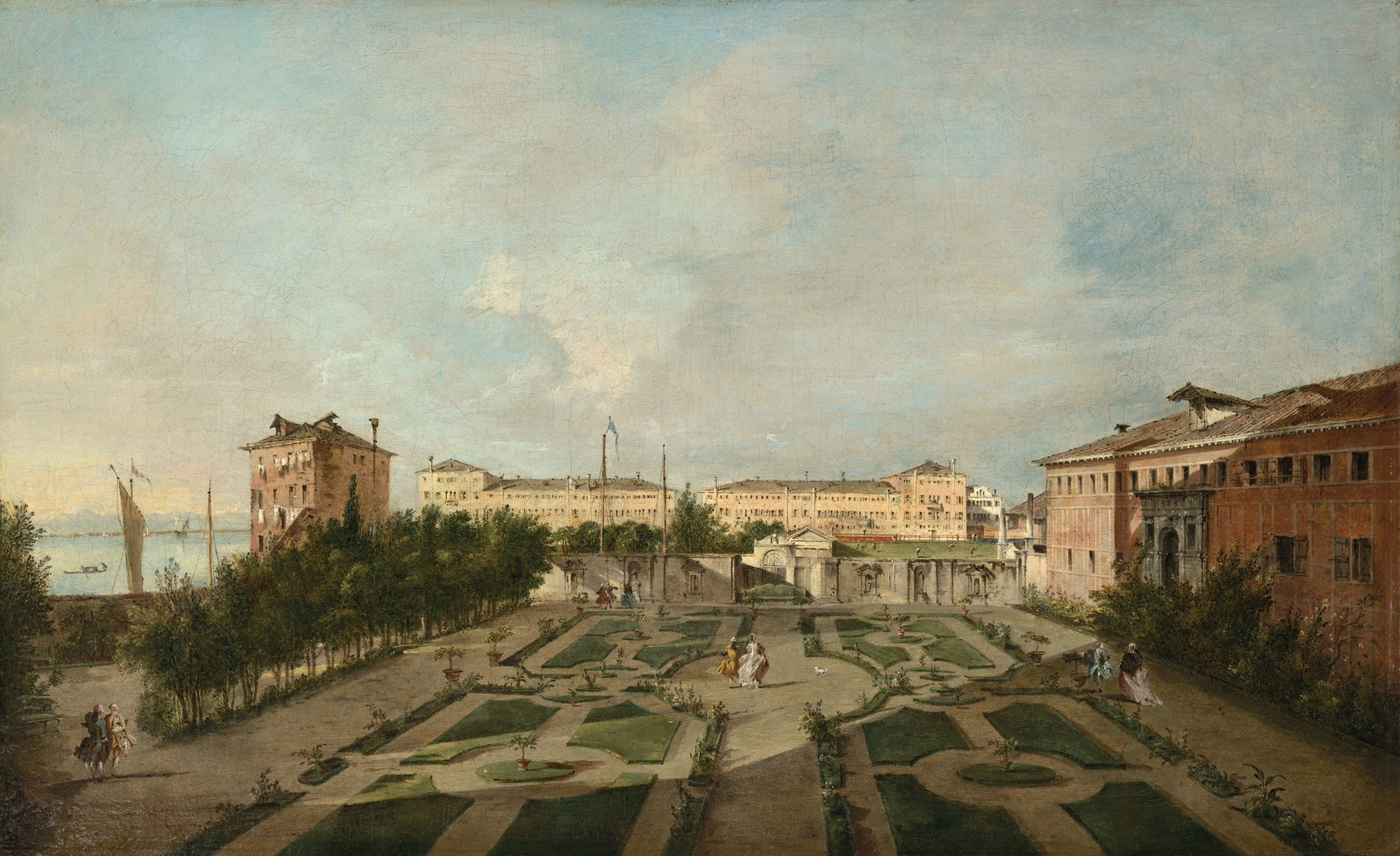
Silhouetted against the twilight sky, a solitary figure lingers in the verdant garden of the Palazzo Contarini dal Zaffo. The soft whispers of evening rustle through the leaves, and the air is thick with unspoken words. Shadows dance along cobblestone paths, where laughter once echoed among friends, now replaced by a palpable tension that hints at betrayal. Look to the left at the delicate fountain, where water gracefully spills over into a stone basin, its surface reflecting the fading light.
The lush greenery envelops the scene, with vibrant foliage cascading like a secret waiting to be unveiled. Guardi’s brushwork is loose yet deliberate, conveying both tranquility and underlying chaos, as layers of muted pastels create a dreamlike atmosphere, inviting the viewer to explore deeper. Beneath the serene façade lies an emotional undercurrent, the lush garden masking the discord between those who once reveled here. The interplay of light and shadow captures moments of hope and despair, hinting at relationships frayed by trust's fragility.
The contrast between the idyllic setting and the potential for treachery within its confines creates a striking tension, symbolizing how beauty can often cloak darker truths. In the late 1770s, Guardi was deeply embedded in the Venetian art scene, struggling to carve his identity amid the flourishing rococo style. This period was marked by a transition towards romanticism, where artists began exploring emotion and narrative. The creation of this piece at a time of personal and social turbulence reflects his desire to capture both the external beauty of Venice and the complex emotions bubbling beneath its polished surface.