The Gothic Arch — History & Analysis
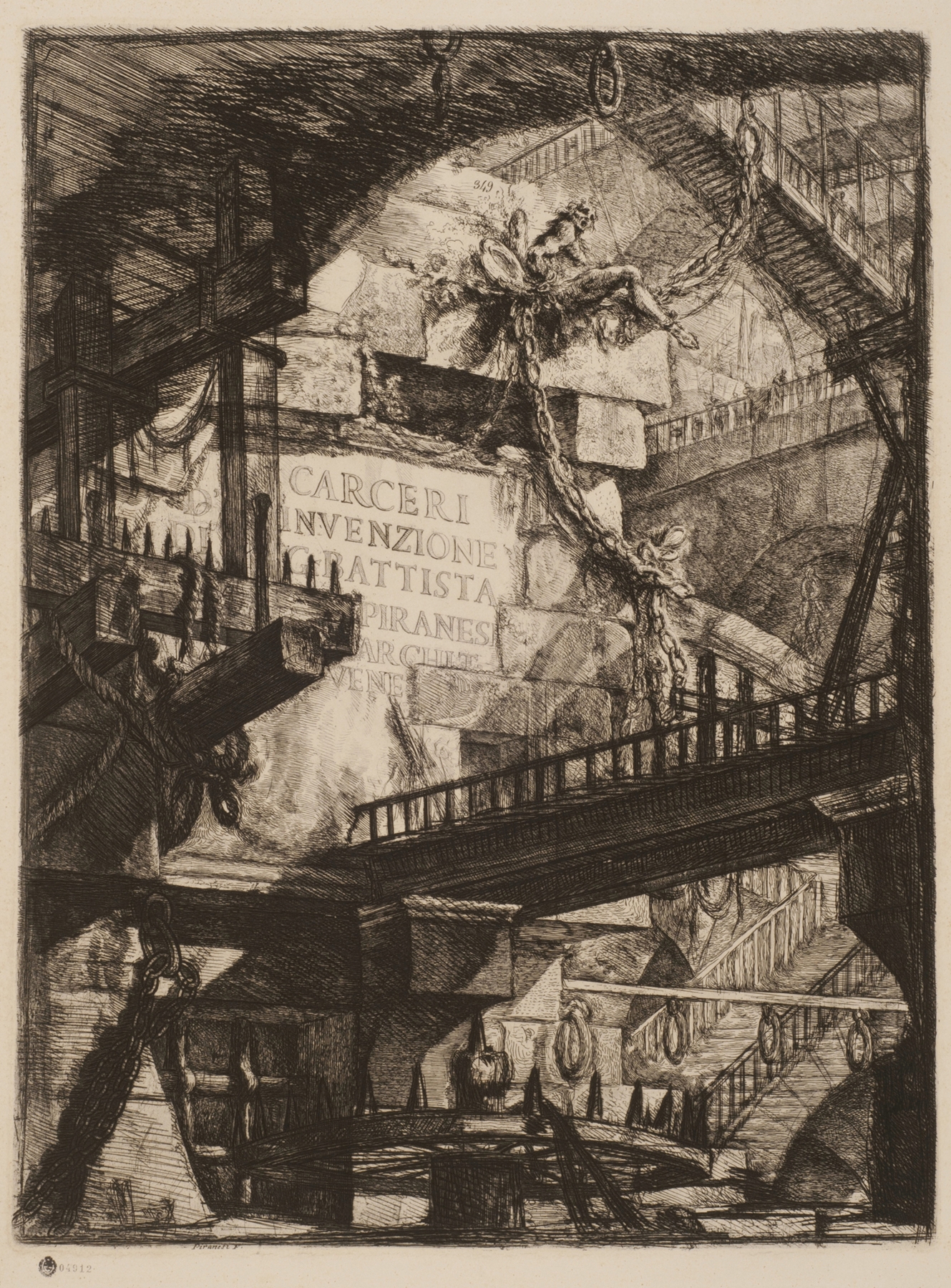
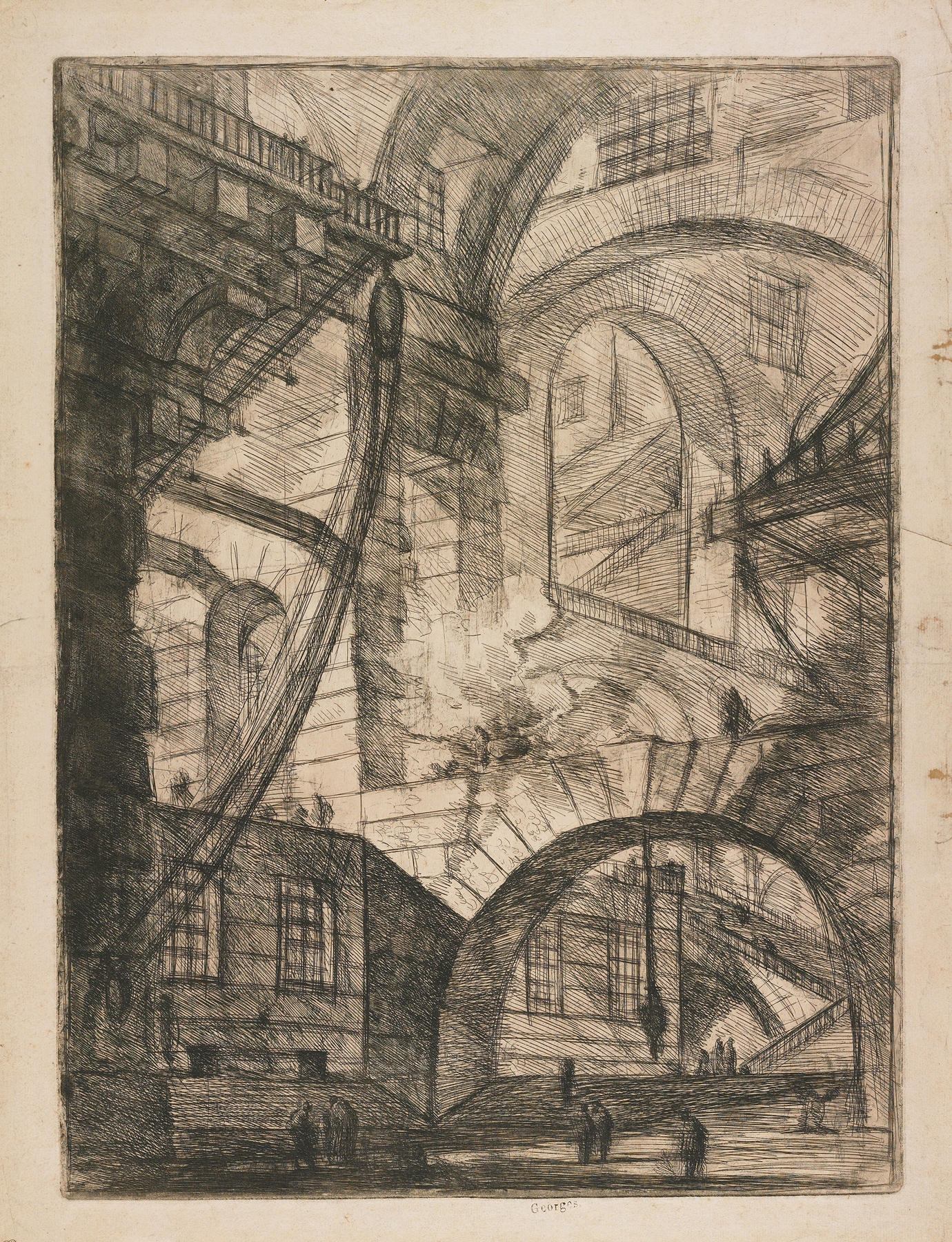
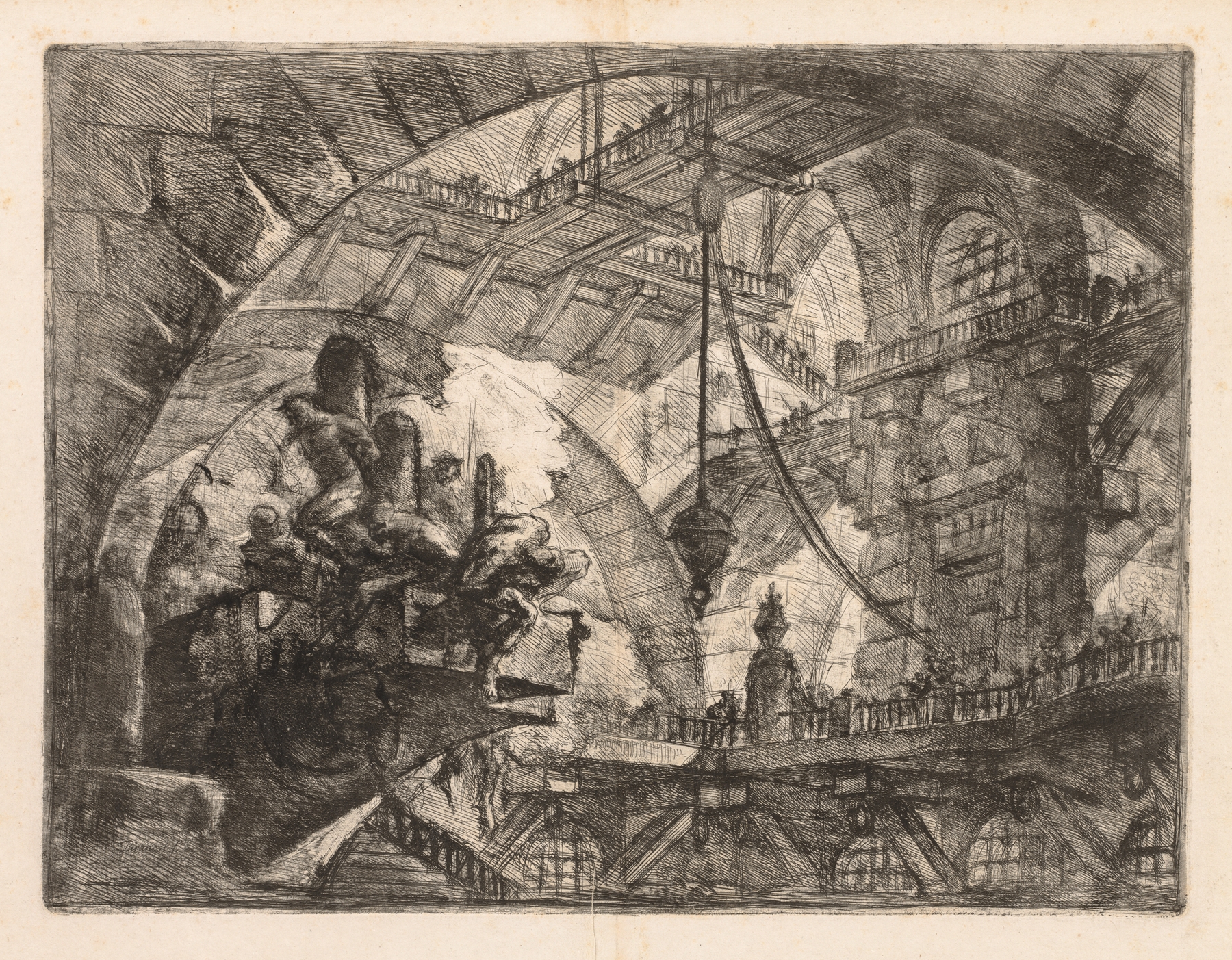
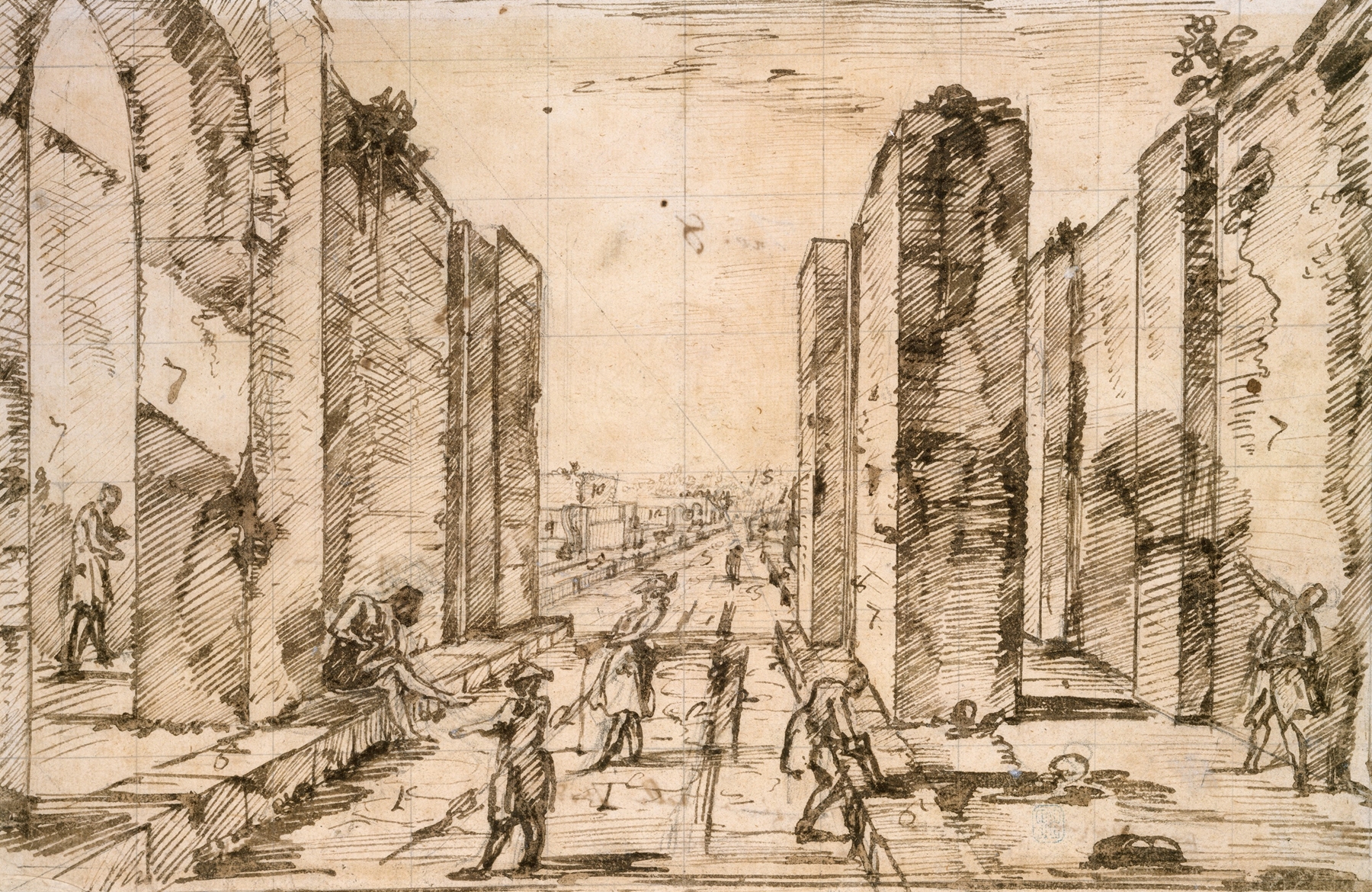
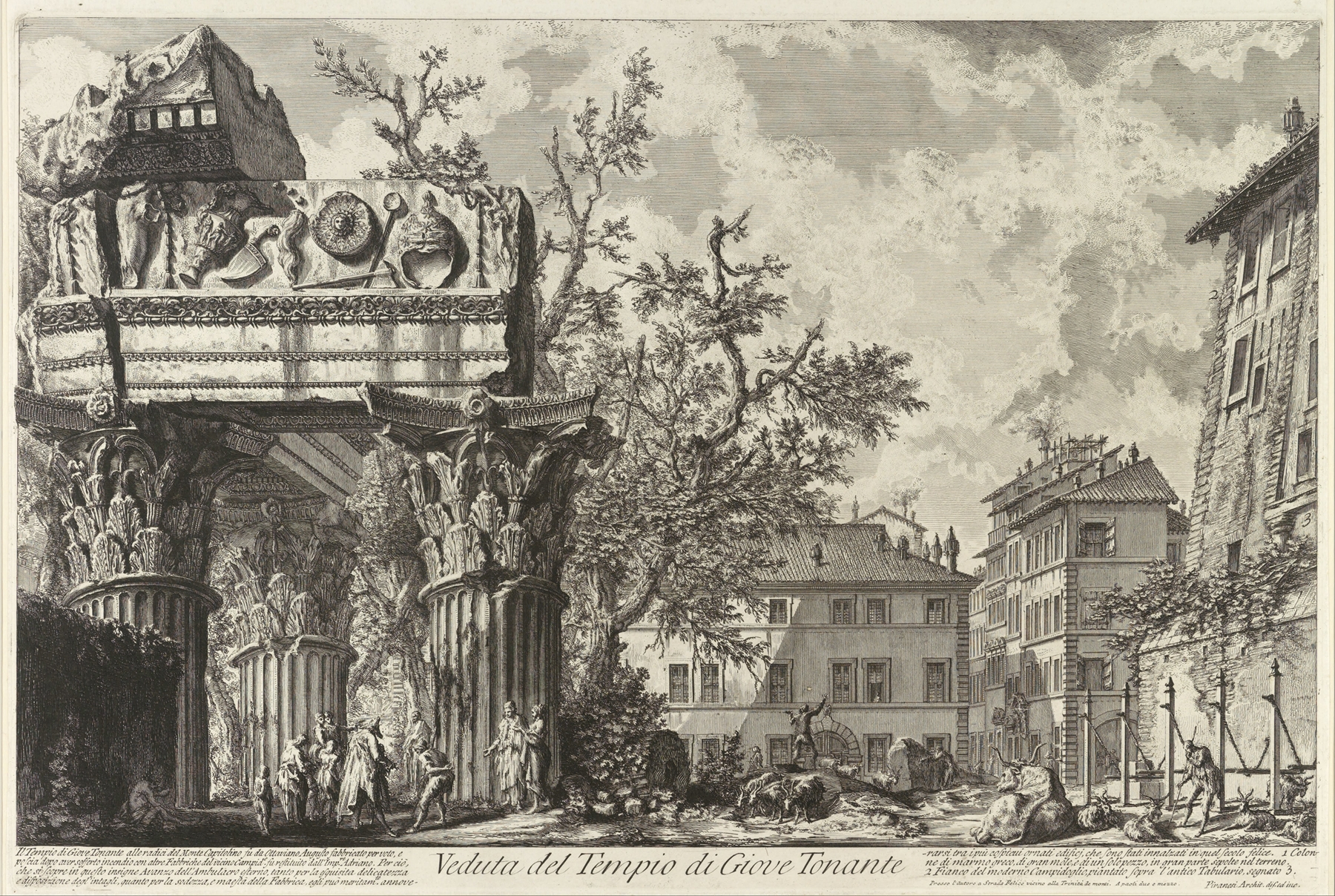
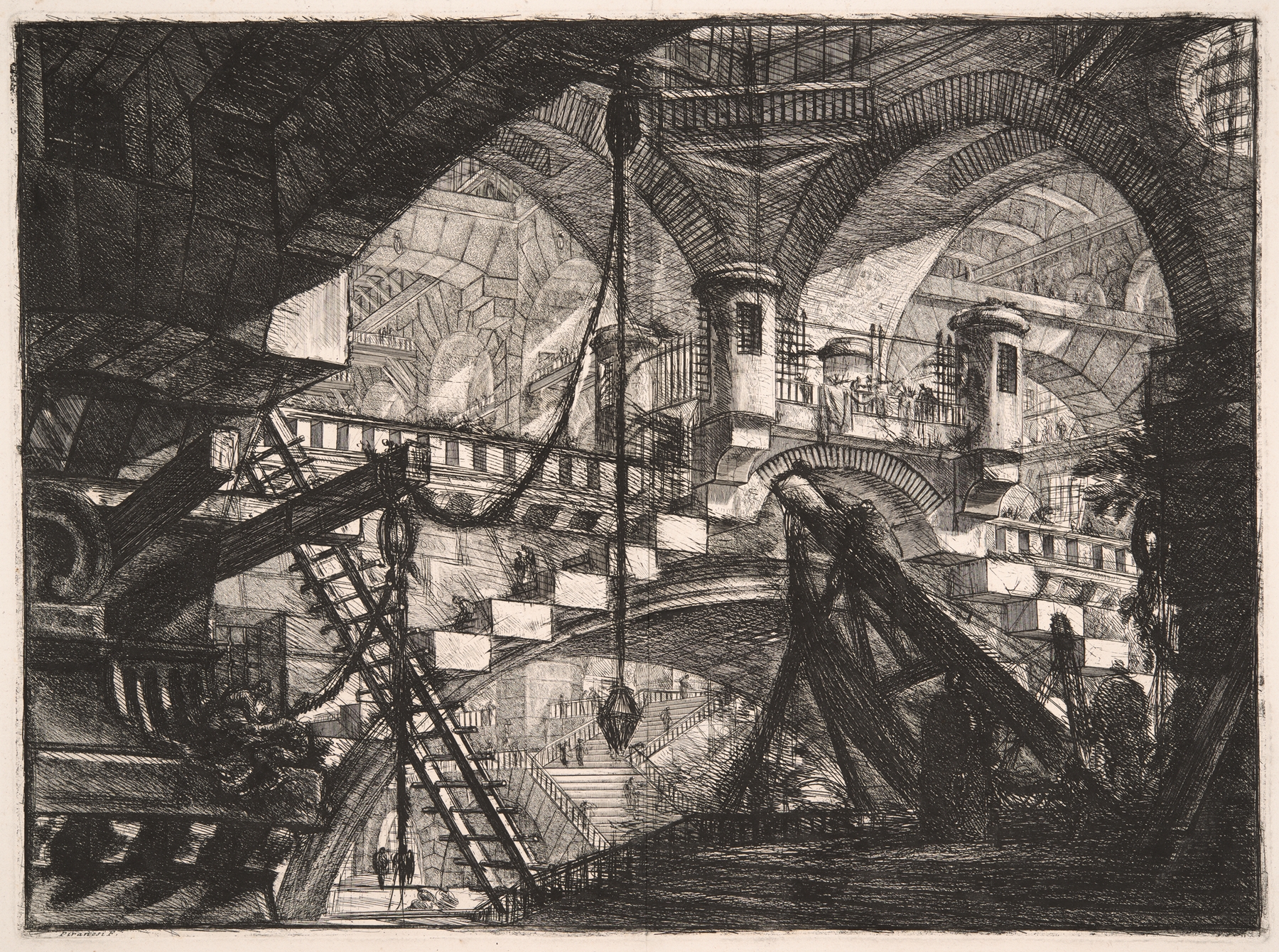
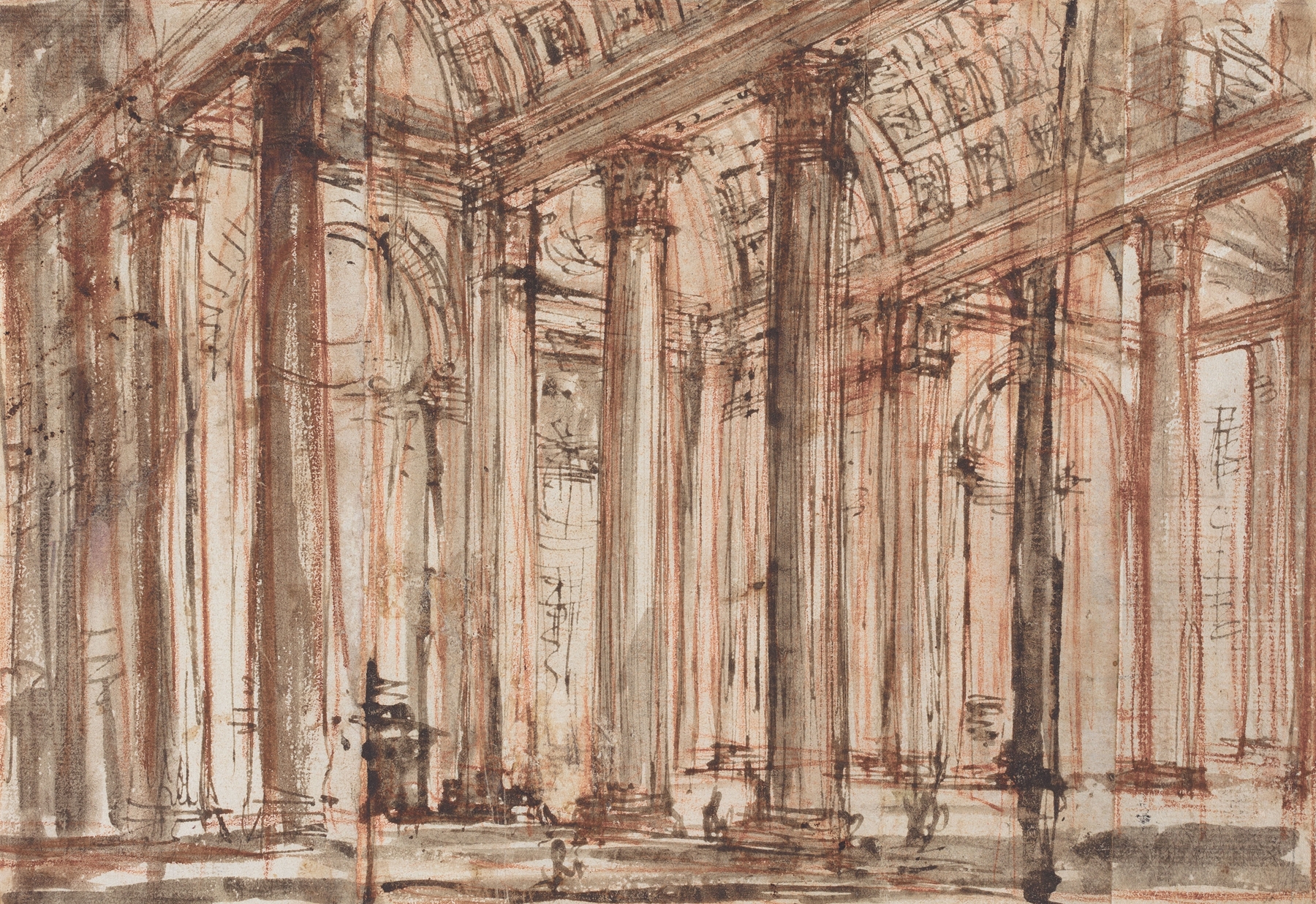
“Art reveals the soul when the world turns away.” In the silence of ancient stone, a single arch stands as a testament to humanity’s fleeting existence, reflecting dreams once vibrant but now obscured by time. Look to the left where the intricate details of the arch’s structure draw your eye, revealing Piranesi's masterful command of perspective and shadow. The interplay of light and dark highlights the worn textures, inviting contemplation of both grandeur and decay. Notice how the arch itself rises majestically, framed against a backdrop that seems to dissolve into nothingness, conveying a sense of monumental isolation.
Deeper still, one can sense the duality of permanence and transience within the piece. The arch embodies a gateway to the past, yet its crumbling facade speaks of inevitable decline. Each chipped stone and delicate carving evokes a haunting nostalgia, reminding us that beauty often lies in the imperfection of what remains. The delicate balance of these contrasts invites the viewer to reflect on their own passage through time.
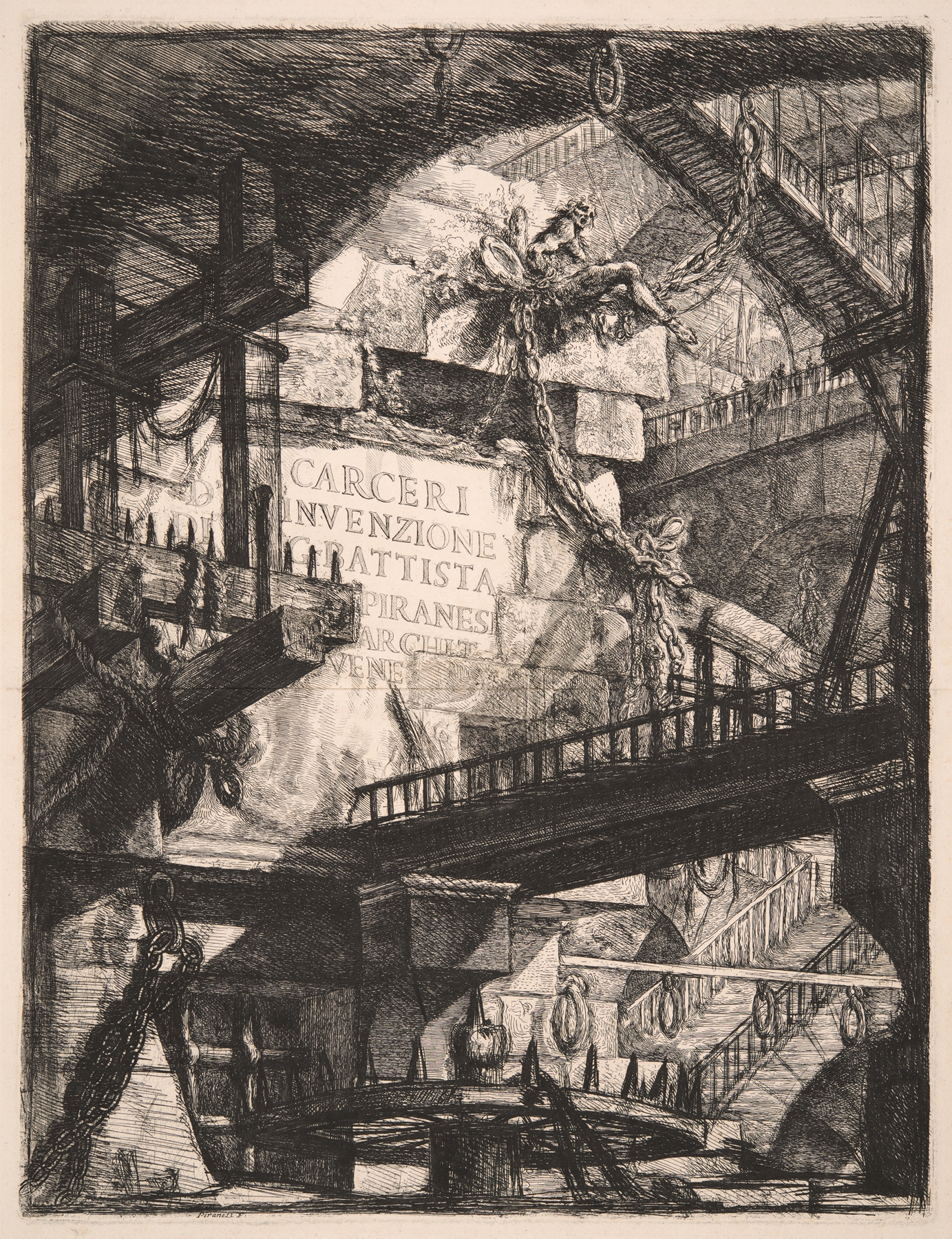
In 1761, while creating this work, Piranesi found himself entrenched in the world of printmaking and architecture in Rome. This period was marked by a growing fascination with antiquity and the sublime, as the neoclassical movement flourished. The artist’s personal journey intertwined with the rich historical tapestry around him, as he sought to capture not just the forms of the past but their lingering spirits.